

Build the Exhibit Around the Manufacturing Proof
An IMTS buyer may be comparing cycle time, control capability, accuracy, changeover, inspection data, integration effort or the quality of a finished part. The booth has to reveal that evidence quickly. A machine that looks impressive but hides its control, work area or output gives the sales team less to work with; a software screen with no recognizable plant workflow creates the same problem in a different form.Machine exhibitors should begin with the installed position, operating envelope, openings, operator, workpiece path, utilities and the sides visitors need to see. Software and digital-manufacturing companies should map the data source, user action, screen sequence and business result. Tooling, metrology and component brands need samples and comparison points that a manufacturing engineer can examine without blocking the demonstration.King Exhibits uses those decisions to develop the IMTS booth design, rental walls or towers, custom graphics, screens, counters, storage and meeting areas. Selected machine surrounds, display supports or fabricated features can be quoted after dimensions and function are confirmed. Packing, freight coordination and I&D appear only where they are included in the accepted proposal.The current IMTS e-Kit and rules control the building assignment, machine placement, show approvals, Freight Planner, Custom Block, target dates, rigging, electricity, AV and contractor requirements. We plan the exhibit interfaces around those services while keeping the organizer and official-provider responsibilities clear.
Give the Buyer Four Reasons to Continue the Conversation

Let the visitor see what the machine, cell or software actually does—from setup or input through the step that changes the part, data or production decision.
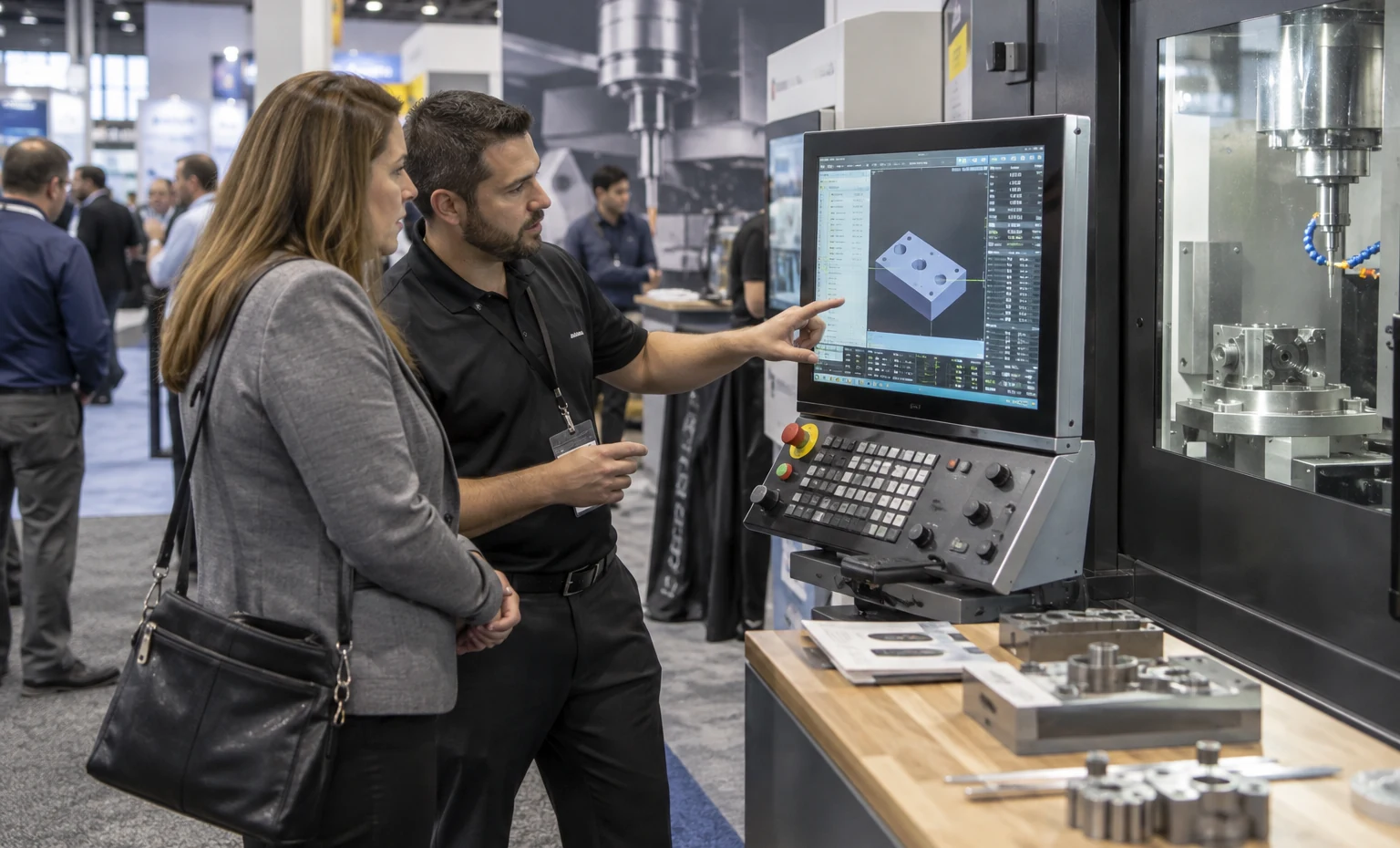
Keep the HMI, measurement screen or workflow visible enough to explain speed, repeatability, alerts, programming or operator effort without crowding the user.

Use finished parts, inspection reports, before-and-after samples or approved performance evidence where buyers can compare the outcome immediately after the demonstration.

Reserve a nearby place to discuss footprint, upstream and downstream equipment, data connections, service, training and the next technical review.
Draw the Installed Machine, Not Only the Shipping Rectangle
Mark doors, guards, controls, chip or coolant access, workpiece flow, operator space, maintenance points and the surfaces buyers should see. Current IMTS rules also affect how much of the booth machinery may occupy and how operating equipment relates to the aisle. King Exhibits can place the rental structure and communication space around the approved machine zone. The completed drawing should support show review, rigging discussion and sales use without substituting for the machine supplier’s technical instructions.


Make the Freight Planner Match What Will Reach the Booth
IMTS uses shipment information to classify current Custom Block services, so estimated machinery and display quantities can affect more than the carrier booking. Separate machines, accessories, skids, exhibit crates, graphics and samples, then align the piece counts and weights with the booth drawing. King’s packing record can cover the exhibit assets in our scope; the exhibitor and machine shipper remain responsible for accurate equipment data. Reconcile changes before target dates and official service orders are finalized.
Make the Workpiece the Proof After the Cycle
Place the starting material and finished part where engineers can compare them immediately after the demonstration. Label only verified process, material, tolerance or inspection information supplied by the exhibitor. Add a staff-side route for replacing parts and removing chips, coolant or packaging. This gives the machine cycle a clear commercial result without turning the booth into a sample storeroom. It also keeps technical claims under the product team’s control.
Carry the Equipment Decisions into Every Booth Asset
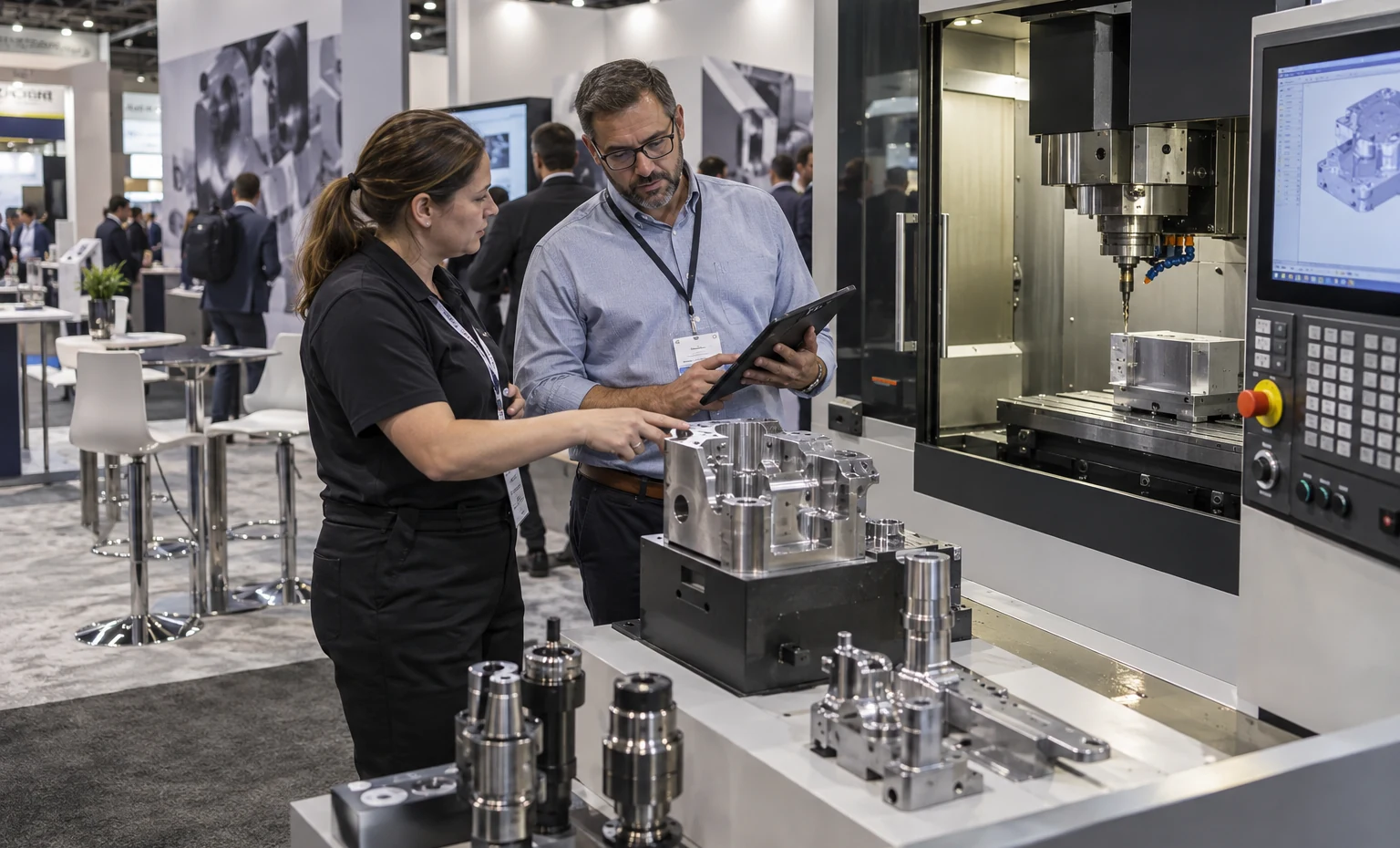

The approved plan can show the machine or demo position, open sides, utility interfaces, viewer line and workpiece display together with the rental walls, graphic sizes, screens, counters, storage and meeting space. When engineering changes the equipment arrangement, the effect on graphics and booth components can be reviewed before production instead of discovered during move-in.King Exhibits prepares the rented, printed and selected custom assets named in the quote and ties them to the approved plan and packing list. Procurement can see what it is buying from King, while the event and engineering teams retain a separate list for machinery, rigging, Custom Block data, electrical, AV and show approvals.
Match the Exhibit Deliverables to What You Are Demonstrating

Plan the installed equipment, operator, workpiece flow and inspection views first. Add identification, large-format graphics, product samples and technical meetings without reducing the approved operating area.
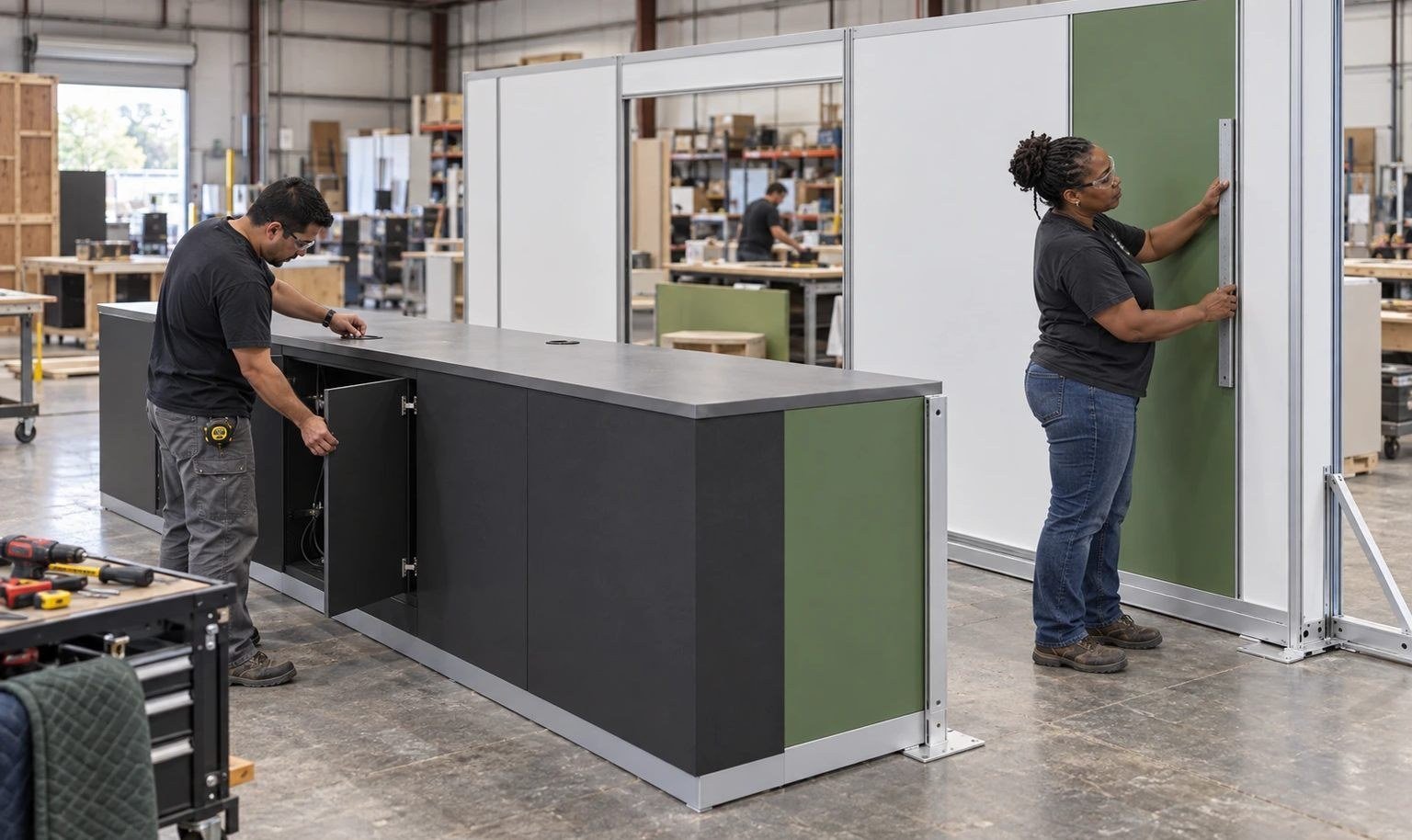
Build a clear sequence across screens, presenter positions and buyer questions. Use graphics to identify the plant problem, then let the live or prepared workflow prove the operational value.

Bring small products closer to the buyer with controlled lighting, secure displays and accessible samples. Connect each part or measurement result to the machine, material or application it supports.
Move from Technical Proof to an Approved IMTS Exhibit
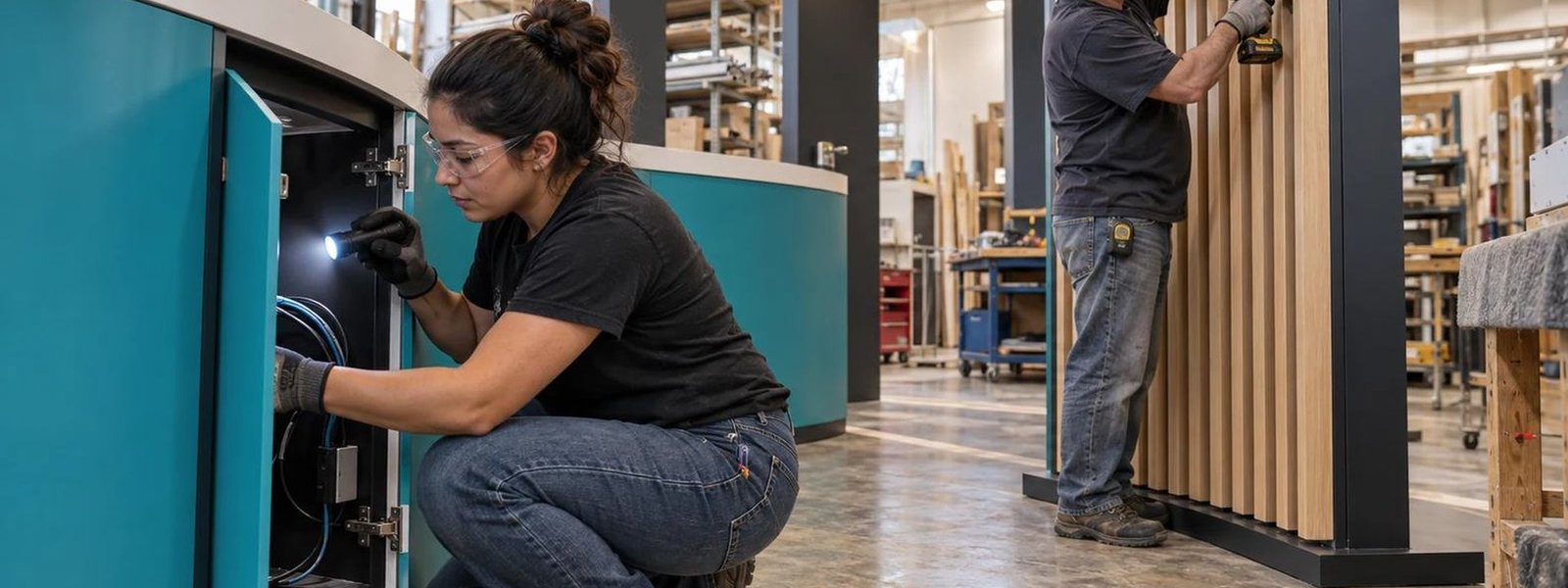
What You Provide: Product, process, part, software workflow, approved claims, target buyer and the next action your sales team wants.What We Do: We turn the sales objective into demonstration, display and conversation requirements.
What You Provide: Installed dimensions, openings, operator space, utilities, weights, workpieces, screens and service sides.What We Do: We build the 3D exhibit around the working technology and current booth constraints.
What You Provide: Building assignment, e-Kit information, Freight Planner data, target dates, rigging, electrical, AV and contractor contacts.What We Do: We align the quoted booth assets with the confirmed delivery and service interfaces.
What You Provide: Approved design, final artwork, accepted quote, carrier details, onsite decision-maker and ready demonstration content.What We Do: We prepare the booth assets in scope, coordinate accepted freight and I&D, and hand over the exhibit area for machine commissioning or demo setup.
Yes. Provide installed dimensions, openings, operator and maintenance areas, workpiece flow, utilities, noise or waste considerations and the approved operating method. The booth can then support viewing and communication without using rental elements inside the machine’s required space.
IMTS publishes current limits for machinery area and the position of operating equipment relative to aisles. Because rules can change by edition or assigned area, confirm the current requirement before approving the floor plan. The remaining space still needs to support safe viewing, graphics, staff, storage and technical conversations.
It records the machinery and display quantities expected for the booth and feeds the current show-service planning and Custom Block classification. Use accurate piece counts and weights, and update them when the machine or exhibit shipment changes.
King can coordinate interfaces or order support when stated in the proposal, but the actual services follow the current IMTS official-provider program. Give us the machine lift, power and AV requirements early enough to place access and drops in the booth plan.
Yes, when each proof has a defined place. Keep the physical machine viewing area open, then position software screens and presenters where they can explain setup, data, quality or integration without competing with the operating demonstration.
Send the booth assignment, product and buyer objective, machine drawings and weights, operating video, workpieces, demo sequence, utilities, screens, graphics, meetings, storage, Freight Planner information and requested freight or I&D support.
Booth Sizes for IMTS Exhibitors
-
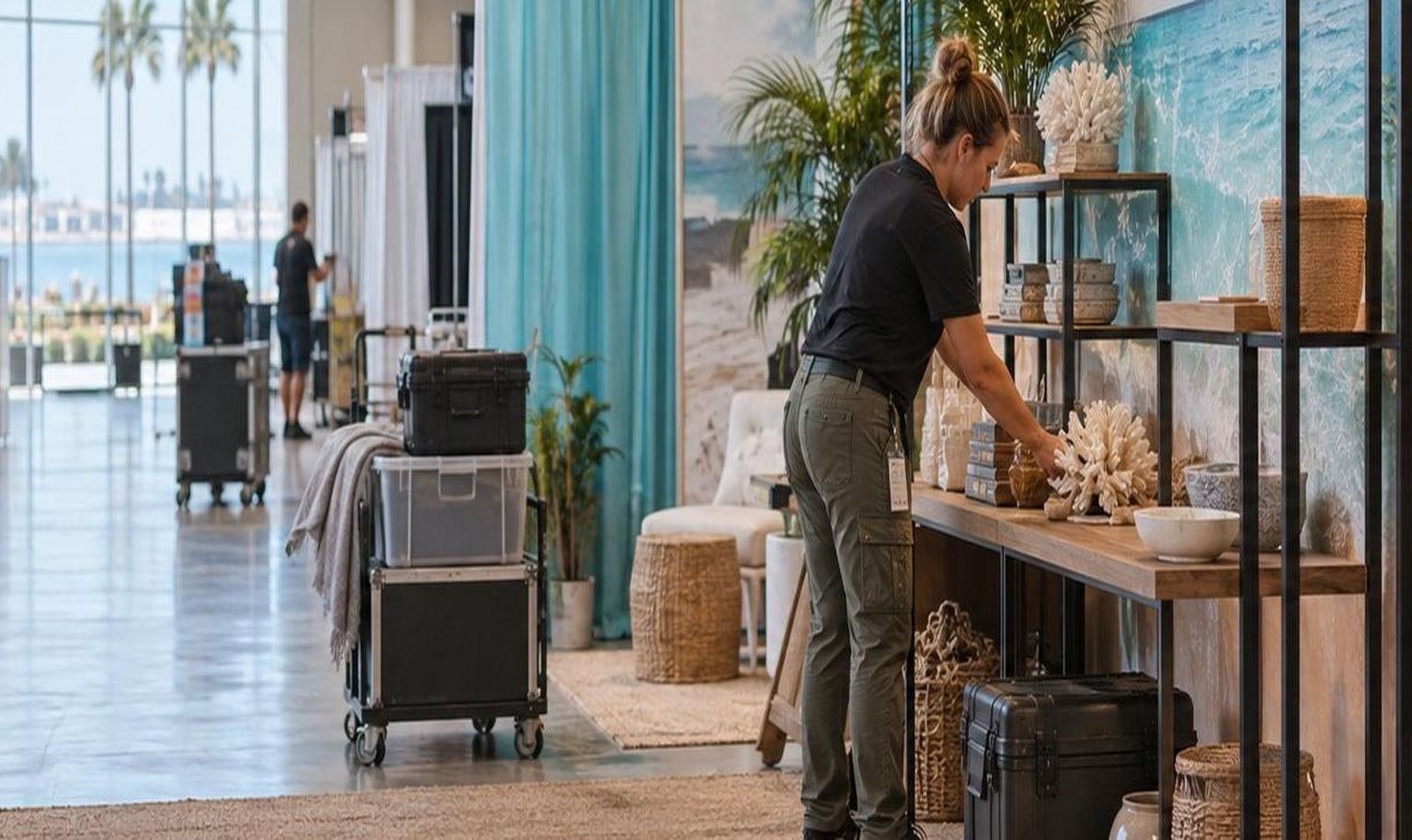
For a focused machine, software workflow or finished-part story with several open approaches.
-
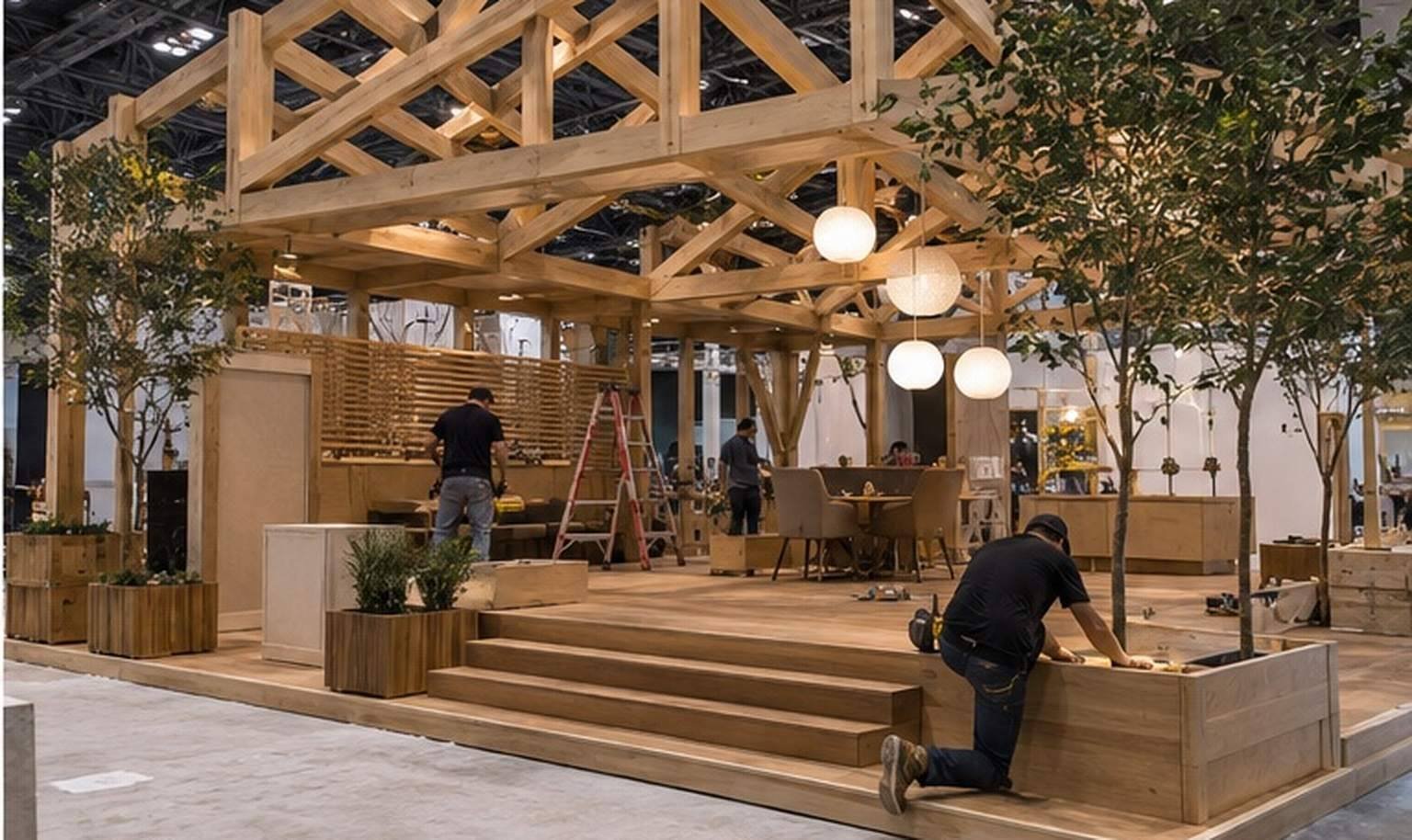
For operating equipment, workpiece handling and separate technical follow-up.
-
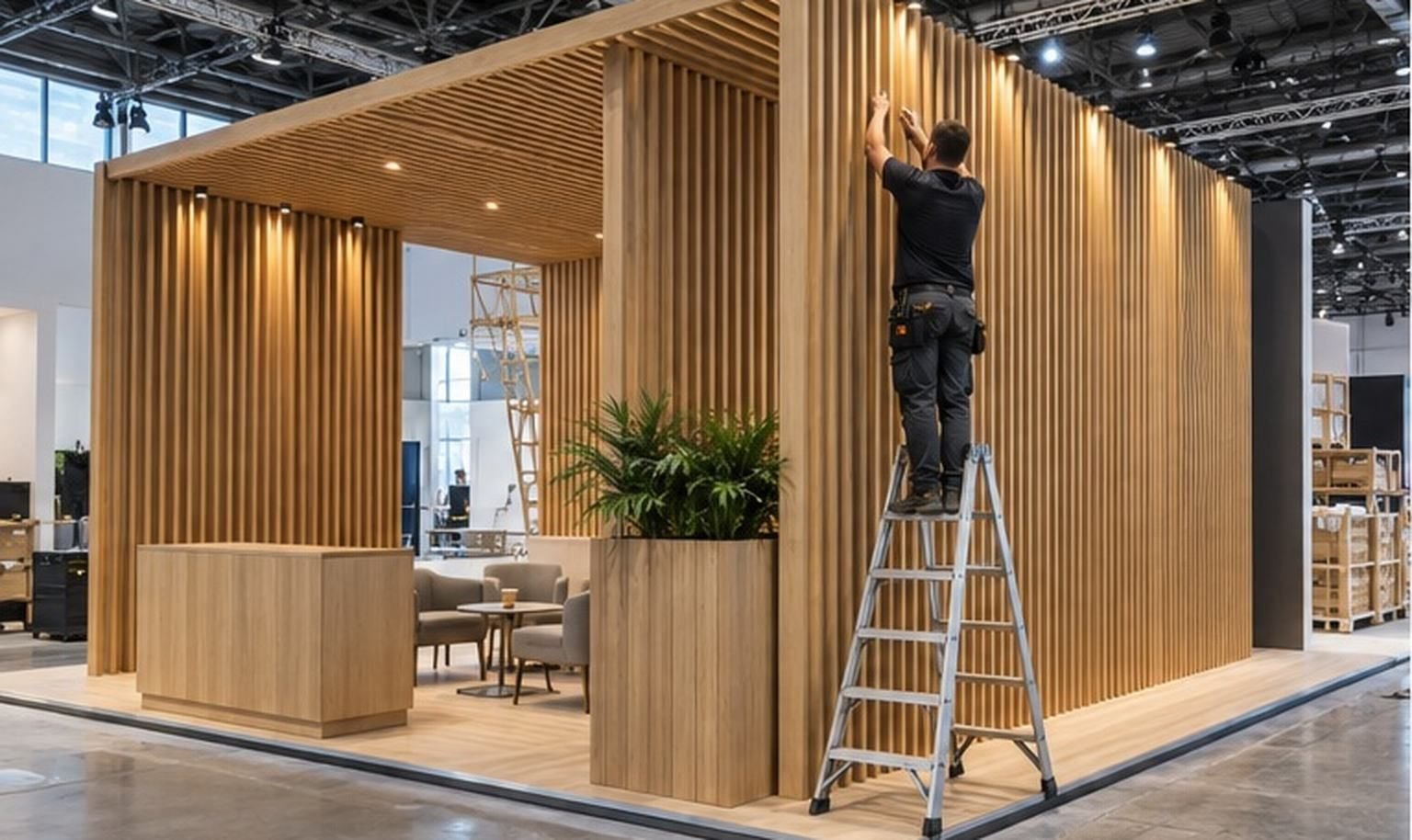
For multiple technologies, larger machinery and scheduled distributor or plant-team meetings.