


Choose the Booth Format by the Meeting Behavior
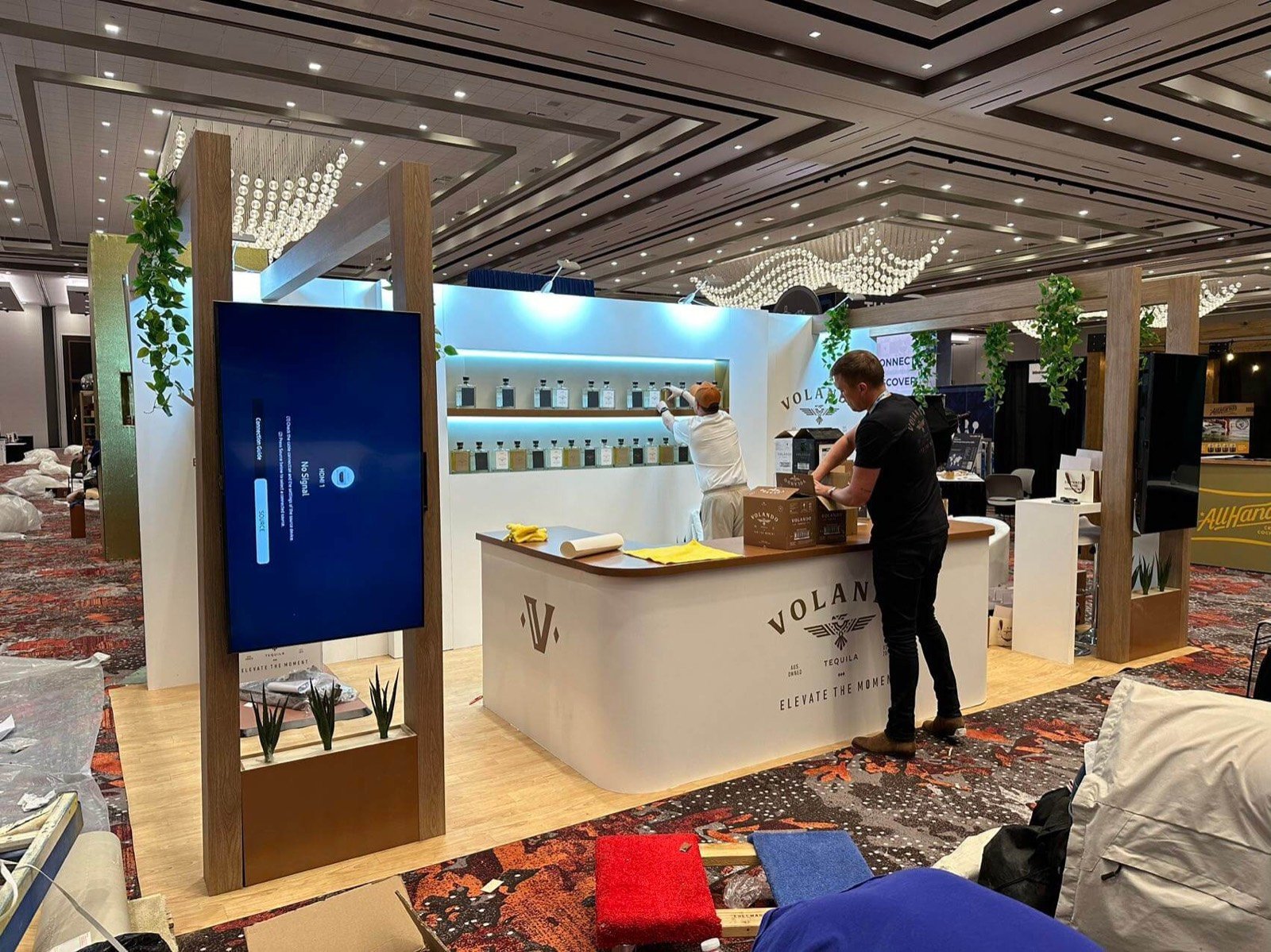
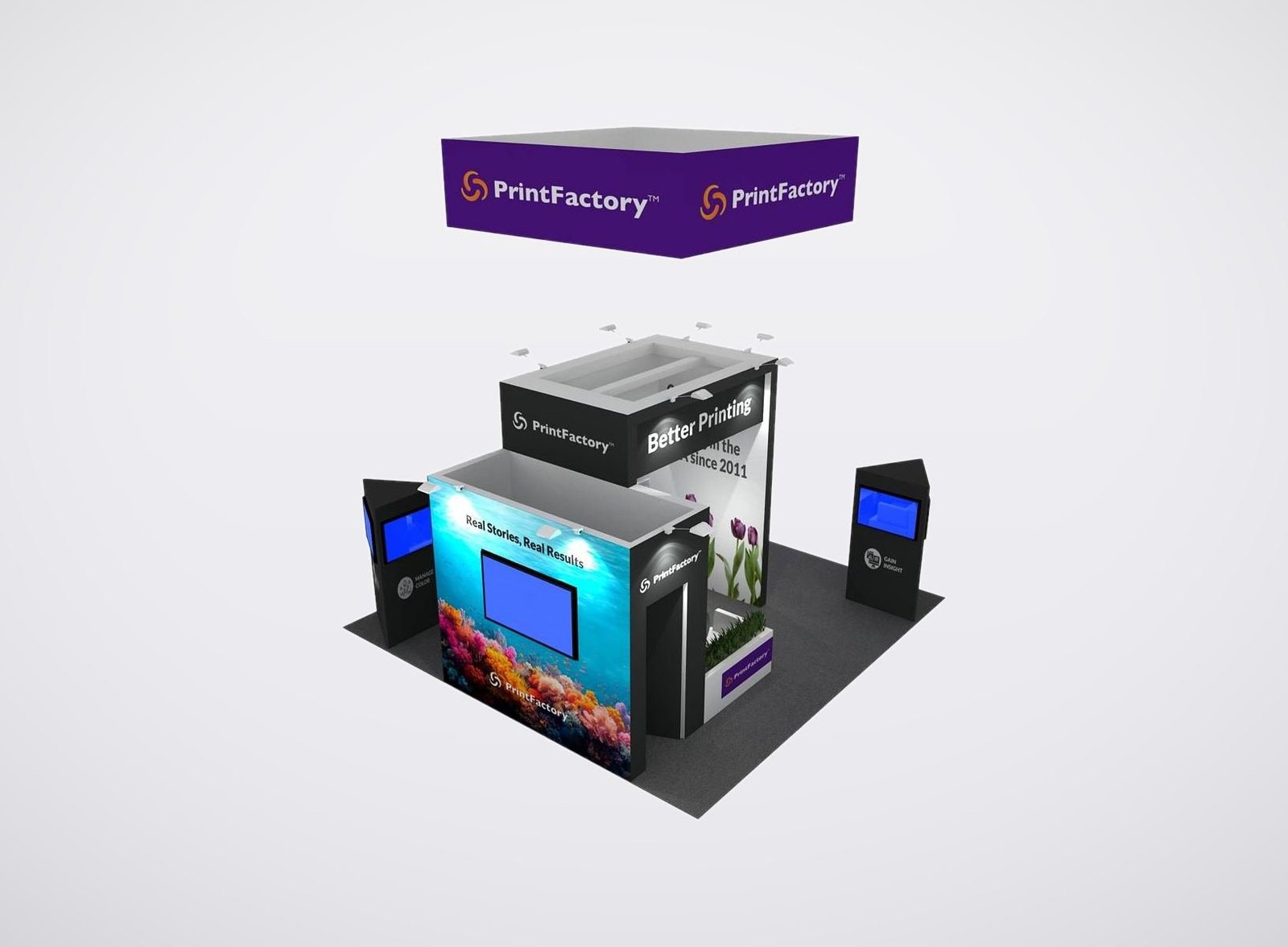
Use these four directions as design starting points rather than preset packages. The proposed mix follows the confirmed footprint, participation terms, meeting plan and active show requirements.Open Appointment LoungeUseful when short one-to-one conversations and easy aisle access matter most. The layout should keep seats visible, arrivals simple and staff movement clear.Semi-Private Meeting ExhibitAdds screening, acoustic separation and a calmer review setting for budgets, destination shortlists, venue requirements or detailed solution discussions.Destination or Venue PavilionCreates a shared identity with defined positions for regions, properties or local partners. Resolve brand hierarchy, host ownership and visitor routing before graphics are released.Presentation and Demo BoothSupports a group briefing, destination presentation or event-technology demonstration. Plan the audience edge, sightlines, sound, power, data, equipment access and reset activity together.
An Exhibit Rental Built Around the IMEX America Meeting Program
At the IMEX America trade show, meetings, events and incentive-travel suppliers connect with planners and buyers. The current meeting system supports individual appointments, group appointments and booth presentations. That makes the working schedule a design input, not a document the booth team should discover after furniture has been placed.King begins with the assigned footprint, open sides, host count, appointment formats, partner structure and the decision each audience should reach. A convention bureau may need one destination story with several local partners. A hotel or venue group may need portfolio navigation and private site discussions. A DMC or event-service supplier may need visual program examples. An event-technology company may need a working screen, device or demonstration sequence.Rental structure, graphics, lighting, counters, storage, furniture and selected custom elements can be combined when included in the quote. The proposal identifies the exhibit items and agreed project services. IMEX participation, buyer appointments and organizer-, venue- or official-supplier-controlled services remain separate unless a signed scope expressly assigns coordination work to King.
Match the Exhibit Story to What the Planner Must Decide
Different meetings-industry suppliers need different proof. Start with the planner’s next decision instead of forcing every exhibitor into the same image-wall and meeting-table formula.

Connect destination appeal to usable meeting outcomes. Organize venues, access, local support and program ideas around the planner’s question instead of filling the booth with interchangeable scenic images.
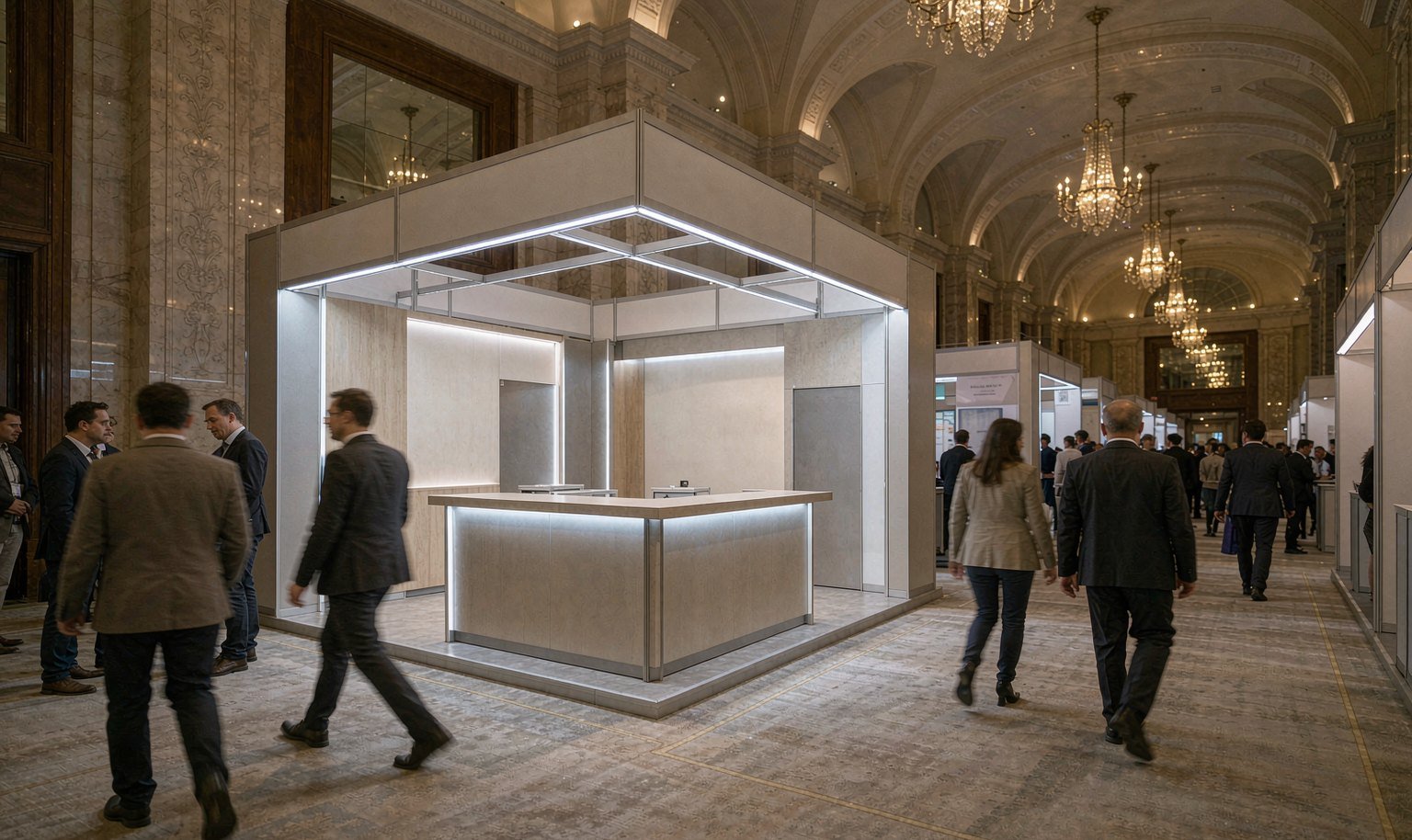
Help a buyer move from portfolio overview to a relevant property or space. Plan for maps, capacity or facility information, site discussion and a clear handoff to the right representative.

Define what the visitor will see, touch or control. Record devices, screens, power, data, audio, presenter position, audience distance and reset time before the demo area is approved.
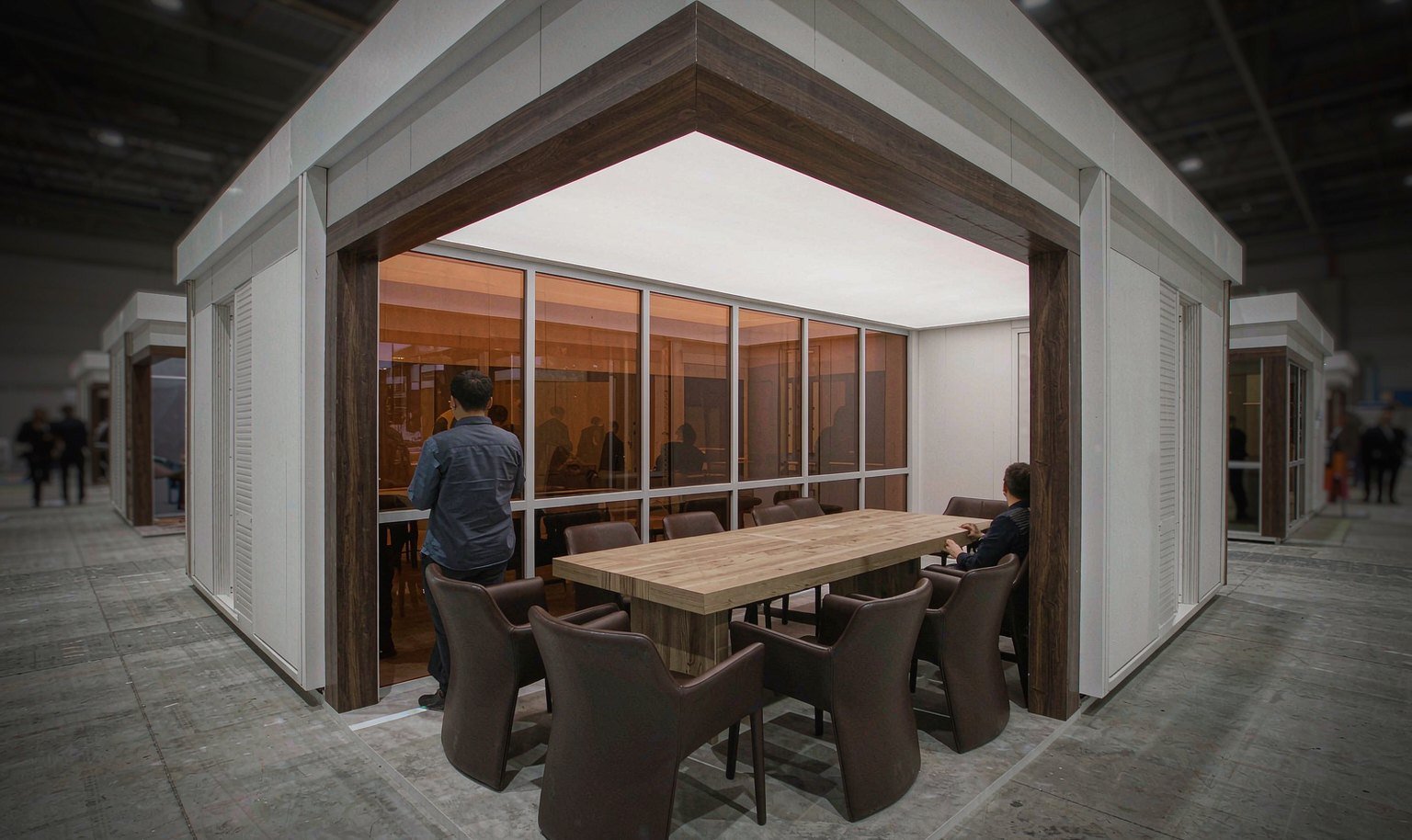
Use a short service statement, project evidence and a qualified conversation point. Shared exhibitors should agree on the common promise, partner labels and follow-up ownership before the booth becomes a collection of competing messages.
Calculate the Meeting Capacity Before Choosing Furniture
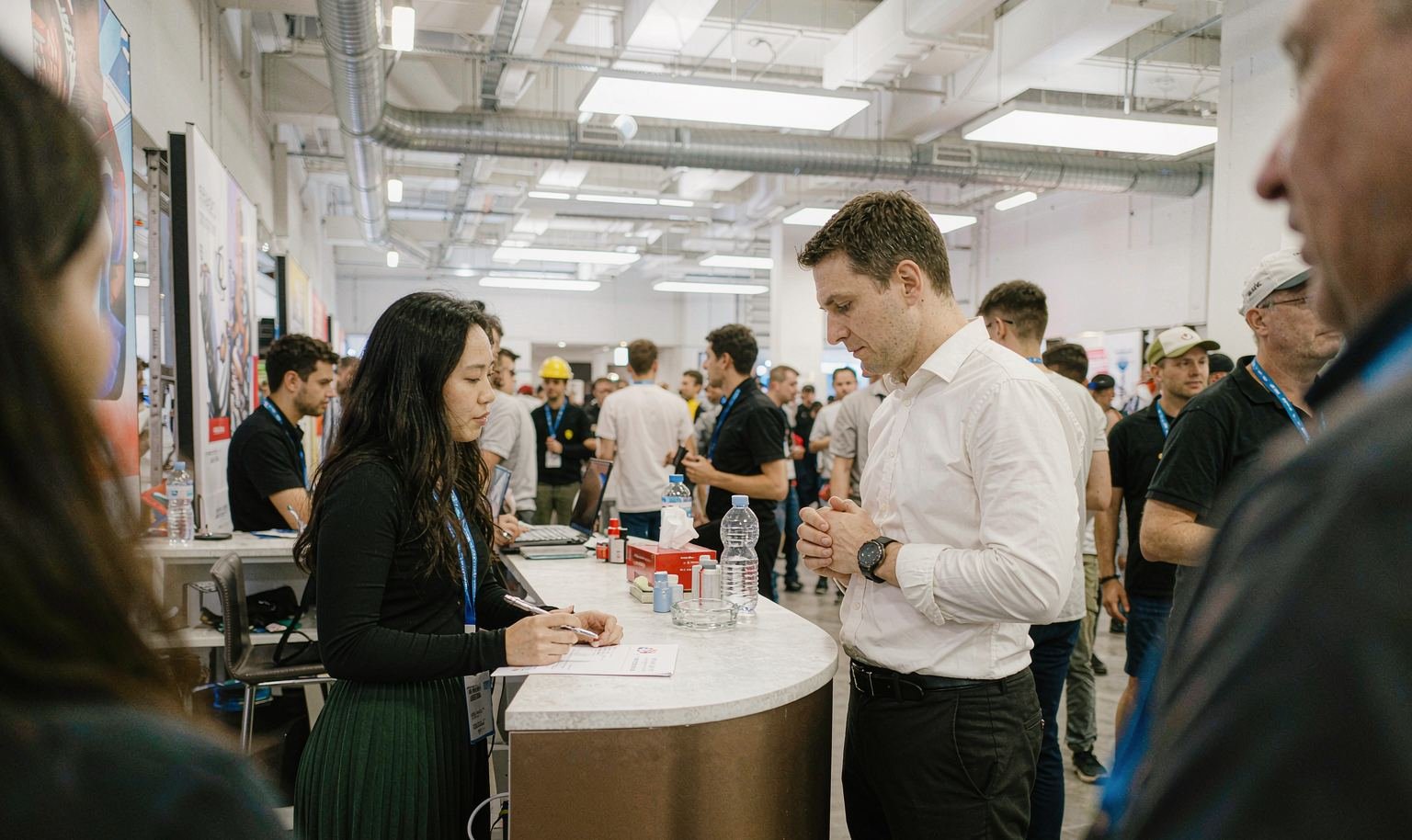
A table count does not equal usable appointment capacity. Map the host, guest, arrival, waiting and exit positions for each meeting format, then add the circulation needed by walk-up visitors and neighboring sessions. Check whether screens, bags, mobility access or confidential documents change the space around a seat. This exercise shows which conversations can run at the same time and where a semi-private room, standing counter or shared presentation is more practical than another table.
Turn Destination Images into Evidence a Planner Can Use
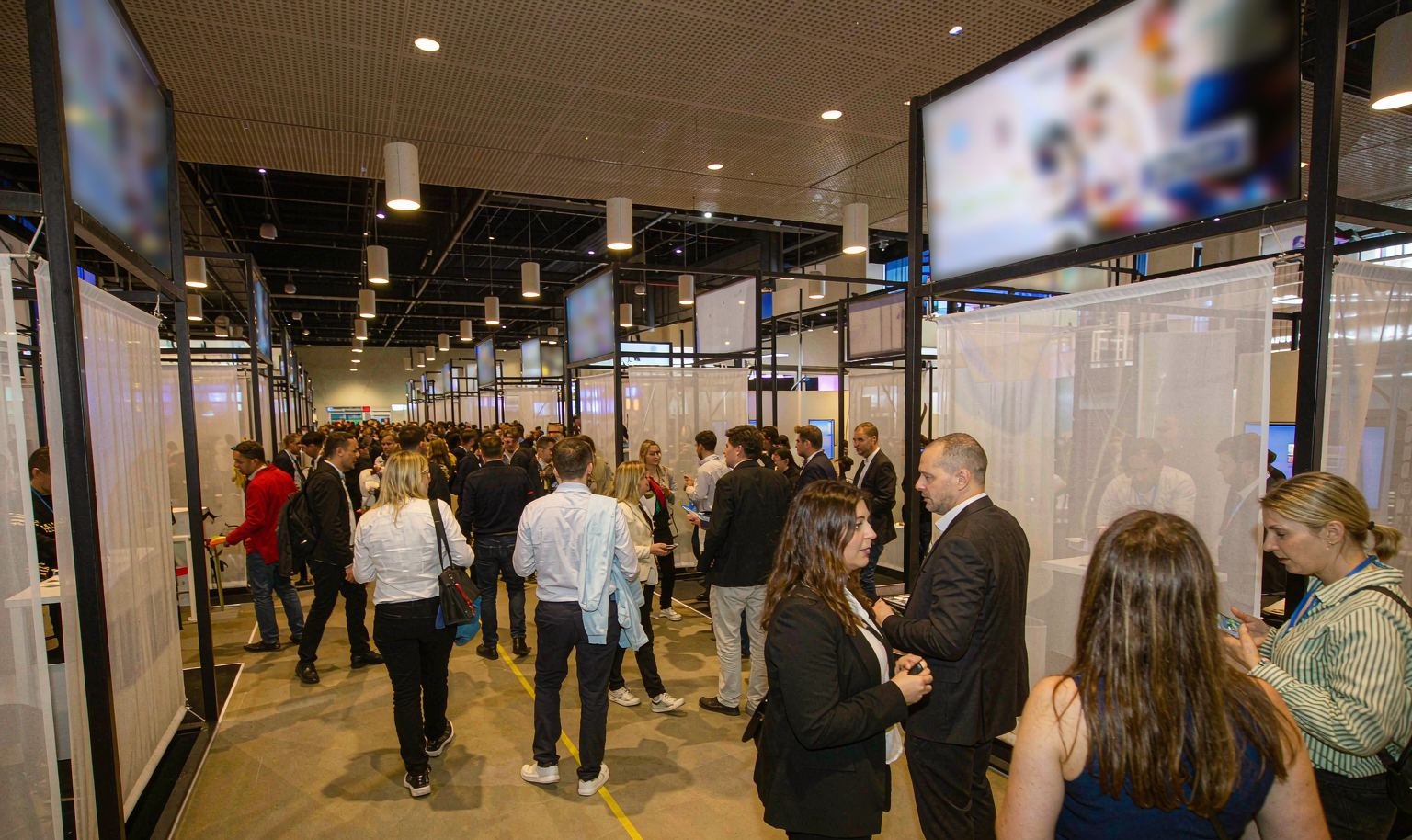
Large photography can attract attention, but it rarely answers a sourcing question by itself. Group approved content around the decision: destination access, suitable venues, hotel options, local partners, program ideas or service delivery. Give each story a clear owner and a next step, such as a site discussion or RFP follow-up. The exhibit then helps a buyer connect the visual promise to the representative and information needed for a real planning decision.
Give Booth Partners a Shared Route Through the Conversation
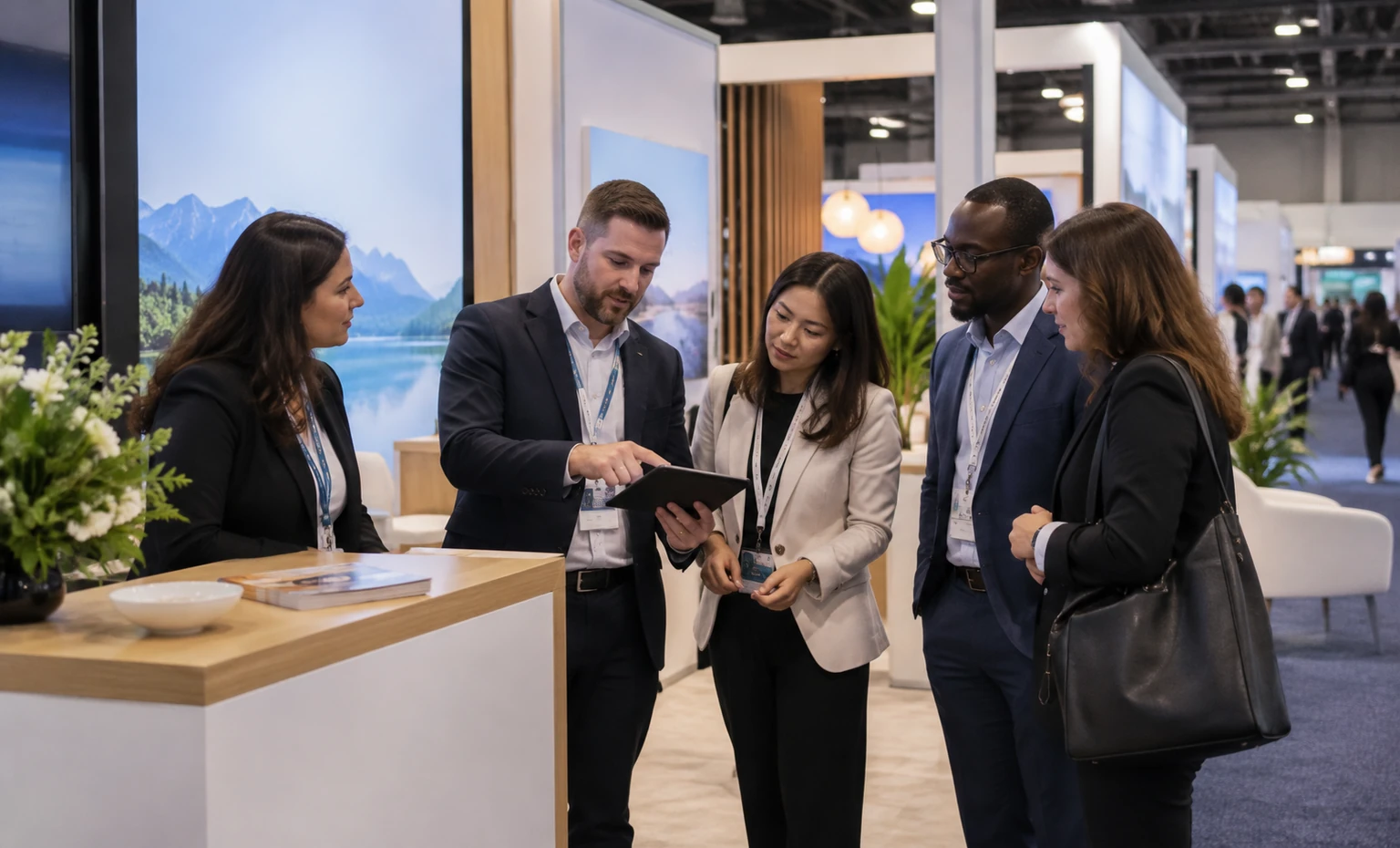
Co-exhibitors need more than equal logo space. Record who hosts each appointment, which partner answers each subject and how an unplanned visitor reaches the right person. Keep shared orientation visible, then use named zones, screens or meeting positions only where they improve the handoff. A partner map tied to the appointment schedule reduces crossed conversations, protects common circulation and makes follow-up ownership clearer after the visitor leaves.
Review the Meeting Plan, 3D Direction and Quote as One Scope
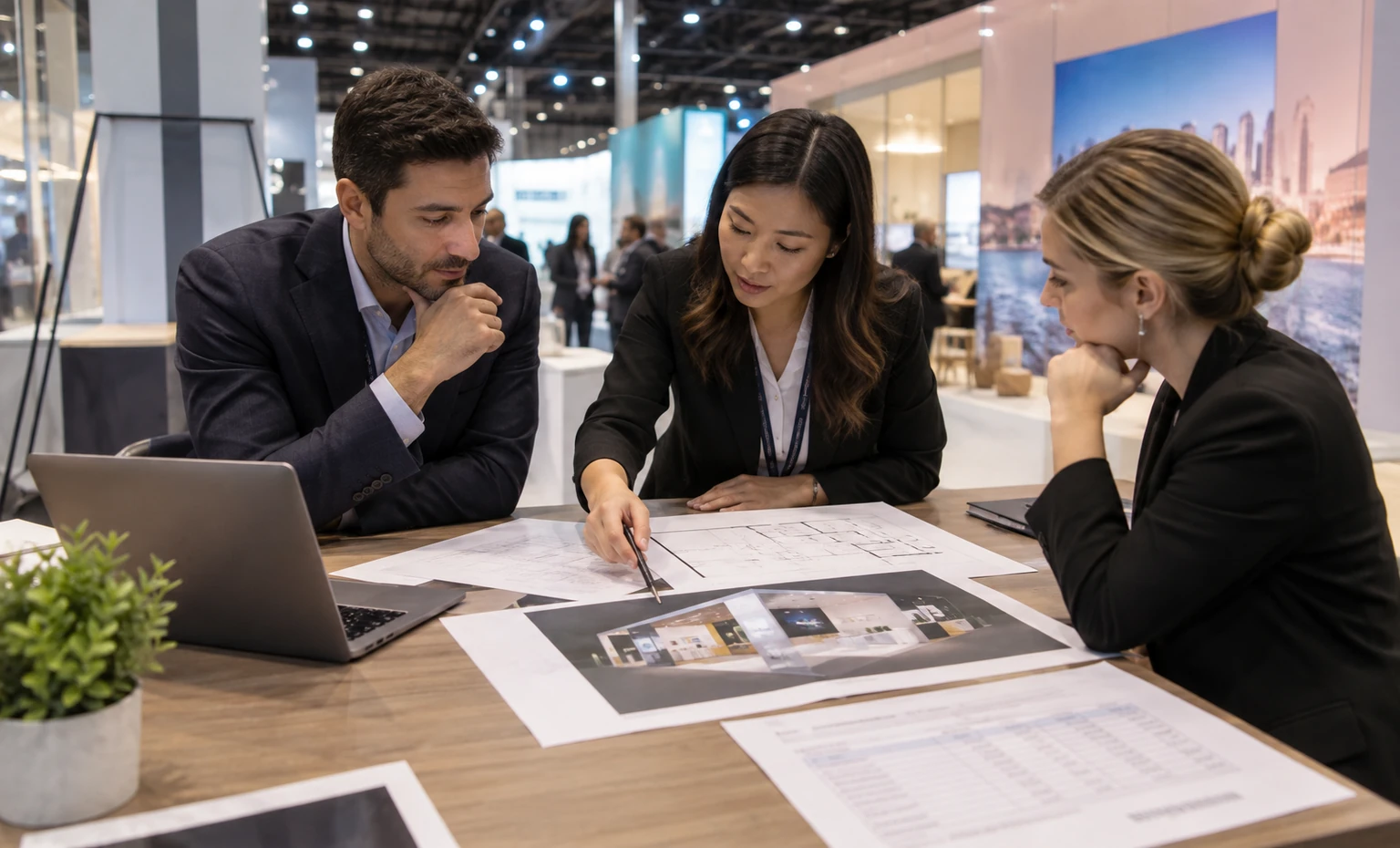

For this service, the defensible King advantage is traceable project documentation. The IMEX America booth design is tied to real inputs, while unsupported factory, coverage, speed, price and past-result claims are excluded.
Confirm Current IMEX Requirements Before Design Release
The active exhibitor agreement, manual and official resources control show participation and event-specific requirements. A rental exhibit proposal cannot replace them.
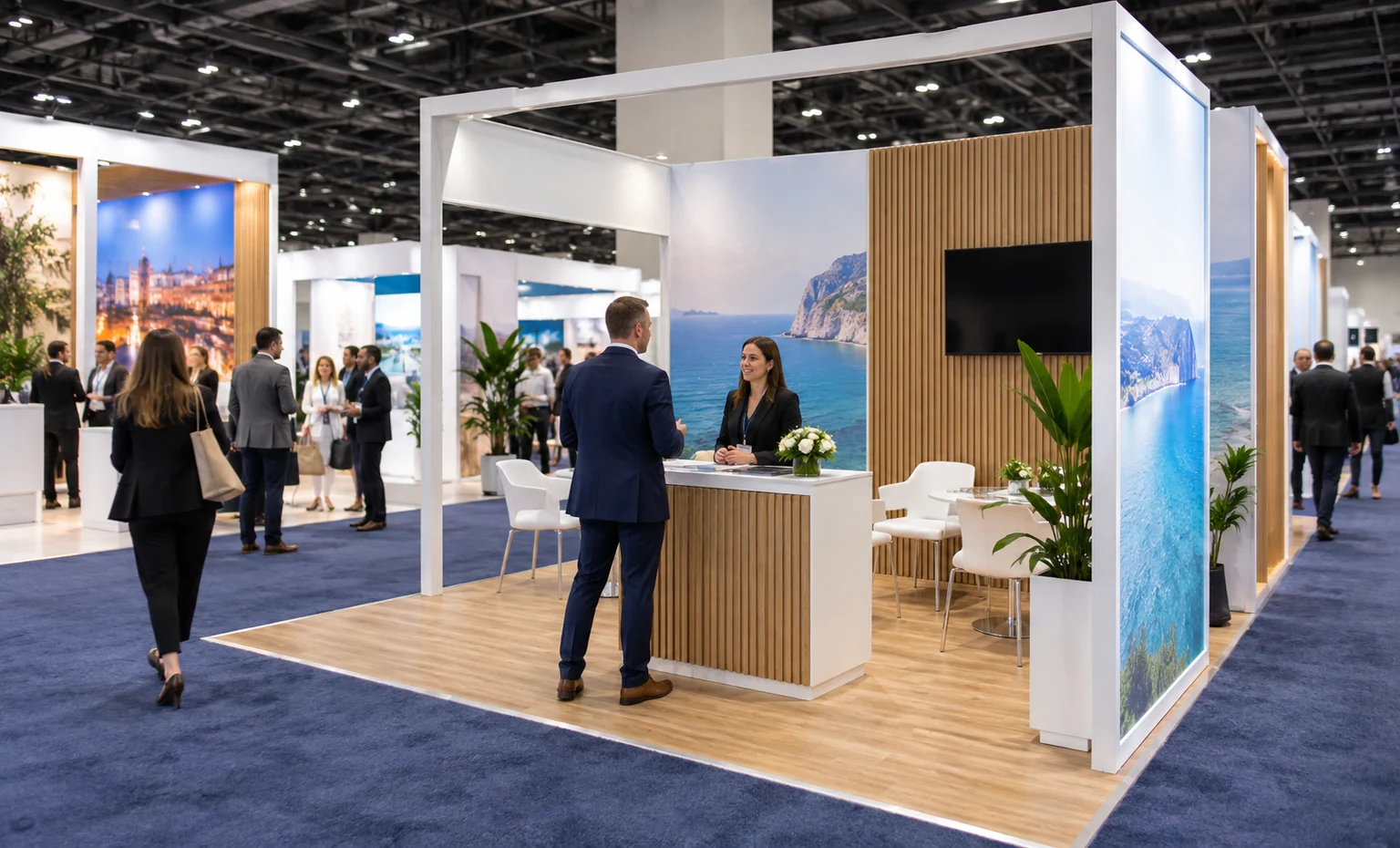
Use the actual exhibitor agreement, booth dimensions, configuration and included package. King does not allocate IMEX space or replace the organizer’s confirmation.

Confirm the current meeting-system setup, appointment formats, registered team and any booth-partner requirements. The floor plan should follow the approved participation structure.
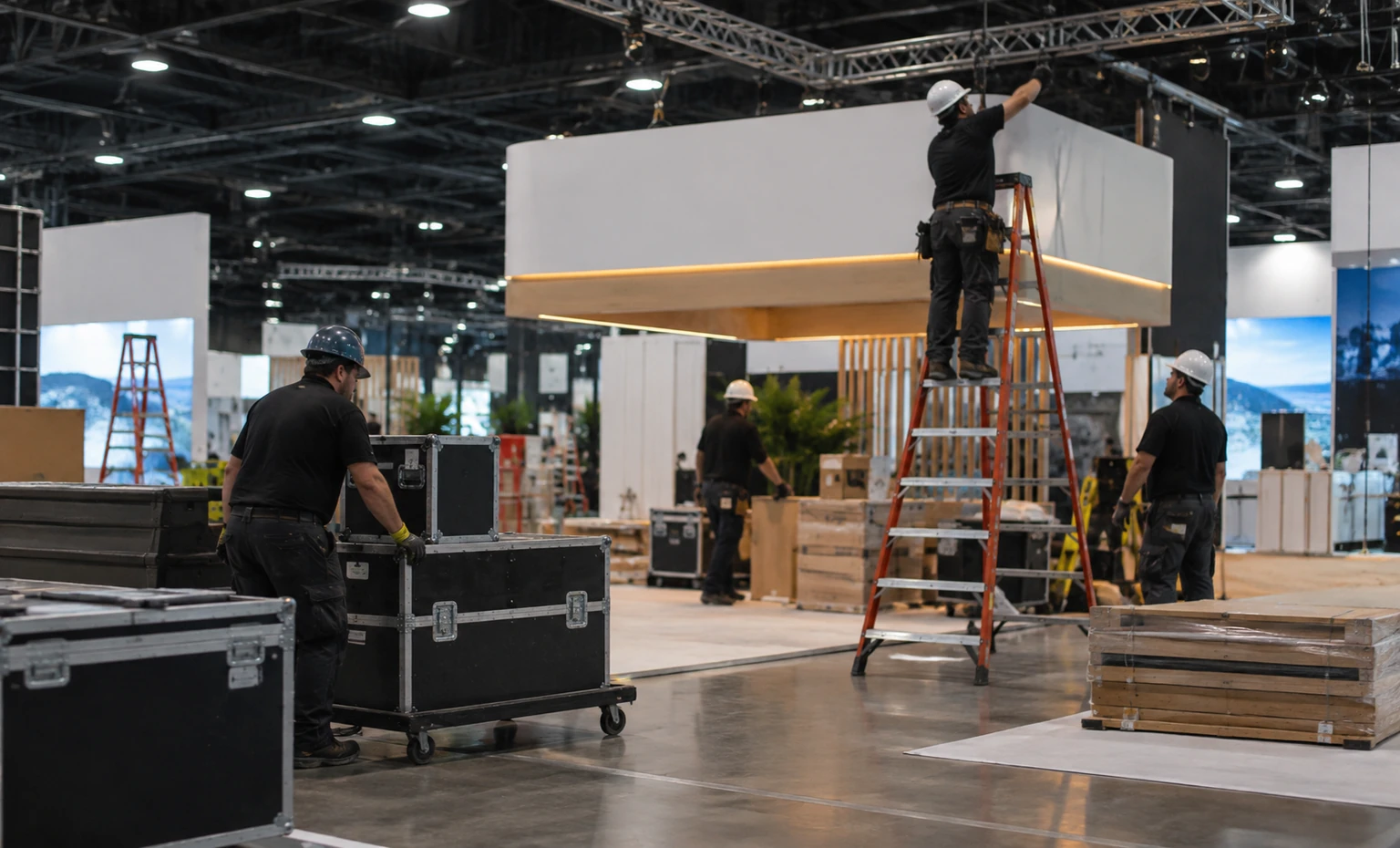
Check the current exhibitor manual for electrical service, internet, audiovisual, catering, shipping, material handling, labor, rigging, cleaning and other controlled services. Provider, order and payment responsibility must be explicit.
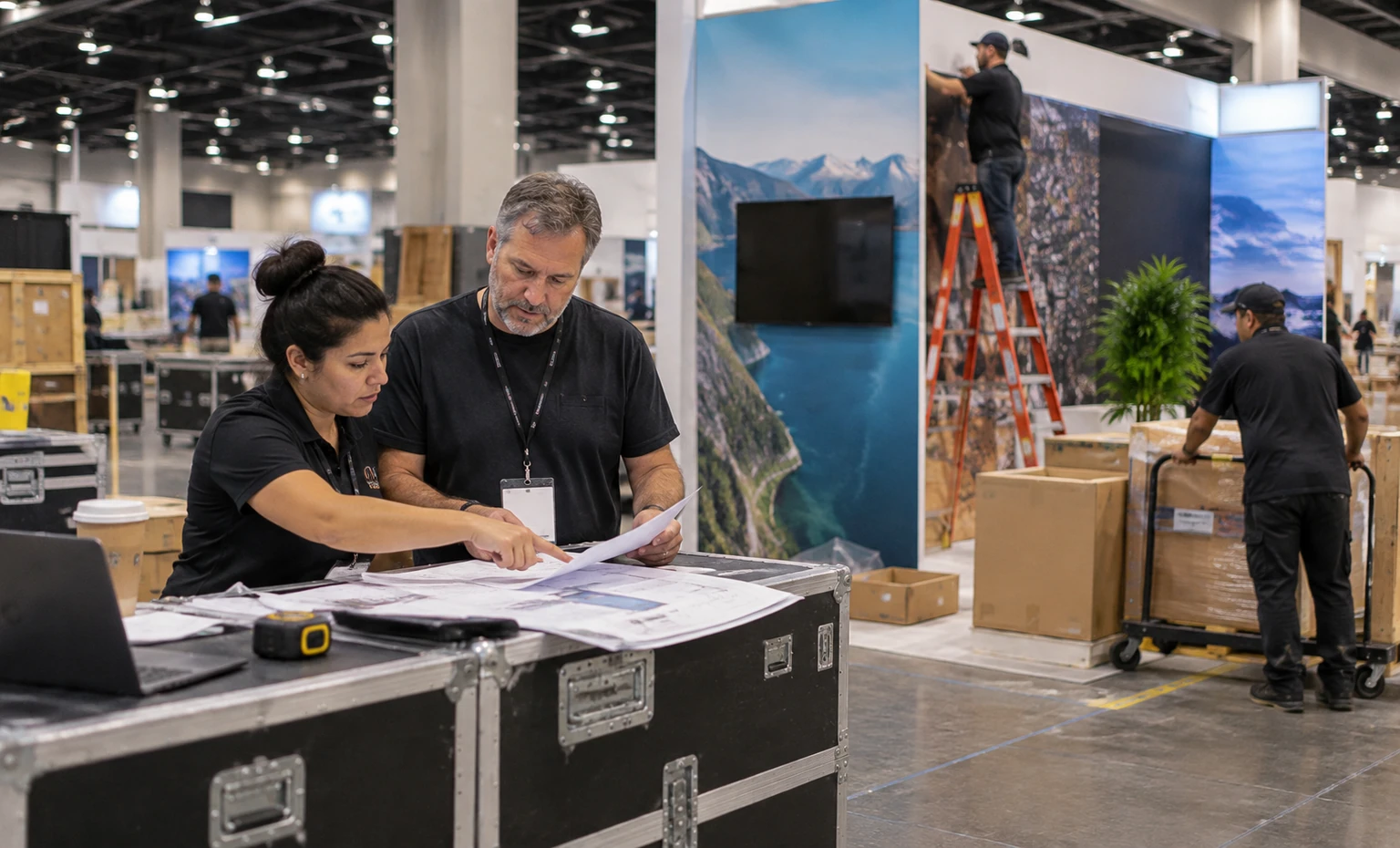
Recheck forms, artwork or approval dates, advance-warehouse or direct-shipping instructions, move-in access and dismantle requirements for the active edition.
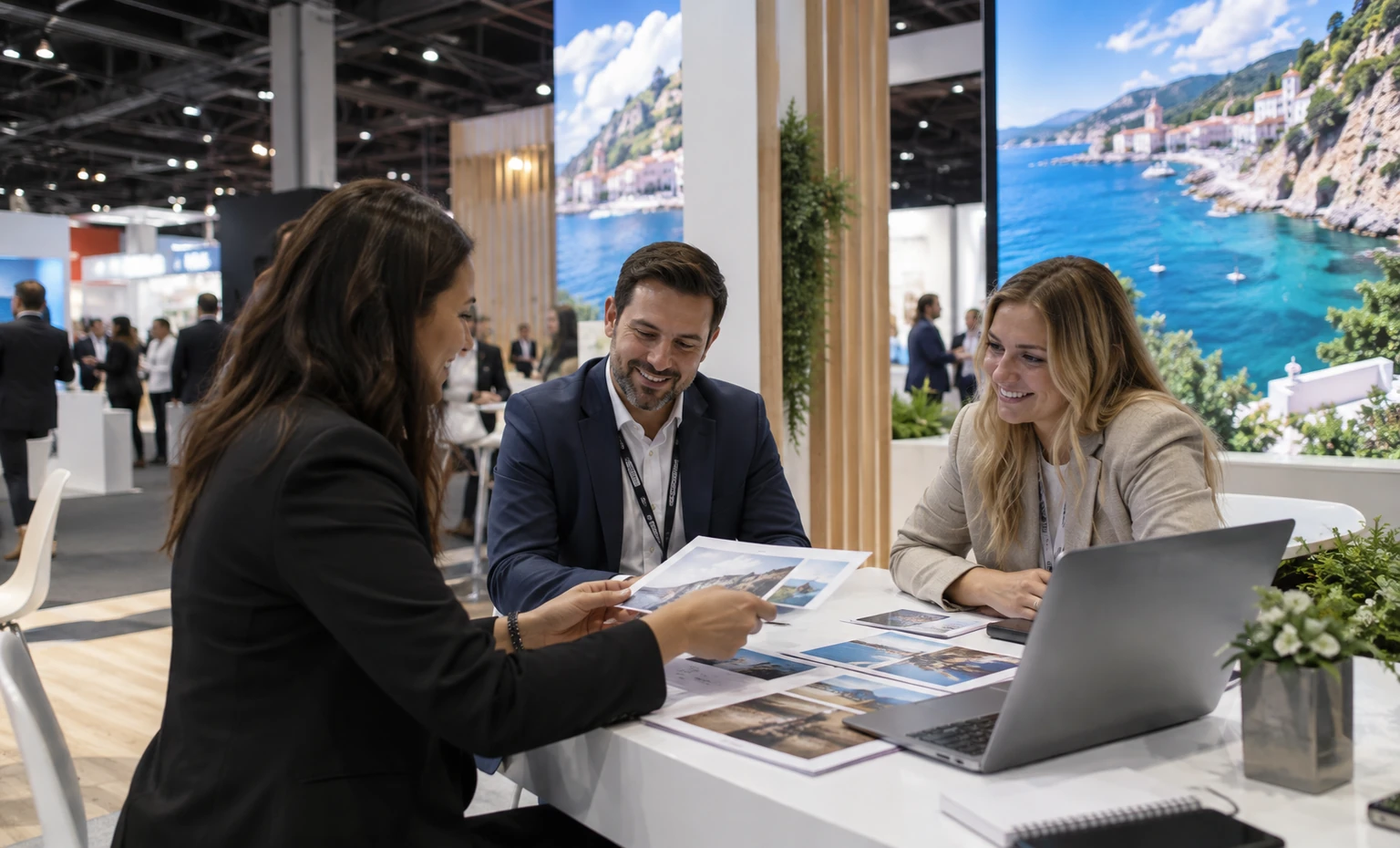
Build the Scope from Your IMEX Assignment and Meeting Calendar
What You Provide: Active edition, exhibitor confirmation, assigned dimensions, booth number when available, open sides, included package and current exhibitor documents.What We Do: Separate organizer participation and controlled services from the rental exhibit work to be quoted.
What You Provide: Target planners, appointment schedule, group sessions, walk-up goals, hosts, booth partners, privacy needs and follow-up outcomes.What We Do: Translate the meeting program into capacity, zones, circulation and handoff requirements.
What You Provide: Approved messages, images, maps, portfolios, screens, devices, presentation files, utilities, storage, hospitality and accessibility needs.What We Do: Connect the real content and equipment to display, service and operating requirements.
What You Provide: Consolidated feedback, budget guidance, requested project support and decisions on open items.What We Do: Revise the layout and identify included exhibit elements, assumptions, exclusions and external service interfaces.
What You Provide: Approved artwork and content, accepted scope, organizer approvals, service orders, shipping details and onsite contacts.What We Do: Release only the quoted work after the required information and responsibilities are resolved.
No. IMEX administers exhibitor participation, space assignments and its current packages. King prices the exhibit components and support specifically named in the accepted proposal.
Yes, when you provide the footprint, hosts, meeting formats, expected group sizes, privacy needs and schedule assumptions before design release. King can map seats, arrival, circulation, screens and presentation areas into the proposed layout; the organizer controls the meeting system and appointment program.
It depends on the current exhibitor agreement and booth-partner requirements. Send the approved partner list, brand hierarchy, appointment ownership, shared message and individual display needs. The plan can then assign practical zones and common circulation without implying that King approves partner participation.
Yes, subject to the assigned footprint, current show rules, accessibility, egress, structure and the accepted scope. State the required privacy, meeting size, screen or document use and whether a semi-private condition would meet the business need before choosing full-height enclosure.
Yes, when the equipment and activity can be approved and scoped. Provide audience size, presenter position, duration, sound, screens, devices, power, internet, cable routes, heat, storage and reset steps. Official or exclusive services still follow the current manual and orders.
Only if the accepted proposal expressly says so. These services may be controlled by IMEX, the venue or official suppliers. King can identify booth-facing requirements and include agreed coordination work, but the responsible party, provider, order, approval and charge must be confirmed in writing.
The assigned footprint, structure, graphics, lighting, furniture, meeting rooms, partner zones, presentation or demo equipment, storage, freight route, installation, dismantling and requested coordination all affect scope. Evaluate show space and controlled-service charges outside this exhibit figure.
Send the active edition, assigned space, exhibitor documents, appointment plan, target planners, host and partner list, approved story and assets, presentation or demo needs, storage, utilities, budget and requested project support. King will use that brief to prepare a 3D exhibit direction and itemized proposal for review.