


Make the attraction, game, food, technology or design service recognizable from the aisle without relying on a long explanation.

Choose one action that helps an operator judge the product: sit, play, scan, control, compare, taste, view or move through it.

Reveal capacity, footprint, staffing, service access, installation, maintenance or system interfaces at the point where the buyer asks.

Give qualified prospects a place to discuss venue, concept, budget, schedule and next-step information away from the participation line.
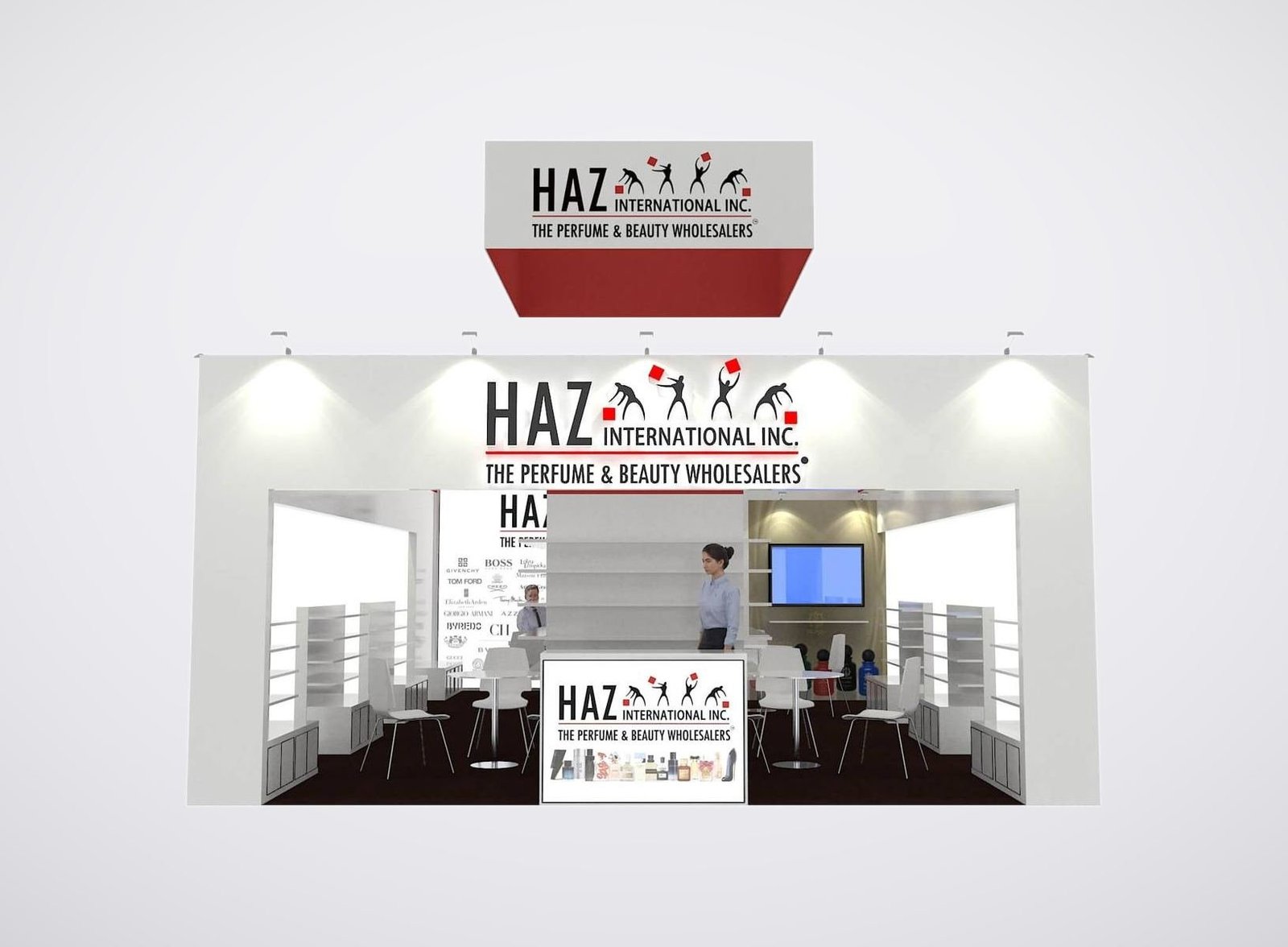
Choose the Display Method by How Buyers Evaluate the Attraction
Full or Partial Physical Product
Bring the complete game, play product, food unit or compact attraction when it can operate within the approved space. Large rides and water attractions may be better represented by a vehicle, seat, restraint, control, slide section, material sample or moving component. The booth should protect access to the detail that makes the product credible.
Guided Guest Experience
VR, simulators, redemption games, access systems and interactive products need a start point, participation position and exit. Staff must be able to reset the experience without crossing the waiting line. Screens can show the larger attraction, but the physical interaction should remain the reason to stop.
Project Presentation and Technical Review
Design firms, operators, suppliers and technology companies may sell through plans, models, media and consultations. Give the visitor a quick project filter first—attraction type, venue, guest group or operating problem—then move serious prospects to a table where drawings, integrations and commercial requirements can be discussed.
An IAAPA Exhibit Rental Designed for Attraction Buyers
An attractions buyer rarely chooses on appearance alone. Park and venue owners need to know whether the product fits their guests, site and investment plan. Operators look at capacity, staffing, uptime, cleaning and maintenance. Designers and engineers ask about dimensions, utilities, structure and integration. A strong IAAPA booth gives each person a useful way into the same product without turning the exhibit into a crowded playground.
King Exhibits plans the product, participant, spectator, staff and project-meeting areas before selecting the rental architecture. Walls, towers, lightboxes, flooring, counters, displays, screens, storage and furniture are then used to support that operating plan. The result is an IAAPA booth design that sells the attraction while preserving the space needed to run it.
Confirmed product dimensions can continue into selected custom platforms, supports, access openings or demo counters when quoted. Graphics and media can explain the full installation, guest journey or operator controls that are not physically present. Packing, freight coordination and installation or dismantling are included only where the proposal assigns them to King.
The current IAAPA exhibitor process controls booth-layout submissions, participation safety information, height, aisle activity, effects, food sampling, utilities, handling and other event services. We use those requirements as design inputs while the exhibitor and authorized providers retain their assigned approvals and technical work.
Sell the Part of the Attraction Business Your Product Improves
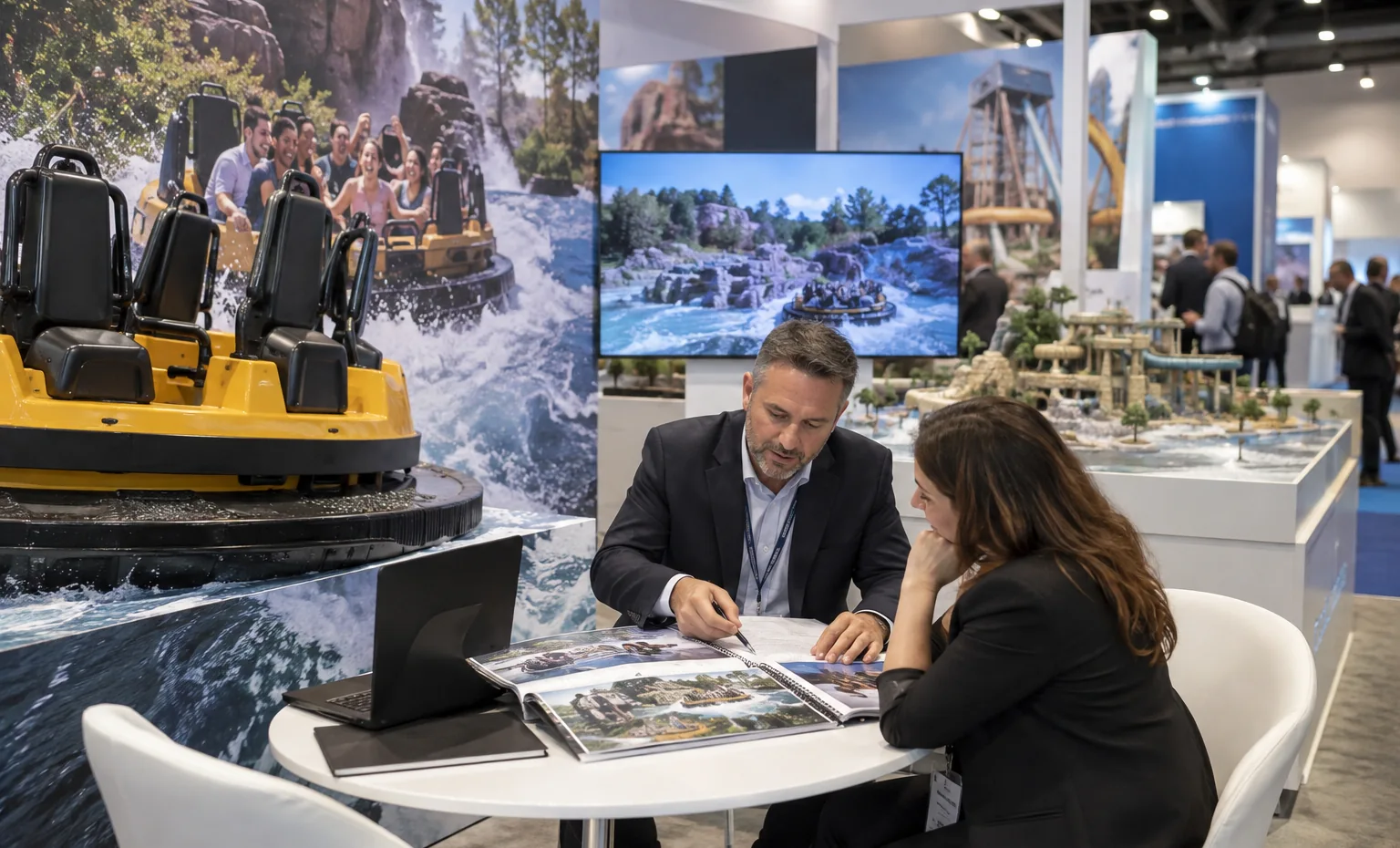
Use a vehicle, seat, restraint, control station, model, material or media sequence to make the full experience believable at booth scale. Buyers should quickly see the intended guest, attraction type and physical setting, then reach the installation, capacity, service and project information needed for a serious review.
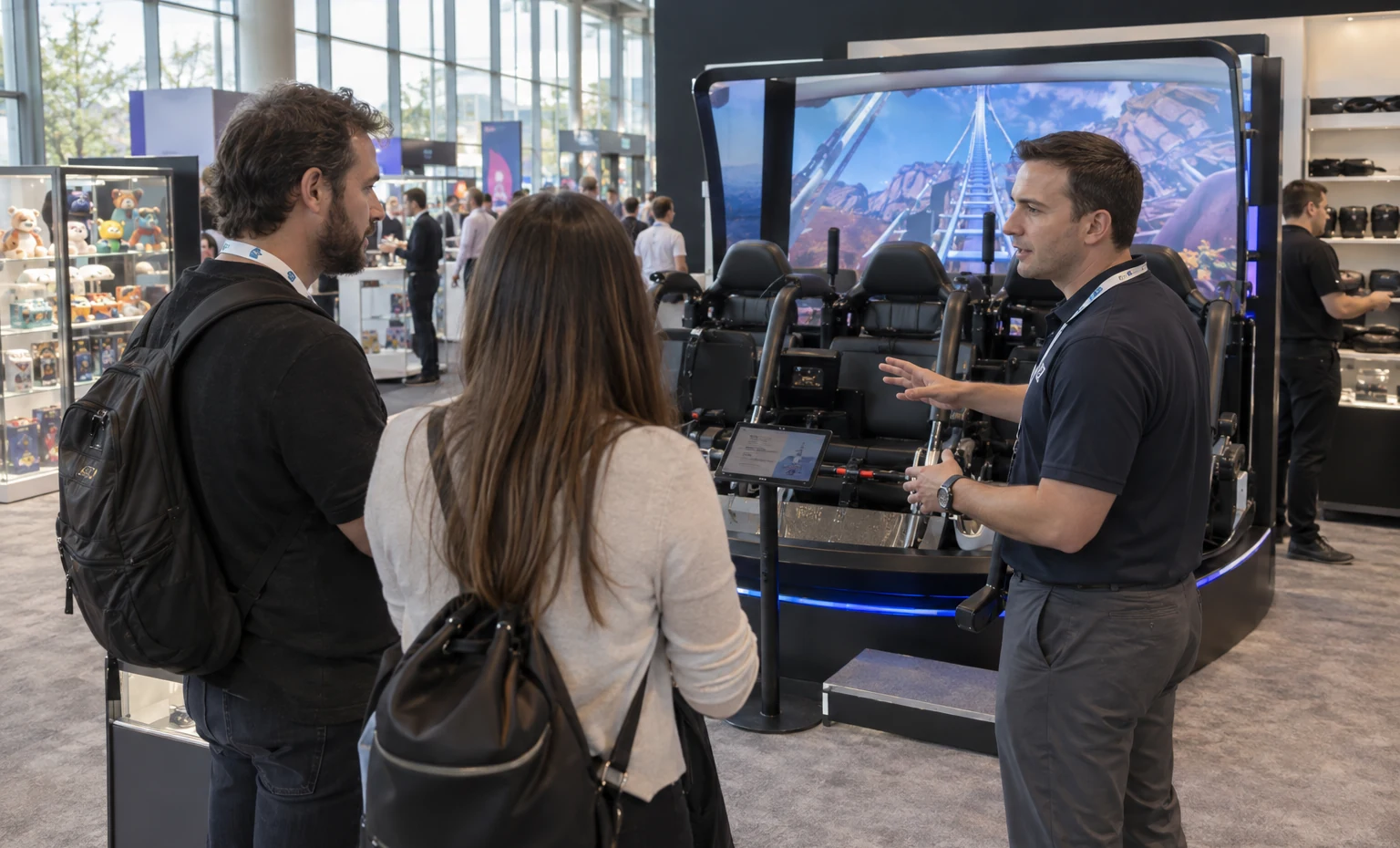
Let the product create energy, but decide how many people can participate and watch at one time. Redemption, scoring, throughput, reset, cleaning and attendant tasks can be shown beside the guest action. Product storage and prizes belong behind the operating station, not in the visitor route.
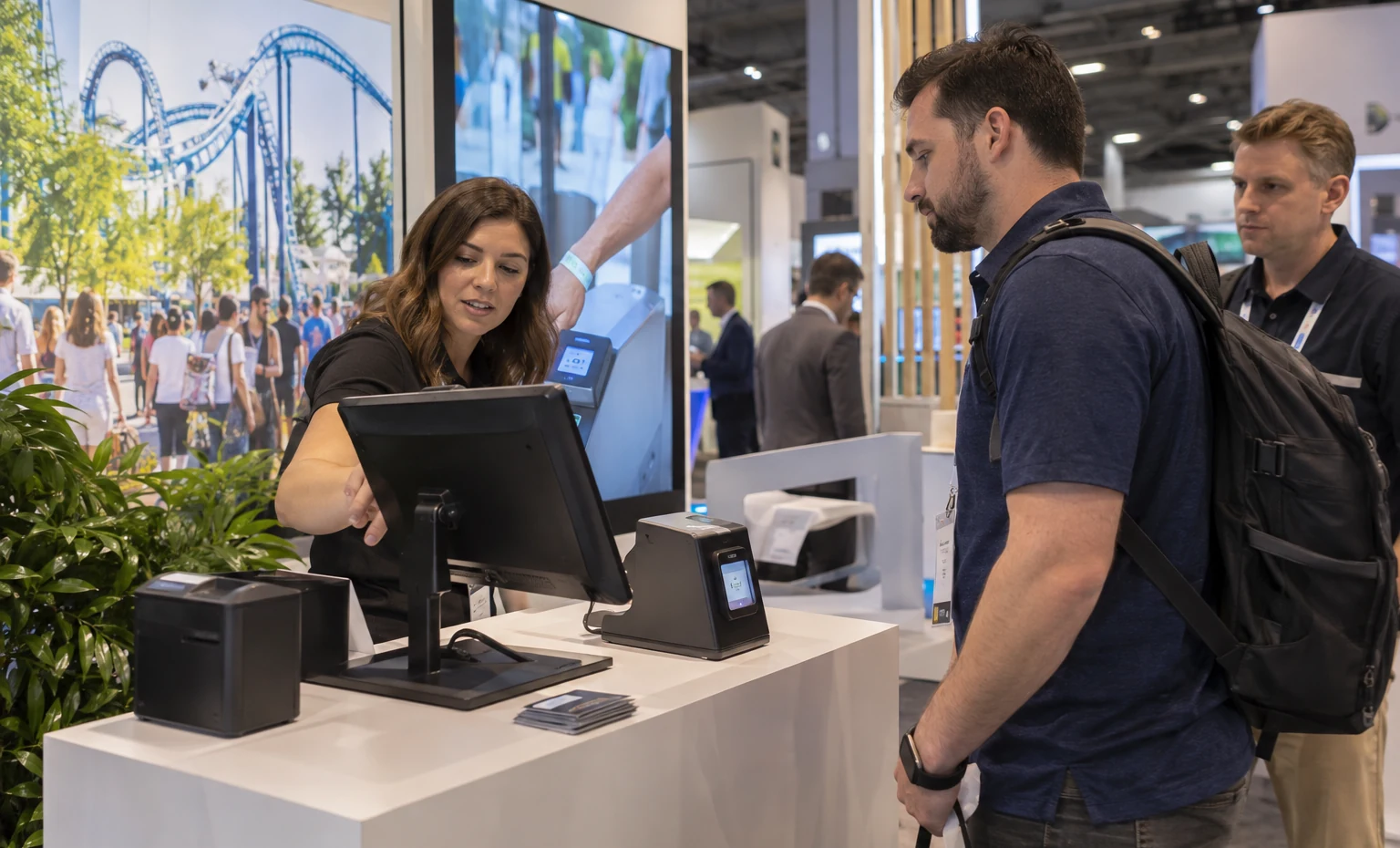
Build the demo around a real guest moment such as purchase, entry, queue, wayfinding, photo capture or loyalty use. A reader, wristband, kiosk or phone interaction can make software tangible. The follow-up table should support integrations, deployment, data, service and multi-venue questions.
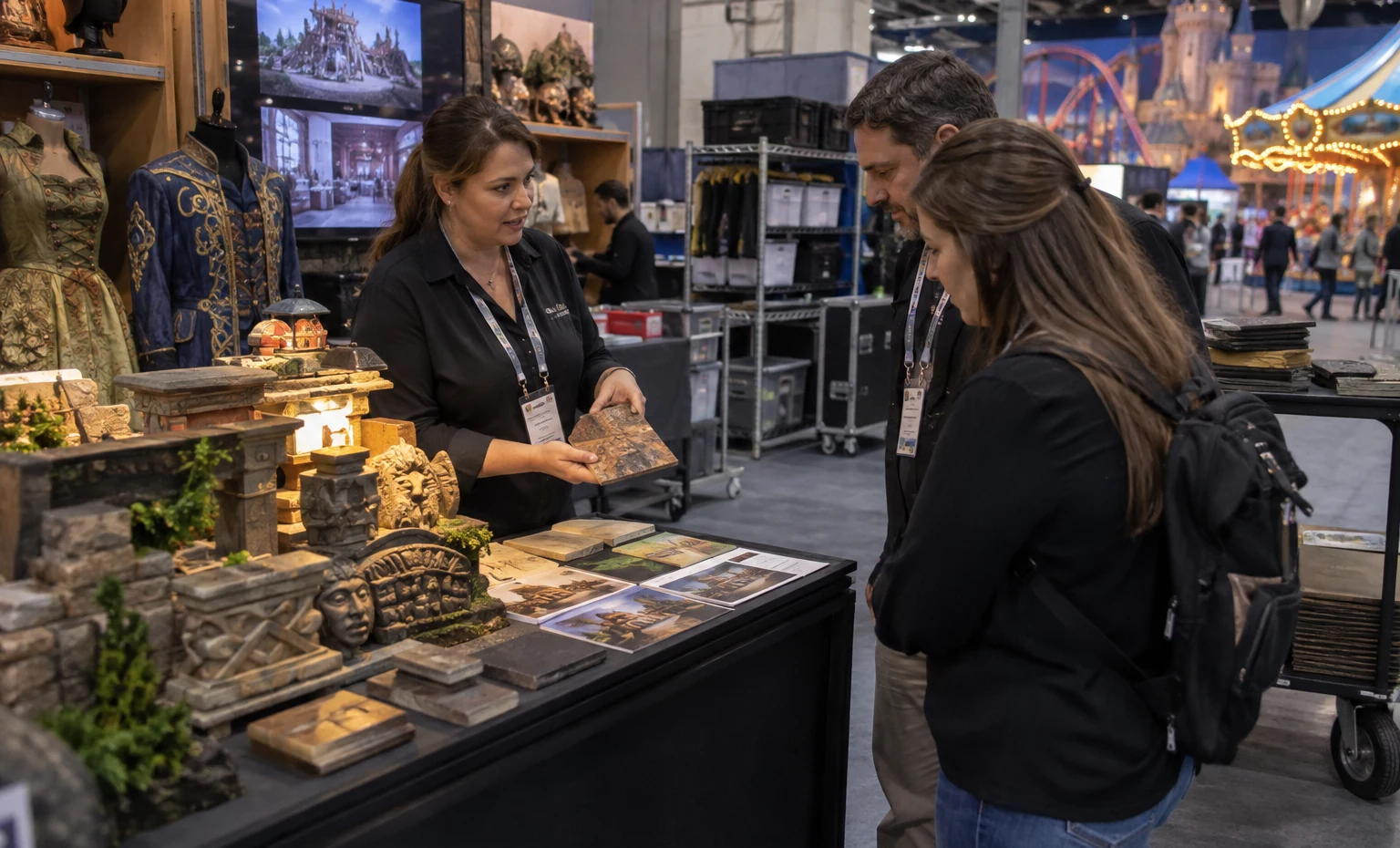
Samples, finishes, costumes, models and before-and-after media need a clear application. Show where the offer appears in the guest experience and what the operator gains from it. Preparation, waste, storage, ventilation, power, water or sampling needs must be identified before finishes and hospitality are added.
Keep the Participation Line Inside Your Booth
A popular game or simulation can create an aisle problem faster than an empty booth can create a sales problem. Estimate cycle time, participant count and spectator depth before placing reception or furniture. Give people a clear place to wait, watch and leave without crossing the next demonstration. The current IAAPA rules keep activities and resulting crowds within the contracted space, so audience capacity is a design input rather than a show-day staffing decision.


Show the Guest Side and the Operator Side
Excitement attracts attention, but operators buy what they can run. Keep the seat, game, control, kiosk or sample visible from the guest viewpoint, then give qualified buyers access to staffing, reset, cleaning, service and installation details. A screen or cutaway can explain the back-of-house system without interrupting participation. King Exhibits can position both views in the 3D plan so the product experience leads naturally into an operating discussion.
Turn a Short Experience into a Real Project Discussion
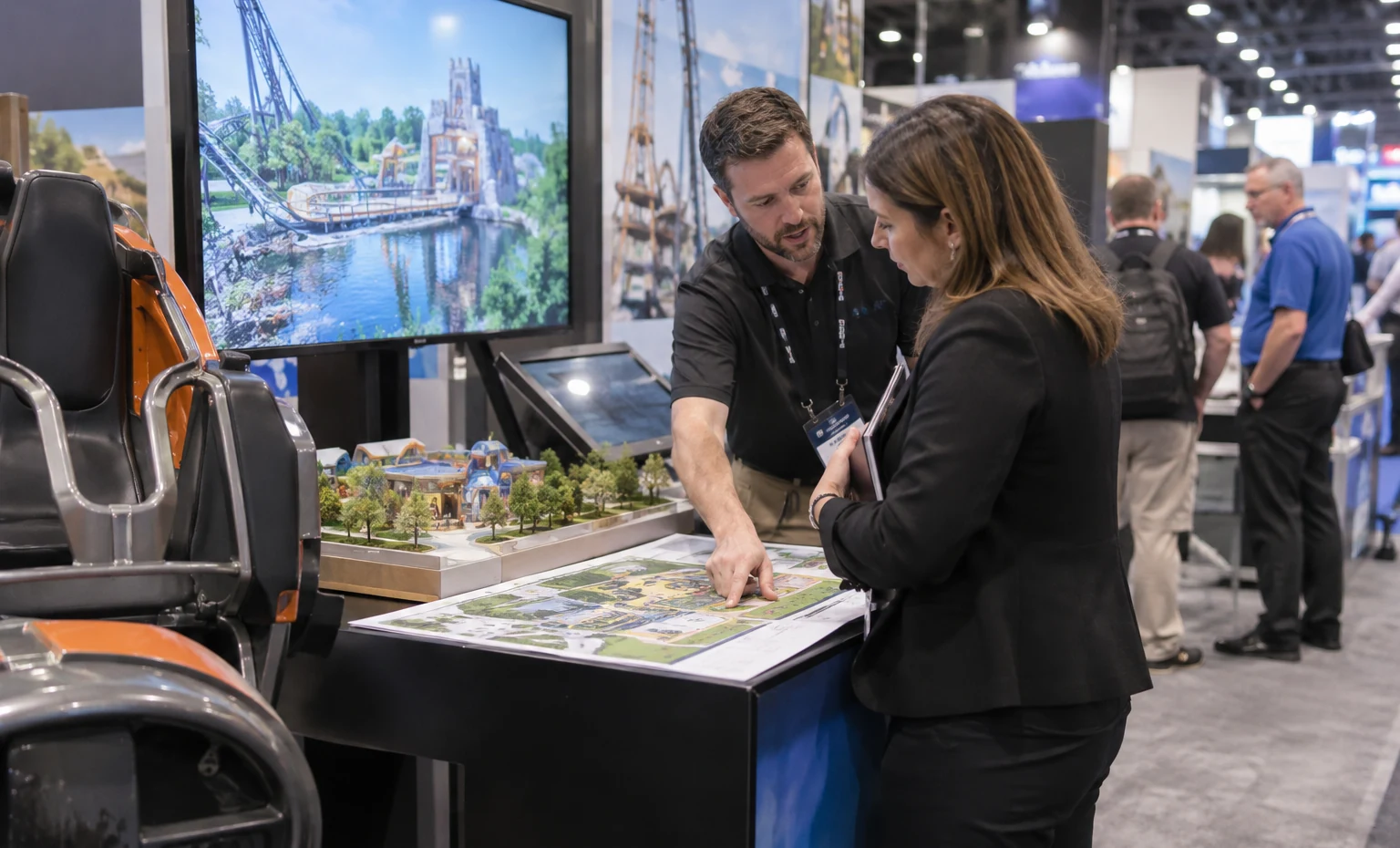
The booth cannot recreate an entire park installation, but it can prepare the next conversation. Place a model, plan, screen or technical table close to the product so staff can move from the guest experience to site, capacity, utilities, installation, service and schedule. Filter casual participation from qualified project interest without making visitors feel interrogated. The goal is a useful handoff from “that was fun” to “would this work at our location?”
Design the Experience and the Booth on the Same Floor Plan
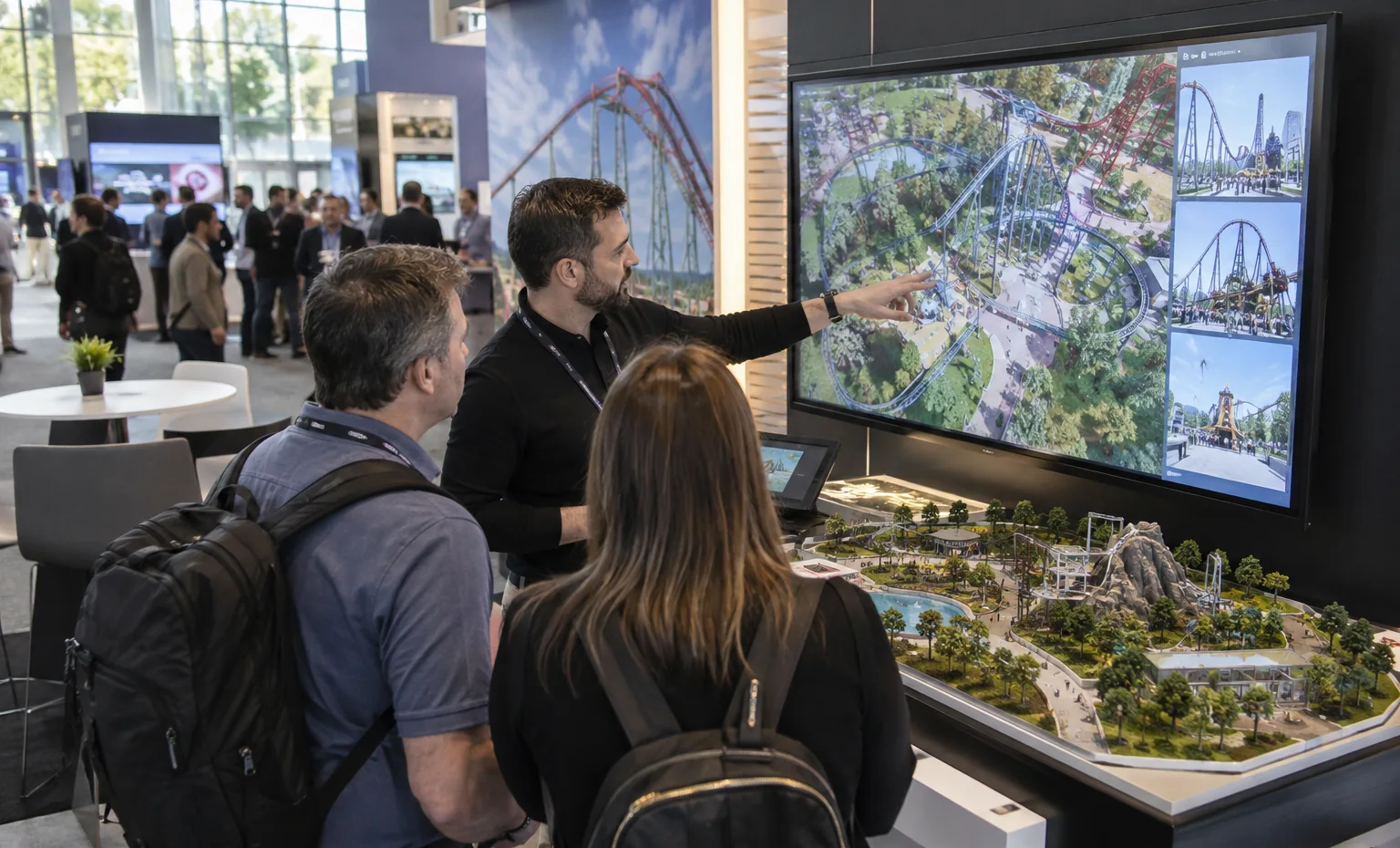
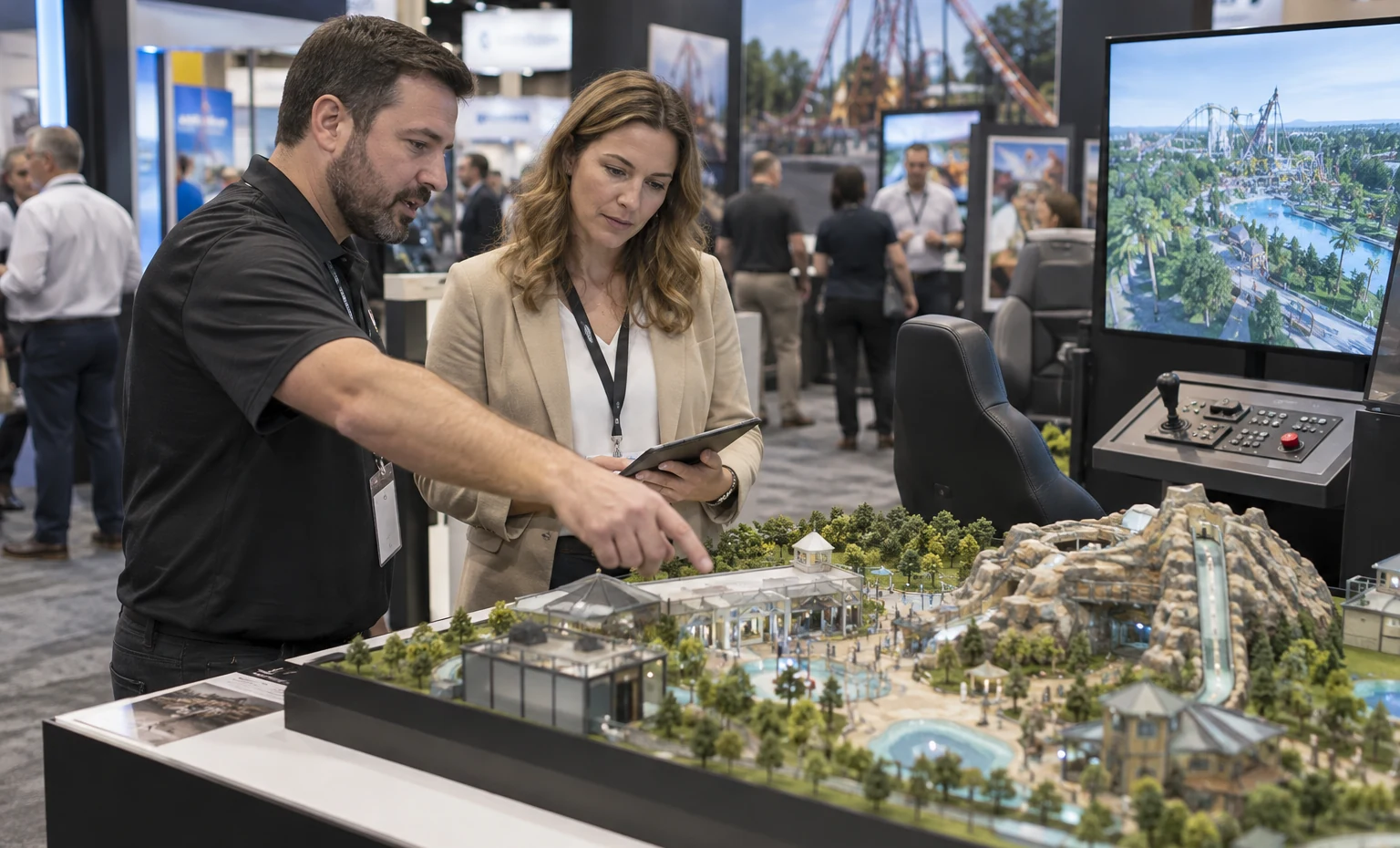
King Exhibits puts the attraction product, operating area, audience, screens, storage and meetings into one 3D direction. That lets the product team check the experience, the sales team check the conversation route and the event team check whether participants and spectators stay within the purchased space. The rental booth is selected around those decisions instead of forcing the attraction into a finished shell.
Our CNC and wood-fabrication capabilities can support quoted platforms, surrounds, product supports, access panels and counters based on confirmed product data. Custom graphics and lightboxes can carry the theme beyond the physical sample, while screens show the full installation or guest sequence. When staging is part of the project, identified pieces and approved positions provide a more useful setup reference than a rendering alone.
The commercial proposal names the rental components, graphics, selected custom work and requested logistics or floor services assigned to King. Ride or product operation, engineering, approvals, official orders and other technical responsibilities remain visible with their owners. That gives the client a booth purchase that can be reviewed by marketing, product, operations and procurement before show week.
Plan the IAAPA Booth from the Guest Experience Outward
What You Provide: Target venues and decision-makers, the product, the guest action, approved claims and the business conversation you want afterward.
What We Do: We identify the physical or digital moment that should earn attention and the information needed to qualify a real project.
What You Provide: Product drawings, weight, movement, participant cycle, queue, spectator count, controls, staff, access, utilities, effects, cleaning and reset needs.
What We Do: We reserve the full operating footprint and review where barriers, viewing edges, entry and exit belong.
What You Provide: Booth assignment, open sides, graphics, screens, storage, meetings, freight plan, schedule and current exhibitor requirements.
What We Do: We create the 3D direction, select the rental and custom elements, and show the King-supplied work in the proposal.
What You Provide: Approved design and artwork, accepted quote, completed organizer submissions, technical providers, carrier information and onsite product authority.
What We Do: We prepare the quoted booth assets and agreed logistics or installation work to meet the approved product and show plan.
Possibly. The answer depends on the product, participation method and current IAAPA requirements. Provide product dimensions, movement, controls, barriers, participant and spectator numbers, staffing, utilities, effects, cleaning and emergency stop information. We can design the rental exhibit around an approved experience; the organizer and authorized technical parties decide permissions and operating conditions.
Start with the full operating area, then add participant entry, waiting, spectators, staff, reset and exit. Do not calculate from the machine footprint alone. Cycle time and expected audience size may make the queue larger than the attraction. Share those assumptions with the booth assignment so they can be tested in the 3D plan.
Use the part that gives the buyer the strongest physical evidence: a vehicle, seat, restraint, control, material, water-play element, game mechanism, model or sample. Add media that shows the full installation and a project table for dimensions, capacity, utilities, installation and service. The display should make clear what is physically present and what the media represents.
The current exhibitor manual determines the required forms for the assigned booth and activity. IAAPA’s published process includes a booth-layout form and participation-safety information for applicable demonstrations. Confirm the current edition, deadlines and supporting documents before design release; a previous year’s approval does not carry forward automatically.
Footprint, booth type, height, rental structure, custom surrounds or supports, graphics, screens, lighting, flooring, storage, meetings, freight and installation shape the King proposal. Working products may also require separately ordered handling, power, air, water, drainage, internet, rigging, safety measures, food service or other official support.
Installation and dismantling can be included when the accepted proposal assigns that work to King. The current IAAPA manual and official contractor rules determine access, labor, material handling and controlled services. The project scope should identify who owns product setup, testing, official orders, exhibit installation and outbound release before move-in.
Send the show edition, hall and space, open sides, attraction product, target buyers, drawings and dimensions, operating or participation method, audience plan, utilities, effects, graphics, screens, storage, meetings, freight schedule and the work you want King to quote.
Compare Booth Sizes for Attraction Demos and Project Meetings
-

Suitable for one compact game, guest-technology workflow, material display or guided service presentation with limited participation.
-
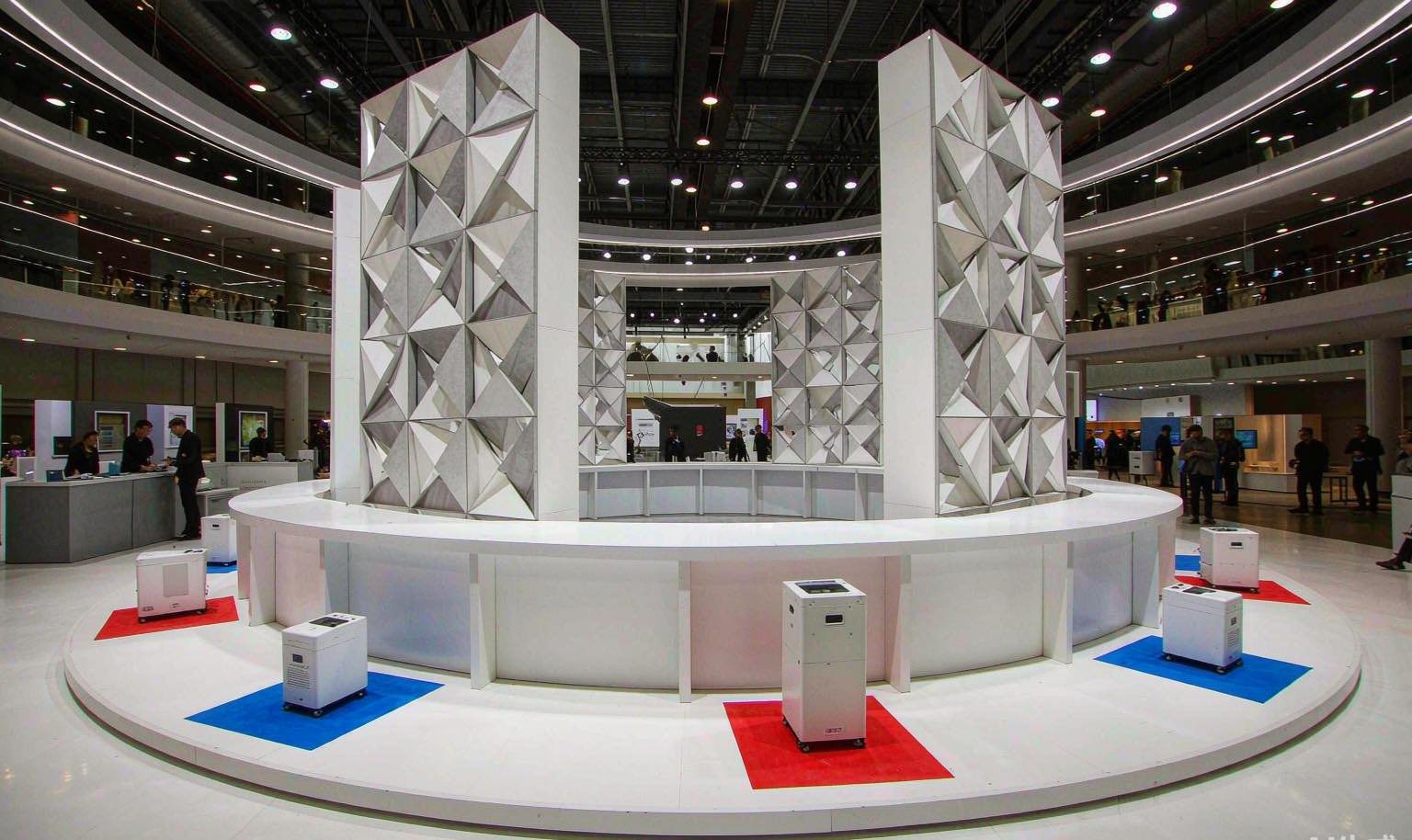
An island footprint with more open viewing sides for a compact attraction, several demo stations or a product experience plus meetings.
-
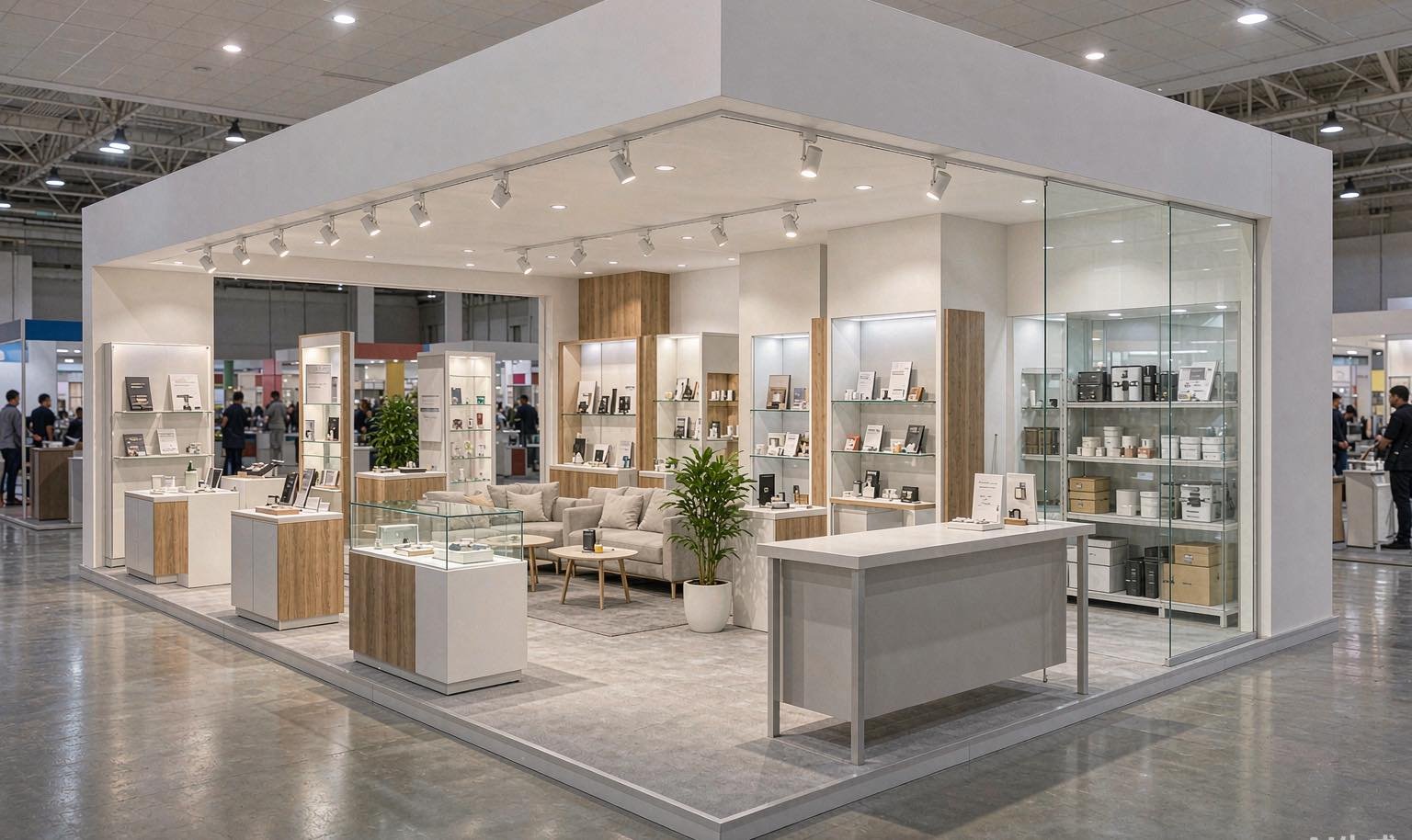
More room to separate a working product, participants, spectators, storage, staff support and qualified project discussions.