
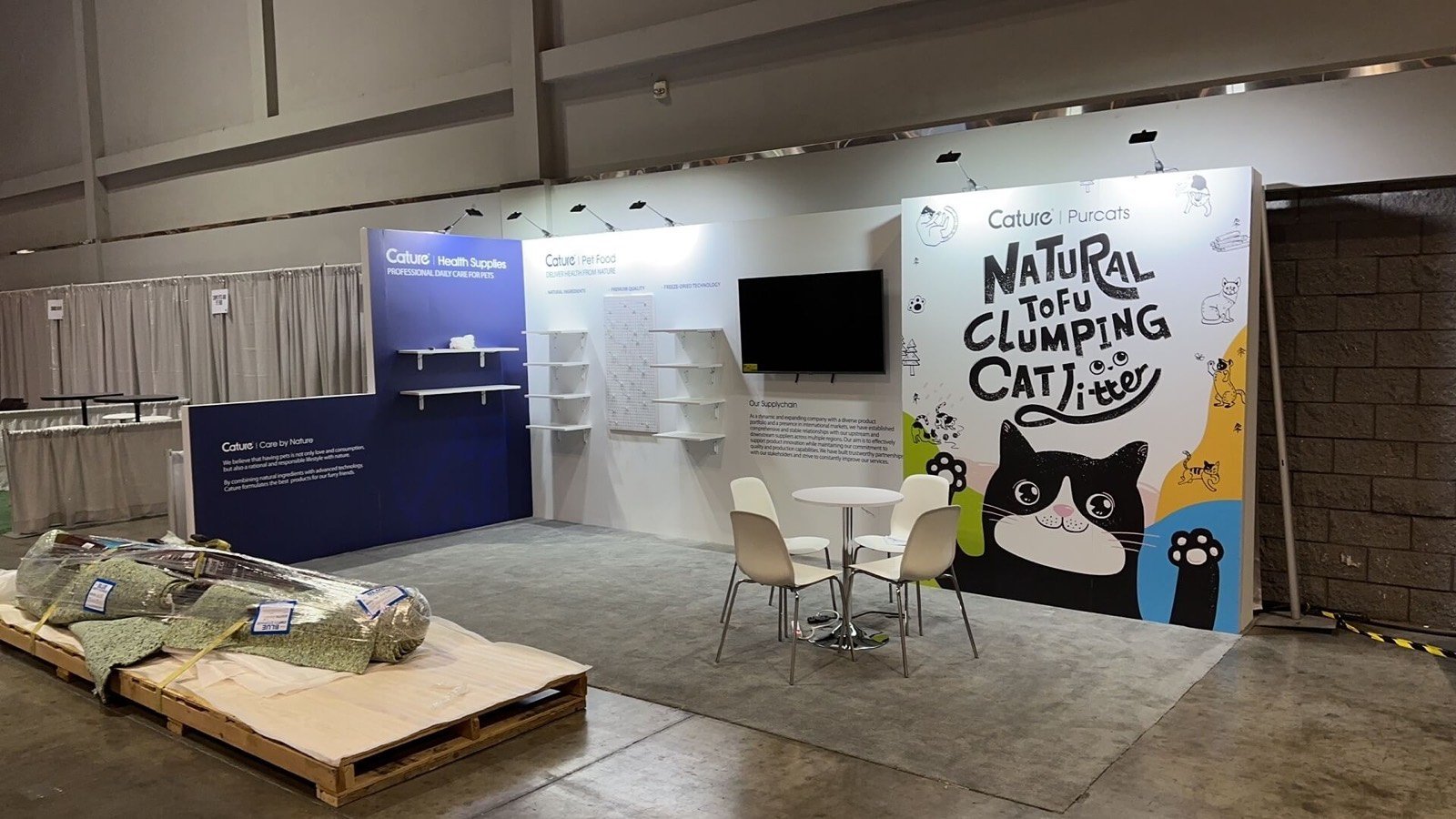


Choose the Pet Exhibit by the Buying Task
New-Product LaunchUse one recognizable hero presentation, concise benefit proof and a transition into the broader category. Align the physical booth with the official digital listing.Retail Assortment ReviewShow enough SKUs to explain good-better-best, flavors, sizes or species applications. Keep sell sheets and commercial details at the buyer table.Product Trial or SamplingCreate a controlled pickup, use and return path with staff access to clean stock, replenishment supplies and waste handling.Live-Animal ExperienceDesign only after show permission, handler plan, animal space, control, cleanup and OCCC requirements are known. The booth must support welfare and visitor safety.
A Pet Product Booth Built for Sell-In
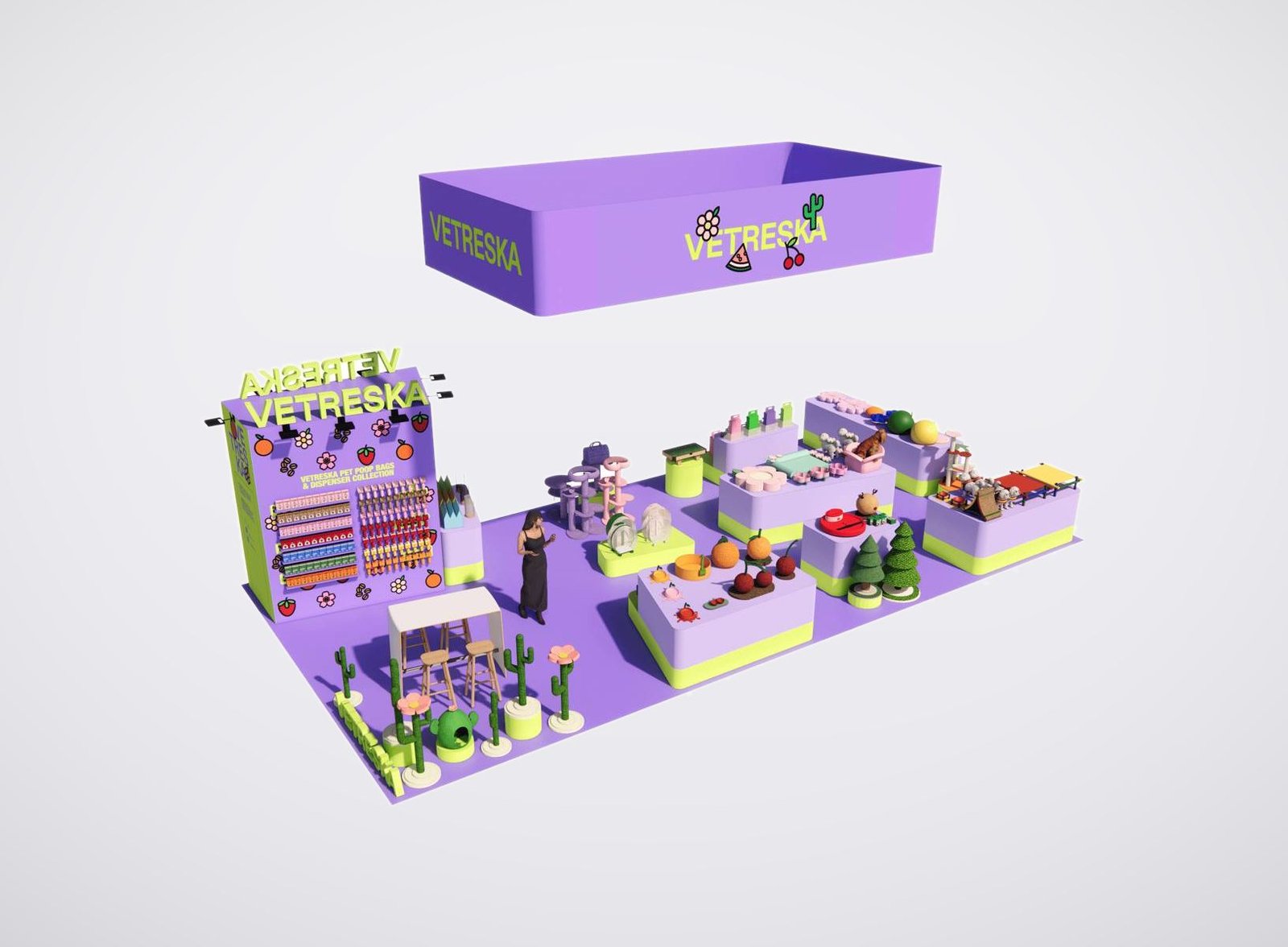
Pet retailers do not evaluate a product in isolation. They consider the consumer problem, package recognition, shelf placement, assortment fit, margin, replenishment and the support behind the launch. A booth full of every available SKU can make those decisions harder by hiding the item the buyer should remember.King Exhibits turns the selected range into rental walls, illuminated graphics, shelves, counters, sample points, storage and buyer seating. The 3D view tests category order, package visibility and staff access before the fixture details are released.The accepted proposal defines King’s design, rental, production, packing, freight-coordination and onsite responsibilities. Product claims, samples, food handling, animal approvals and care, official services and customer inventory remain with the named party unless the quotation specifically includes them.
Present the Range the Way a Buyer Shops It
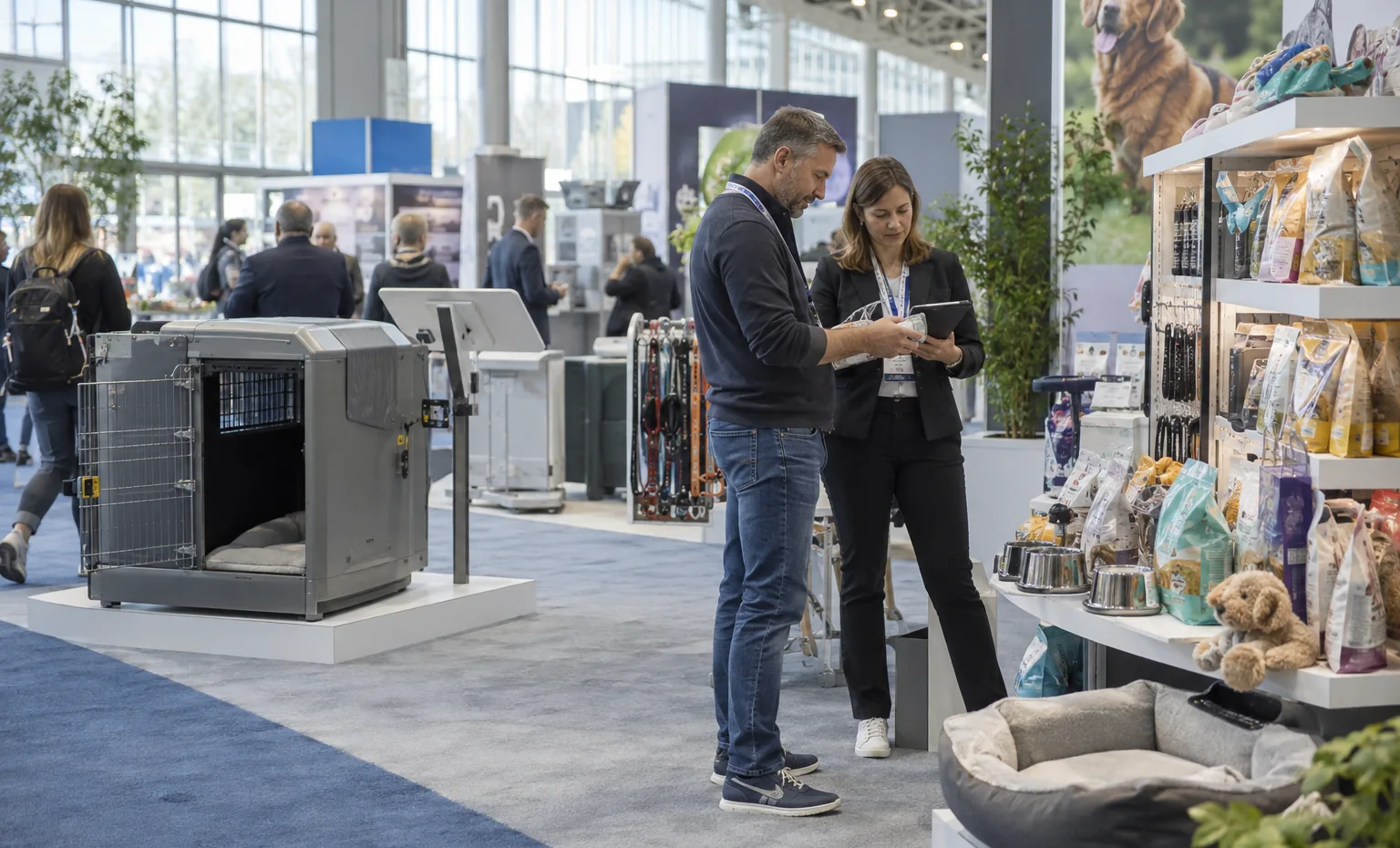
Demonstrate the pet-owner, retailer or veterinary workflow on a reliable device, then provide space for integration and account questions.
Edit the Assortment Before Designing the Shelves
Separate the hero launch, must-stock core, range extensions and products used only to explain breadth. Then decide which packages need front-facing visibility, which require handling and which belong in the line-review set. This prevents the booth from giving every SKU equal weight. The shelf plan can now help a retail buyer understand the category quickly, while back stock and duplicate packages remain available without consuming the main sales view.
Design Around the Animal Care Plan
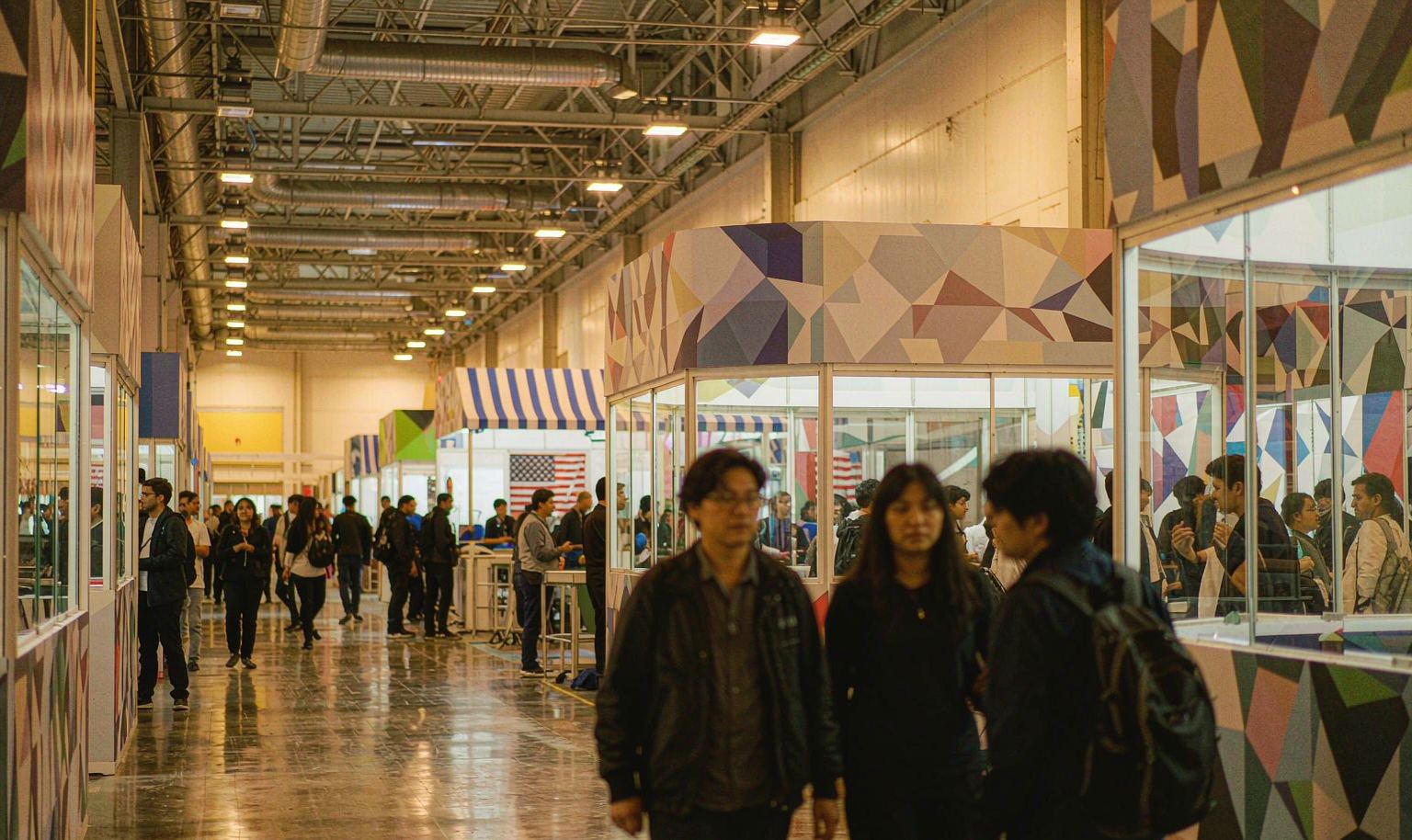
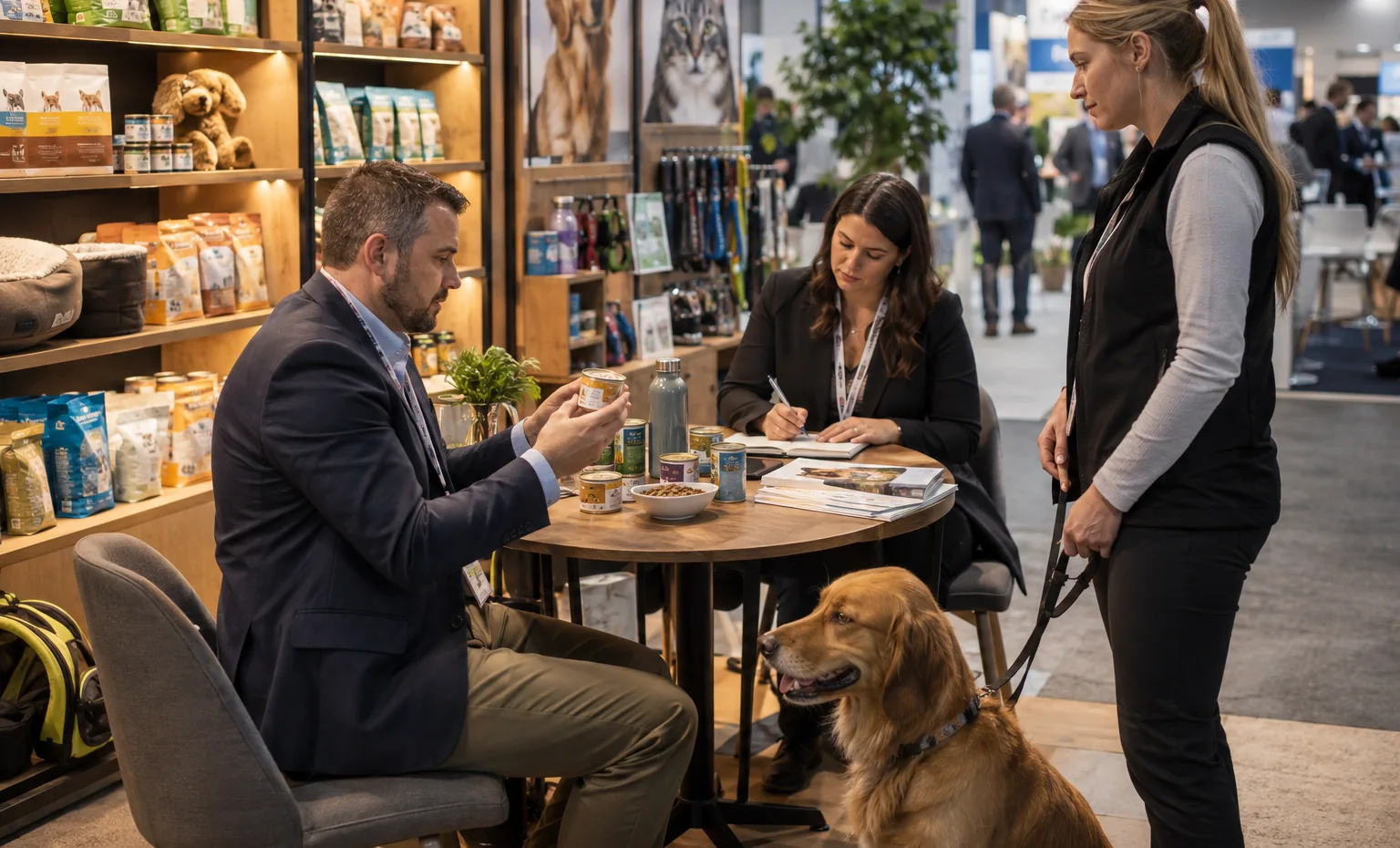
Confirm show approval, species, number of animals, handler, rest periods, water, flooring, boundary and cleanup before treating a pet appearance as a booth attraction. The animal must remain under control and the handler retains responsibility. Keep the experience away from food samples, sharp display edges and congested buyer routes. A quieter retreat or scheduled appearance may serve the animal and the sales program better than continuous floor exposure.
Count Samples by Day, Not by Carton
Estimate hourly trial volume, buyer kits, press requests and the stock held back for important meetings. Define the clean sample, opened product, return and waste path for each item. Staff-side cabinets should separate food, liquids, small valuables and literature. Labelling replenishment by product and day helps the team protect launch inventory through the final show hours instead of exhausting the most important SKU during the first rush.

Carry the SKU Map from Design into Packing
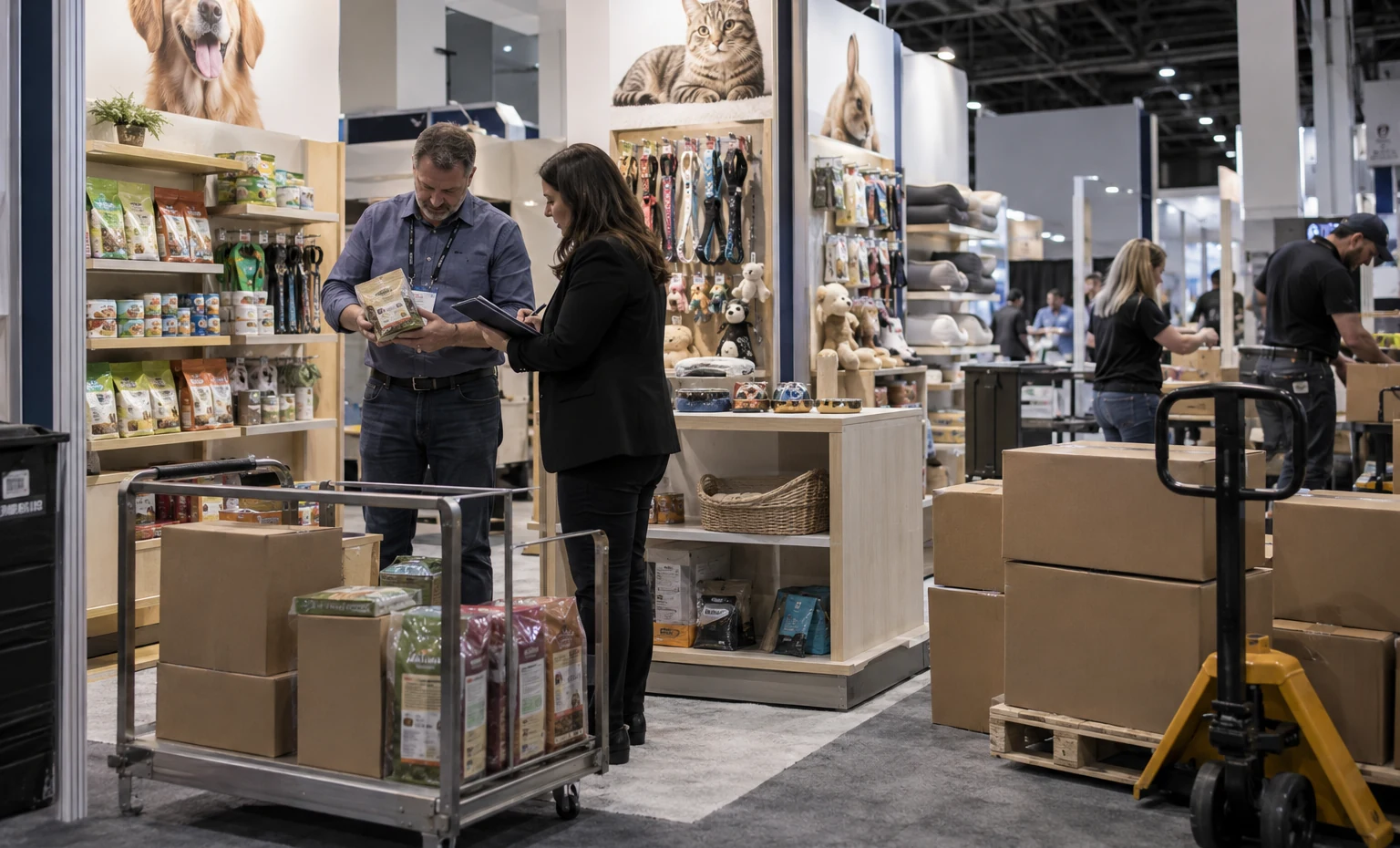
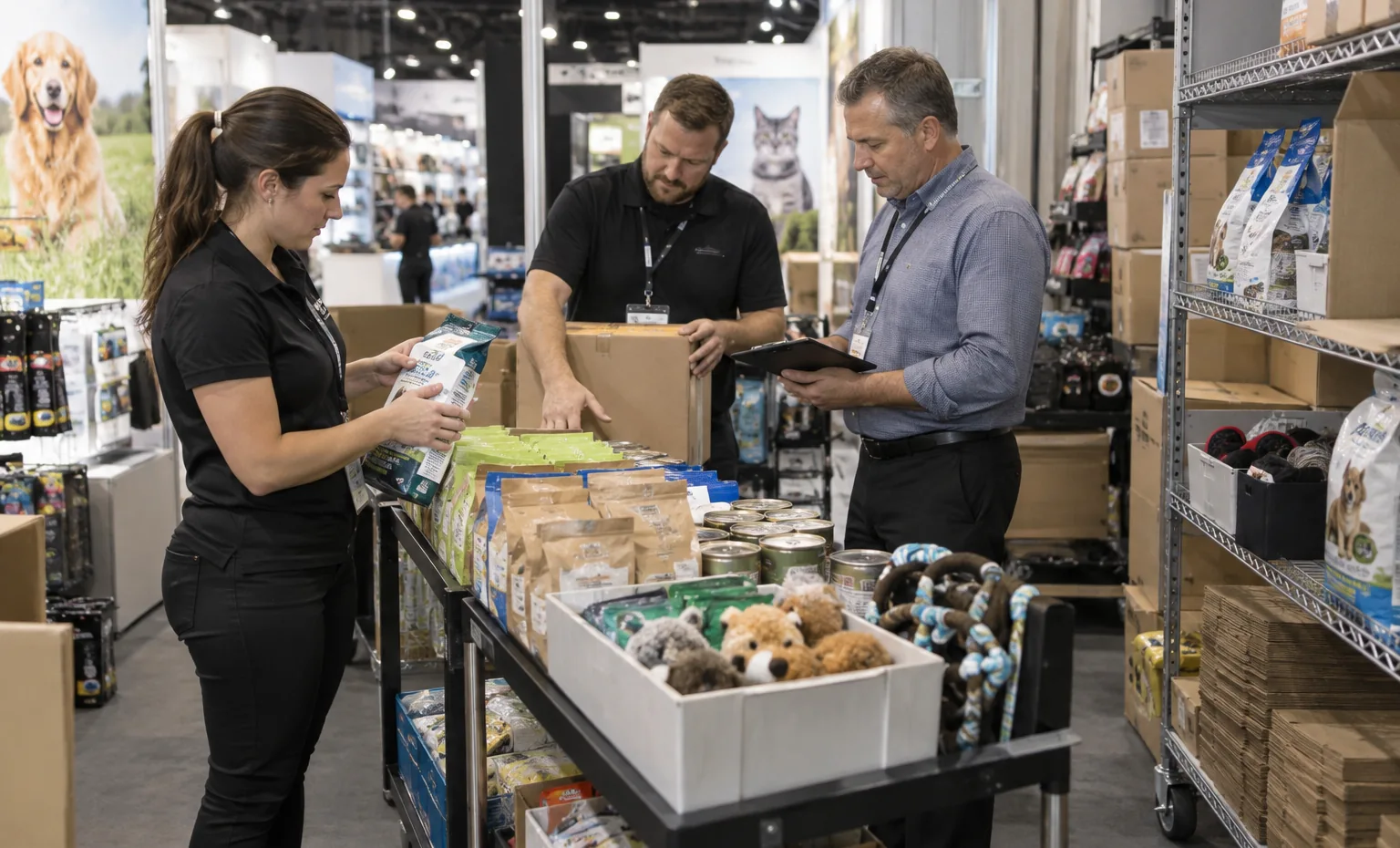
King Exhibits can assign the same product-group names to the 3D layout, shelf details, graphics and packing record. The hero launch, dog-treat core, cat accessory range or technology station therefore stays identifiable as the booth moves from approval into production.Rental components provide the main branded environment. Quoted custom fixtures address package size, bulky products, sample operation or display access. This gives the exhibitor one concrete plan for checking product placement before doors open.
Complete the Global Pet Expo Release Checks

Confirm the 2027 booth number, configuration and specialty section before finalizing traffic, signs and category orientation.
Secure show approval and follow the current Global Pet Expo and OCCC animal requirements. Keep handler and care responsibilities explicit.
Verify product eligibility, food or hygiene needs, visitor containment, equipment state and any required organizer approval.
Use the active Exhibitor Resource Center for targeted freight, material handling, utilities, labor, EAC and service deadlines.

From Product Line to Retail-Buyer Booth
Provide the selected SKUs, launch, samples, displays, animals, meetings, utilities, graphics, freight and scope.
We place discovery, category comparison, trial, line review, storage and staff access around the sales plan.
Review shelves, graphics, product positions, meetings and each party’s responsibility.
Confirm packaging, claims, files, approvals, equipment and official service inputs.
King checks the quoted exhibit elements against the approved merchandising plan.
King performs its accepted scope while product and animal teams manage their assigned activities.
Only with current show approval and compliance with Global Pet Expo and OCCC animal policies. Send the animal and handler plan early so the layout can support control, welfare, cleaning and visitor safety.
Yes. Provide final package dimensions, selected facings, weight, grouping and replenishment needs. Rental structure and quoted custom fixtures can be planned around the approved assortment.
Yes, when the footprint and current rules allow both. Sample operation, stock, hygiene and waste should be separated from the quieter line-review area.
Send the assignment, SKU list, launch priorities, samples or demos, animal activity, meetings, fixtures, utilities, graphics, storage, freight, budget and onsite scope.
Booth Sizes for Pet Products and Line Reviews
-

Works for one focused category, compact merchandising and standing buyer conversations.
-

Supports a broader assortment, sample point, storage and a dedicated retail meeting table.
-

Provides open discovery, several category zones, live or digital experiences and scheduled account meetings.