


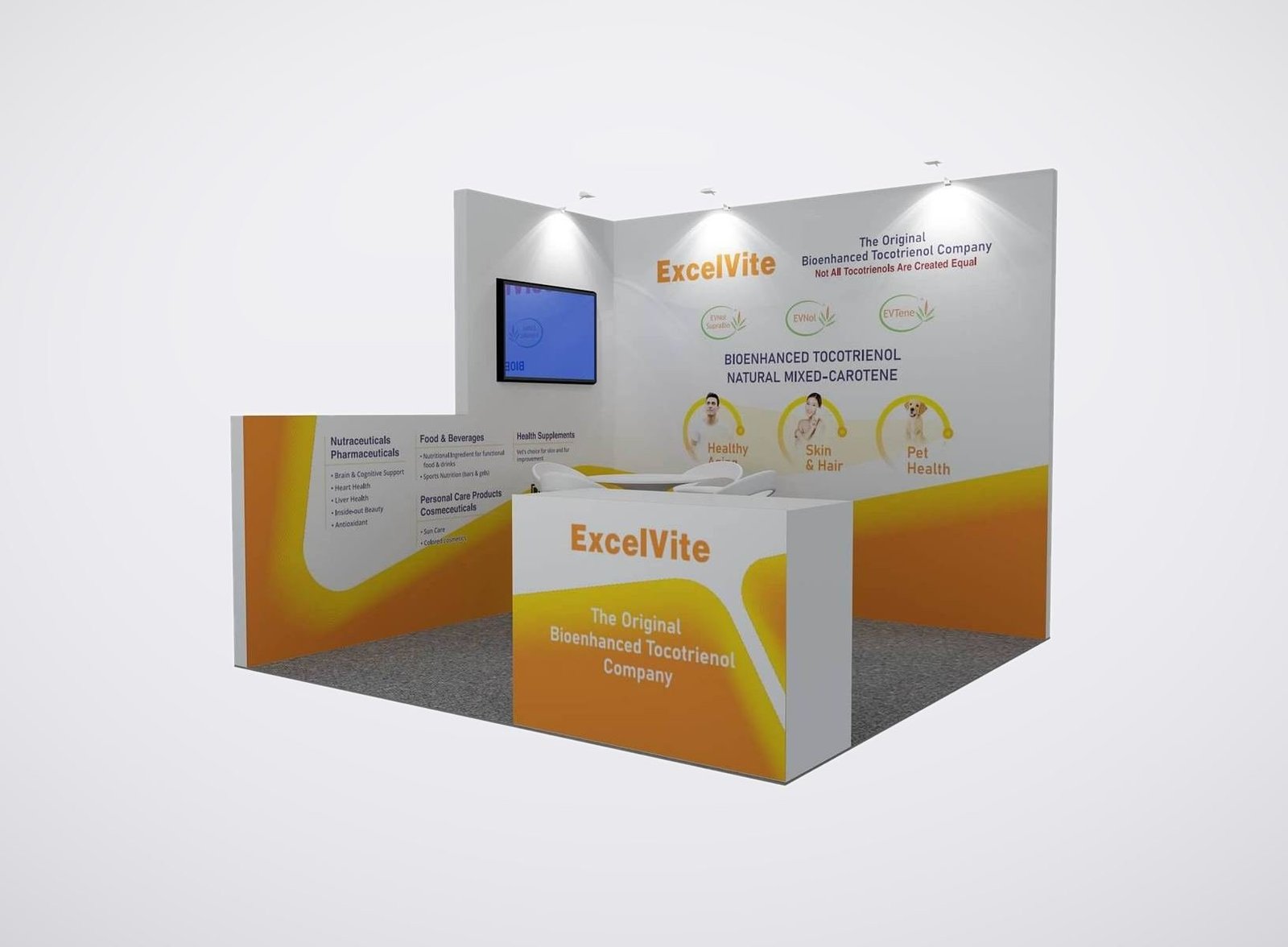
Inputs for a George R. Brown Booth
Send commercial proof and technical dependencies together:
• Event, GRB hall and booth assignmen
• Product dimensions, weight and operating clearances
• Buyer questions and demonstration sequence
• Power, data, plumbing and rigging loads
• Graphics, meetings, storage and staff roles
• Budget, service owners and approval dates
Make the Demonstration a Buyer Promise You Can Deliver
George R. Brown Convention Center supports major exhibits through venue and preferred providers with defined responsibilities for utilities, telecommunications, rigging, cleaning, food and beverage and related services. A technical booth must connect those orders to the product story. King Exhibits identifies the proof a buyer needs, then designs the product position, controls, access, screen support and conversation area around it. Each service dependency receives an owner and required date before production release. The move-in plan follows the order needed to place, connect, test and present the product. Procurement can see the complete operating responsibility, while sales receives a demonstration that starts reliably and explains commercial value before technical detail overwhelms the visitor.
Define the Proof Before Ordering the Services
Write the buyer conclusion first: faster output, safer operation, lower waste, better control, easier maintenance or another measurable business value. Then identify the product action and evidence that support it. King Exhibits uses that sequence to determine viewing distance, screen content, sample handling and staff explanation. Utilities are ordered for a defined demonstration rather than an undefined equipment list. The booth becomes easier to understand, and procurement can challenge any service or custom component that does not contribute to the promised proof.

Build One Dependency Map across Multiple Providers
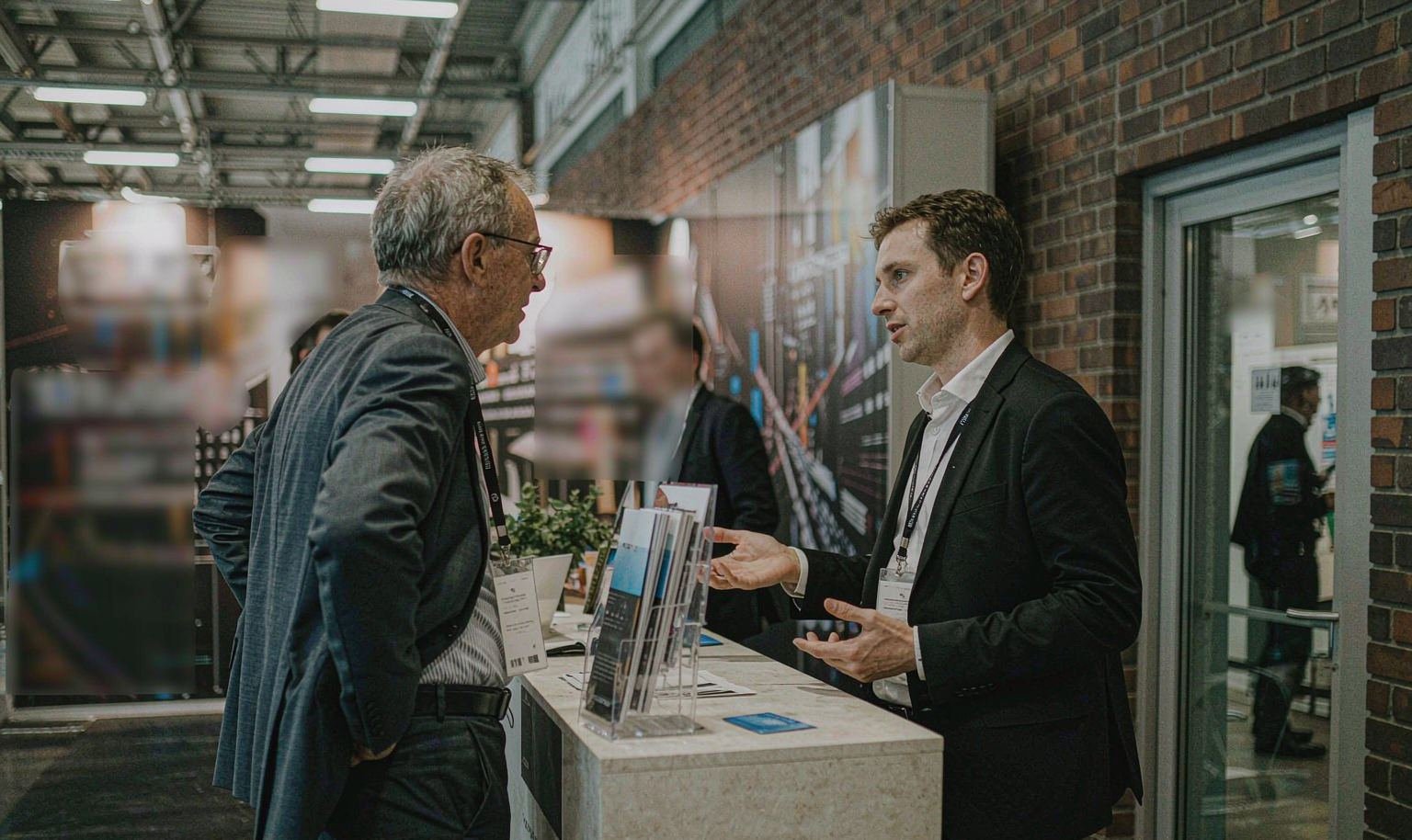
Current GRB information identifies Smart City for telecommunications and utilities, Staging Solutions for certain production and rigging work, Levy for food and beverage and the venue for exclusive cleaning. Show-appointed contractors may hold additional responsibilities. King Exhibits records each booth requirement beside the provider, order, approval date and physical interface it affects. The buyer sees one dependency map even though several companies deliver the work. This reduces the chance that every order looks complete individually while the operating demonstration remains incomplete as a whole.
Sequence Product Placement, Connection and Testing
Heavy or sensitive products may need to enter before walls close, while power, data, plumbing or rigging cannot be tested until an official provider completes its work. Create the startup order before packing. King Exhibits can identify which component must remain removable, where technicians need access and what test confirms readiness. The sequence also names who can approve the product for demonstration. Move-in time is spent completing known handoffs rather than cutting access into finished work or waiting for an unnamed service decision.

Protect the Sales Floor during Every Rese
A working product may consume samples, create waste, require cleaning or need a technician between cycles. Plan the reset without sending staff across the visitor entrance. King Exhibits can place spare materials, controls, waste handling and access behind the presentation, subject to venue rules. The product returns to a buyer-ready state quickly, and the specialist can continue a conversation while another team member restores it. This operational detail protects the polished impression that attracted the visitor and increases the useful demonstration capacity of the booth.
Senzani — 20×30 Exhibit at PACK EXPO 2025
Senzani’s completed 20×30 exhibit is a verified King Exhibits reference for equipment-led presentation, brand visibility and usable conversation space. It was not installed at George R. Brown Convention Center. Buyers can use it to review finish and the relationship between machinery, graphics and staff access. The GRB project will be engineered around the actual hall, product proof, technical loads, current providers, startup sequence, buyer discussions and accepted written scope.
Custom Interfaces Stay Connected to the Product Plan
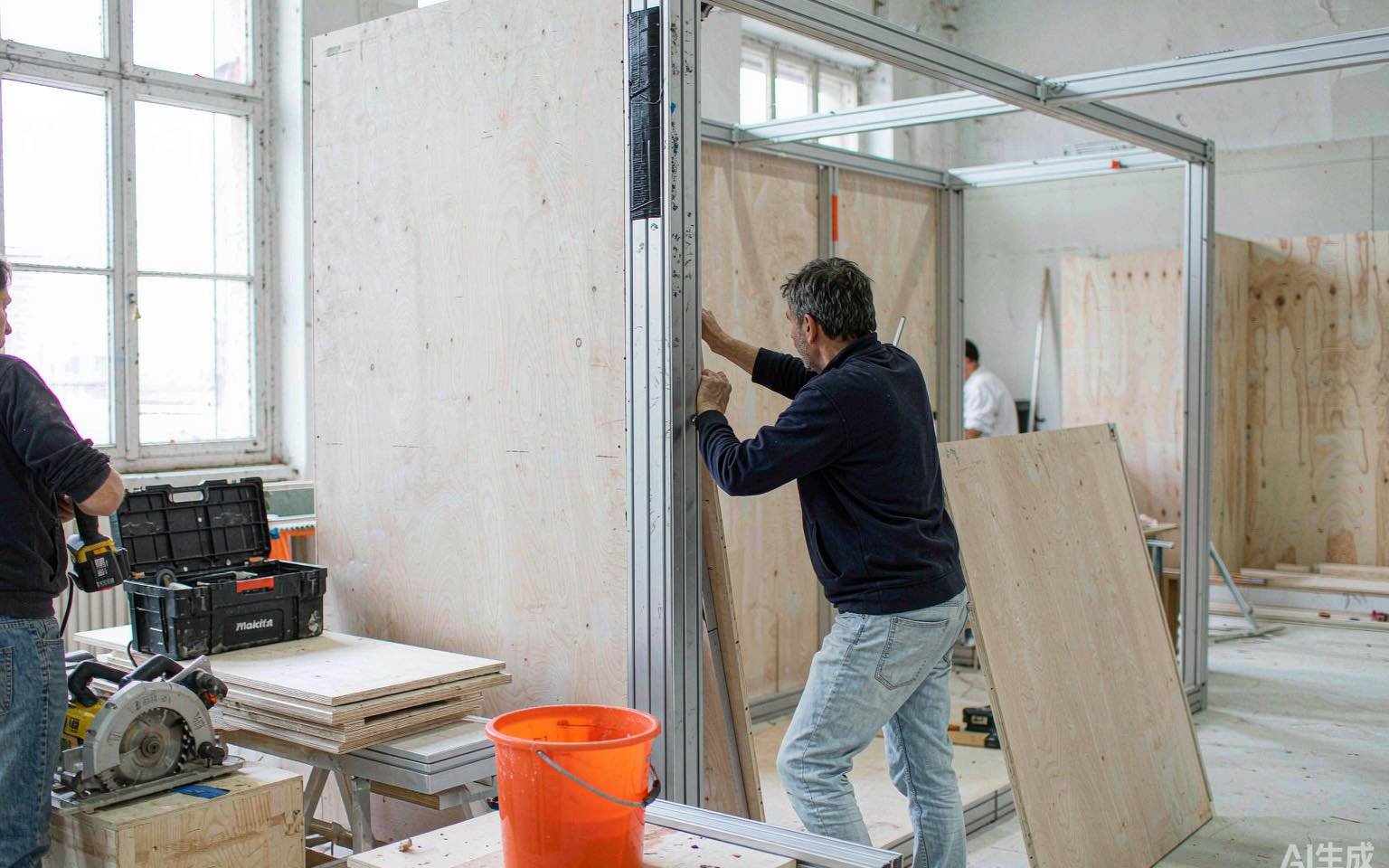

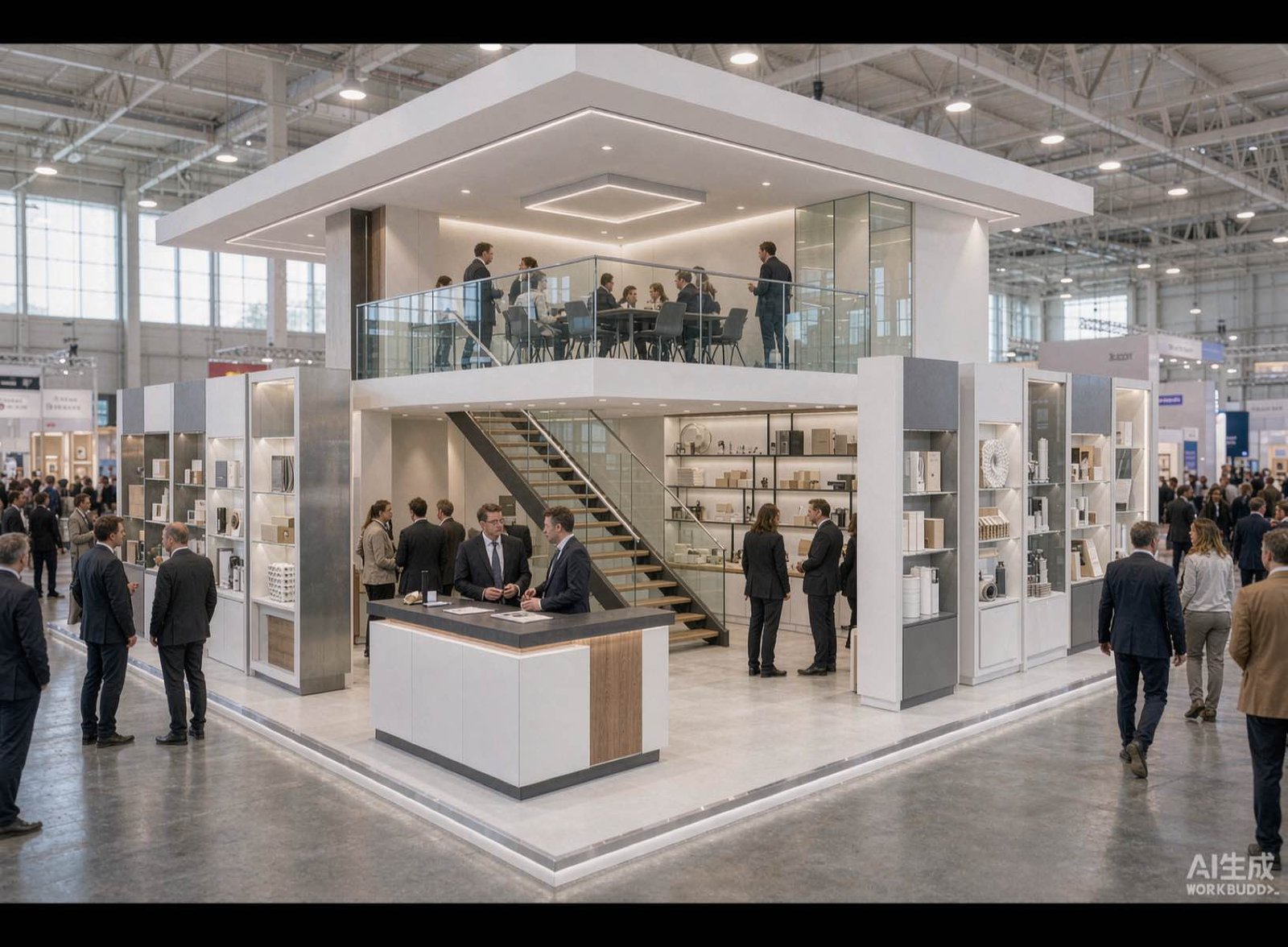
King Exhibits has supported U.S. exhibit projects since 2008. Las Vegas-based production support combines 3D design, rental preparation, custom graphics, CNC work and wood fabrication. Product mounts, access panels, cable routes and branded enclosures can be developed from the approved demonstration rather than improvised after equipment arrives. Important assemblies may be checked before packing when included in scope. Freight coordination, installation and dismantling, audiovisual support and storage are defined only when accepted in writing. The client can trace each custom detail to a buyer or operating need and identify the outside provider behind every official service.

Connect the Buyer Promise to a Working Show-Floor System
Design approval settles the experience; dependency control makes it operable.
Record the buyer conclusion, product action, evidence, viewing position, staff explanation and qualification goal.
Add dimensions, loads, access, current providers, orders, approvals, installation sequence and test criteria.
Review the 3D design, custom interfaces, graphics, responsibilities, costs, schedule and accepted written scope.
Produce and pack the accepted work in the order required for placement, connection, testing and presentation.
Current GRB pages identify Smart City for telecommunications and utilities, Staging Solutions for preferred audiovisual and exclusive rigging functions, Levy for exclusive food and beverage and GRB for exclusive booth cleaning. The event organizer may appoint other contractors and split specific work differently. King Exhibits can identify the booth requirements and their physical interfaces, but current venue and show documents must confirm who orders, supplies and pays for every service.
Yes, when the product data, safe access, loads, movement, heat, sound, liquids and demonstration requirements are available early. King Exhibits can develop product mounts, branded enclosures, removable panels, graphics and visitor positions within the booth. The organizer, venue, fire authority or official provider may require additional approvals and controlled connections. The accepted proposal should distinguish the exhibit work from equipment commissioning and any service that another party must perform.
Product placement, booth construction and official service connections may depend on one another. A wall installed too early can block equipment access; a service delay can prevent testing; missing content can make a working screen useless. The startup sequence names the order, access and acceptance check for each handoff. King Exhibits can align its component and packing plan with that sequence when scoped, while each provider remains responsible for its own contracted work.
Send the event, hall, booth number, floor plan, organizer manual, product dimensions, weight, operating cycle, buyer proof, screens, utility loads, rigging, meetings, staff count, graphics, storage, budget and approval dates. Include provider information and the freight, installation, dismantling, audiovisual or storage support you want reviewed. King Exhibits uses this record to design the demonstration, expose dependencies and define the rental, fabricated, graphic and accepted field scope.