

Confirm dimensions, weight, orientation, service access, power, sound, screens and the number of simultaneous players.

Record dealer position, participant positions, equipment, sightlines and the space needed for people to watch without blocking the aisle.

Provide presenter-led screens for loyalty, cashless, analytics, security or operations workflows, followed by a quieter area for integration discussions.

Plan the complete play area, including approach, motion, controls, queue, reset and staff supervision. Large physical interaction may require more open floor than brand architecture.
Start with the Equipment List, Not a Decorative Theme
The booth layout starts with six confirmed equipment and interaction requirements:
- Gaming machines, cabinets, table games, systems or arcade equipment
- Dimensions, weight, orientation and service access
- Power, sound, screens, controls and connectivity
- Dealer, participant, player and staff positions
- Sightlines, viewer capacity, queues and reset space
- Supervision, integration discussions and quieter meeting needs
Let Visitors Experience the Product and Operators Evaluate the Business
Gaming products are often sold through direct interaction. Machine look and feel, controls, display quality and play sequence matter. Casino systems create a different conversation around payments, loyalty, operations, analytics or security. Hospitality and service suppliers may rely more heavily on scheduled meetings. One booth can serve these needs only when the physical equipment and buyer discussions are planned together.
King Exhibits builds the rental environment around the confirmed machines, demo flow and meeting schedule. Branded structures establish the company across a visually competitive floor. Lighting and digital content support the product without overpowering it. Storage keeps accessories, literature, spare devices and staff items out of public areas.
Game performance, player behavior, revenue, compliance, approval, security and customer results must come from authorized exhibitor material. Equipment activation and regulated use follow current event, venue and jurisdiction requirements.
Test the Booth from the Player Position
Review the 3D design from the point where a visitor stands or sits. The screen, controls and product label should be visible without another person blocking the experience. Staff must be able to assist, reset the unit and reach service panels. Spectators need a place to watch that does not become an aisle obstruction.
Then review the same area from the operator’s perspective. Product family, application and business value should remain clear after the lights and motion attract attention. This second view keeps the exhibit focused on sales rather than spectacle alone.
Control Sound, Light and Motion Before They Control the Booth
Game audio, animated displays and lighting can attract attention, but several units running together may make product explanation difficult. Confirm each source, expected volume, lighting effect and operating schedule before final design. Position speakers and screens toward the intended viewing area and preserve a quieter place for qualified discussions. Current organizer and venue rules determine permitted sound and effects; the exhibitor supplies approved media and operating content.
Plan Setup Access for Heavy, Powered Equipment
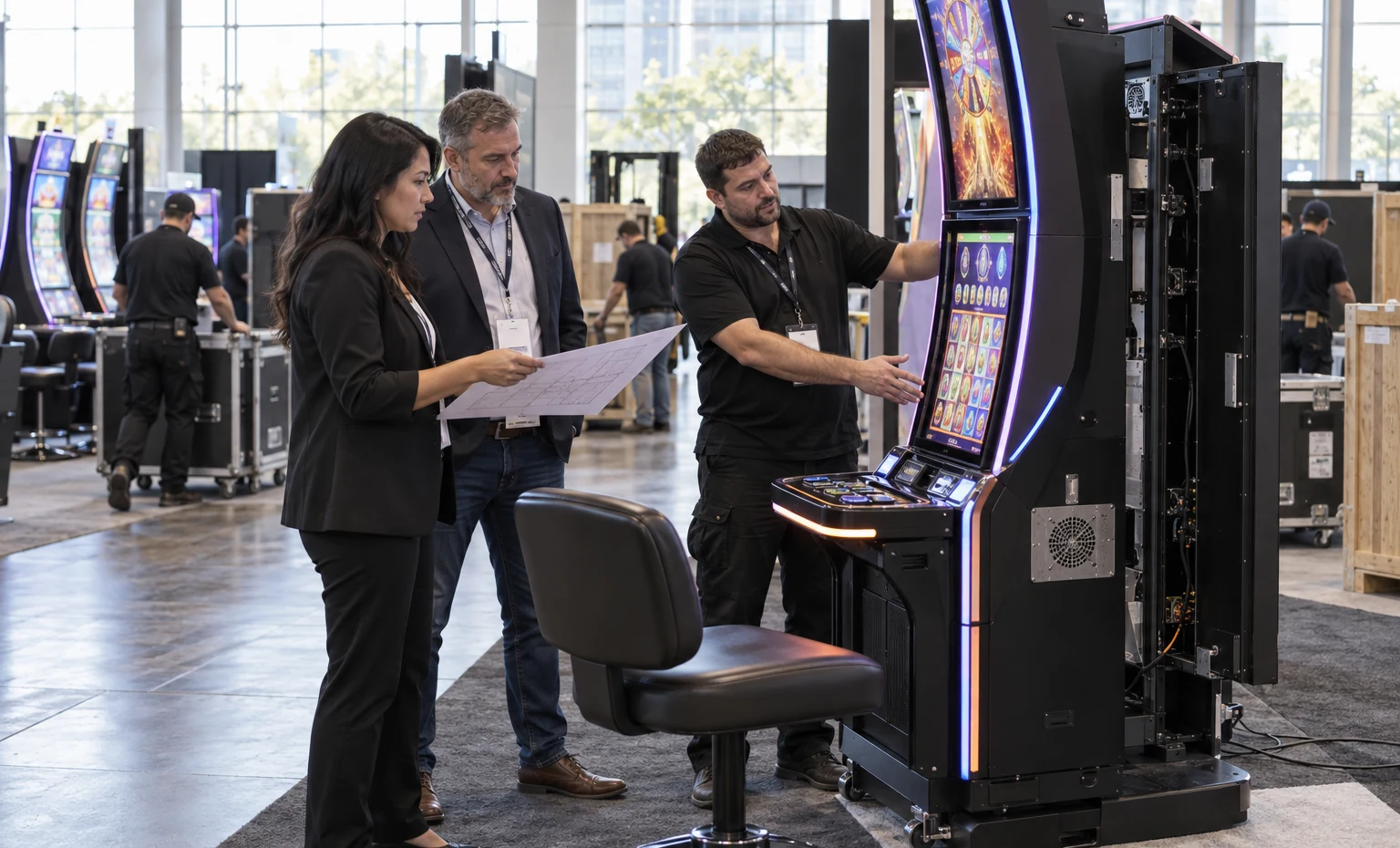
Cabinets, kiosks and interactive machines may arrive separately from the rental structure and need clear placement responsibility. Record packed and operating dimensions, weight, casters or lifting points, service doors, power, data and ventilation. The floor plan should show how each unit enters and where technicians work during setup. King Exhibits can coordinate the surrounding exhibit and agreed show services; the equipment owner controls commissioning, software, regulated operation and specialist handling.
The Rental Structure Is Designed Around the Machines
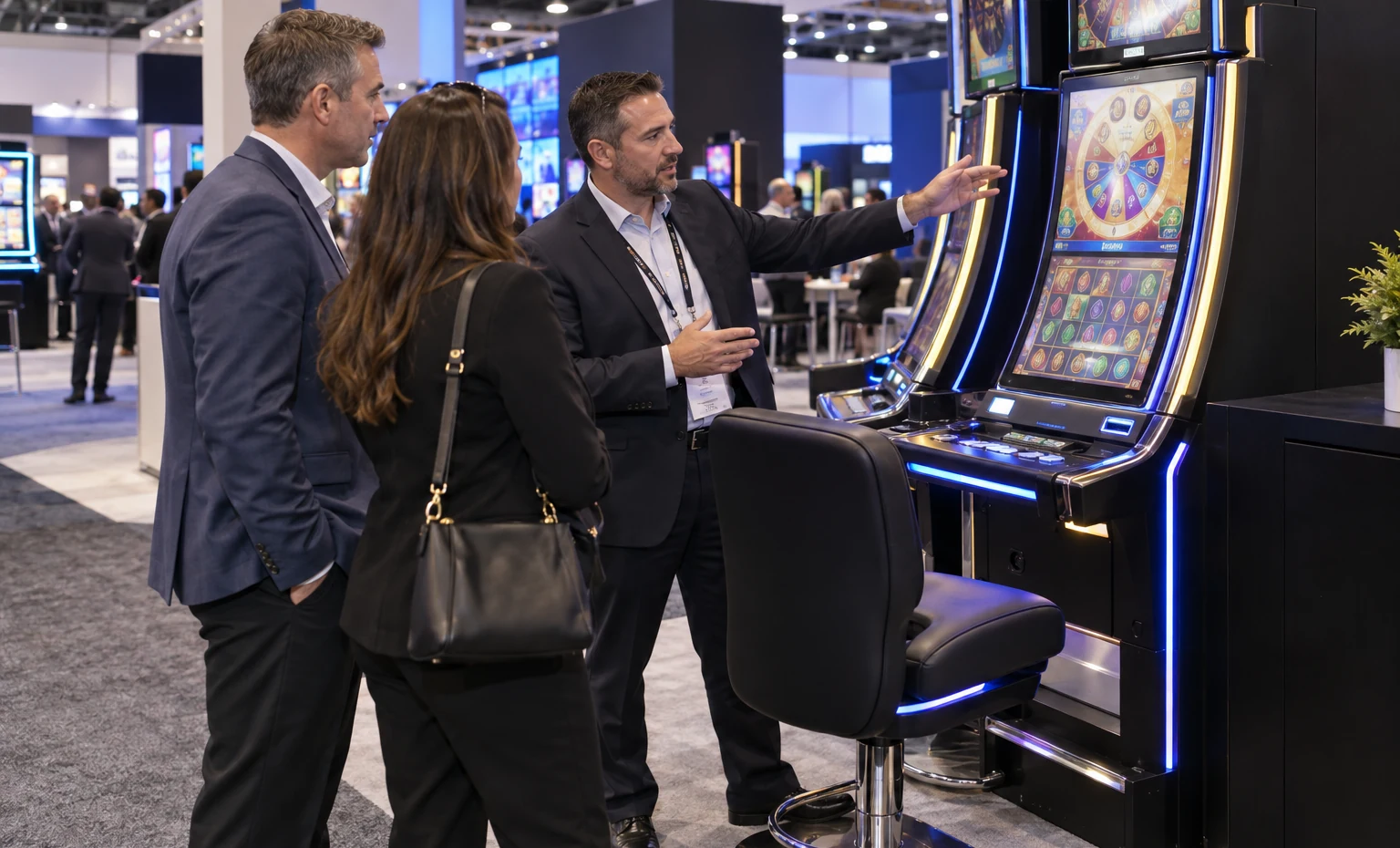
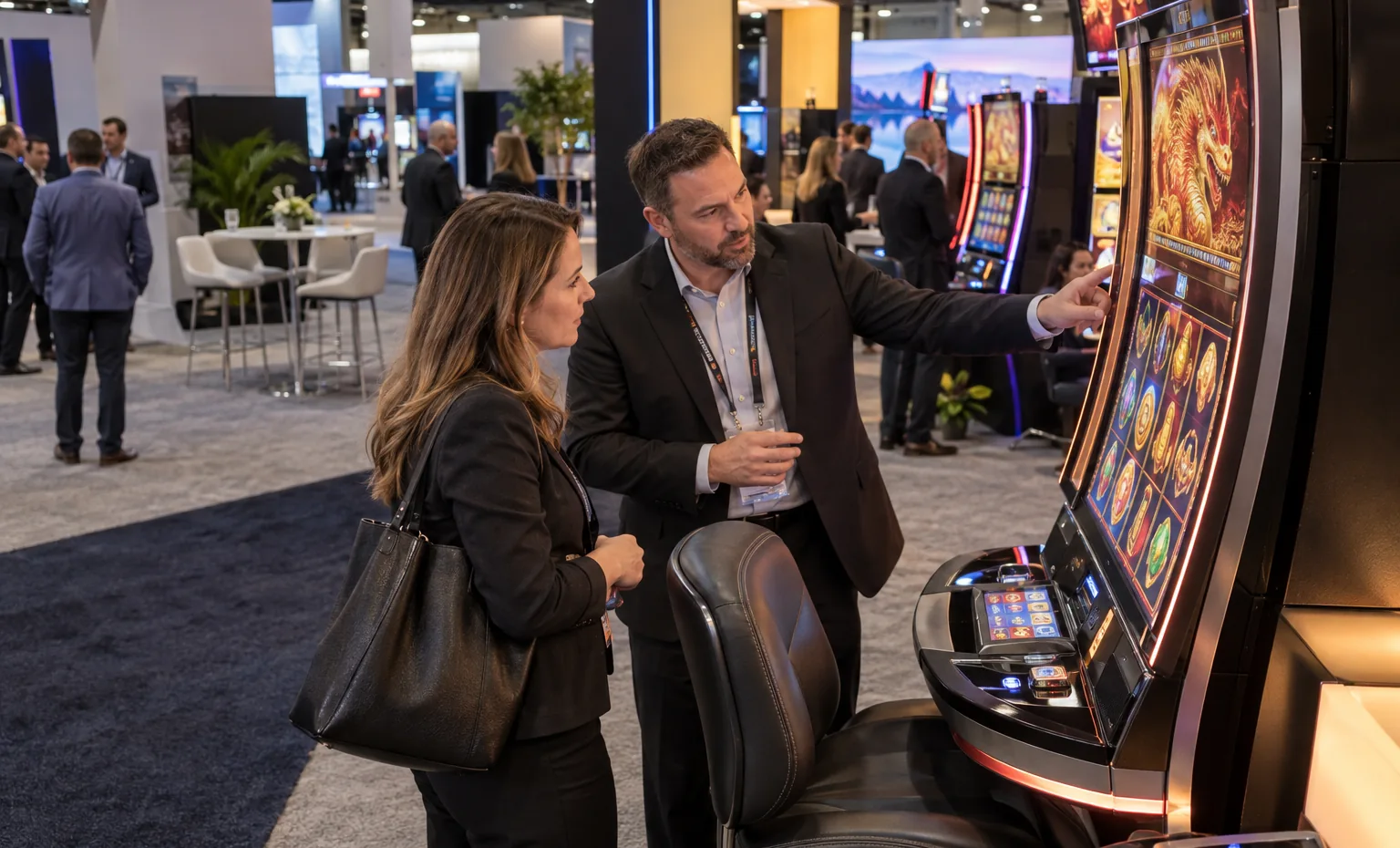
King Exhibits uses confirmed equipment and demonstration information during 3D design, allowing machine positions, screen visibility, circulation, storage, lighting and meeting space to be reviewed before rental preparation. Selected custom supports or surrounds can be quoted when standard components do not fit the approved equipment.
Custom graphics and rental structures are prepared and documented for packing. Freight coordination, installation and dismantling can be included in the accepted proposal. Specialized machine transport, commissioning, software and regulated operation remain with the responsible exhibitor or appointed provider unless the proposal states otherwise.
Gaming and Casino Events Where We Can Build Your Exhibit
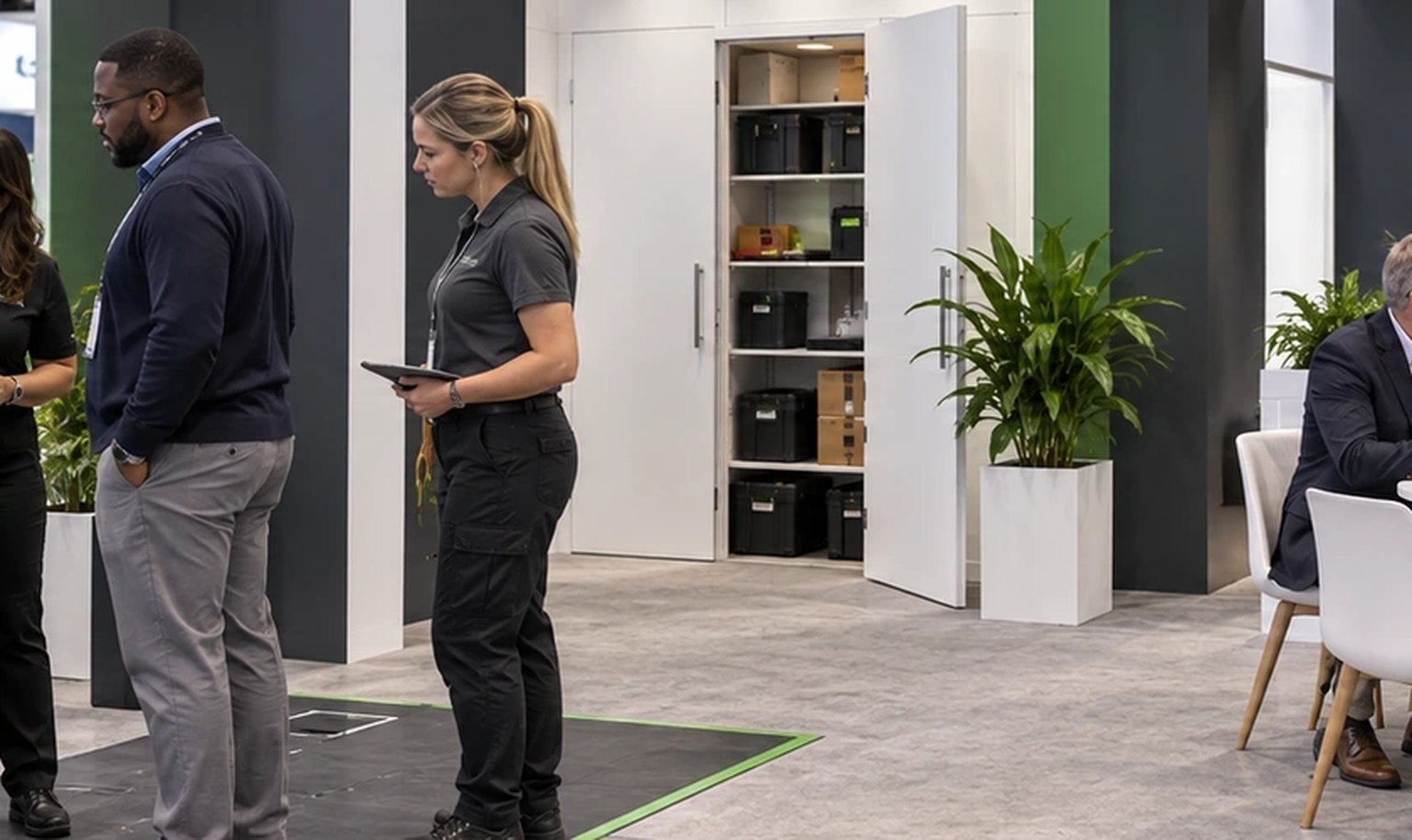
For casino machines, table games, payments, loyalty, analytics, security, operations and hospitality suppliers. Equipment presentation and operator meetings often need equal priority.
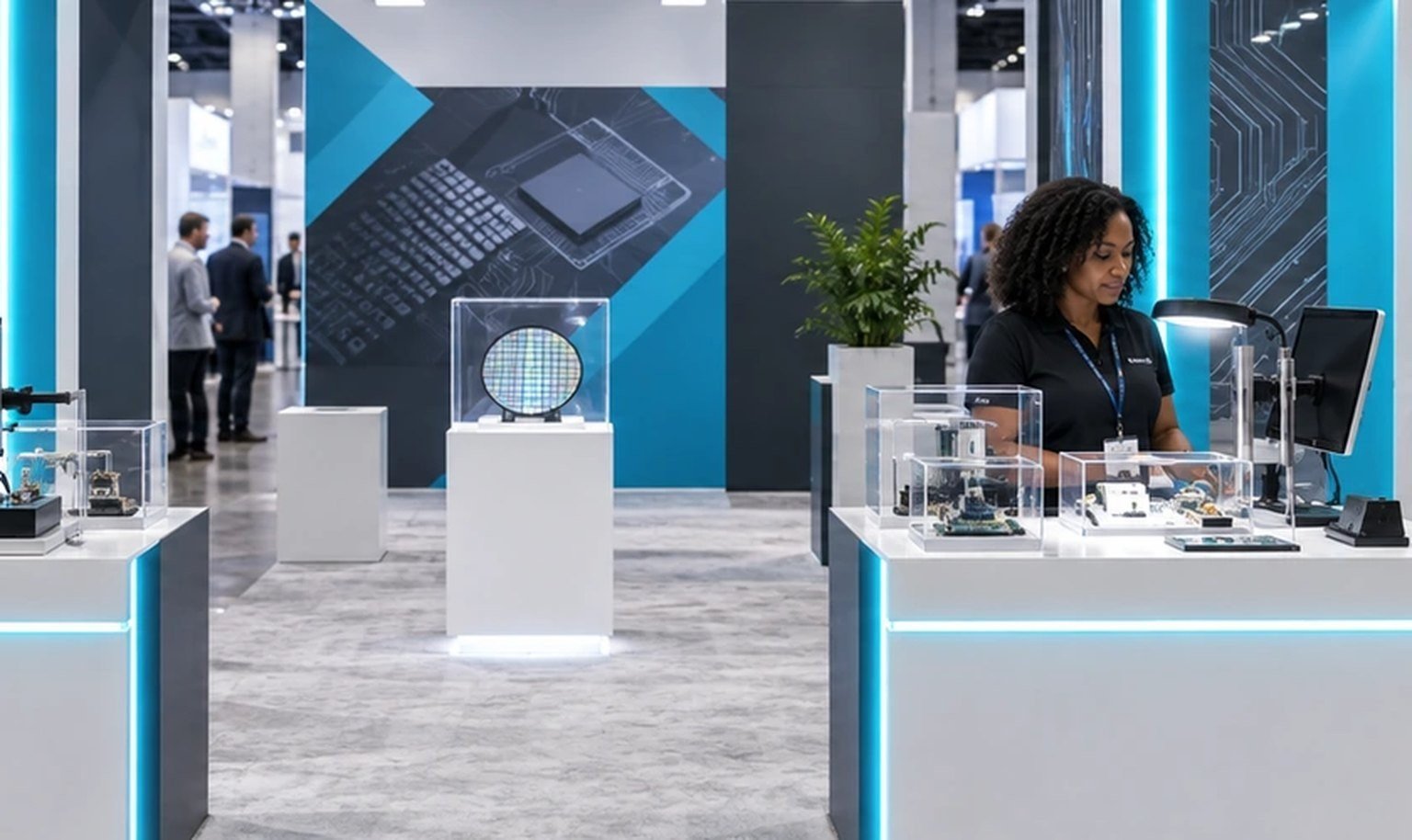
For tribal gaming, hospitality, technology and operational suppliers. Booths may serve executive, purchasing and technical conversations alongside product displays.
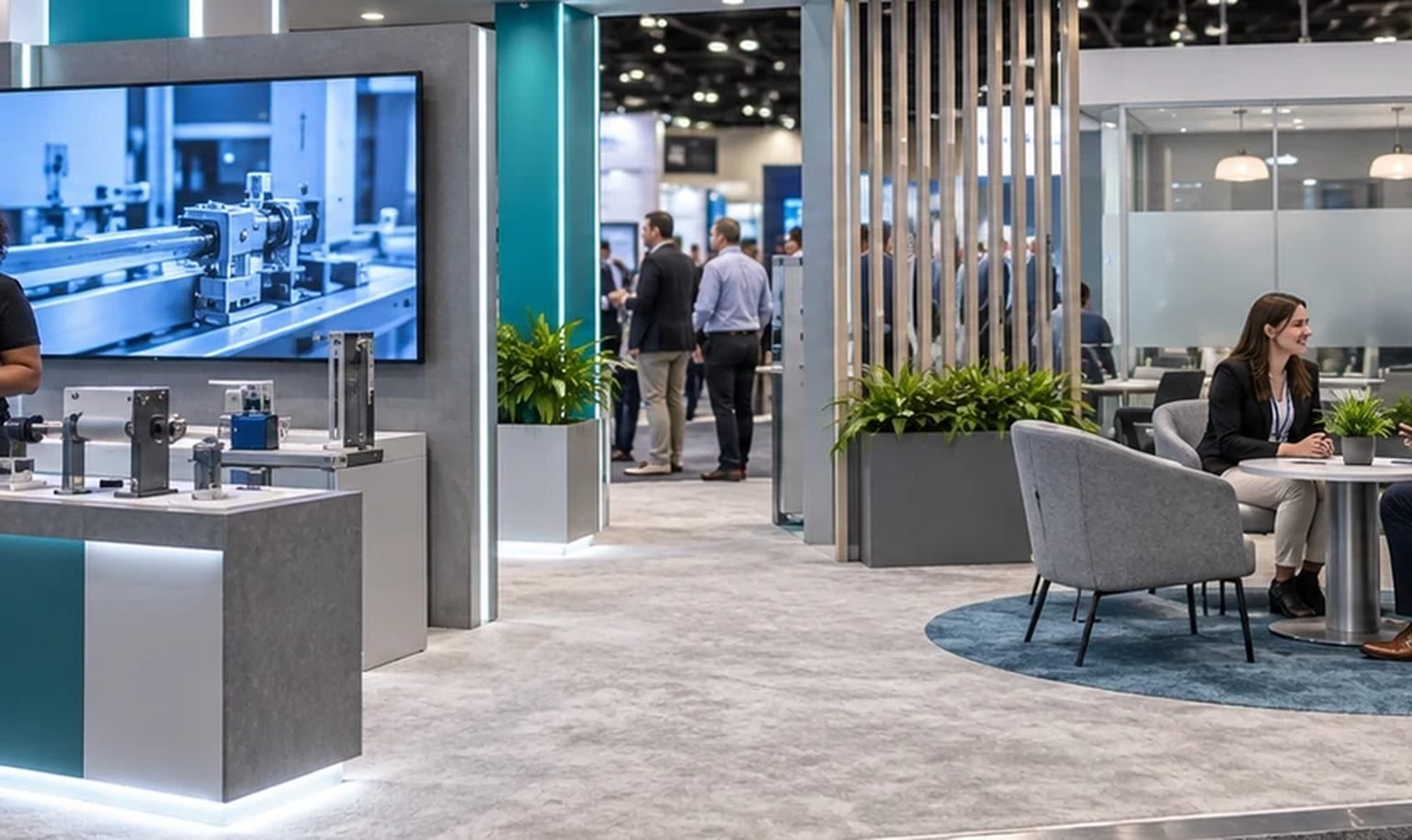
For arcade, amusement and interactive-entertainment products. Play space, participant flow, reset and equipment access should be settled early.
Quote Inputs That Matter More Than the Machine Count
Machine quantity is only the starting point. Send operating dimensions, weight, player position, service clearance, power, network, sound, lighting and whether the equipment arrives assembled. Explain who delivers, places, connects, commissions and removes each unit. Add the expected queue, demonstration schedule, staff count and operator meetings.
Those details show how much open floor, rental structure, storage and technical coordination the project requires. King Exhibits can then identify the included exhibit work and leave third-party or specialist responsibilities visible.
Yes, after dimensions, weight, placement, service access, power, data, ventilation and responsible handling parties are confirmed against current event rules.
Yes, when the event permits it and the exhibitor confirms the operating mode, supervision, participant position, queue, reset, age or access limits and organizer approval.
Possibly. Current show and venue rules control sound levels and effects. The design should direct them toward the product and preserve an area where staff can still speak with buyers.
Yes. Presenter-led screens, kiosks or meeting displays can show approved workflows for payments, loyalty, analytics, security or operations.
Base the count on demonstration length, expected traffic, reset time, staff coverage and the space each player and observer needs. Fewer well-supported stations often produce better product conversations than a crowded row of machines with no room for operators or buyers.
Gaming exhibit pricing begins with the event, footprint, machine list, dimensions, weight, player and service access, power, network, sound, lighting, meetings, budget and requested services.
Booth Sizes for Gaming and Casino Exhibitors
-
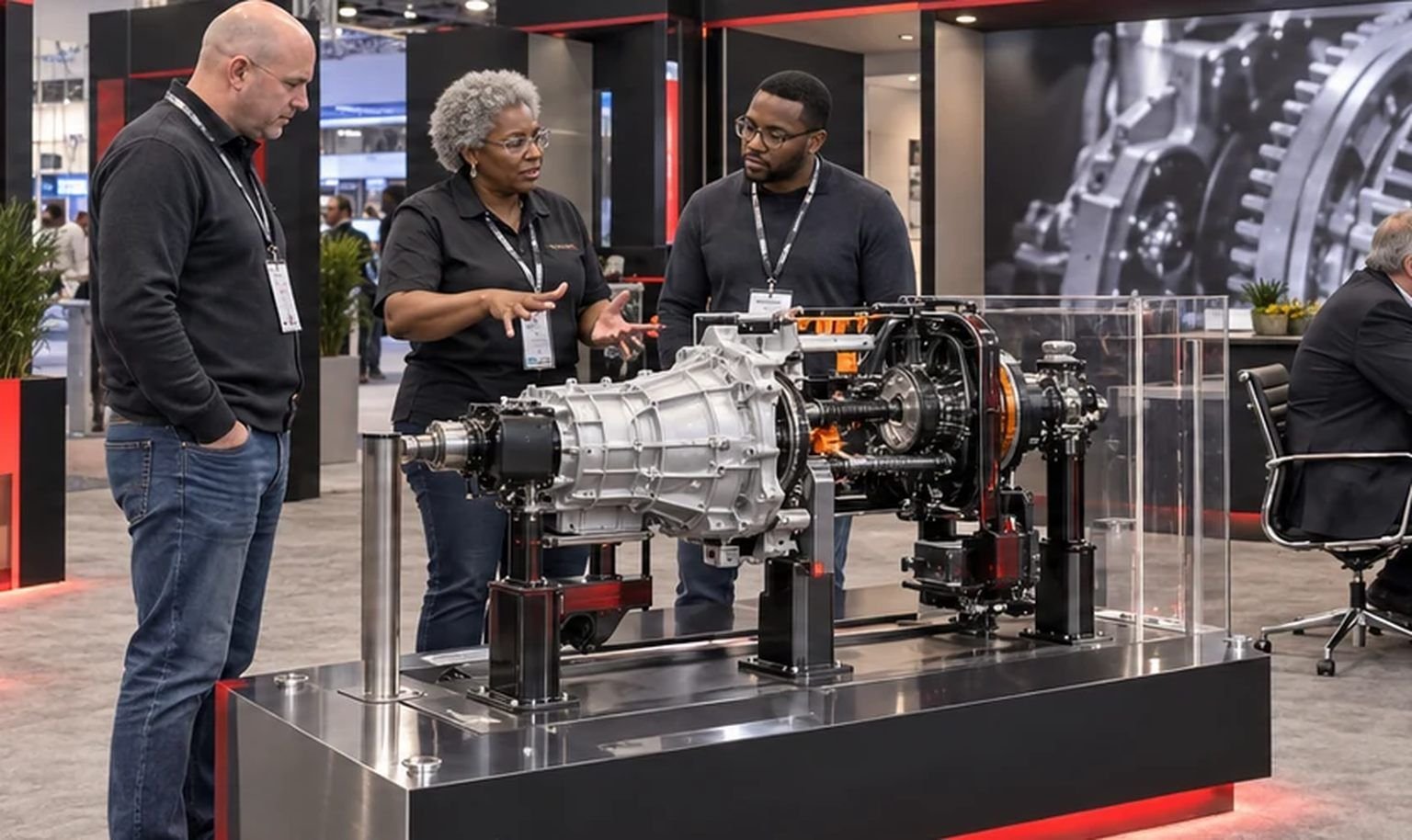
For a longer playable lineup, supporting screens and an operator discussion area.
-
For several interactive positions and a small buyer discussion point.
-
For machines, island traffic and operator meetings.
-
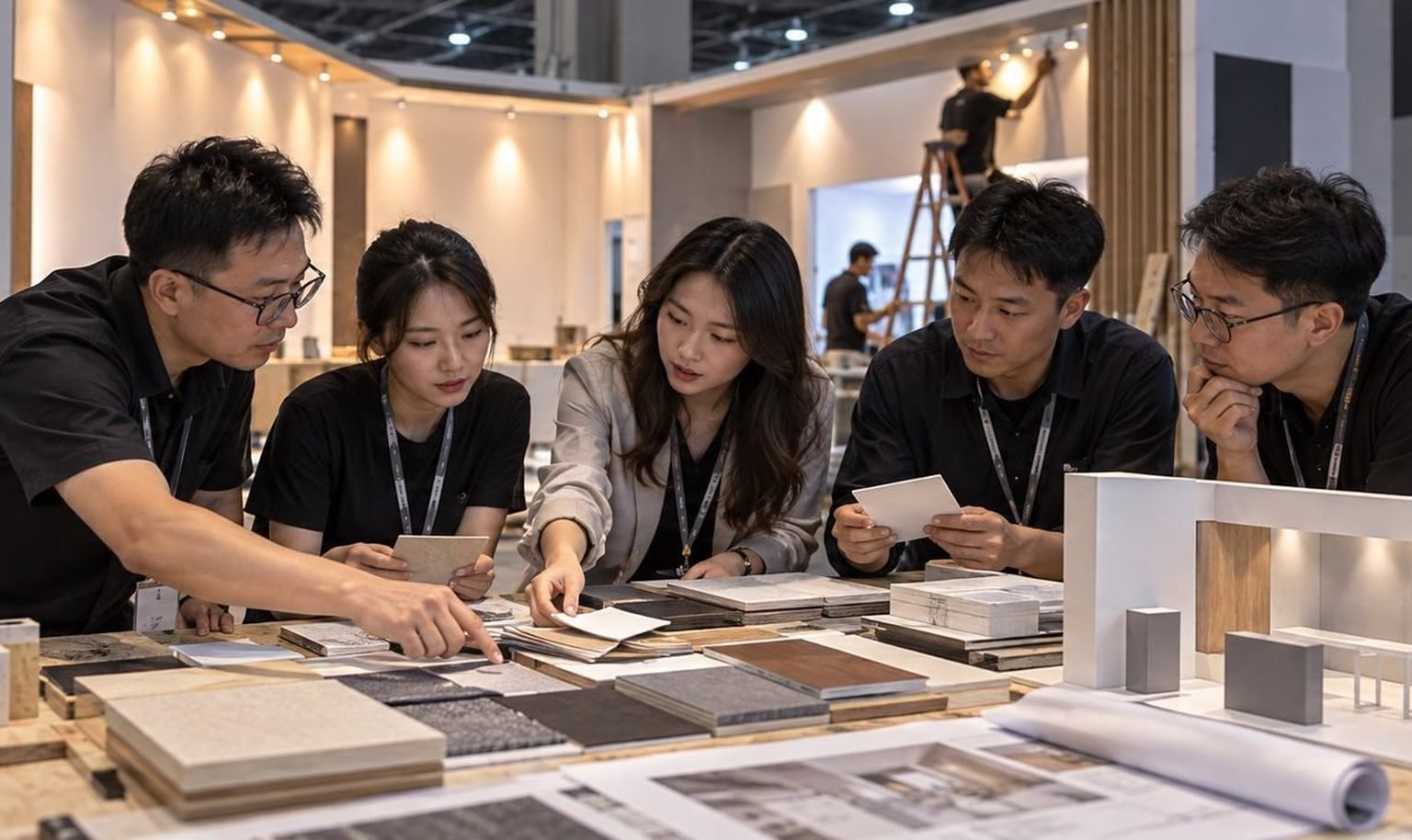
For a broader product floor, multiple experiences and private discussions.
Plan a Gaming and Casino Exhibit Around the Playable Product
List every cabinet or device with its weight, player position, power, network and sound needs. Operator meetings and the selected show complete the equipment record used to lay out the rental exhibit and assign the required floor services.