
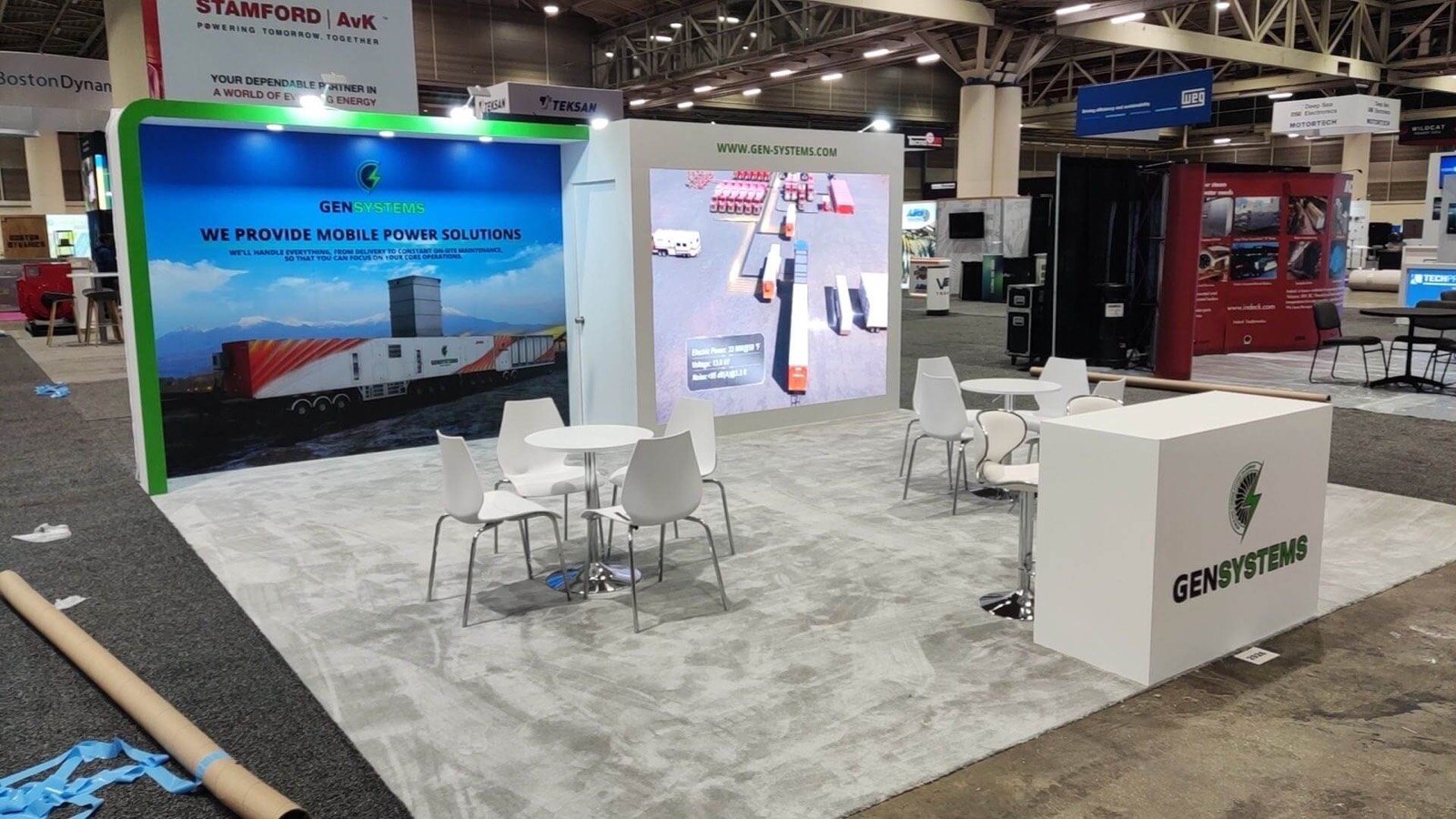

Name the outage, congestion, voltage, capacity, asset-health, interconnection or field-work condition your solution addresses. The visitor should know the problem before seeing a wall of product names.

Place the meter, sensor, relay, controller, line component, communications device or data source where buyers can connect the input to the real grid environment.

Use one guided screen, sequence or technical graphic to show how the system detects, analyzes, prioritizes or controls the condition. Keep approved claims beside the relevant step.

Show what an operator, engineer, crew or program team does next. The action gives sales staff a natural route into deployment, integration, procurement and support questions.
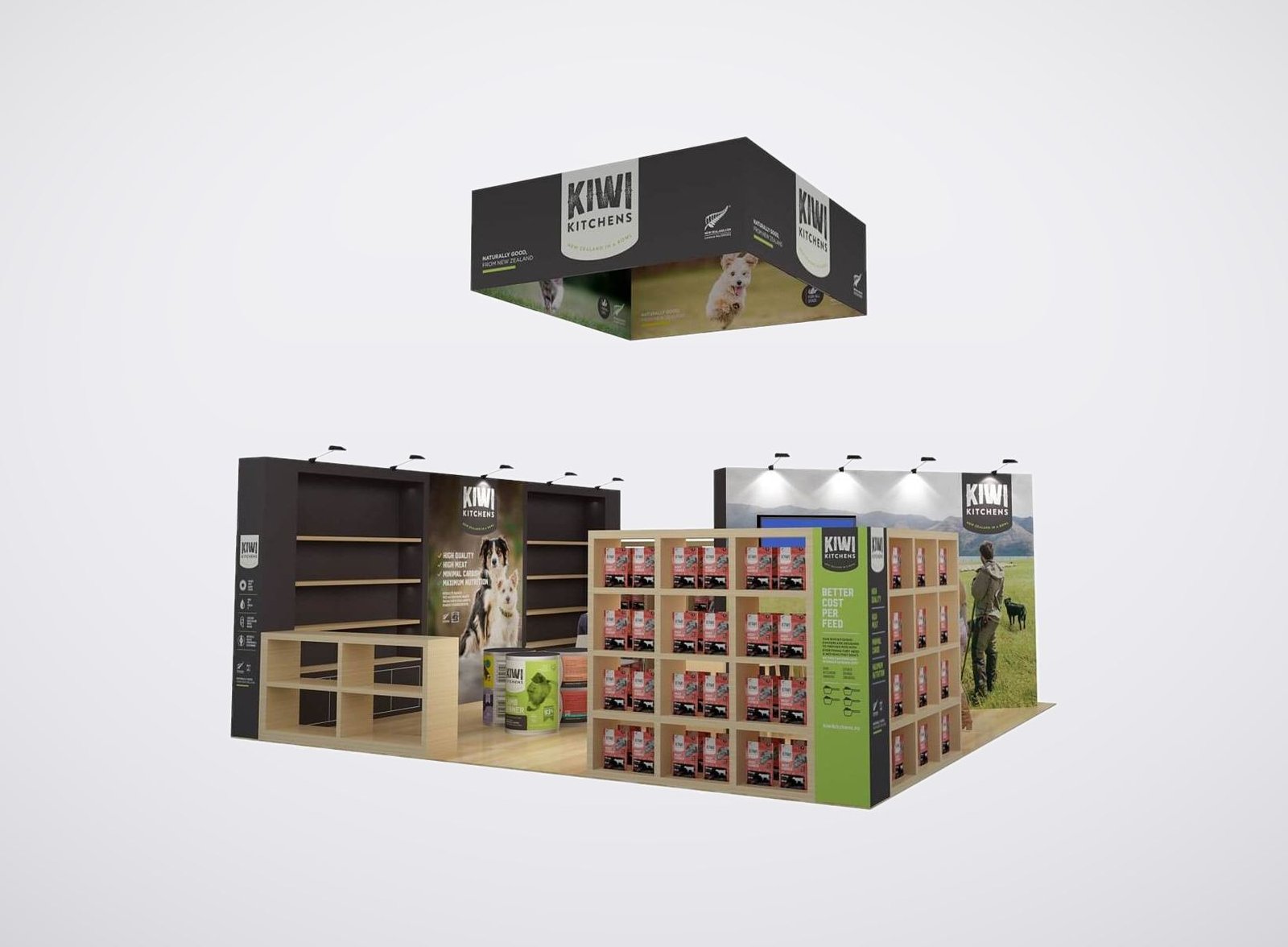
Choose the DTECH Exhibit Format by the Proof Buyers Need
Field Equipment Inspection Station
Meters, sensors, protection devices, switches, connectors, line hardware and cabinet components need a stable display, a visible working side and enough space for close inspection. Record dimensions, weight, support points, removable parts, door swing, service access and handling before selecting shelves, plinths or counters. Use a concise grid-location graphic to show where the product works.
Control-Room Workflow Demonstration
ADMS, DERMS, outage management, asset analytics and other grid software become clearer when the screen performs one recognizable task. Define the event, data input, operator action and result. Add a field-device image, network diagram or physical sample so the workflow stays connected to the system it manages. Confirm whether the demo is offline, sandboxed or network dependent.
Hardware-to-Software System Story
When the offer combines devices, communications and software, arrange the booth in the same order as the operating chain. A visitor can begin at the field asset, follow the signal into the platform and end at a decision or crew action. Screens, graphics and product supports should share one terminology set instead of presenting three separate product pitches.
Utility Project Meeting Zone
Scheduled discussions with utilities, EPCs, municipalities, cooperatives or partners may require drawings, account context and several specialists. Place the meeting area close enough to the demonstration for an easy handoff but far enough from the queue for a working conversation. Staff roles, appointment volume, privacy and storage determine whether the zone stays open, screened or enclosed.
A DTECH Booth Rental Built Around How Utilities Evaluate Change
DTECH brings electric utilities together with equipment suppliers, software providers, service firms, EPCs and public-sector stakeholders. Their questions may begin at different points. A field engineer may inspect a device or connection. An operations team may want to see how data becomes an alarm or control action. A utility leader may ask about deployment risk, integration and the team behind the solution.
A useful booth gives those visitors one common starting point. It identifies the grid condition, shows the physical or digital input, demonstrates the decision and points to an approved operational result. Product claims remain with the product or screen that supports them. Technical staff can then add depth without asking every visitor to decode the entire architecture first.
King Exhibits turns that sequence into a DISTRIBUTECH exhibit rental plan. We position field equipment, product access, screens, network and power interfaces, graphics, storage, staff and meetings before choosing the rental walls, towers, lightboxes, counters, flooring, lighting and furniture that support them. Confirmed product information can also guide quoted bases, openings, surrounds or demo work surfaces.
The booth plan and proposal separate the exhibit work supplied by King from customer equipment and event-controlled services. Equipment handling, electrical work, internet, rigging, approvals, technical commissioning and other restricted work follow the current DTECH resources and the responsible providers. This keeps a broad turnkey promise from hiding the interfaces that can change cost or timing.
Match the Exhibit to the Utility Question Your Offer Answers
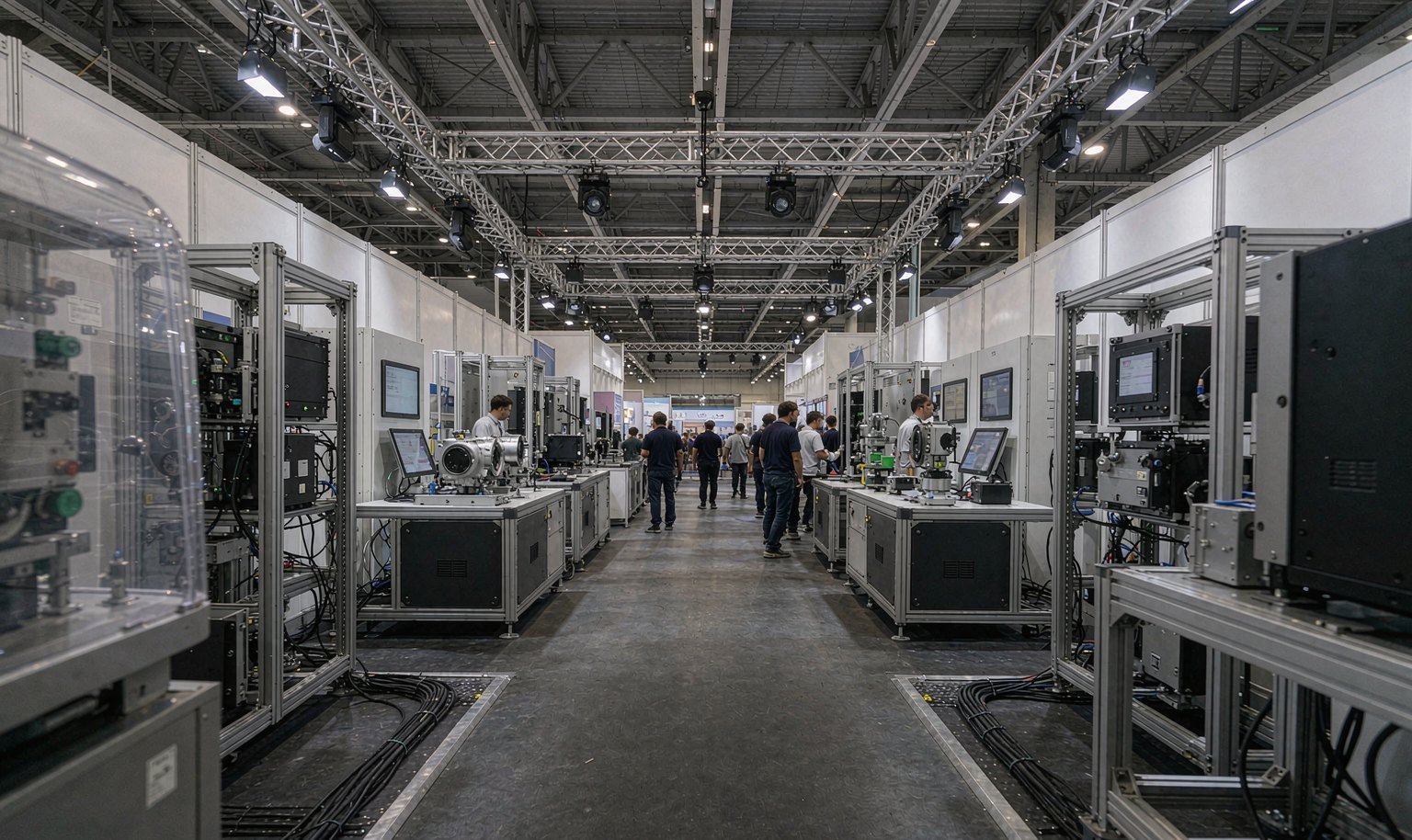
Give engineers access to the sensing, switching, protection, connection or service detail that matters in the field. A compact one-line diagram can establish the circuit or asset position. Heavier equipment needs confirmed supports and handling; smaller devices need grouping by use case rather than a catalog wall.
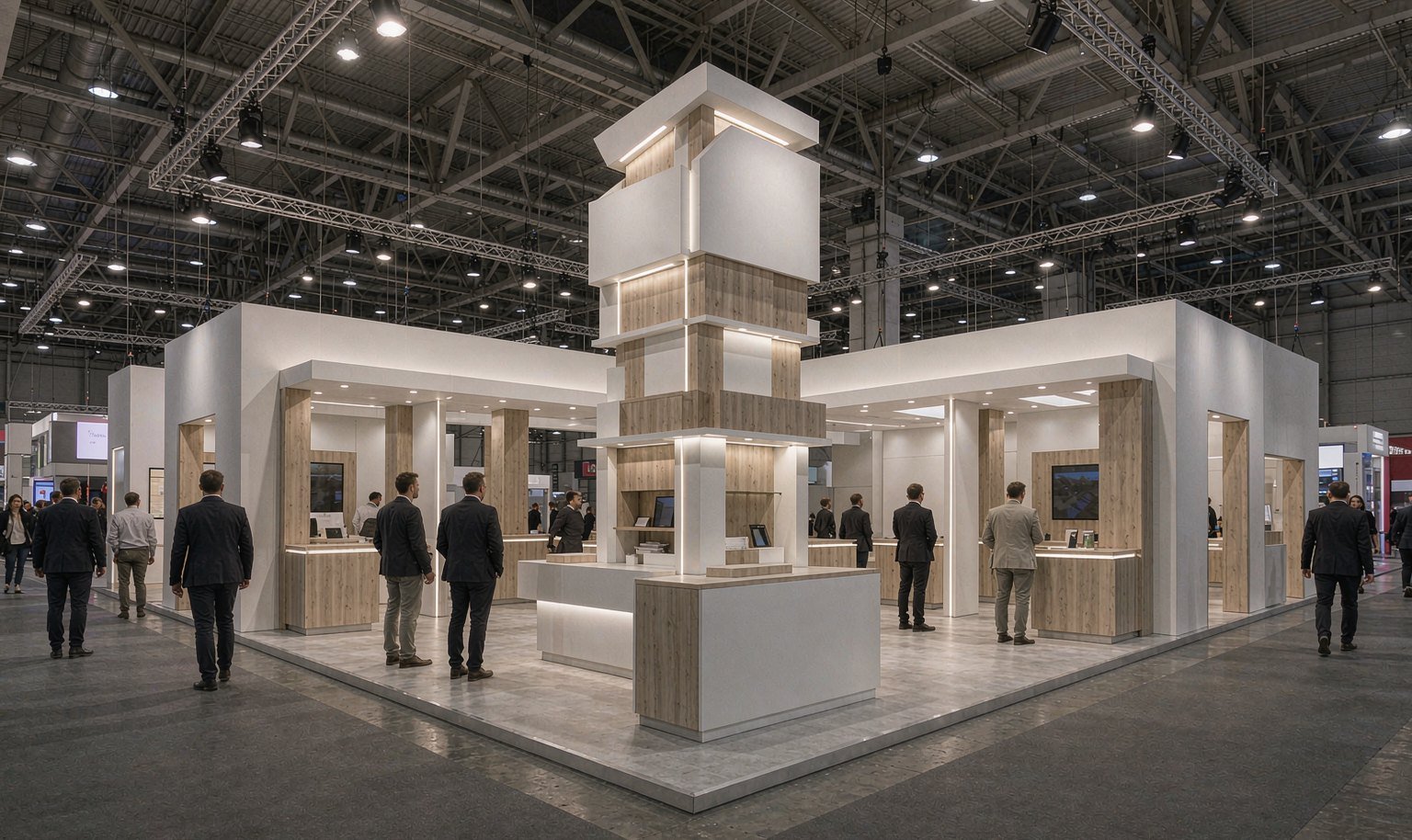
Build the guided demonstration around one operating decision, such as identifying an outage, managing a constraint, coordinating distributed resources or prioritizing field work. Show the starting condition and resulting action. Screens should support a short demonstration for aisle visitors and a deeper technical session for qualified utility teams.
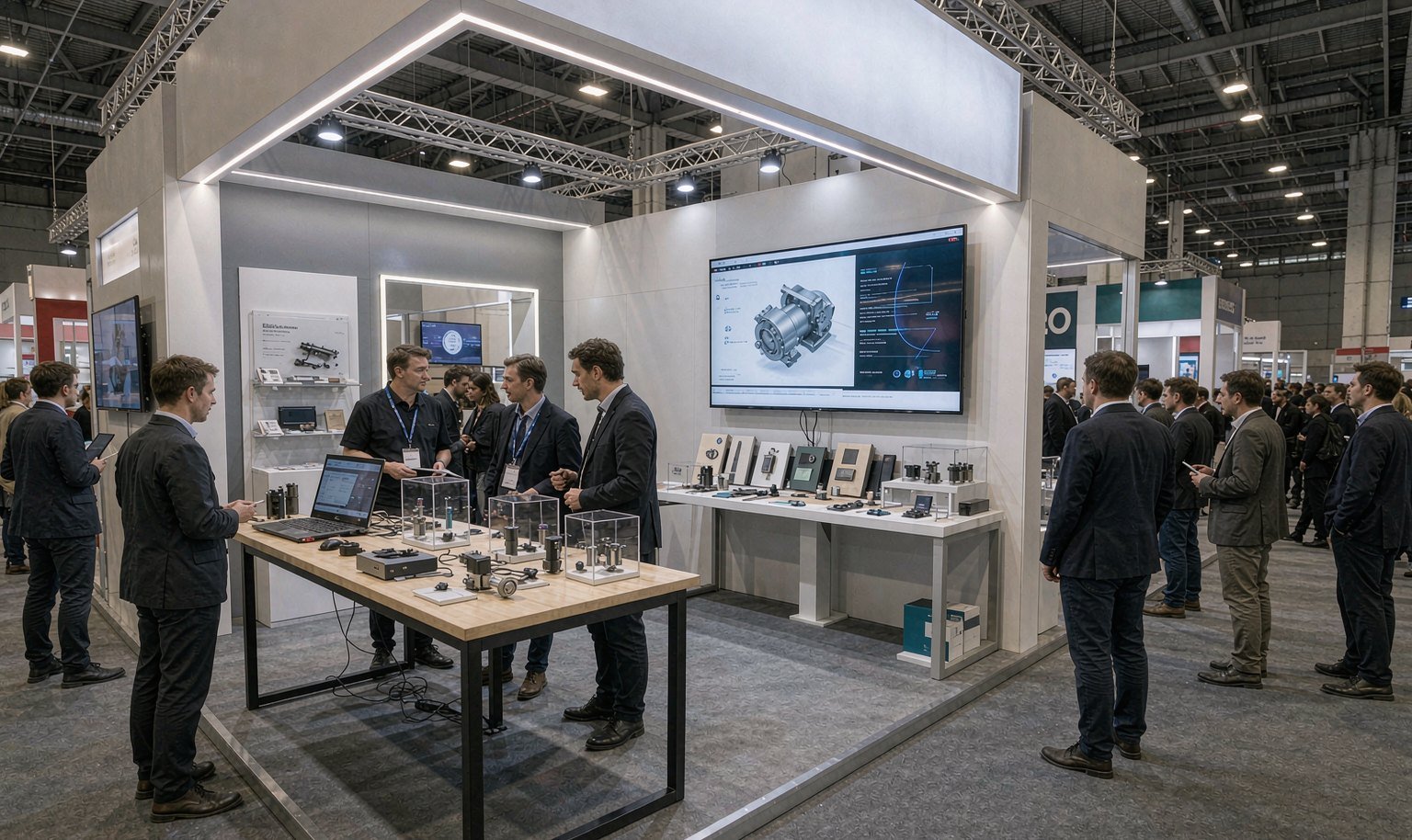
Map the protected asset, communication path, monitoring point and response without exposing sensitive credentials or production data. The exhibitor should define the approved demonstration environment, network dependency and reset process. Physical devices, architecture graphics and a focused screen can make an otherwise invisible communications or security offer easier to discuss.

Explain how the resource connects to distribution operations rather than presenting a generic clean-energy story. A model, controller, gateway, cabinet detail or software workflow can show the grid interface. Utility visitors can then move into interconnection, visibility, orchestration, reliability and program questions with the right product specialists.

Use one project stage or operating challenge to make an expert service concrete. A map, asset condition, planning workflow, field record or approved project example can show the input and deliverable. Meeting space should support drawings and account discussions while the aisle message tells the relevant utility team why to stop.
Build One Demo from Field Event to Operator Action
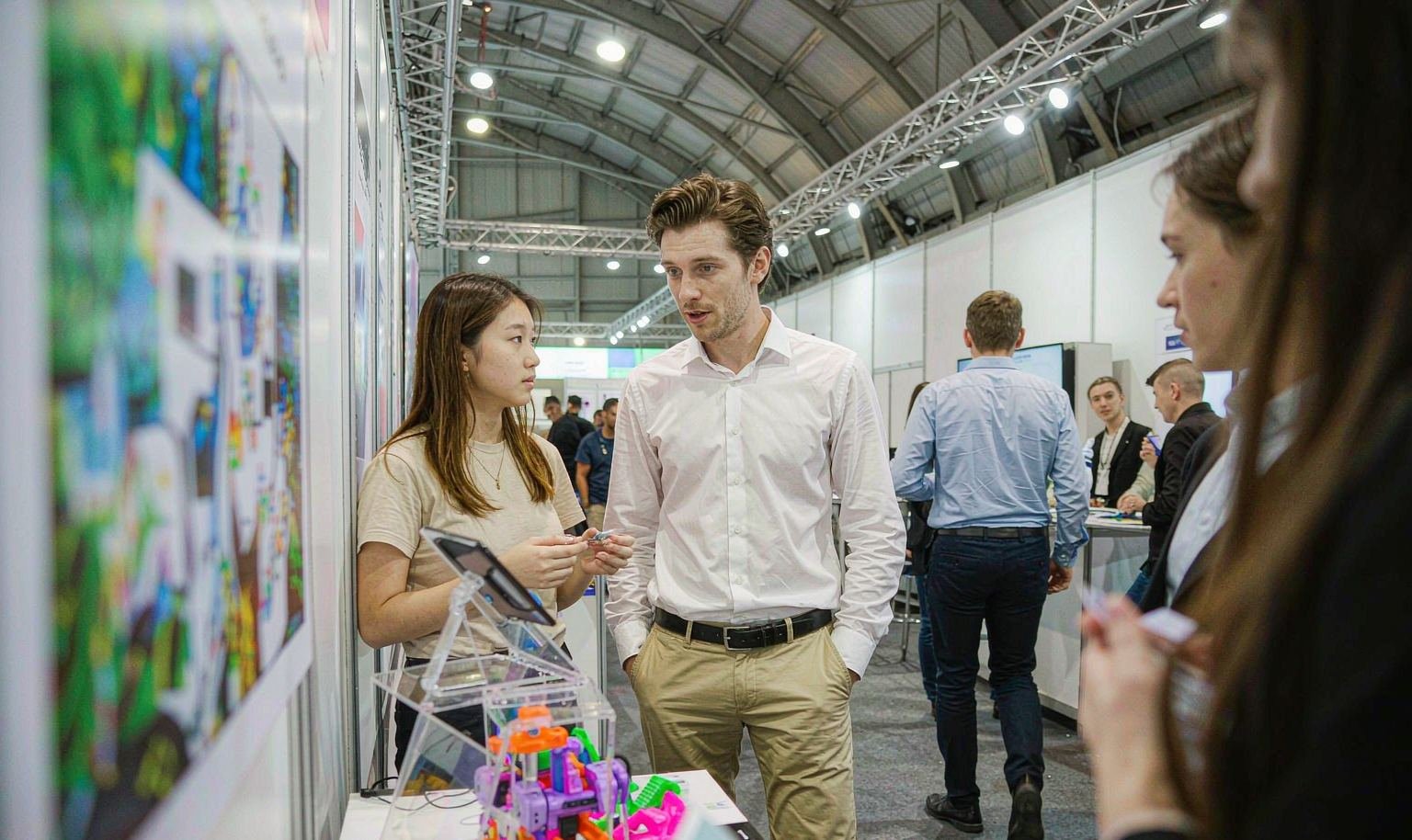
Choose one event a utility team recognizes, then show the signal, system response and next action in order. The path may begin with a sensor, meter, relay, feeder condition or distributed resource and end with an operator or field crew. Keep the physical item, architecture graphic and screen close enough to read as one demonstration. This gives visitors a usable technical story while leaving detailed performance claims with your approved product material.
Separate Demo Infrastructure from Show-Floor Orders
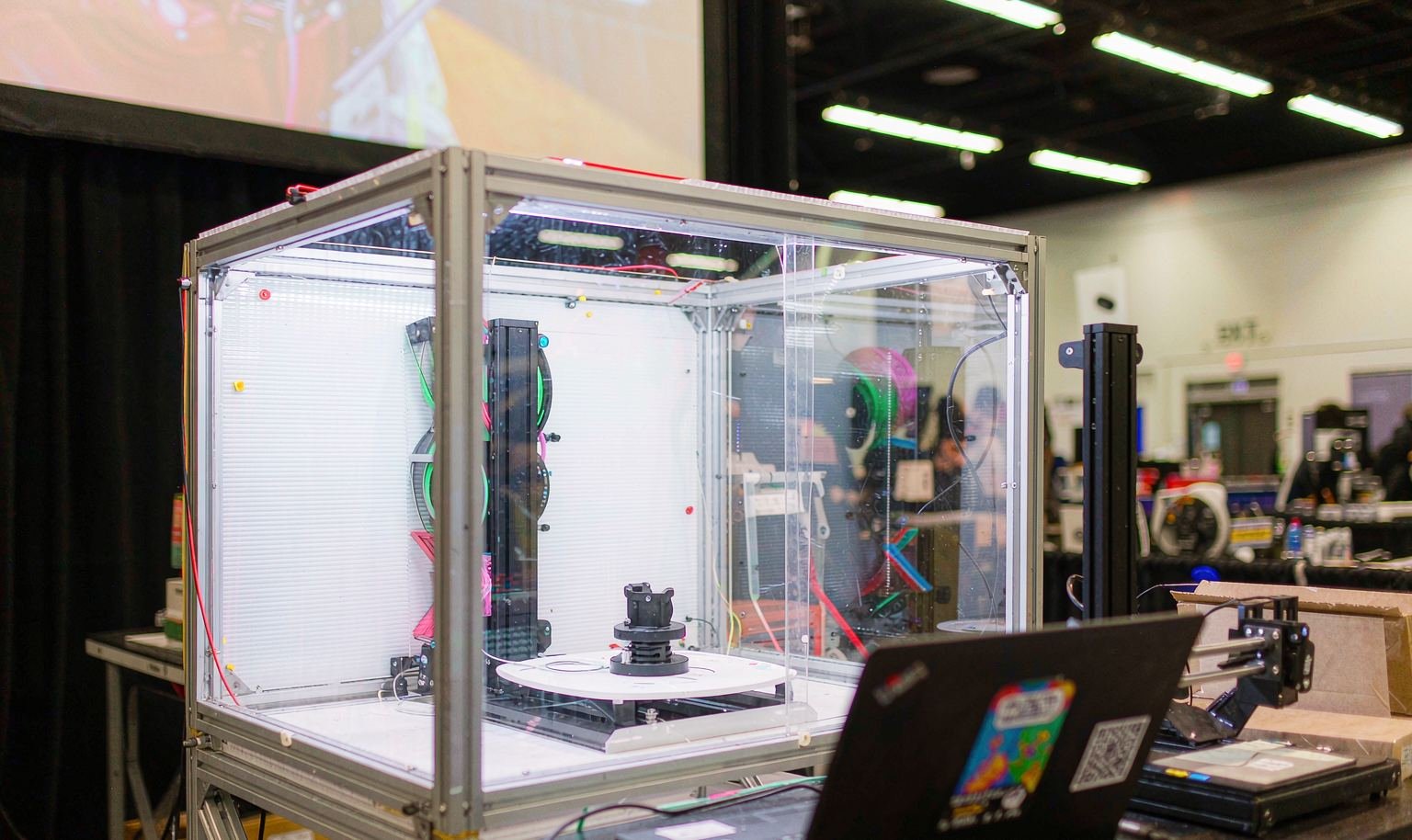
A powered or connected grid demonstration can depend on the booth, customer equipment and official services at the same time. Record each device, voltage, connection, network source, cable route, screen, support, delivery method and technical owner before pricing. King Exhibits can design around that schedule and quote its accepted work. The current exhibitor resources still determine who provides electrical labor, internet, material handling, rigging, approvals and other controlled services.
Keep Utility Meetings Working While the Demo Repeats
The public demonstration should be easy to join, understand and reset; an account meeting needs continuity and room for technical specialists. Place reception where staff can identify an appointment without blocking the screen. Keep drawings, coats and spare devices in nearby storage, then give the meeting zone an appropriate visual and acoustic buffer. The booth can continue attracting new visitors while sales and engineering teams work through integration, deployment and procurement questions.
Carry One Interface Schedule from 3D Design to the Floor
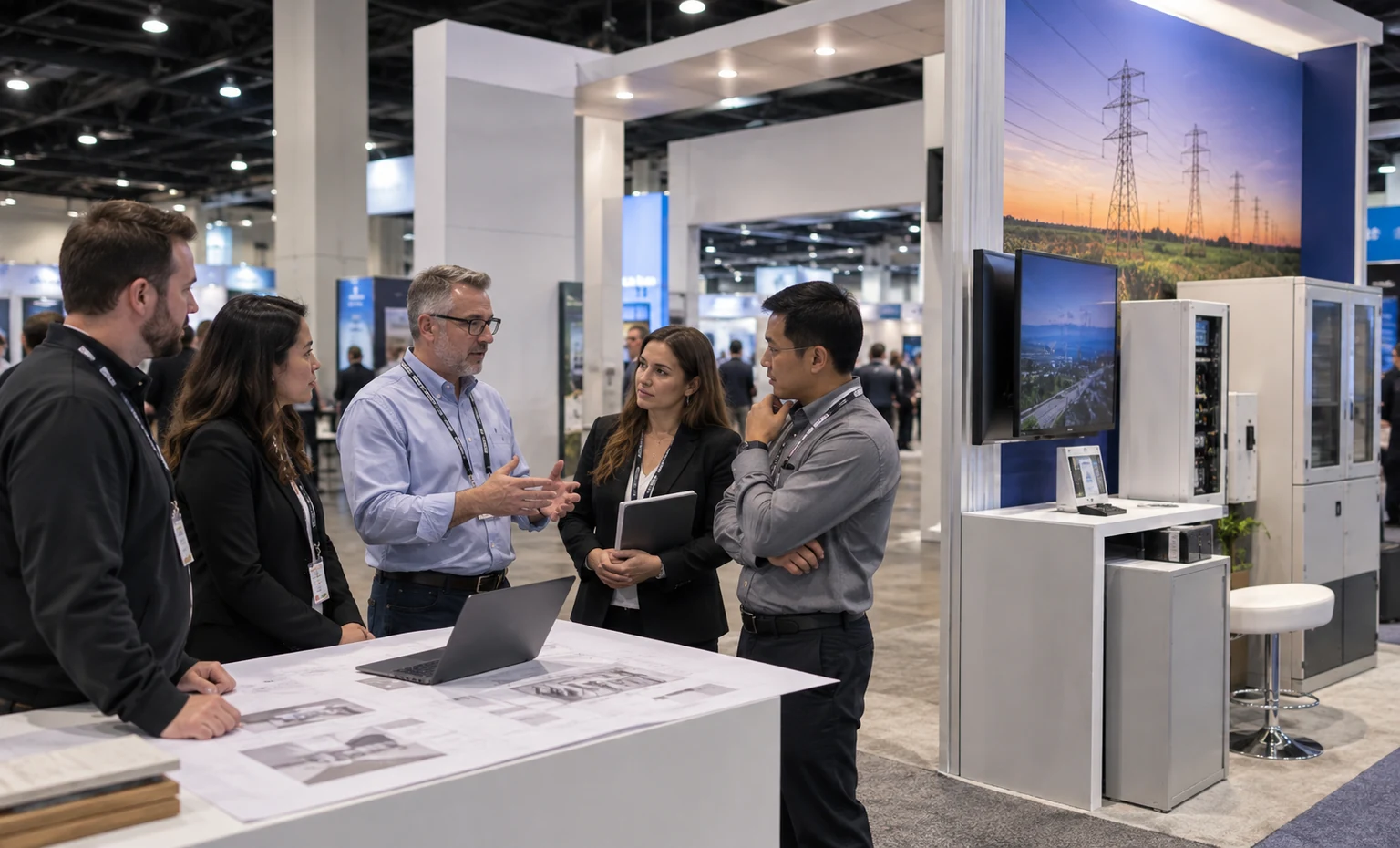
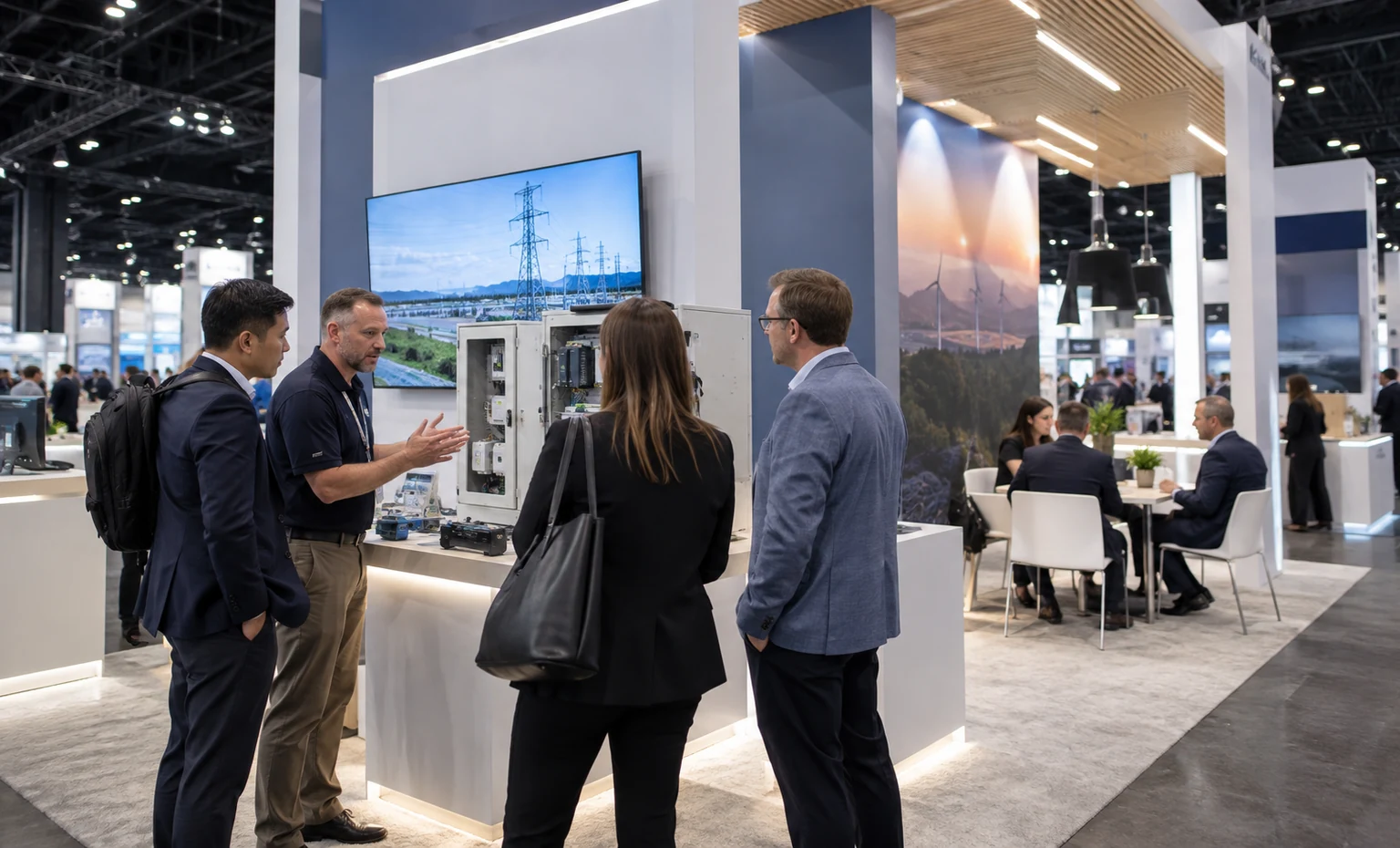
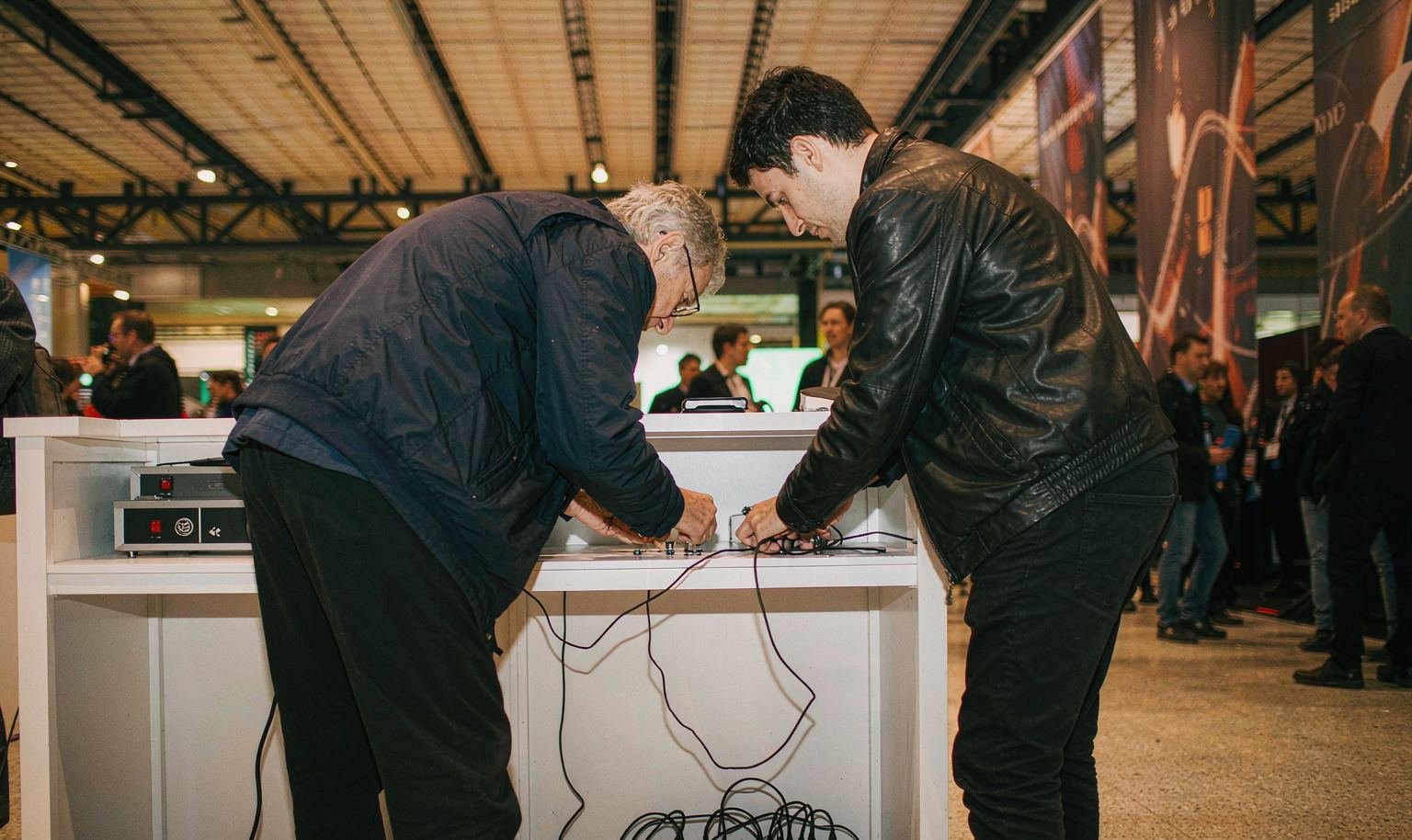
King Exhibits has supported U.S. exhibit projects since 2008. For a DTECH booth, we place the confirmed field devices, cabinets, screens, demo stations, cable paths, storage and meeting areas into the same 3D plan as the rental structure. Marketing can review the story, product teams can check terminology, engineers can examine interfaces, sales can test the handoff and procurement can compare the physical scope.
Standard rental components provide the reusable environment. When the approved plan needs a product-specific base, opening, surround, screen position or work surface, confirmed dimensions can support selected custom details through our CNC and wood-fabrication capabilities. Graphic production follows the approved grid story and equipment positions. Key interfaces can be checked before packing when that work is included in the project scope.
Our quotation identifies the rental structure, custom details, graphics, packing, transportation and field work assigned to King. It also records the customer equipment and the services that remain with the organizer, venue or official provider. That written responsibility split helps the design team avoid missing interfaces and gives purchasing a more accurate basis for comparing proposals.
Close the Current DTECH Requirements Before Production
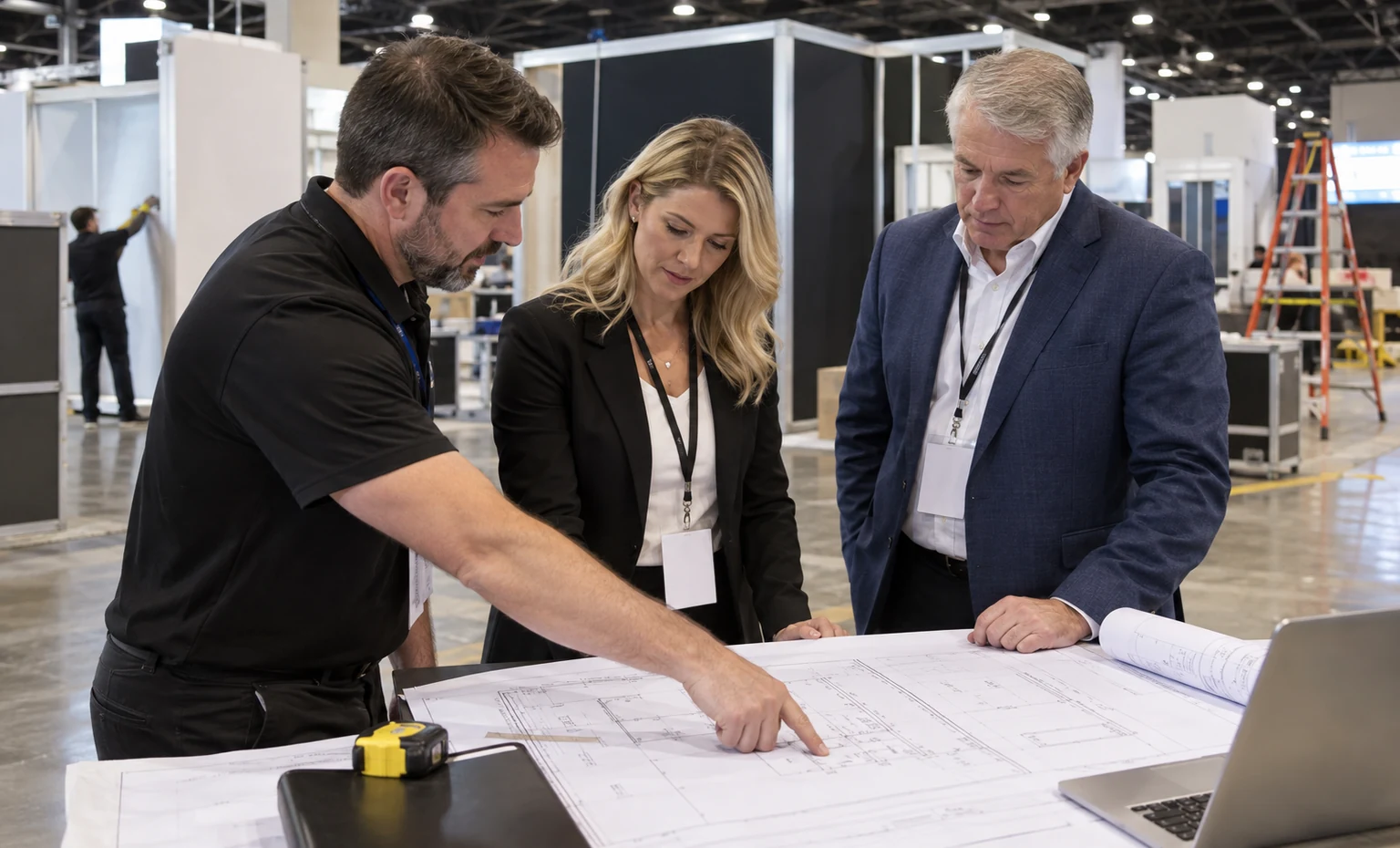
Use the current hall, booth number, dimensions, open sides and published display rules. Linear-booth height and sightline limits can change where tall graphics, monitors and equipment belong. A floorplan or design that exceeds the published limits needs written review before production.
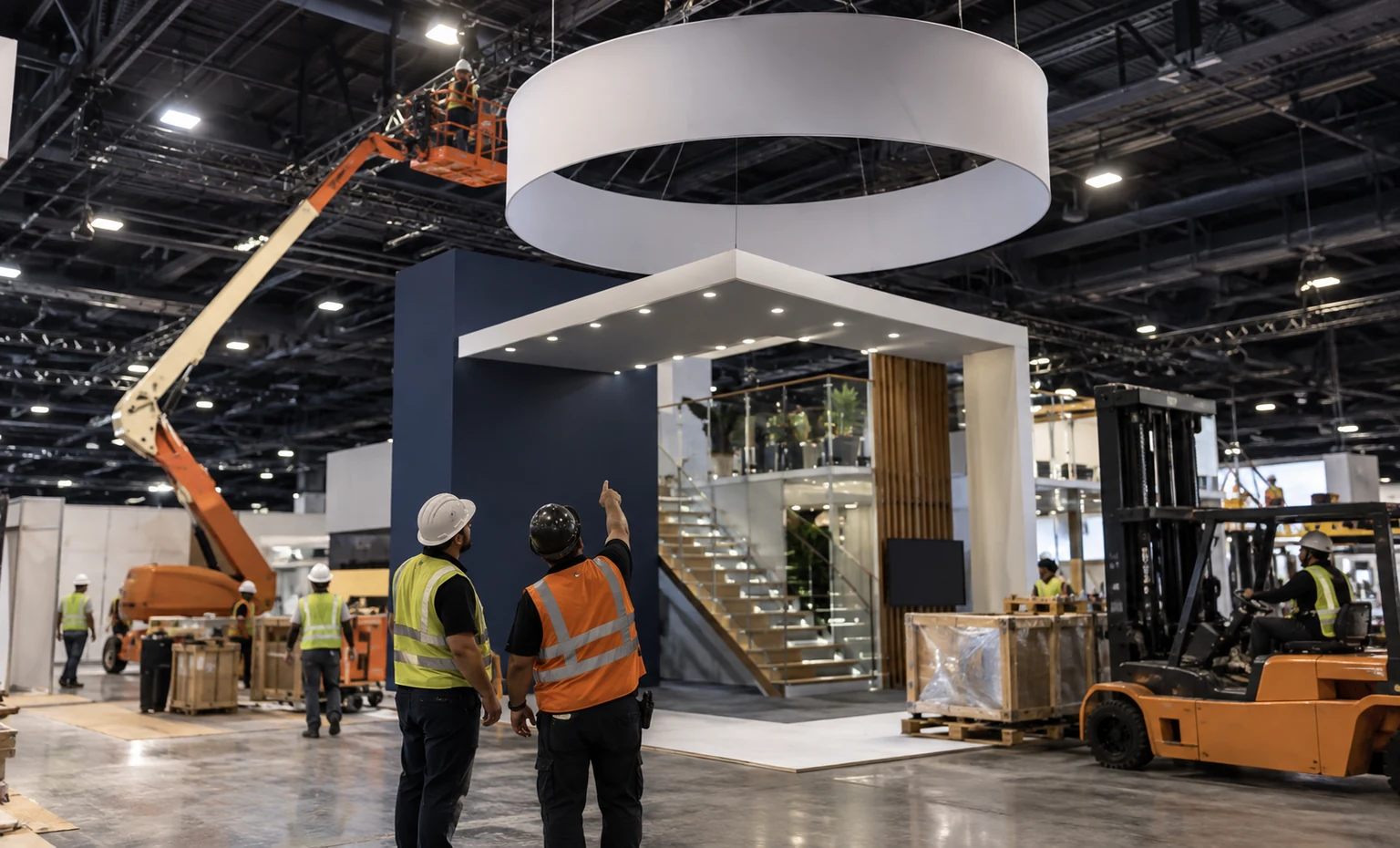
List heavy equipment, tall elements, hanging signs, multistory structures and any live or powered demonstration early. Current DTECH, facility and service-provider requirements determine drawings, engineering, permits, handling and approval. The exhibit design should not treat an older edition’s rule as permission for Atlanta.
DTECH’s current general exhibitor page says exhibitors must submit a Certificate of Insurance. Confirm the named insured, limits, additional insured language, due date and any external-contractor documents in the final exhibitor resources. King supplies information only for the responsibilities accepted in its written scope.
Confirm the current provider and order method for power, internet, material handling, rigging, cleaning, booth services and other controlled work. King Exhibits is an independent booth supplier, not DTECH, Clarion Events, Georgia World Congress Center or the event’s official service provider. The accepted proposal states which coordination or field work King will perform.
From Grid Use Case to a Buildable DTECH Exhibit
What You Provide: Priority utility accounts and roles, the grid condition, featured solution, approved claim and the technical or commercial next step.
What We Do:
What You Provide: Equipment and samples, dimensions, weight, support points, access, screens, software sequence, data environment, network dependency and technical owner.
What We Do:
What You Provide: Voltage and connection needs, cable routes, internet or local network, heat, sound, moving parts, delivery orientation, handling, commissioning and shutdown plan.
What We Do:
What You Provide: Booth assignment, open sides, graphics, staff count, appointments, privacy, reception, storage, budget range and requested services.
What We Do:
What You Provide: Consolidated approval, artwork, current exhibitor resources, COI requirements, official orders, shipping plan and onsite contacts.
What We Do:
What You Provide: Final files, released product data, shipment status and authorized technical representatives.
What We Do:
Yes. Start with one operating use case and provide the field device or sample, system architecture, screen sequence, approved claims, network mode and buyer action. King Exhibits can place the hardware, graphics, screens and discussion area in one rental exhibit plan. Your technical team remains responsible for product operation, credentials, data and commissioning unless the written scope says otherwise.
Provide every device, voltage, load, plug or hardwire requirement, network source, cable path, screen, mounting point, heat, sound, moving part, operator position, reset method and shutdown procedure. Identify what can run offline and who owns the live system. We use the confirmed interface list to design and quote the booth while current DTECH providers handle controlled services assigned to them.
Possibly, once the actual item and handling plan are known. Send packed and display dimensions, weight, center of gravity, support or anchor points, doors and panels, inspection sides, lifting method, arrival route and commissioning needs. We can develop quoted exhibit supports or surrounds from approved data; the current event rules and assigned providers control freight handling, rigging, placement and related approvals.
The current exhibitor manual and accepted proposal determine the responsible party for each service. King Exhibits records the booth-side requirement and can include agreed coordination in its scope. Electrical labor, internet, material handling, rigging, approvals and other event-controlled services remain with their assigned providers unless a written quotation clearly states a permitted responsibility.
The official DTECH site currently lists March 1–4, 2027 at Georgia World Congress Center in Atlanta, Georgia. Recheck the official event page, hall assignment, move-in schedule, exhibitor manual and deadlines before approving production or placing service orders.
Send the active edition, hall and booth number, footprint, open sides, target utility buyers, grid use case, equipment dimensions and weights, software demonstration, power and network needs, graphics, screens, storage, meeting plan, freight information, budget range, timing and the exhibit or field responsibilities you want King Exhibits to quote.