
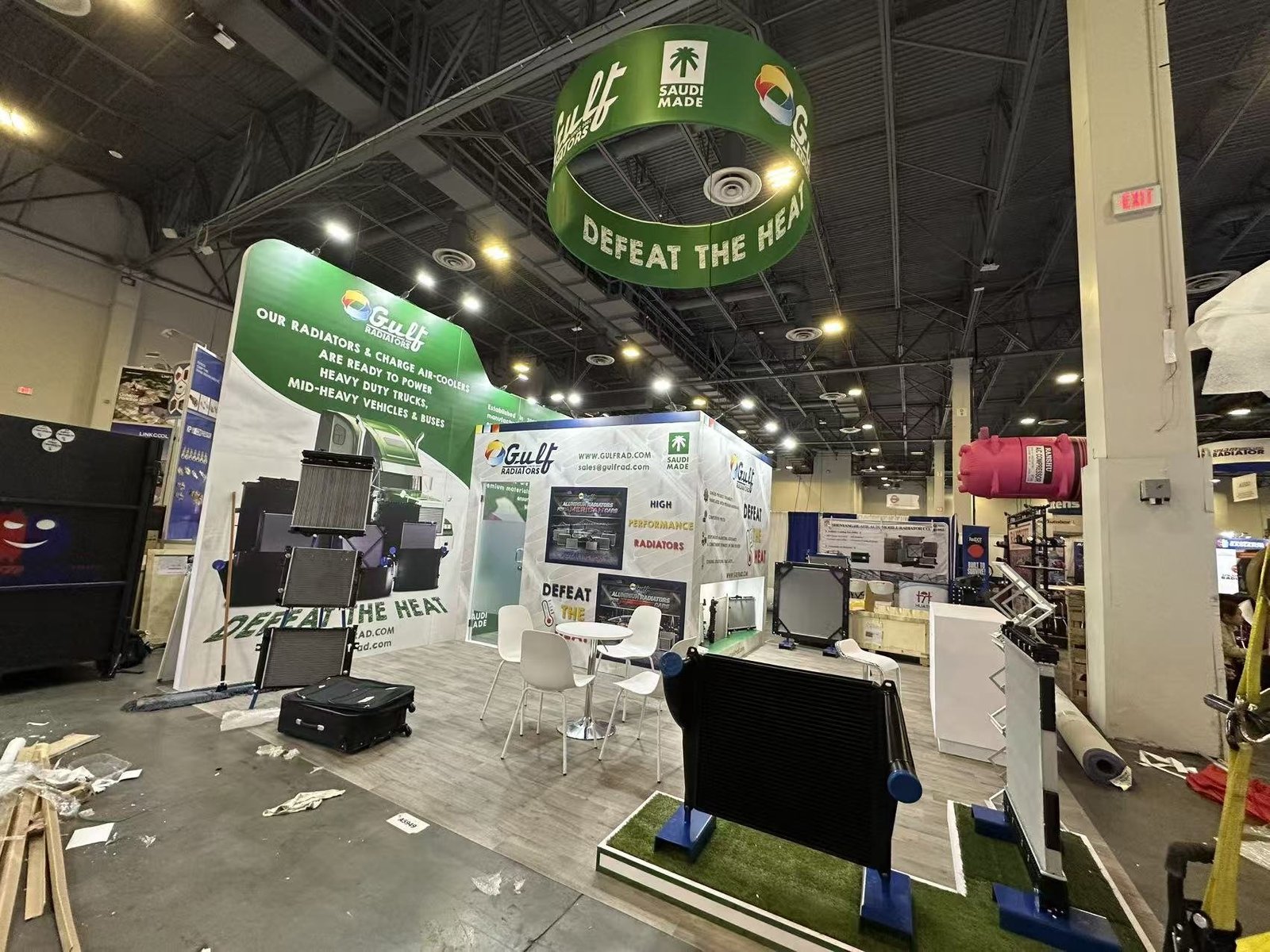


Inputs for a David L. Lawrence Convention Center Booth
Share the sales plan and evidence behind the build:
• Hall, booth number and approach directions
• Products, screens and visitor proof points
• Sustainability claims and approved supporting evidence
• Reusable assets and next-show requirements
• Lighting, meetings and staff storage needs
• Budget, approvals and field responsibilities
Make the Booth Evidence for the Brand Position
David L. Lawrence Convention Center was designed around natural light, open space and environmental performance. A company promoting efficient products or responsible operations has an opportunity to make its exhibit choices support that story. King Exhibits begins with the claims the client can prove and the decisions a visitor should make. Reusable rental structure, replaceable graphics, edited materials, practical packing and a documented next use can become part of the evidence. The design also accounts for daylight, screen visibility, product finishes, meeting needs and staff operation. This avoids a sustainability message placed on top of an unnecessarily disposable booth. Procurement receives a functional scope it can compare, while marketing receives a Pittsburgh exhibit in which the brand promise and physical experience reinforce each other.
Turn Sustainability Language into Project Choices
Begin with claims the company already supports through product data, corporate reporting or approved sales evidence. Then decide how the exhibit can act consistently with them. Reusable framing, rental components, graphic skins sized for replacement, durable cases and a planned second use may matter more than a decorative green message. King Exhibits records the chosen actions in the booth scope. The page and sales team can discuss what was actually specified without making broad environmental claims that the project cannot document.
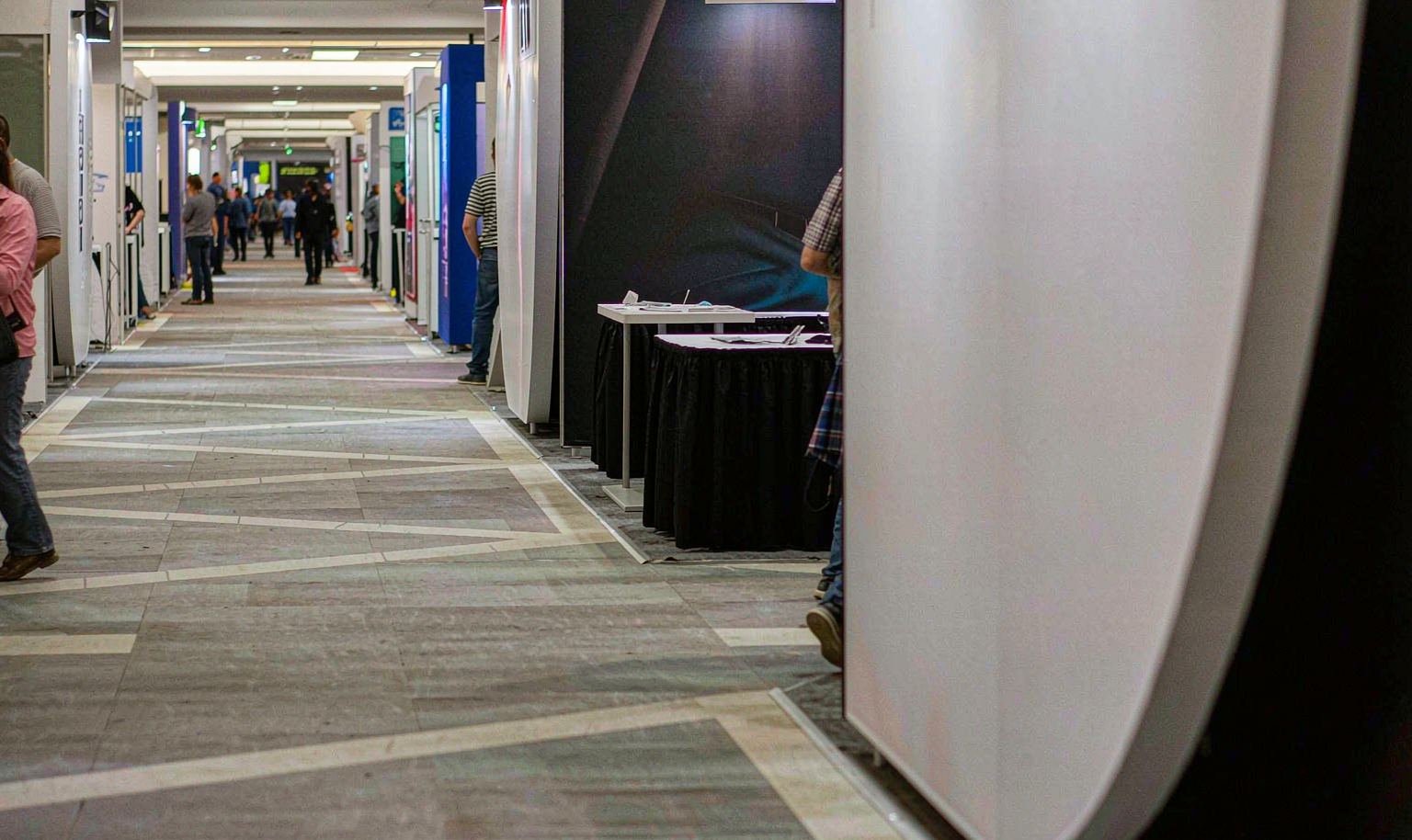

Test the Visual Story for Natural Ligh
The venue’s expansive windows bring daylight into the building. A screen that looks strong in a dark rendering may lose contrast, while glossy products and graphics can reflect the hall around them. Share event hours, booth orientation, screen content, product finish and the detail visitors must see. King Exhibits can adjust viewing direction, graphic material, feature lighting and enclosure in the 3D design. The exact live condition still depends on the assigned floor position, making current placement more useful than a venue-wide assumption.
Use Openness to Improve Product Access
A column-free hall can create long views and flexible approach routes. Use that openness to reveal the product and make qualified entry easy. King Exhibits places the distant brand marker, closer evidence, demonstration and conversation around the current open sides. Storage and service access remain behind the guest experience without creating a closed perimeter. The design becomes spacious because the visitor path is clear, not because the booth leaves functions unresolved. Each wall or enclosure must earn its effect on privacy, presentation or operation.

Decide the Next Use Before Choosing What to Own
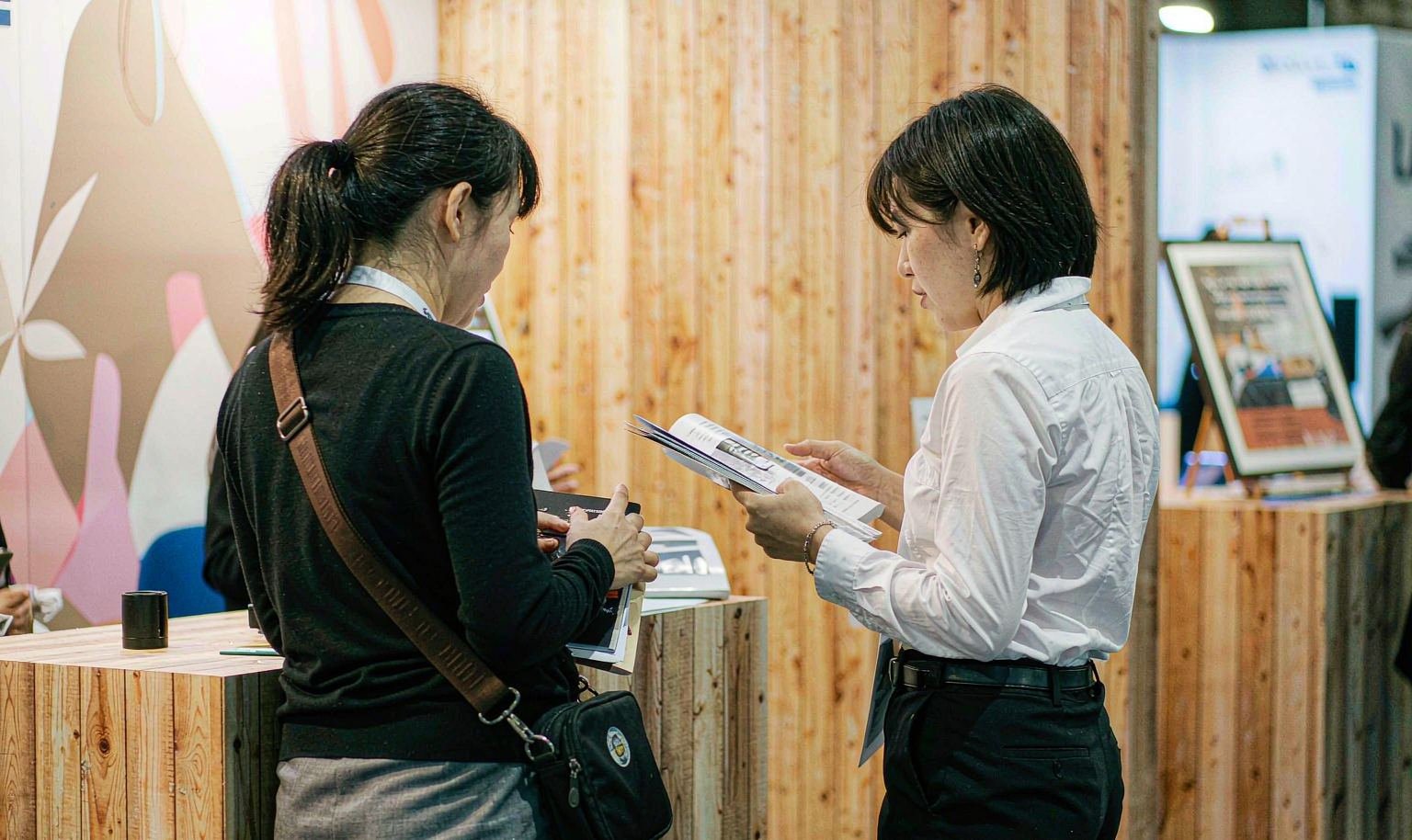
List the next likely show, footprint, product set and graphic change before approving permanent custom work. A distinctive feature may deserve ownership when it can travel and remain relevant; rental structure may be more economical when the next layout is uncertain. King Exhibits compares those roles within the design and records what will be rented, retained, replaced or discarded. Procurement can evaluate this event and the expected second use together, while the production team protects reusable pieces through packing and storage instructions within the agreed scope.
Senzani — 20×30 Exhibit at PACK EXPO 2025
Senzani’s completed 20×30 exhibit is a verified King Exhibits reference for combining equipment, branded production and reusable exhibit logic. It was not installed at David L. Lawrence Convention Center and does not represent a Pittsburgh sustainability claim. Buyers can use it to review finish, product access and component discipline. The Pittsburgh booth will be developed from the current assignment, approved evidence, daylight conditions, reuse plan and accepted scope.

Reuse Decisions Remain Visible After Design Approval
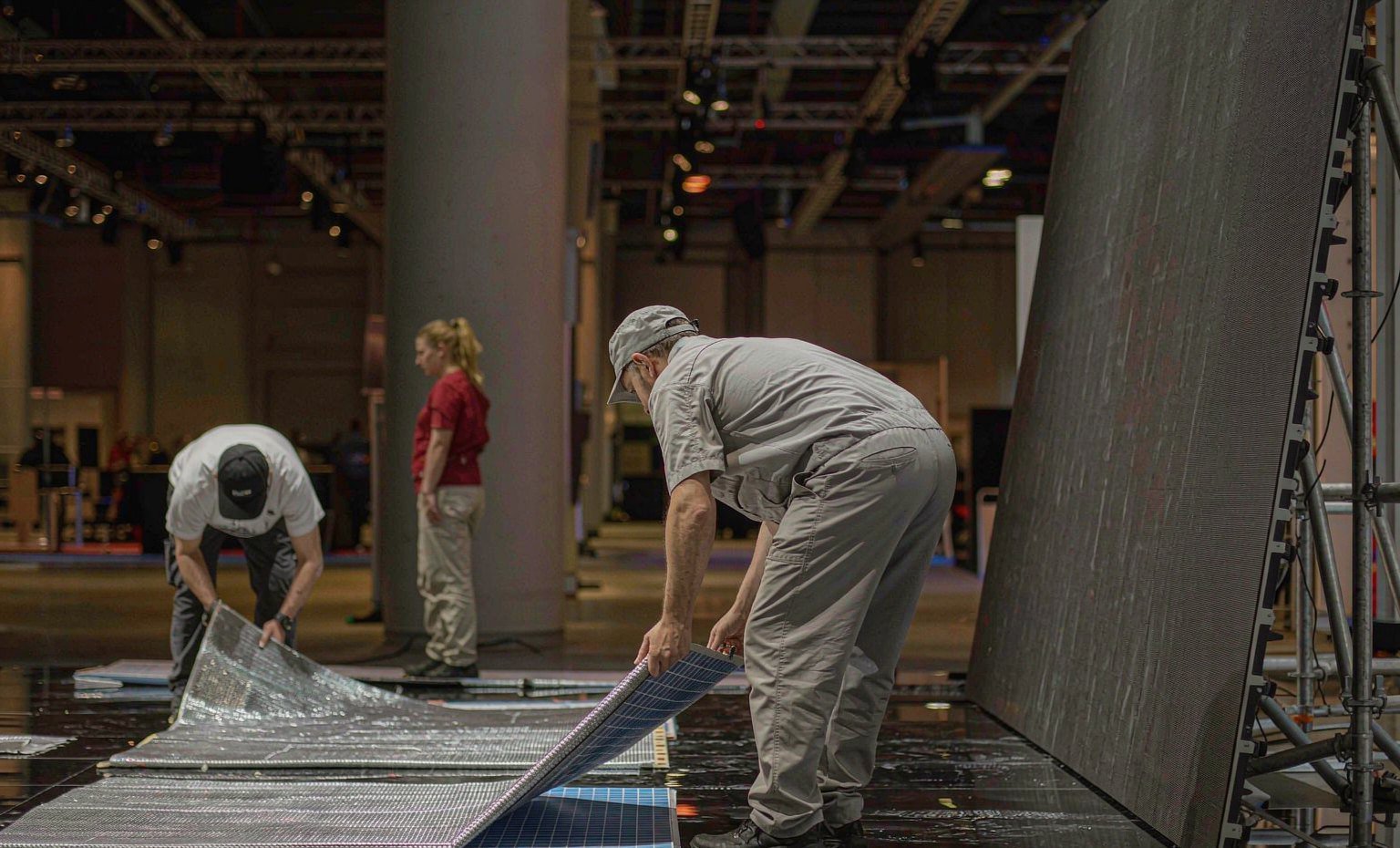
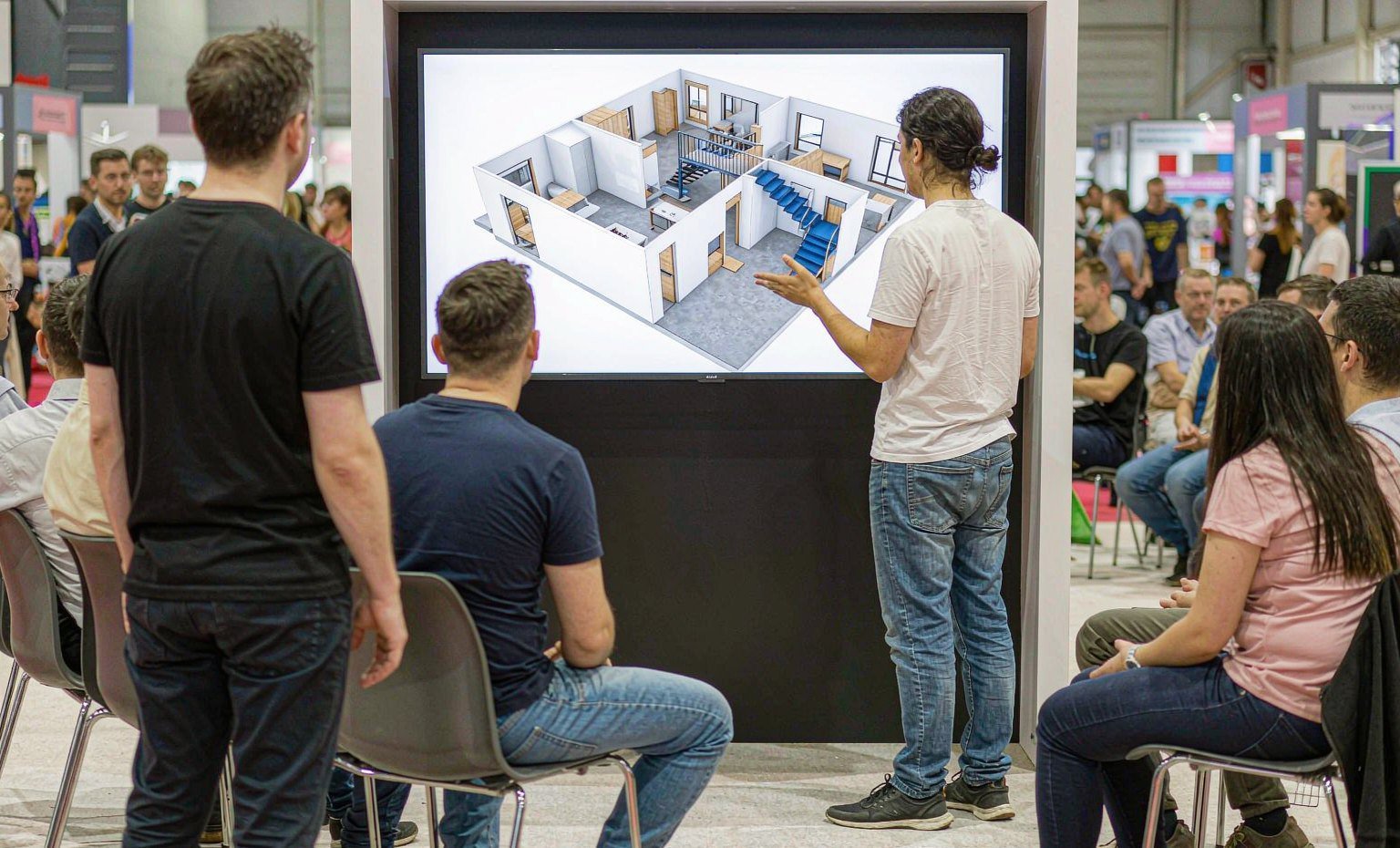
King Exhibits has supported U.S. exhibit projects since 2008. Our Las Vegas-based production support includes 3D design, rental preparation, custom graphics, CNC work and wood fabrication. Components intended for reuse can be identified beside replaceable graphics and event-specific pieces in the working record. Important assemblies may be checked before packing when included in the scope, and retained parts can be documented for the next project. That gives the client operational evidence behind a reuse strategy rather than relying on a sustainability sentence added after the booth has already been specified.

Approve the Claim, Experience and Second Use Together
The booth is judged by what it proves now and what remains useful afterward.
Share the audience, sales claims, supporting proof, products and environmental commitments approved for the show.
Review daylight, approaches, screens, product access, conversations, storage and staff operation in 3D.
Identify reusable structure, new custom work, replaceable graphics, packing and the next known application.
Production and agreed field support follow the approved scope; retained pieces remain identified for the next decision.
Yes, when the message is supported by approved company evidence and specific exhibit decisions. King Exhibits can document rental or reusable structure, replaceable graphics, durable cases and a planned second use within the project scope. The client remains responsible for substantiating product and corporate environmental claims. Avoid broad language such as zero waste or carbon neutral unless the complete evidence and measurement method have been independently confirmed.
It can. The effect depends on the assigned position, time of day, surrounding structures, screen brightness, content contrast and product finish. Share the current floor plan and visual requirements before the design is approved. King Exhibits can review screen orientation, graphic material, feature lighting and selective enclosure in 3D, reducing dependence on a dark condition that may not exist during the live show.
The official venue FAQ states that direct shipments can arrive only during event move-in days because the center cannot accept them in advance. It recommends using the exhibitor manual and general service contractor for advance-shipping instructions. Share the current route before dispatch. King Exhibits can prepare packing and labels within its accepted scope, while the exhibitor or freight owner confirms dates, carrier release and outbound pickup.
Send the show dates, hall, booth plan, open sides, audience, products, approved claims, evidence, screens, daylight concerns, meetings, graphics, reusable assets, next-show plan, budget, approval date and requested field support. Include the current exhibitor manual and shipping information. King Exhibits uses the complete brief to design the sales experience, recommend rental and custom elements and define the scope behind the price.