


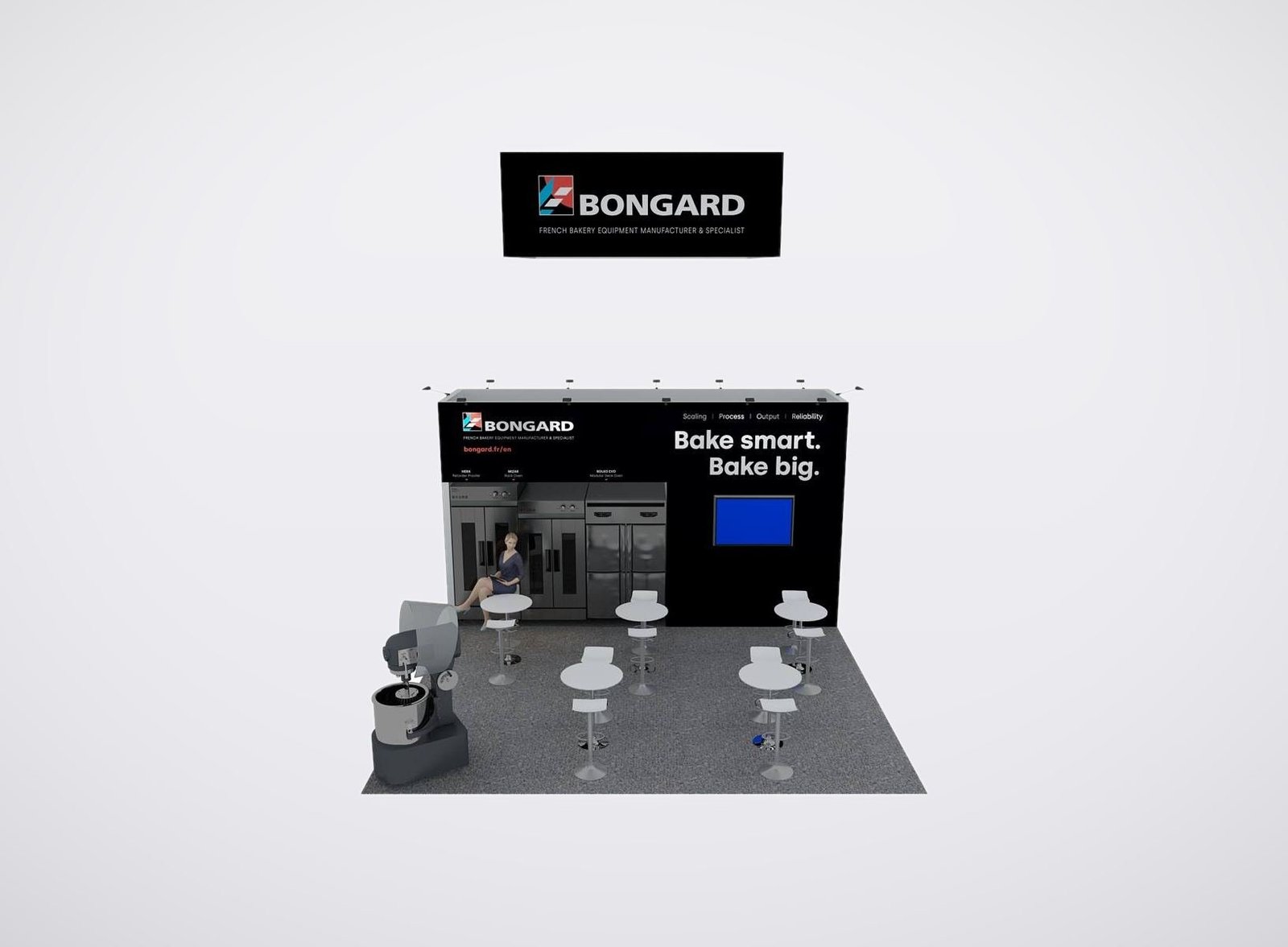
A Chicago Travel Exhibit Built Around What You Sell
This show-specific exhibit rental can combine walls or frames, campaign graphics, reception and consultation counters, product or brochure displays, monitor positions, lighting, flooring and secured storage. Selected custom elements, transport and installation or dismantling support are added only when they appear in the signed quotation. The result is a defined booth package rather than an unspecified promise of turnkey service.
Move Visitors from Inspiration to a Useful Travel Conversation
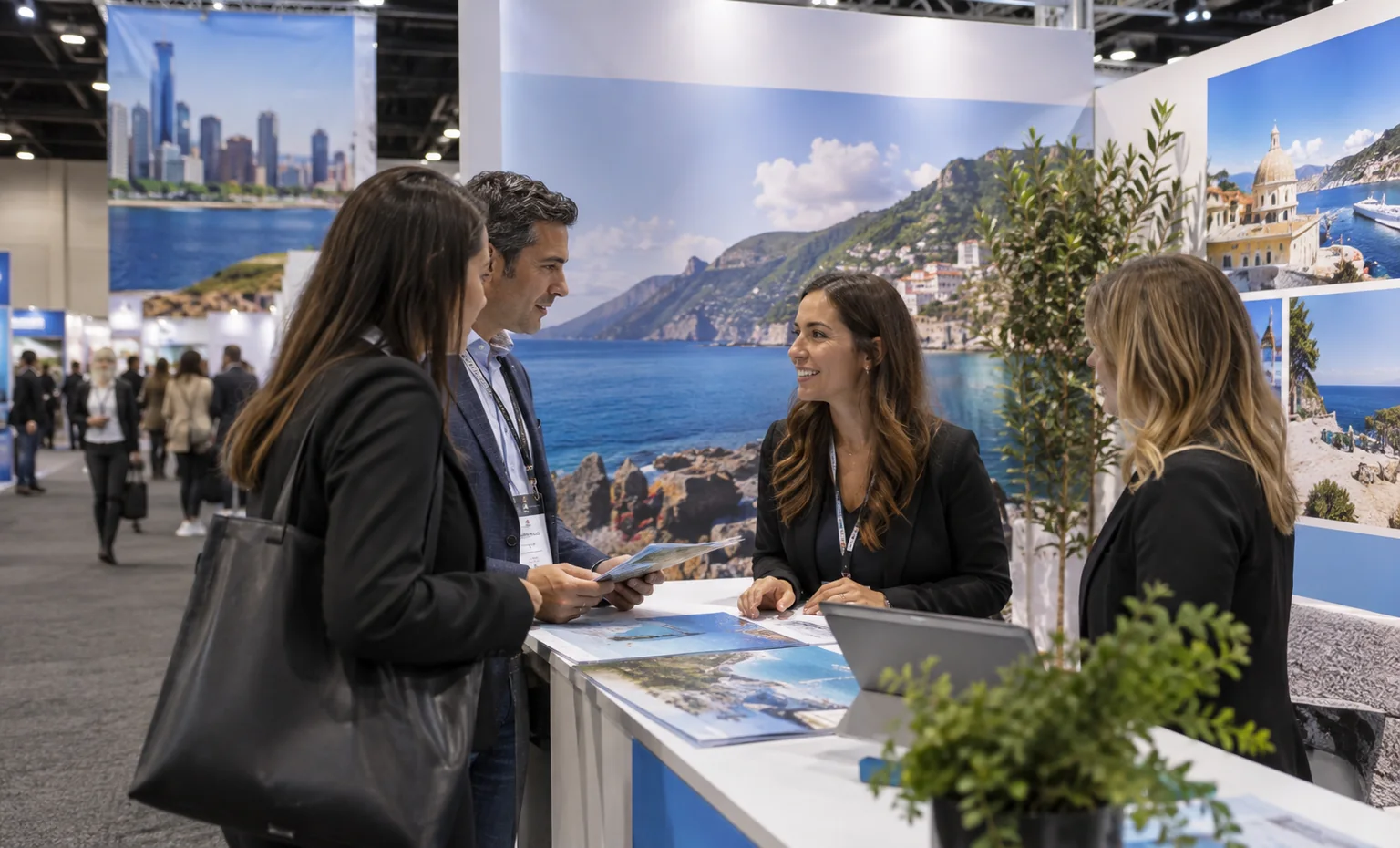
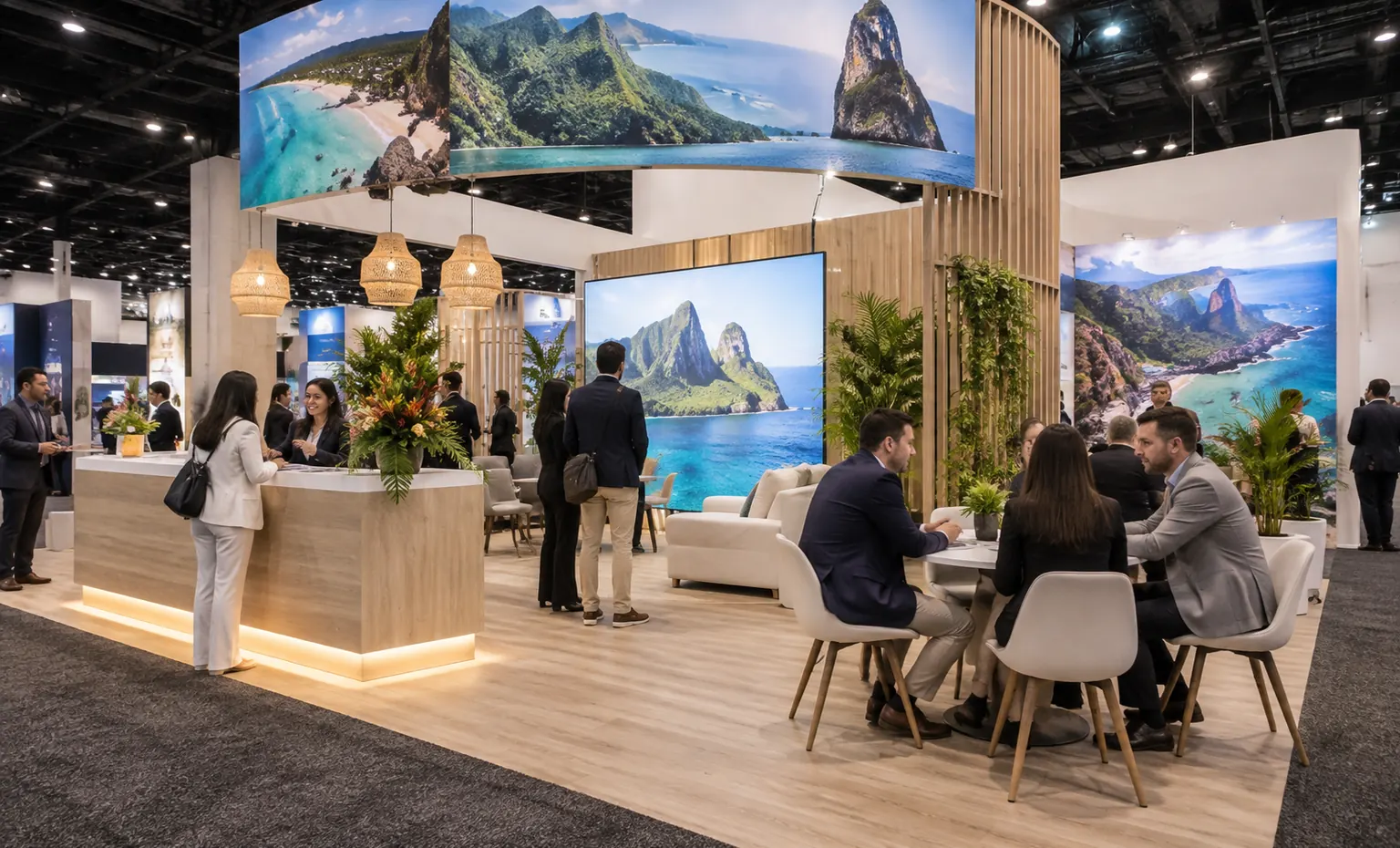
A travel booth sells an experience that cannot be placed on a pedestal. The exhibit therefore needs to make a destination or itinerary understandable before staff begin explaining it. King Exhibits starts with the featured place, traveler, route or service, then arranges the largest image, supporting offers, video, printed material and conversation points around that decision.The layout also has to work at different speeds. A travel advisor may want a focused program discussion, while a consumer may stop for a photo, compare trips, collect a guide or scan for follow-up. Clear sightlines, an open entry, reachable collateral and storage behind the working counter keep those interactions from competing for the same space. Your assigned footprint, staffing and campaign priorities determine which functions stay and which are removed.
Build the Booth Around the Conversations You Need
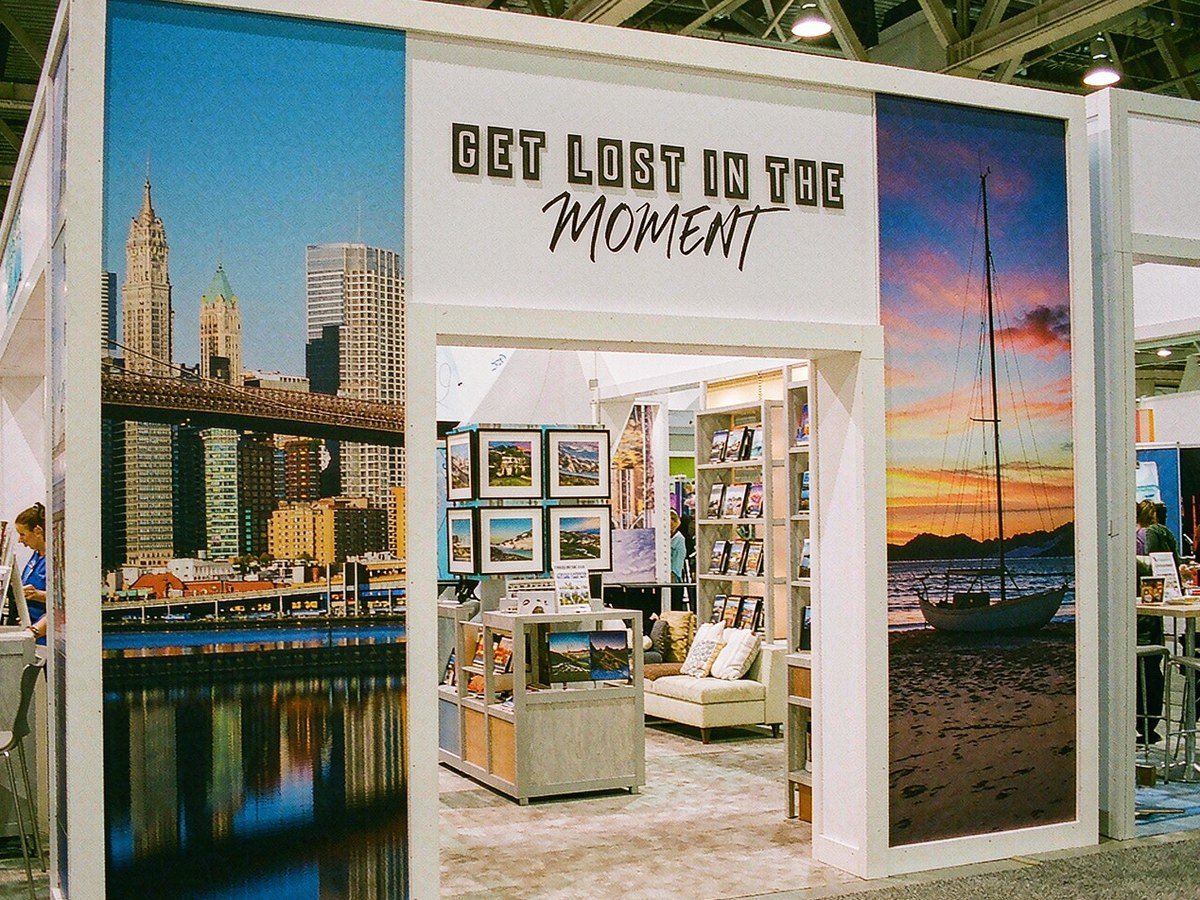
Use large-format place imagery, a short promise and an open foreground to help passing visitors recognize the experience without blocking the aisle.
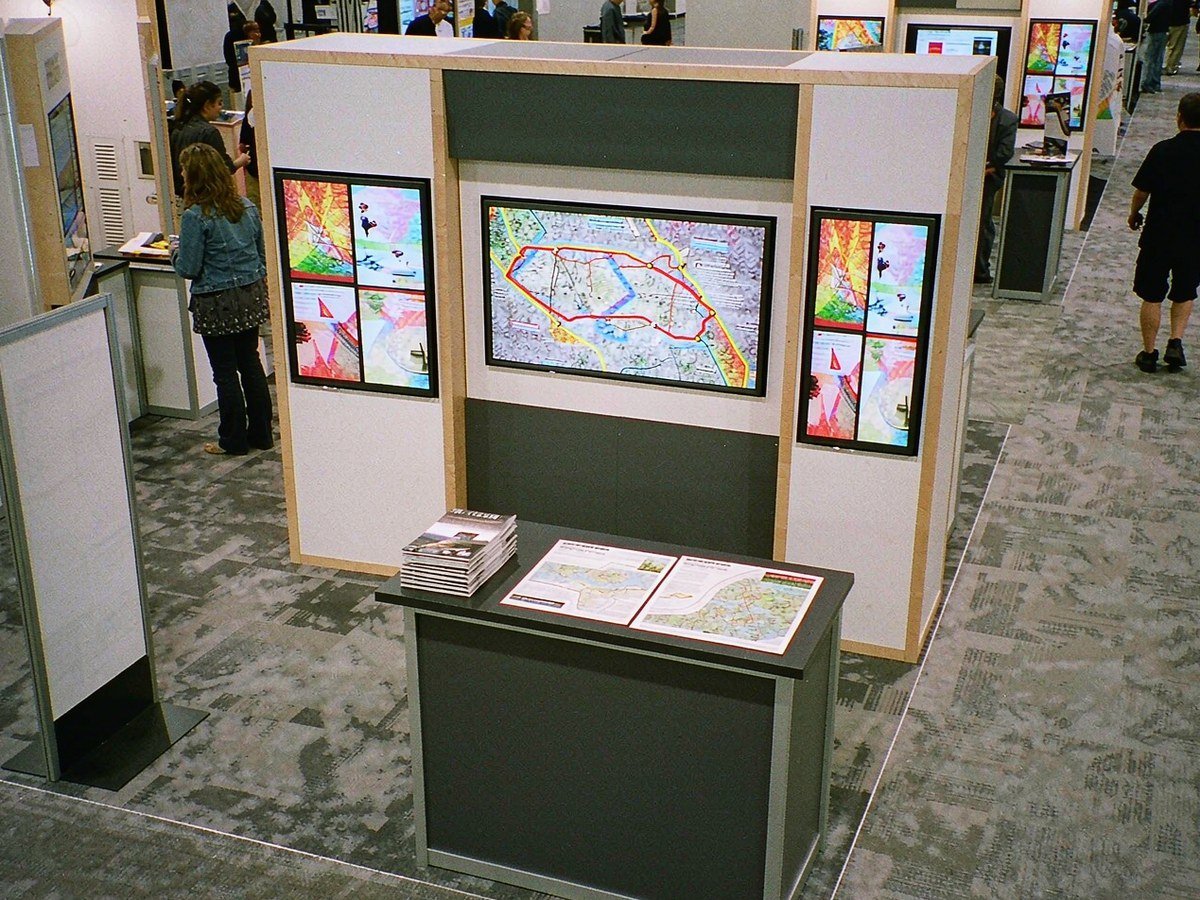
Organize trip cards, route maps, screens or sample itineraries at one comparison point so staff can explain choices without spreading material across the booth.
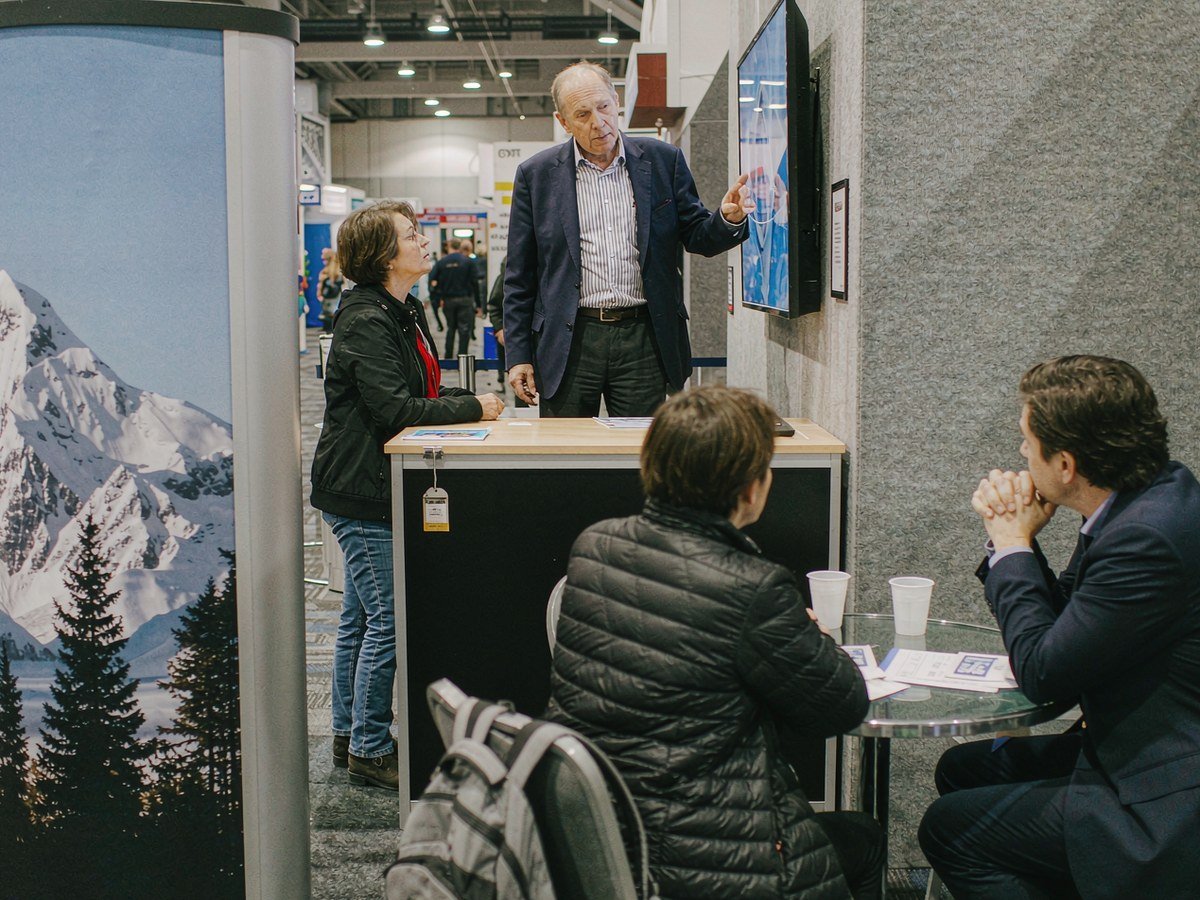
Provide a compact standing or seated discussion area for trade partners, with screens and documents positioned for a focused program conversation.
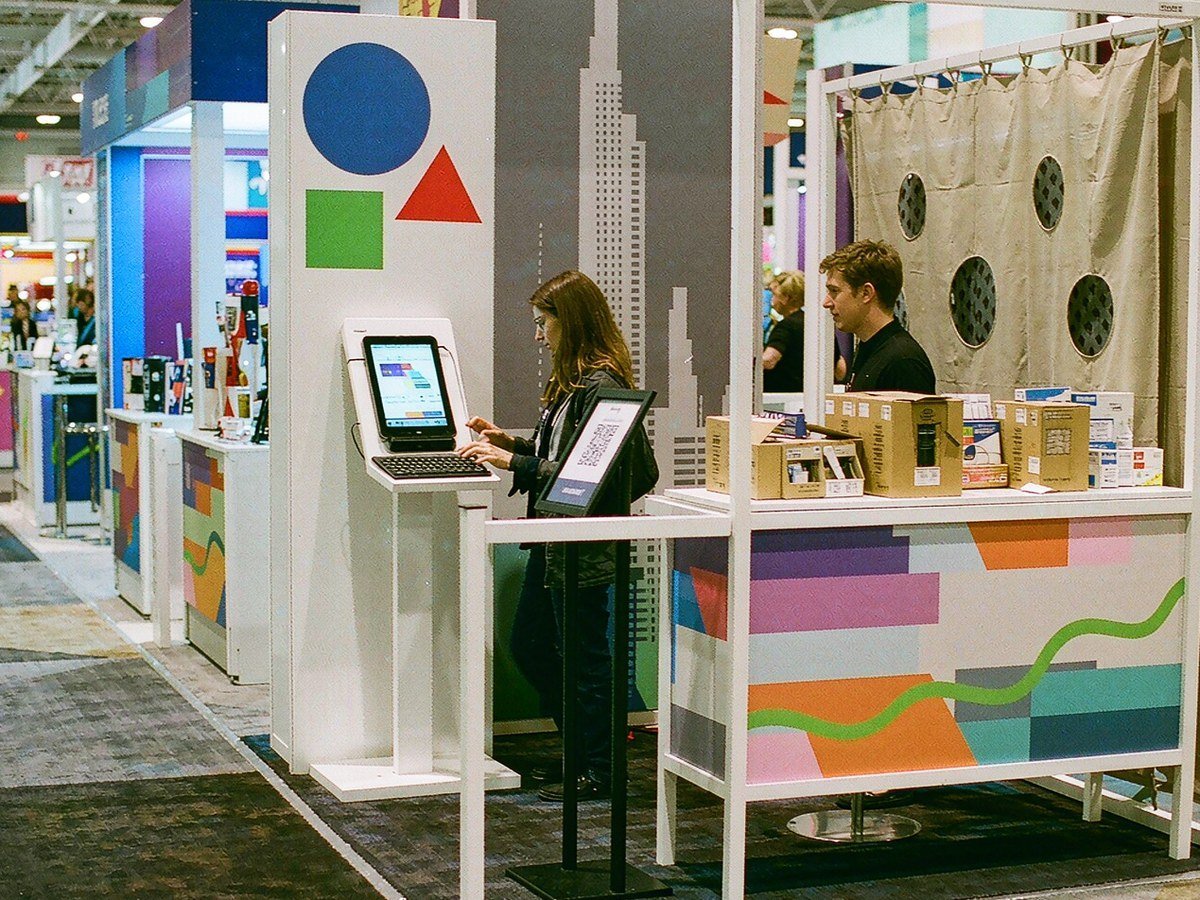
Place the scan, form or QR action where it is visible after the visitor understands the offer, while keeping giveaway pickup and staff circulation clear.
Prepare for Travel Advisors Before Public Traffic Builds
The current Chicago exhibitor schedule gives travel advisors access before the public opening on Saturday. Use that first period for focused program or partnership conversations, then let the same booth open naturally to consumer trip planning. A consultation counter should not close the entrance, and public lead capture should not interrupt an advisor meeting. Confirm staff roles, appointment volume and the handoff between those two visitor modes before the 3D layout is approved.

Connect Destination Imagery, Offers and Follow-Up
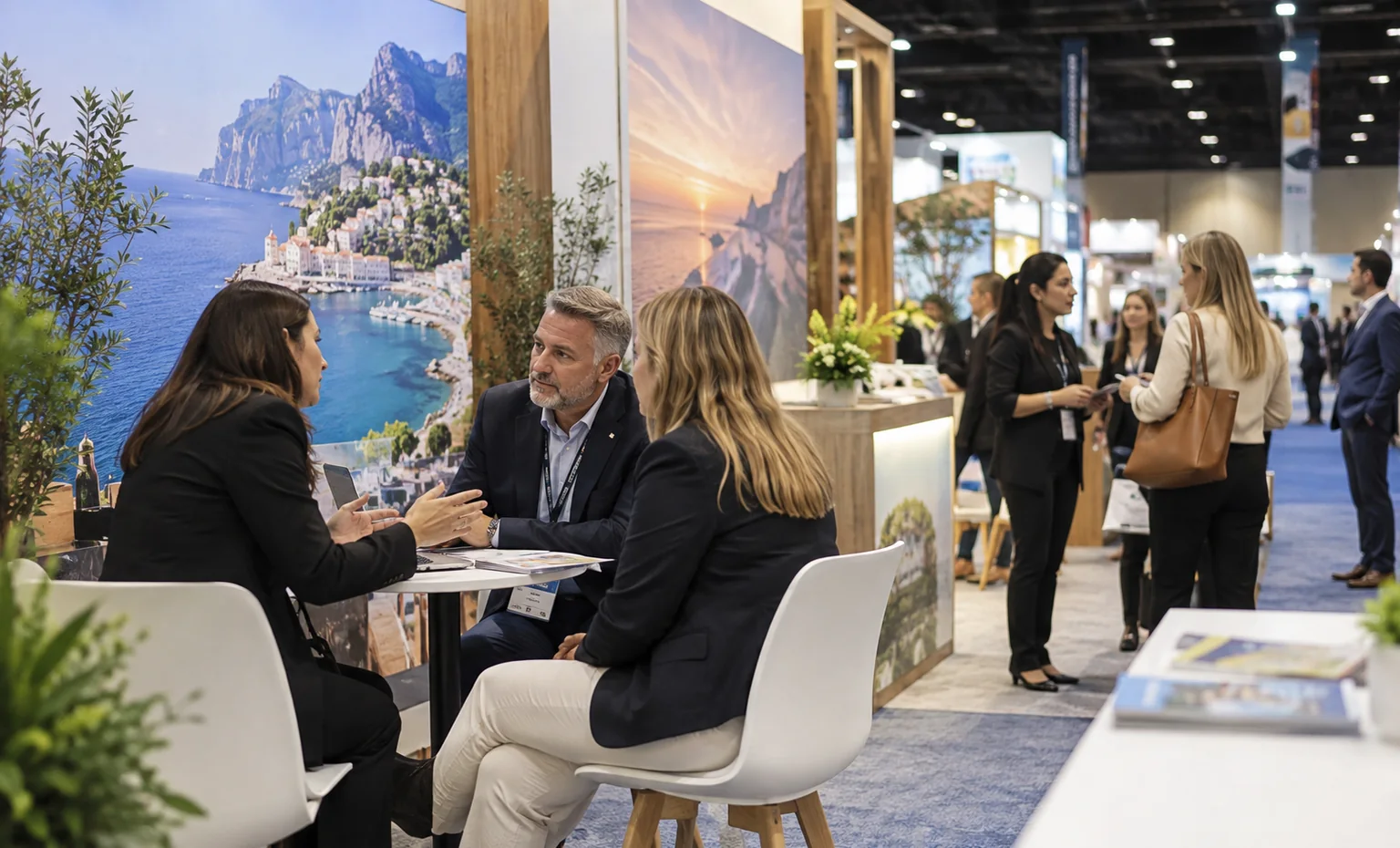
Start with the one place, route or experience that should earn the stop. Supporting graphics can explain who the trip suits, while a screen, itinerary display or staff conversation adds depth. Place brochures and giveaways after the main story, not across the entrance, and keep refill stock out of sight. The lead action should follow the offer: book a consultation, request an itinerary, join a list or scan for a promotion that your team is authorized to provide.
Separate the Rental Exhibit from Official Chicago Show Orders
Our proposal lists the design, rental structure, graphics, selected fabricated elements, transport and onsite work that King Exhibits will provide. The exhibitor may still need to order or pay for space, material handling, electricity, internet, cleaning, venue furnishings or other official services through current show channels. Provide the contracted booth package, floor plan and service status before quotation. A responsibility table can then expose missing orders and prevent the booth price from being mistaken for the total event budget.

Keep the Approved Design Aligned with Graphics and Build
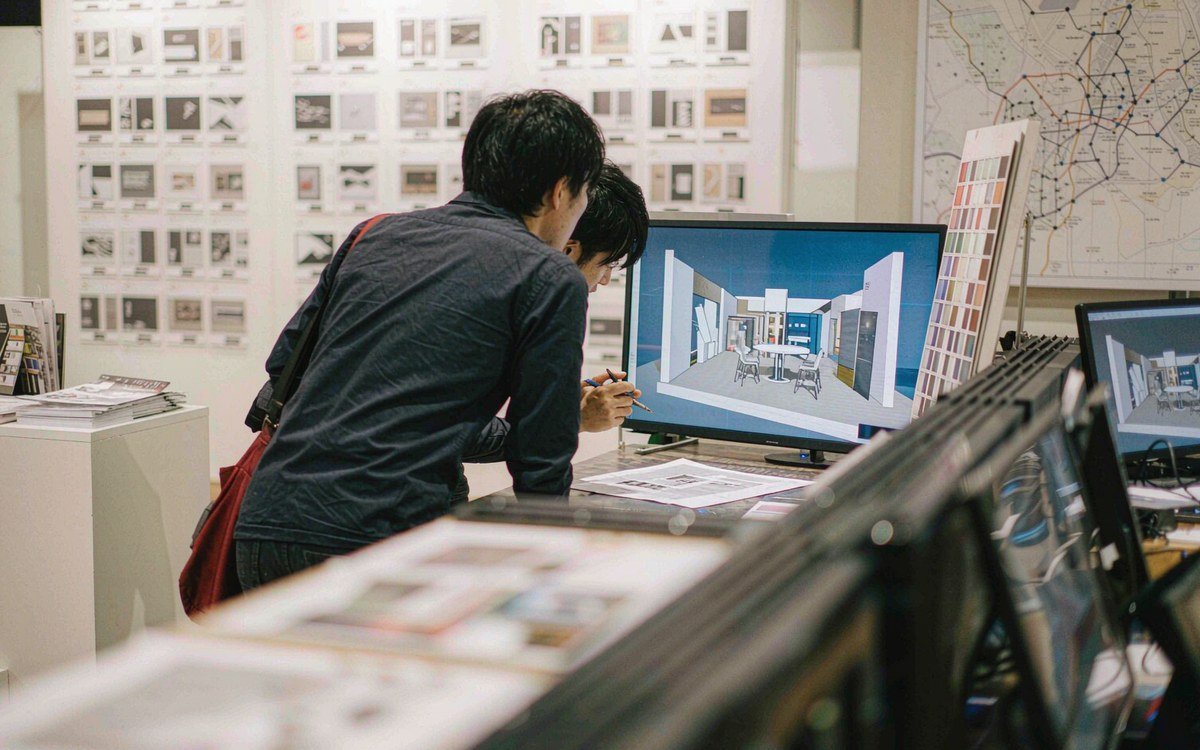
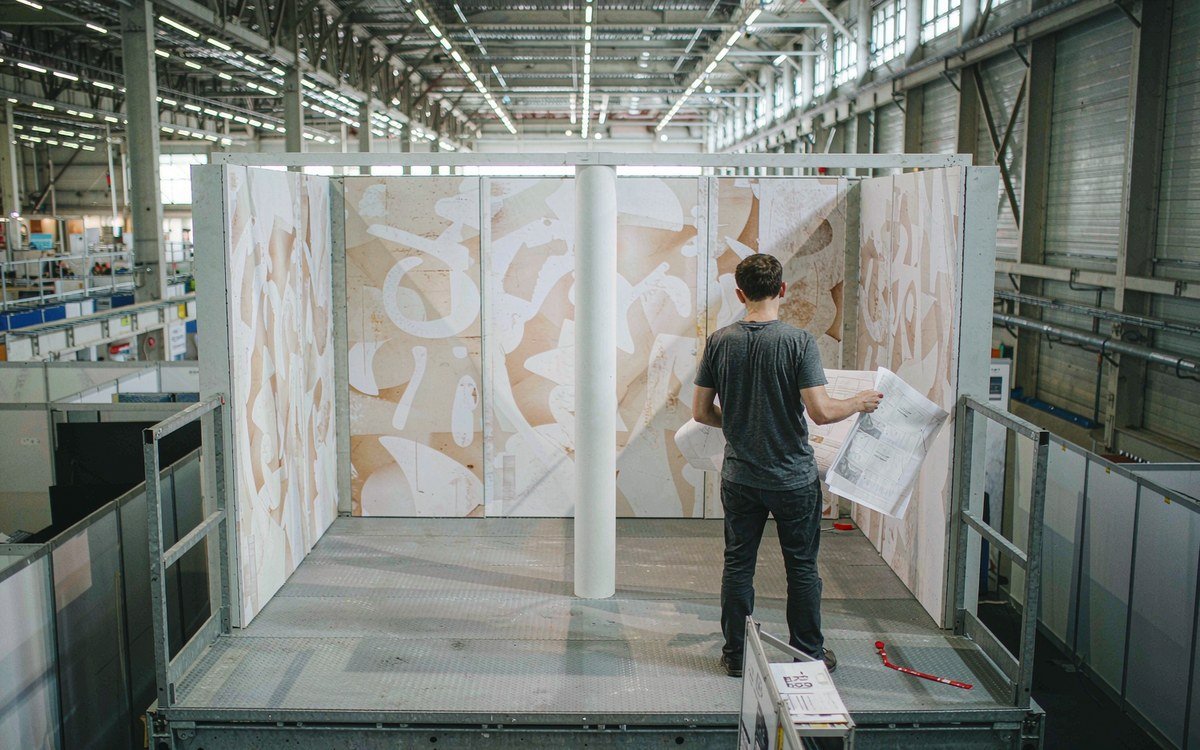
King Exhibits has supported exhibit projects since 2008. Our project team connects design, fabrication, rental components, graphics, transport and agreed onsite work, while every proposal remains limited to the services it actually lists.
Match the Footprint to the Travel Program
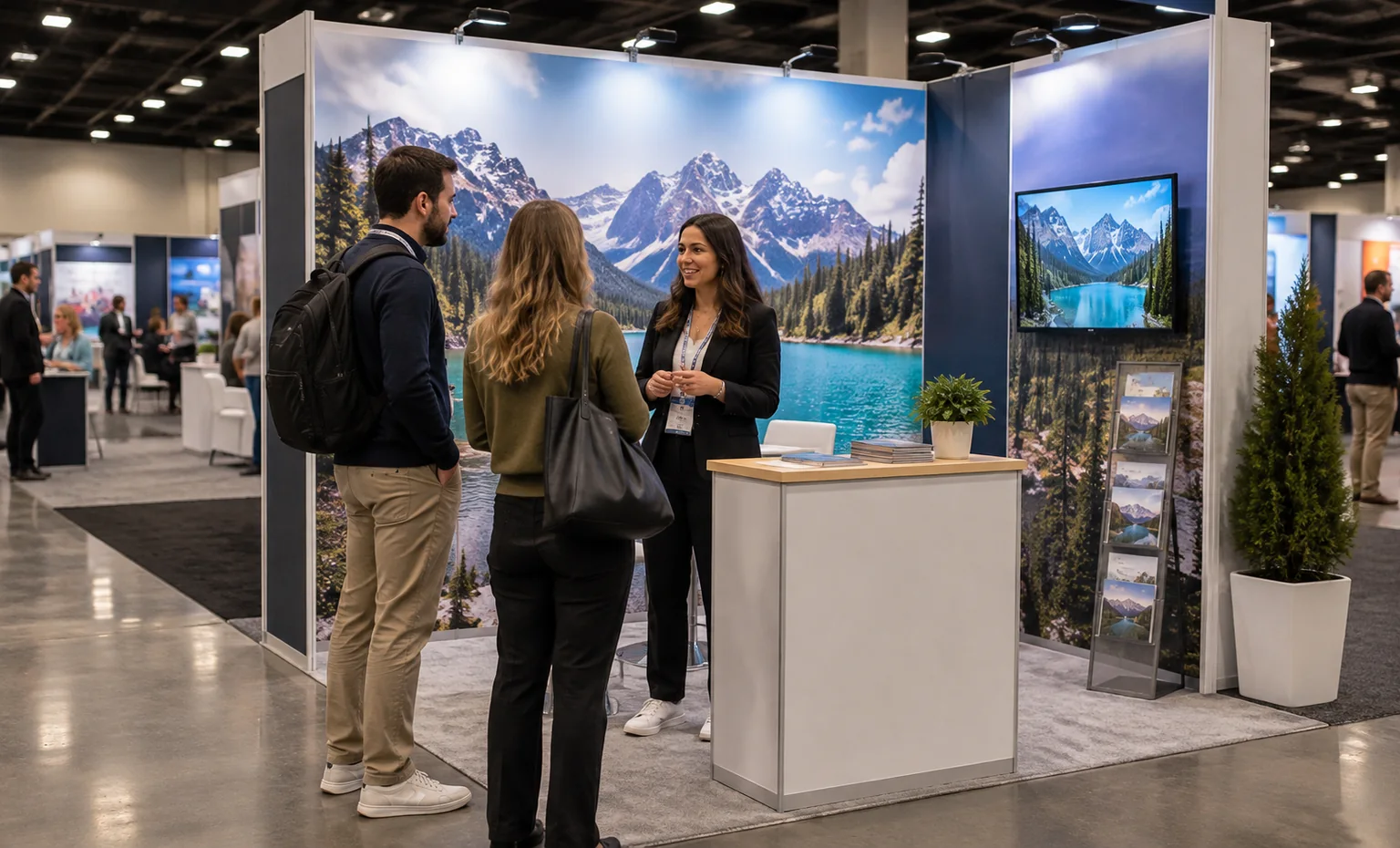
Prioritize one strong image, a compact counter, a brochure or screen point and standing conversations. Remove functions that make the entrance feel occupied.
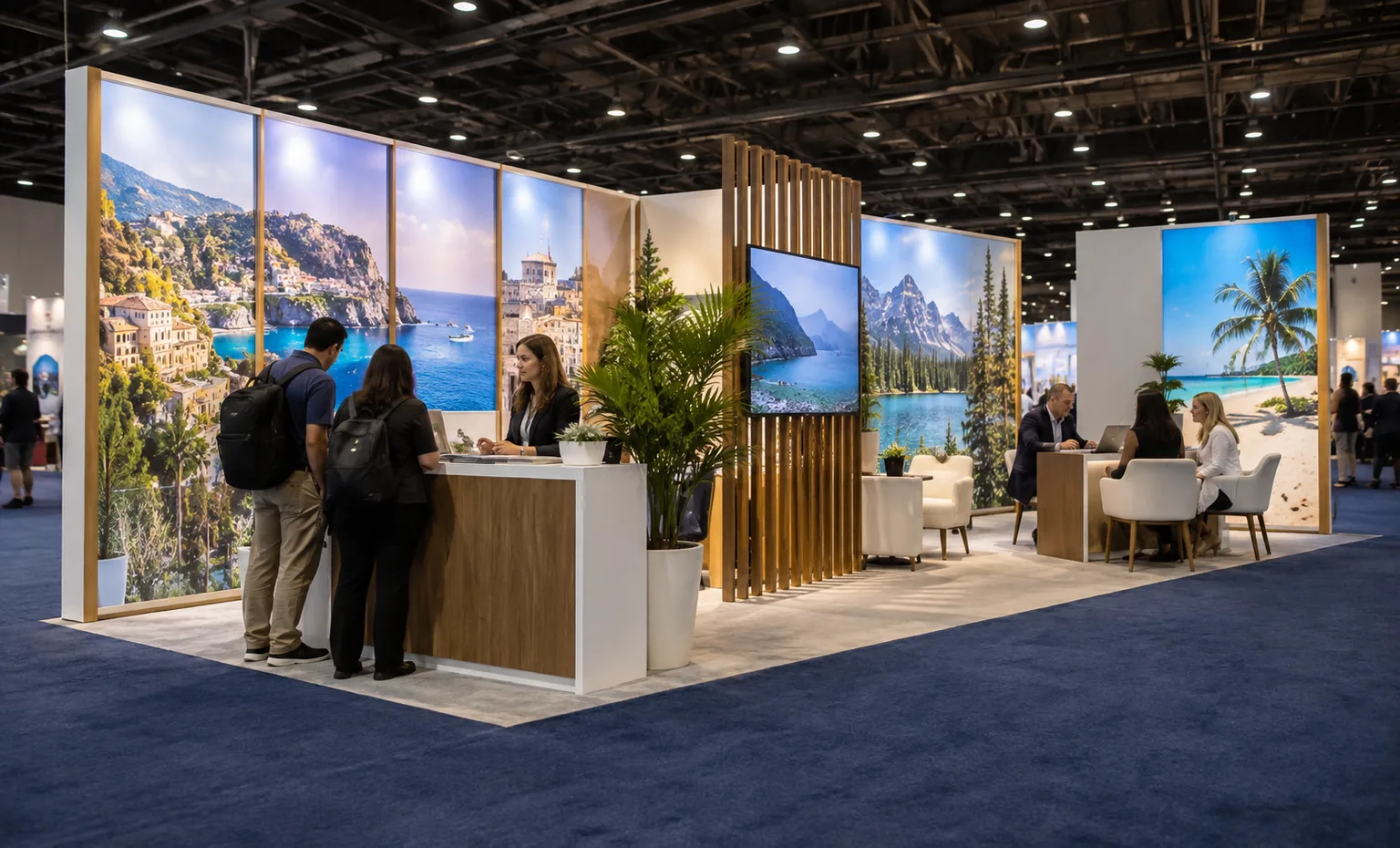
Separate public discovery from advisor consultation, or give several itineraries enough display length without turning the booth into a brochure wall.
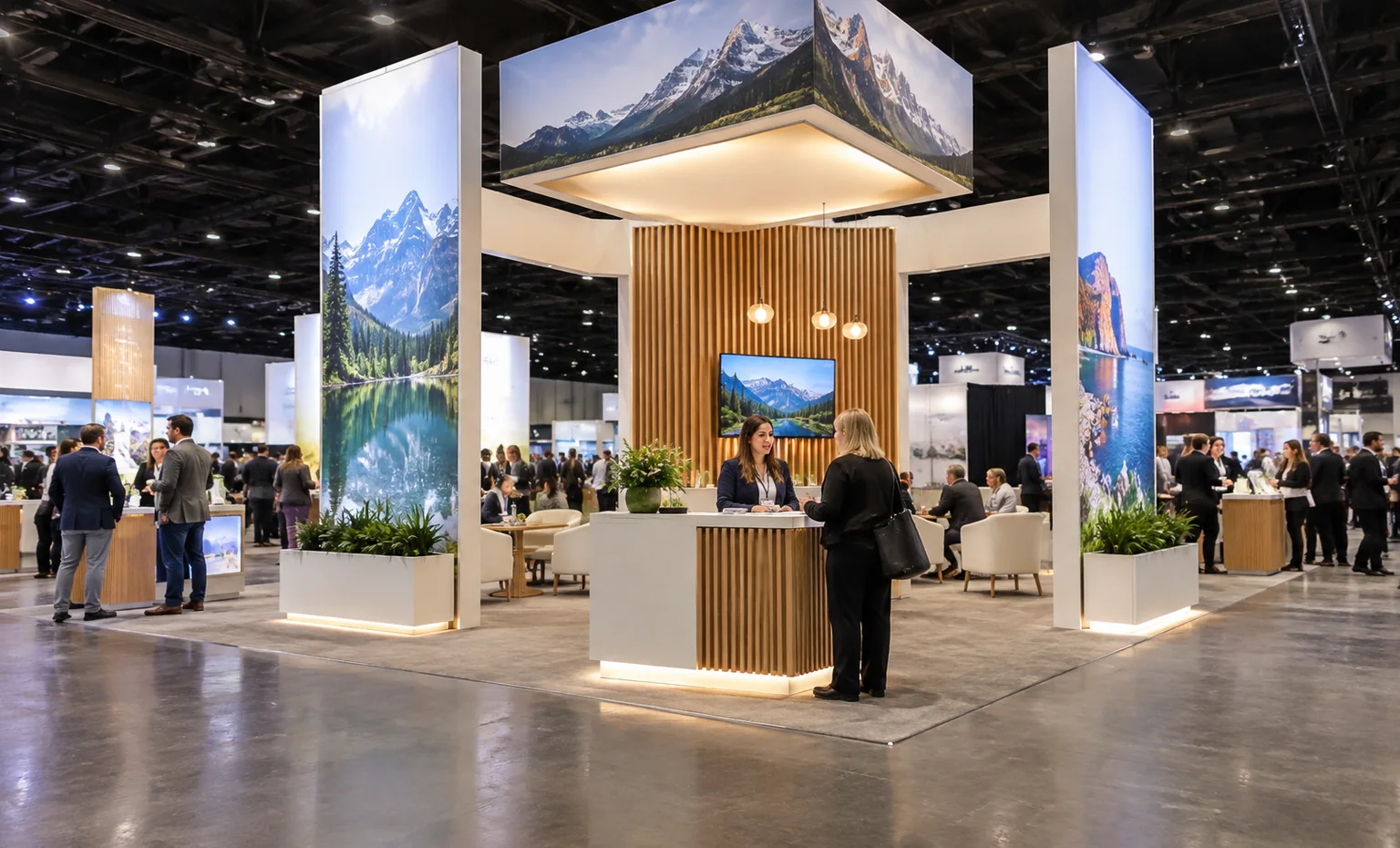
Use an island plan when the program needs visibility from several aisles, a central brand landmark, more storage or distinct discovery and meeting areas.
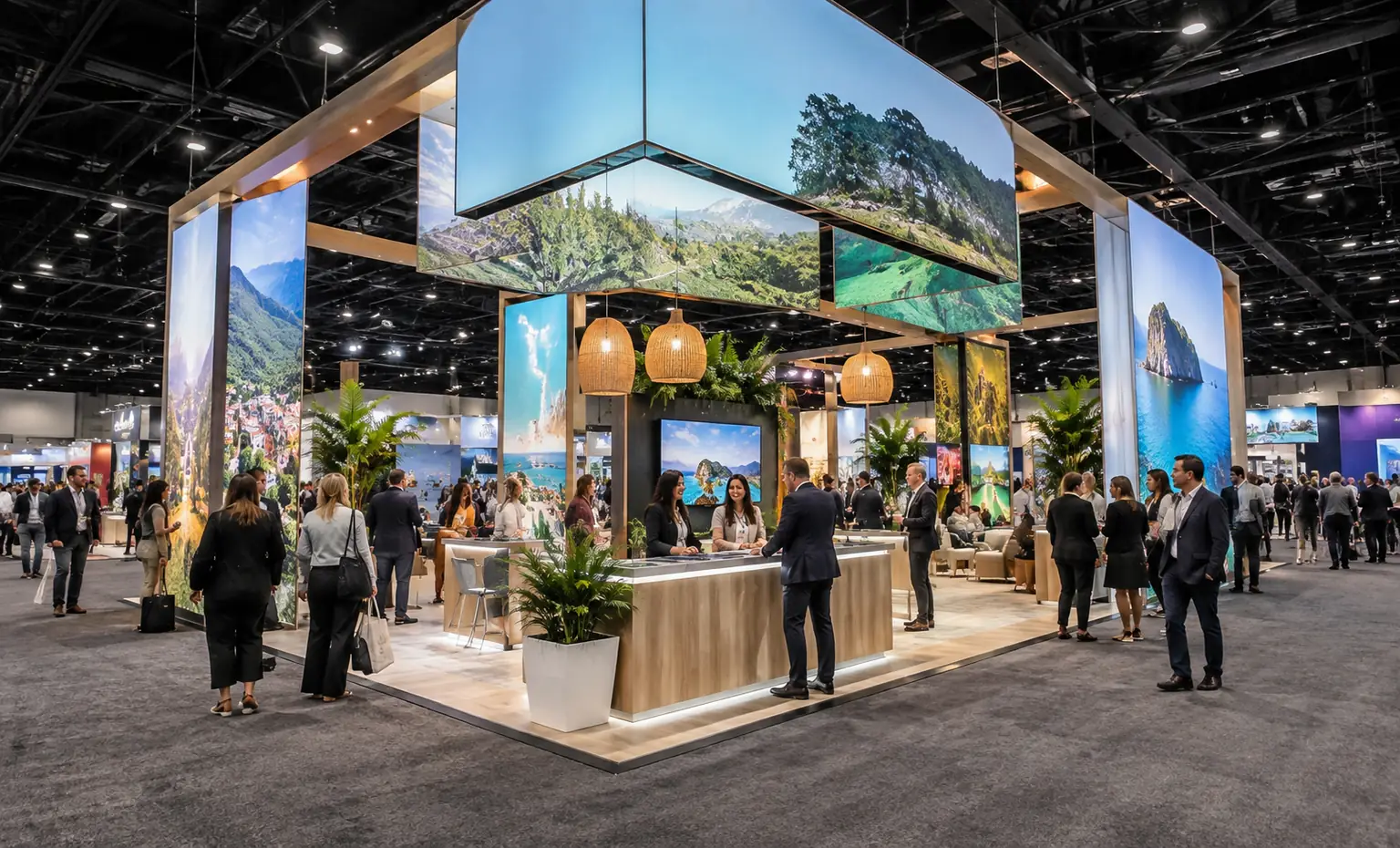
Build a hierarchy across destinations, partners or product families, then confirm overhead elements, rigging, utilities and visitor routes against current show rules.
From Chicago Show Brief to a Scoped Exhibit Plan
Step 1 Title: Send the Assignment and CampaignStep 1 Customer Input: Show edition, booth number and size, open sides, floor plan, current exhibitor documents, featured destination or service, visitor priorities, staff count, files and budget.Step 1 King Exhibits Action: Check the physical space, campaign hierarchy, planned interactions, schedule and missing information.Step 1 Output: Confirmed brief, risk list and next design inputs.
Step 2 Title: Review the Layout and ScopeStep 2 Customer Input: Feedback on the visitor route, imagery, consultation point, lead action, storage, reuse goals and official-service status.Step 2 King Exhibits Action: Develop the 3D direction and separate included booth work, options and buyer-managed show orders.Step 2 Output: Reviewable design direction and scoped quotation.
Step 3 Title: Approve Graphics and Production DetailsStep 3 Customer Input: Final artwork, offers, screen content, dimensions, approvals and decision deadlines.Step 3 King Exhibits Action: Prepare the listed rental, graphic and fabricated components and carry out the agreed checks.Step 3 Output: Approved production information and execution plan.
Step 4 Title: Deliver the Approved Project ScopeStep 4 Customer Input: Final logistics contacts, official orders, access information and onsite representatives.Step 4 King Exhibits Action: Coordinate transport and the installation, dismantling or storage work included in the agreement.Step 4 Output: Completed contracted work and a clear handoff of the exhibitor’s remaining responsibilities.
No. The show organizer controls exhibit-space contracts and booth assignments. King Exhibits prices only the design, rental components, graphics, selected fabrication, transport and onsite work listed in our proposal. Send the contracted booth package so we can avoid quoting furnishings or services you already receive.
Yes, if the layout is planned around both interactions. Tell us how many advisor meetings you expect, whether they are scheduled or walk-up, what consumers should discover, and how each visitor should follow up. We can then position the consultation point, open route, collateral and lead action without forcing them into the same working area.
Potentially. Graphics, counters, displays and selected rental components may be reusable, but the next booth size, open sides, freight route, service provider, schedule and venue rules still need review. We will identify what can travel, what must change and what should be requoted for the later market.
Use the current Chicago exhibitor page and manual to identify the official ordering channels. The exhibitor should confirm account ownership and place each official order through the source named in those documents. King Exhibits can incorporate confirmed connection points and service timing into the booth plan, but an official service is included in our responsibility only when the signed quotation says so.
Yes. Concept work can begin from the contracted footprint, current floor plan, campaign and visitor tasks. Final structure, services, freight, installation and production decisions require the current manual and any organizer approvals that apply.
Send the show edition, booth assignment, size and open sides, floor plan, current manual or available exhibitor-service documents, featured destinations or services, offers, advisor and consumer interactions, staff count, storage, screens, lead-capture method, graphics, freight origin, official-service status, budget range and the onsite work you want priced.
Compare Booth Sizes for Your Travel Campaign
-
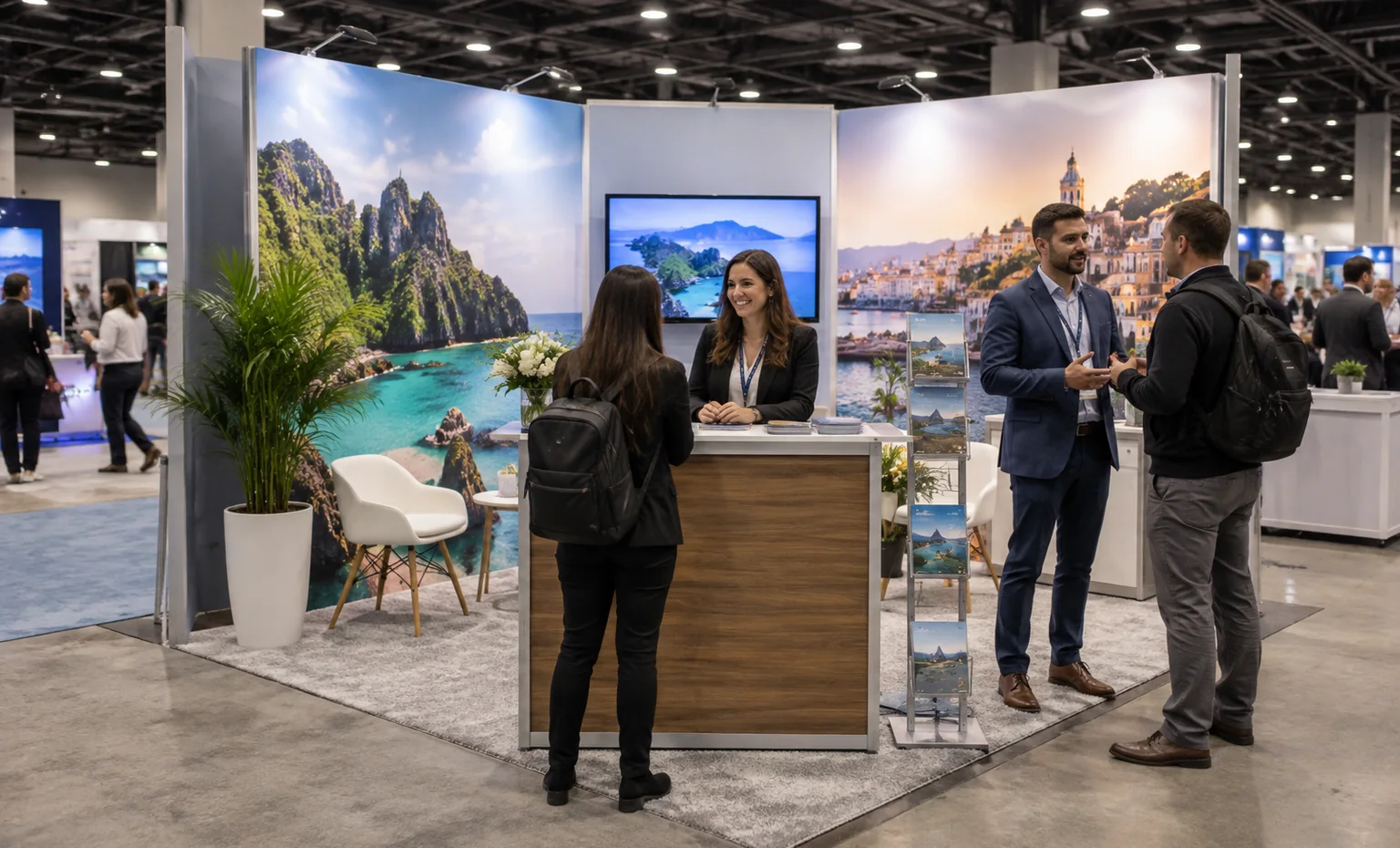
Keep one destination story, one lead action and compact staff conversations clear in a 100-square-foot footprint.
-
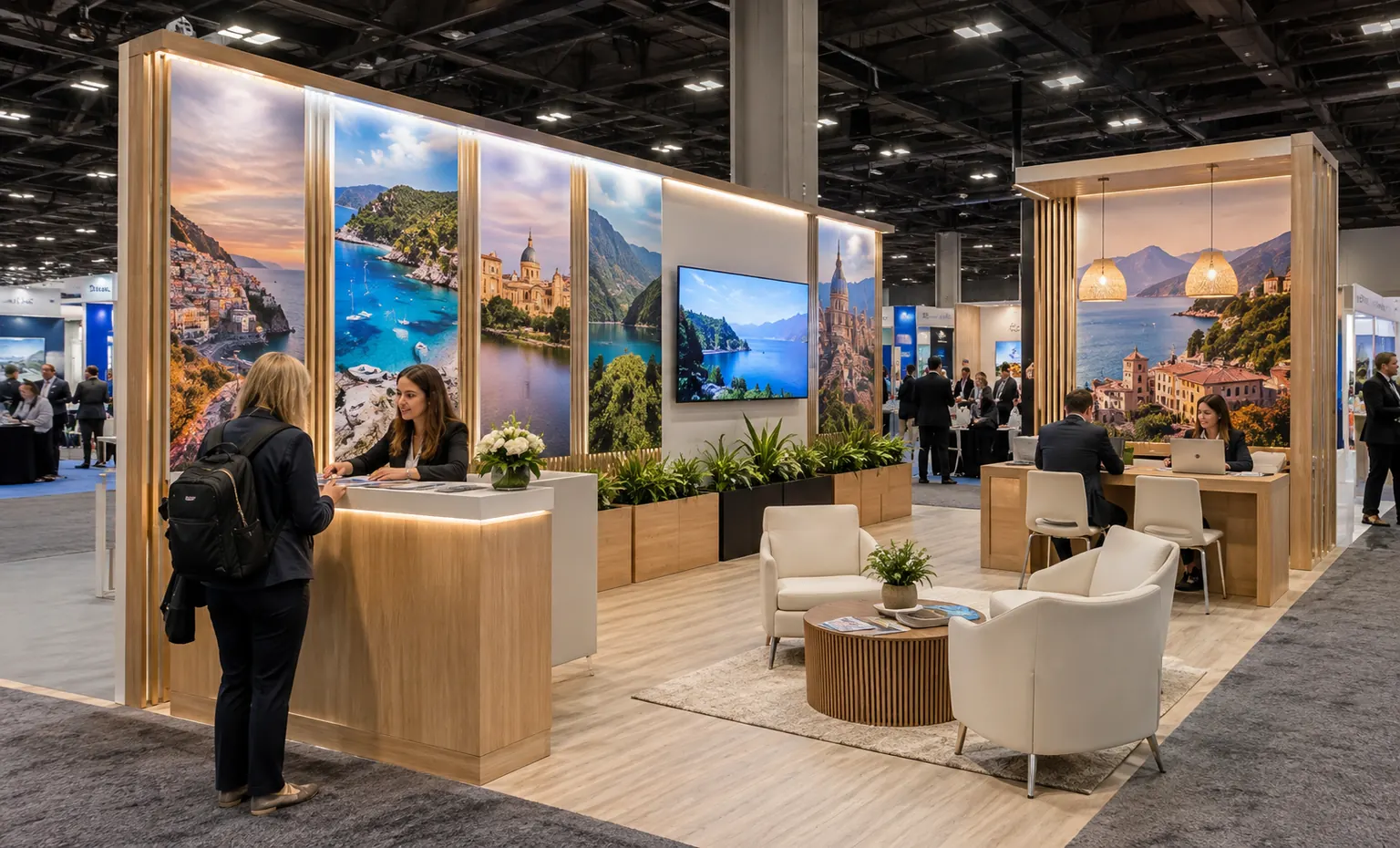
Add linear display space for several itineraries, a screen and separate public and advisor tasks.
-
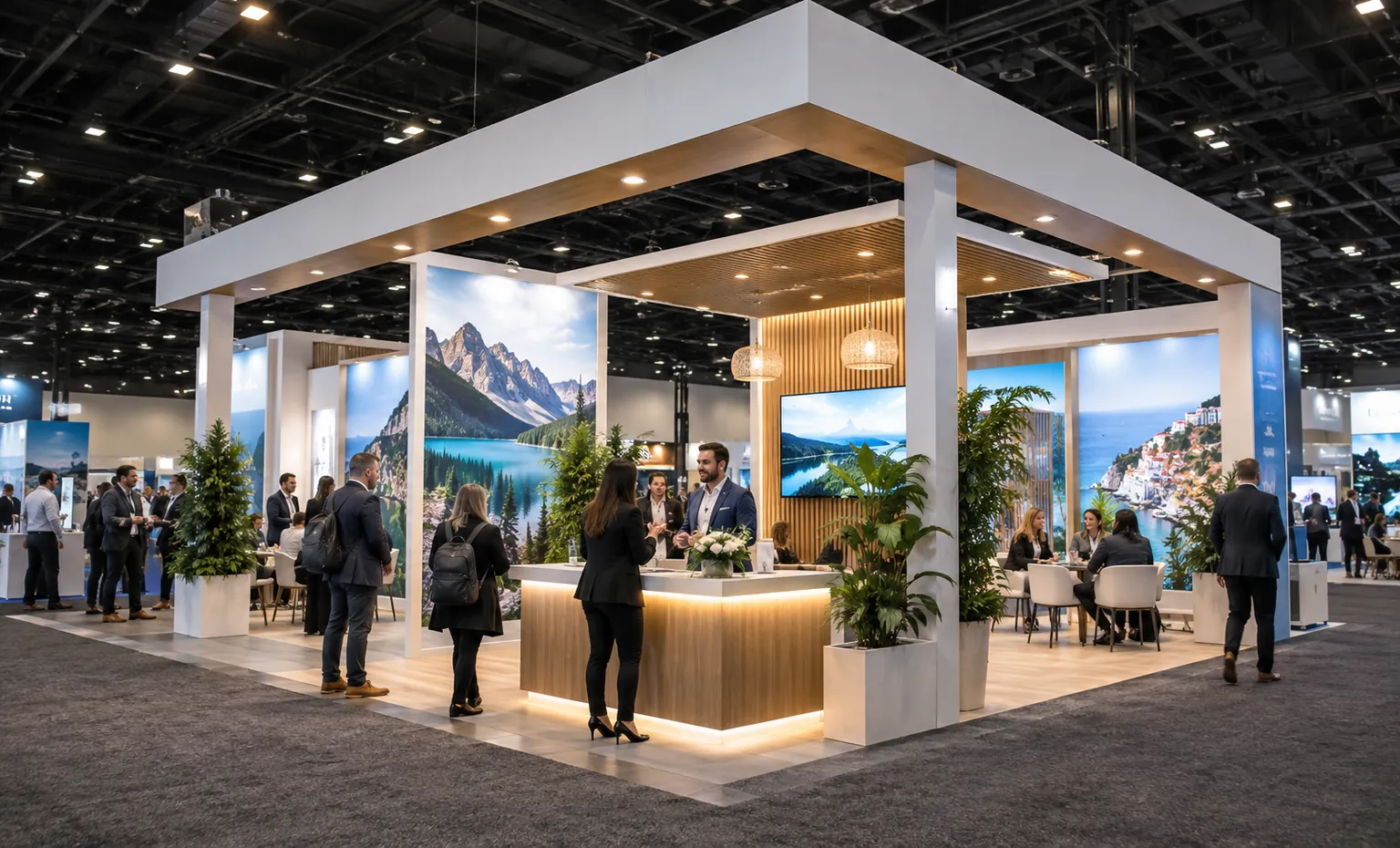
Use multi-side access for stronger destination visibility, consultation space, lead capture and concealed storage.
-
Create distinct discovery, presentation and meeting zones for a broader destination or multi-partner program.