
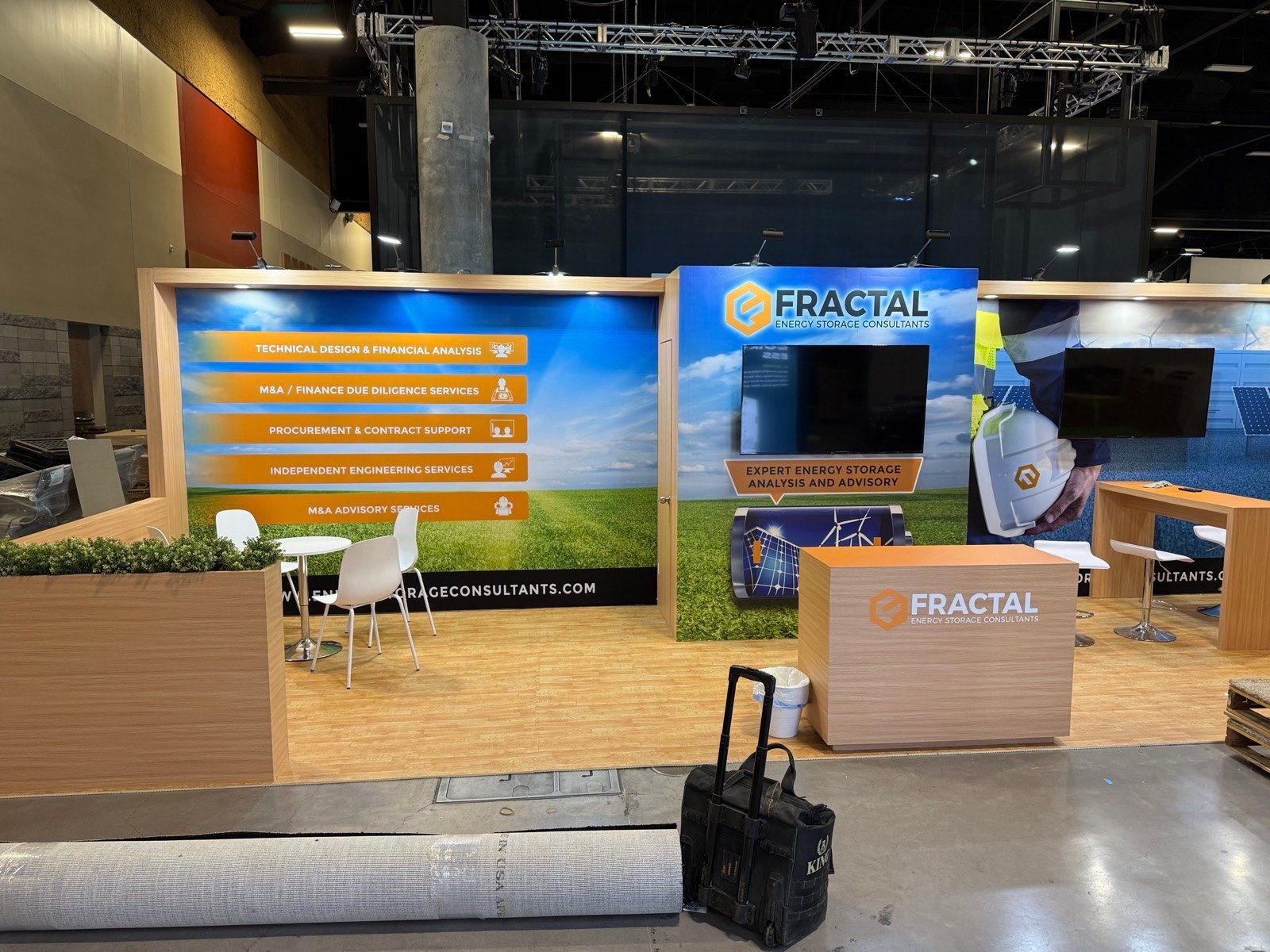


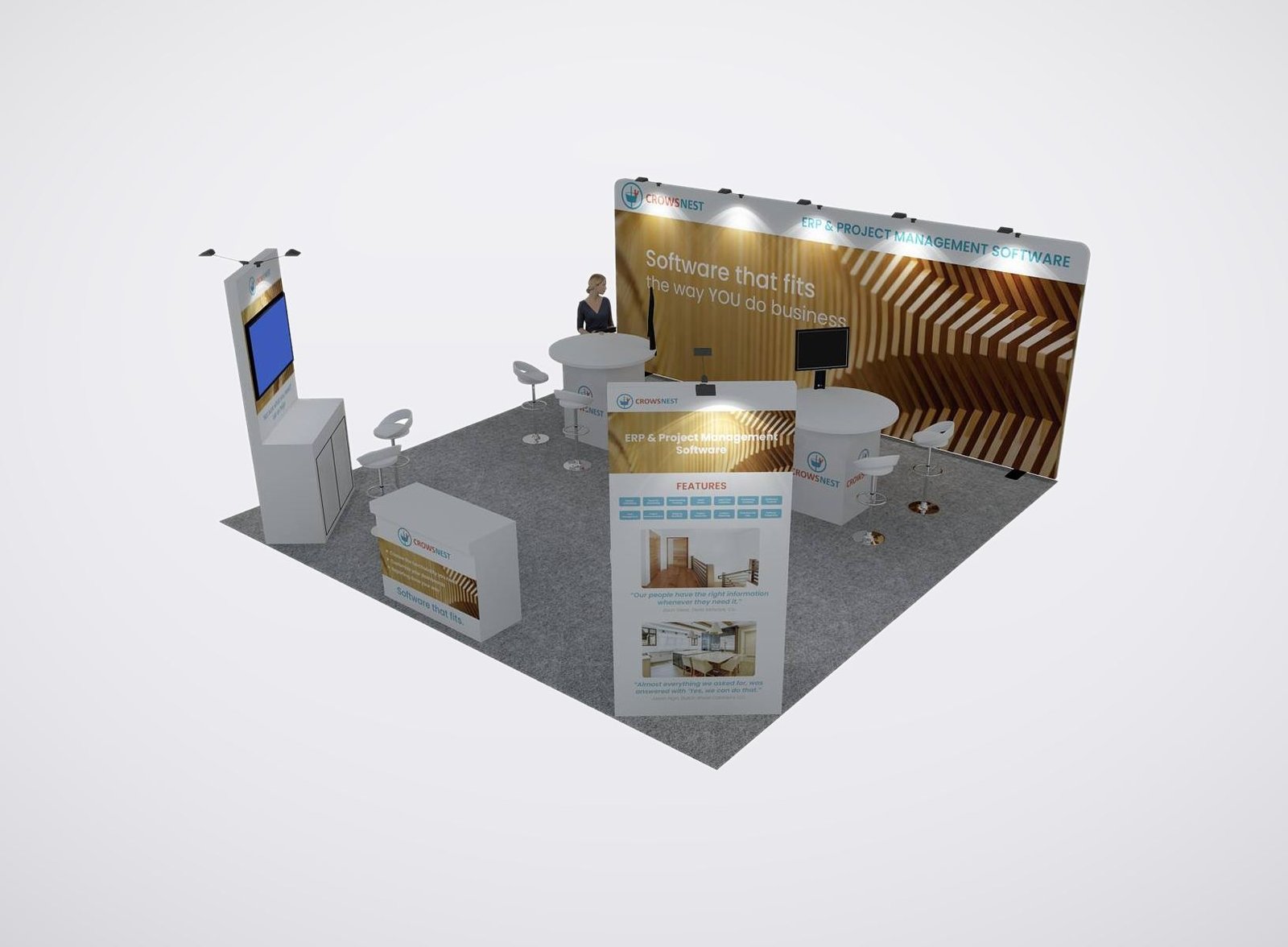
Inputs for a Central Iowa Expo Exhibi
Provide the conditions that control an outdoor agricultural display:
• Plot, dimensions and confirmed surface conditions
• Products, weights and placement method
• Demonstrations, safety distances and operating schedule
• Visitor routes, dealers and lead objectives
• Shelter, power, internet and hospitality requirements
• Budget, approvals and next-show reuse plan
Build the Exhibit Around How Agricultural Buyers Evaluate
At Central Iowa Expo, an agricultural buyer may want to inspect the machine, compare practical differences, watch it operate and involve a dealer before discussing the next step. A conventional indoor booth sequence does not automatically support that behavior. King Exhibits starts with the product position, field demonstration, visitor route and sales conversation, then determines which branded and rental elements suit the approved site. Long-distance identification brings the right audience closer; product-side information supports comparison; shade, seating and staff storage help the team sustain useful discussions through the day. Current organizer and venue requirements govern outdoor structures, utilities, access and safety. The finished scope therefore explains both the marketing environment King Exhibits will provide and the site responsibilities that must be confirmed elsewhere.
Let the Machine Set the Footprin
Start with the exact product, attachments, transport state, operating clearance and way visitors will inspect it. A static display may need safe circulation and close product labels; a live demonstration may require a separate viewing boundary and scheduled handoff to the field area. King Exhibits builds the branded environment around those actions. Counters, screens, graphics and conversation space stay clear of access points instead of forcing the equipment into a booth grid developed before anyone measured the machine.
Use Different Messages at Road and Product Distance
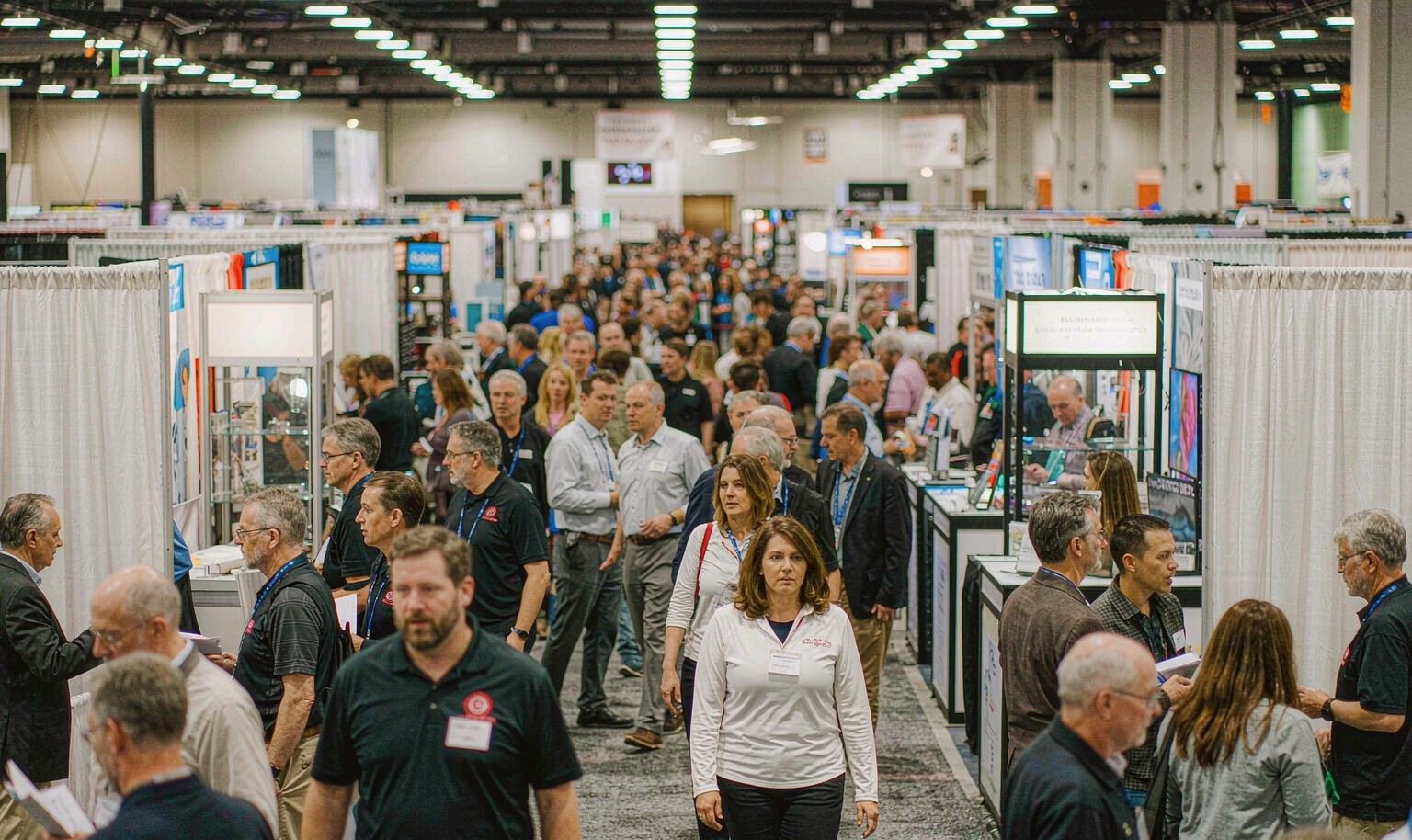
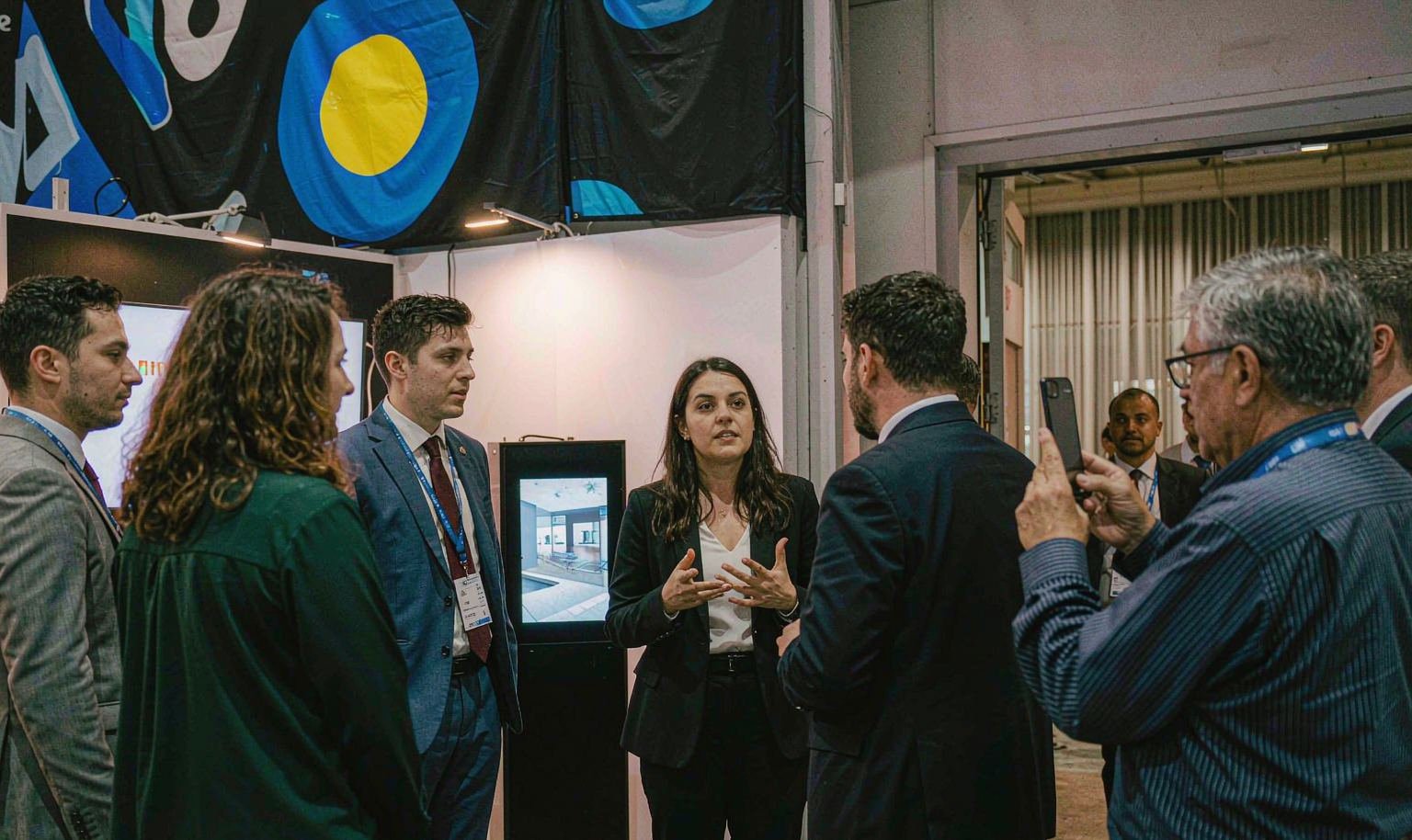
The official site spans more than one hundred gated acres, and Farm Progress Show materials distinguish visitor routes, exhibit areas and field demonstrations. A small indoor headline cannot carry the entire approach. Use the distant view for company or product identification, the plot edge for a relevant benefit and the machine for specifications, comparisons and proof. King Exhibits develops that hierarchy around the confirmed approach route. The visitor receives enough information to decide whether to stop without facing a wall of technical copy from across the grounds.
Specify What Can Safely Work Outdoors
Rental walls, lightboxes, screens and indoor graphics should not be assumed suitable for wind, rain, dust, heat or an exposed ground condition. Share the exact plot, surface, shelter, operating dates and organizer requirements before selecting the system. King Exhibits can recommend branded components within the confirmed scope and identify items that require event approval, engineering or another responsible supplier. This protects the buyer from pricing an attractive indoor concept that cannot be installed as shown when the real site conditions and safety requirements are applied.
Prepare the Team for Several Days of Field Selling
An outdoor agricultural exhibit needs a daily operating routine as much as a finished opening view. Estimate literature use, sample replenishment, device charging, staff water, personal storage, cleanup and protection of valuable items after hours. Decide which conversations happen beside the machine and which need shade or seating. King Exhibits uses those inputs to size practical storage and guest functions without weakening product access. The team can concentrate on producers, dealers and qualified opportunities because the recurring work behind the display has a place.
STEER — 30×30 Exhibit at NPE 2024, Orlando
STEER’s completed 30×30 exhibit is a verified King Exhibits reference for integrating large equipment, branded architecture and several visitor functions. It was an indoor Orlando project, not a Central Iowa Expo installation, so its structure should not be treated as an outdoor specification. The case helps buyers assess product-integration thinking and production finish. The Boone exhibit will be developed from the confirmed plot, exposure, machine, visitor route and event requirements.
Product Information Reaches the Physical Display
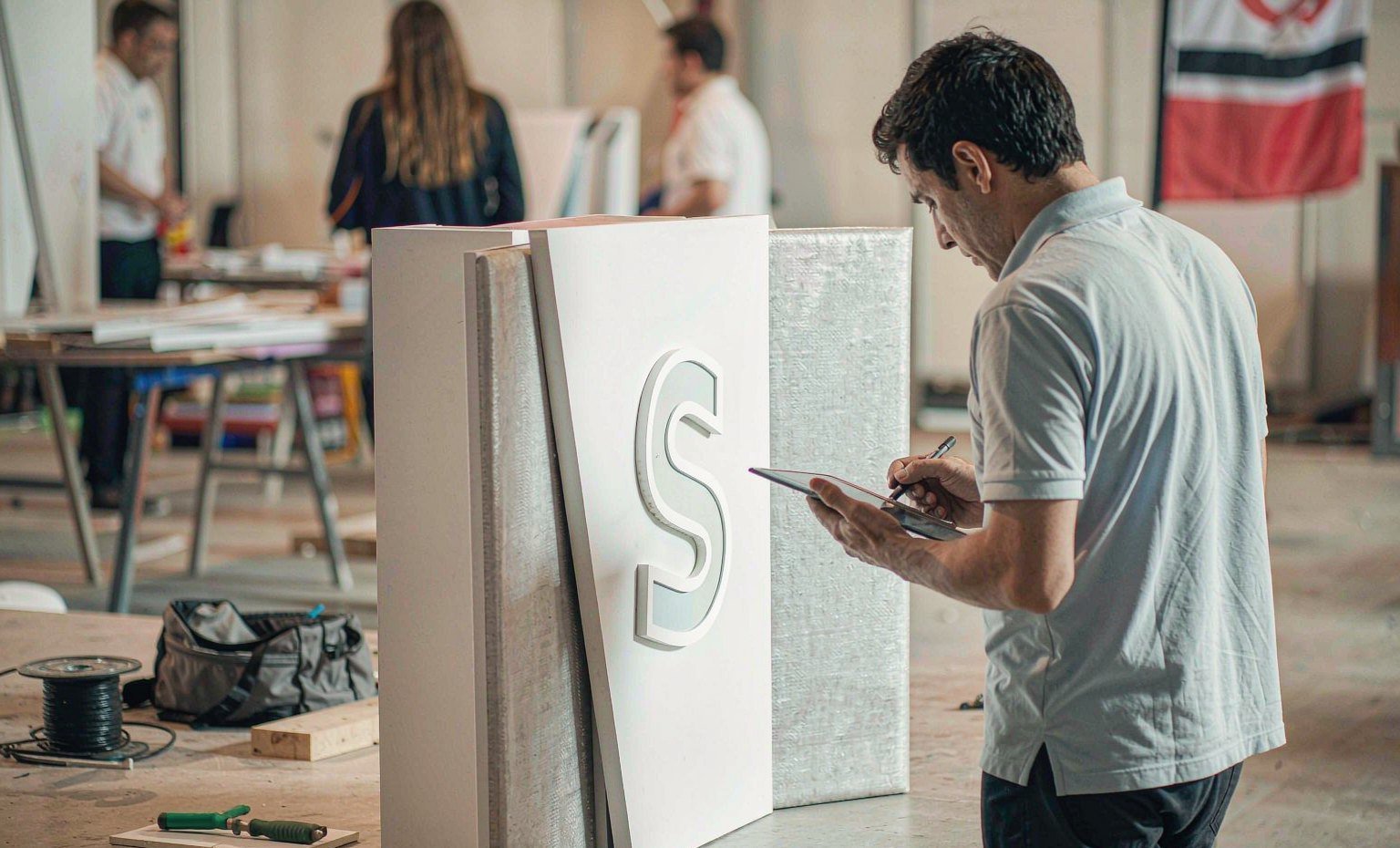
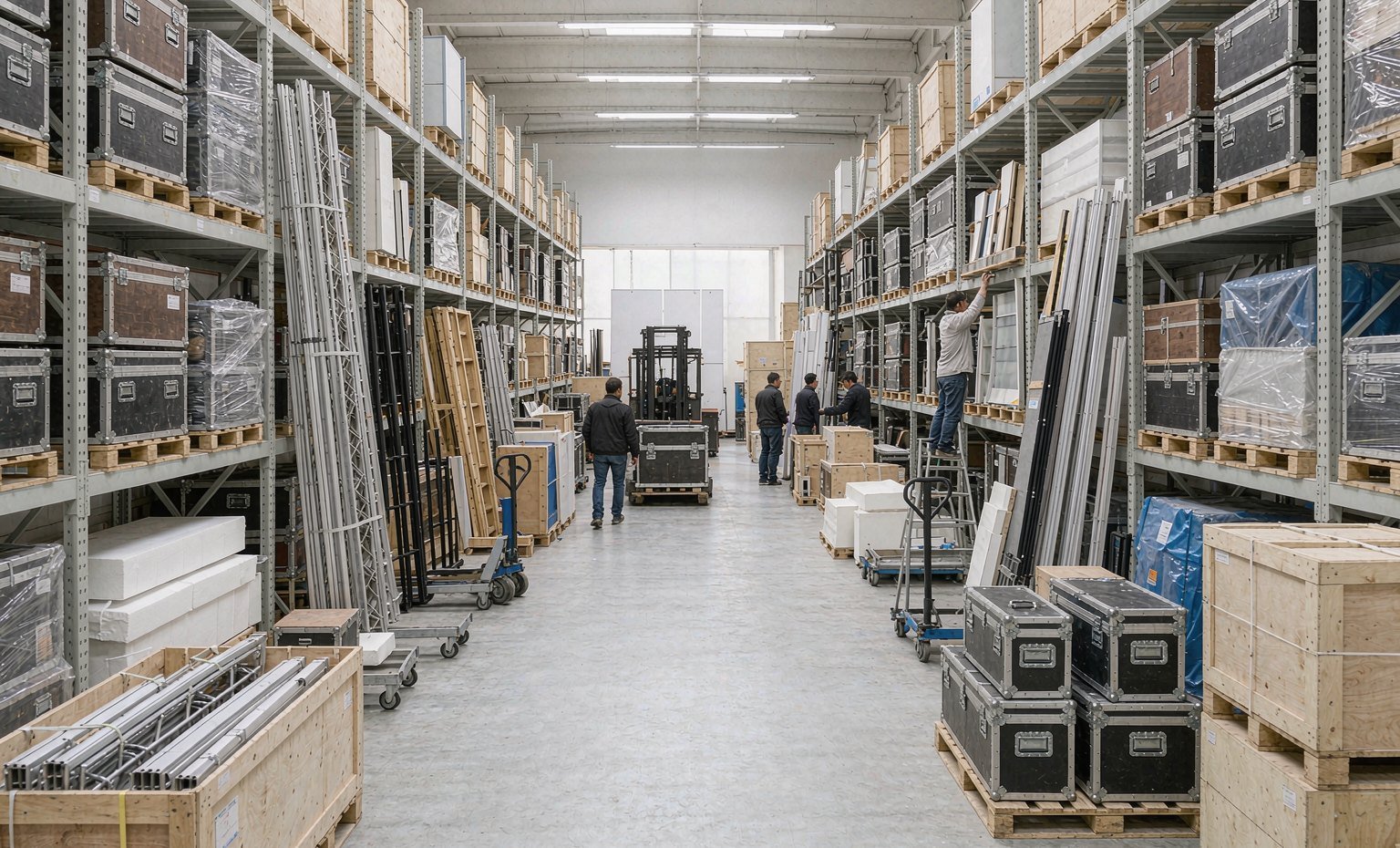
King Exhibits has supported U.S. exhibit projects since 2008. Our Las Vegas-based production support includes 3D design, rental preparation, custom graphics, CNC work and wood fabrication. Confirmed machine dimensions, access areas, graphic hierarchy and staff functions can be developed together before applicable components are prepared. When included in the scope, important assemblies may be checked before packing. For an outdoor agricultural event, the team also states where site conditions, engineering, event approval or another supplier must control the solution rather than presenting an indoor component as automatically suitable.
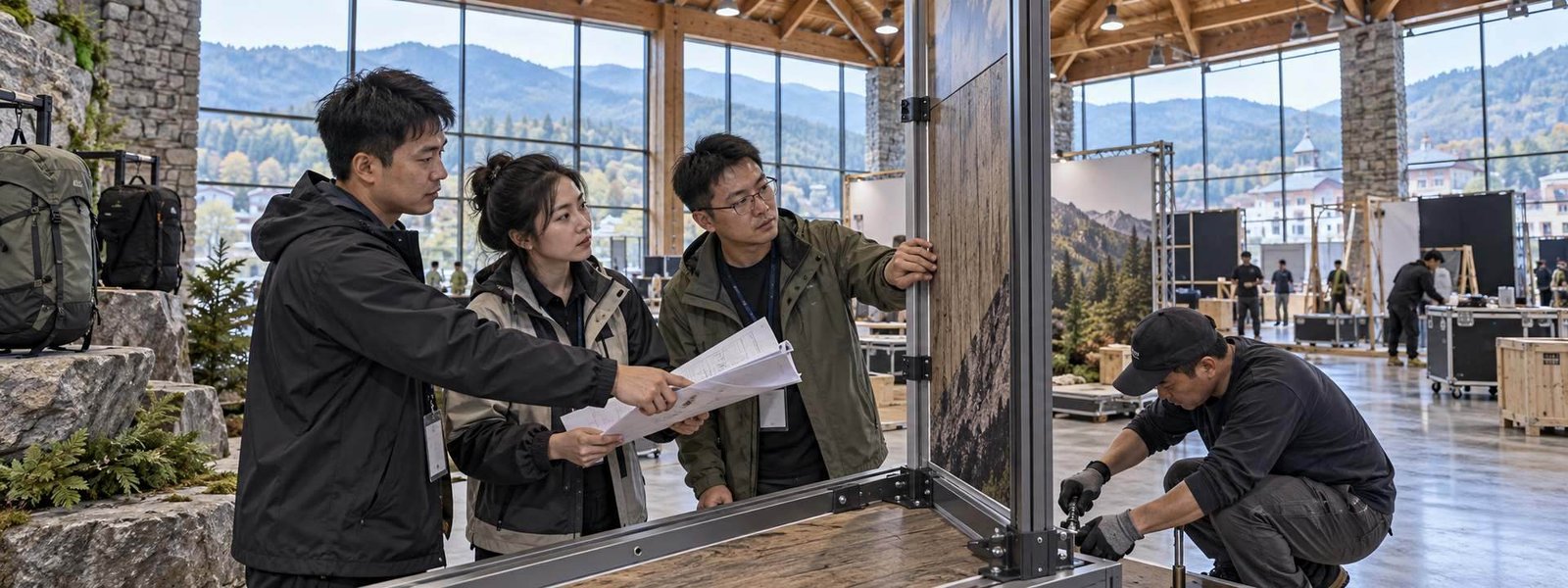
Confirm the Ground Before Approving the Graphics
Site, machine and selling method determine the exhibit system and its limits.
Share dimensions, surface, approach routes, shelter, utilities, access, weather plan and current organizer requirements.
Establish placement, operation, safety distance, inspection route, demonstrations, dealer roles and conversation areas.
Review identification, graphics, counters, storage, screens and hospitality only after their use conditions are known.
Production and packing follow the accepted scope; organizer, venue and specialist requirements remain separately assigned.
It should never be assumed. Wind, rain, heat, dust, anchoring, drainage, ground condition and organizer rules can change the suitable structure, graphics and equipment. Send the confirmed plot and event requirements before selecting components. King Exhibits can define the branded elements within its scope and identify where engineering, approval, tenting, weather-rated equipment or another specialist supplier is required for the outdoor installation.
Yes. Provide the transport and operating dimensions, weight, attachments, placement method, safety clearance, utility needs and how visitors or dealers should inspect the machine. King Exhibits can plan product-side graphics, viewing routes, counters, screens and conversation areas around that information. Final access, ground loading, operation and safety remain subject to current organizer, venue and applicable authority requirements.
Treat them as two stages of the same buyer journey. The booth should identify who benefits, qualify interest and explain when and where the demonstration occurs. The field experience can then prove performance, followed by a return path to a dealer or sales discussion. Share the schedule, route, capacity and staff ownership. King Exhibits can build the exhibit-side messages and handoff around those confirmed details.
Only the accepted quotation defines the supplied scope. King Exhibits should first review the site, exposure, event rules and desired experience before recommending branded or rental components. Tenting, anchoring, engineering, permits, utilities, heavy-equipment handling or other specialist work may belong to the organizer, venue or another qualified provider. Those responsibilities will be identified rather than implied as part of a standard indoor booth rental.
Send the event, dates, plot, dimensions, surface, site map, approach routes, products, weights, placement method, demonstrations, utilities, shelter, graphics, dealers, meetings, storage, hospitality, budget, approval deadline, reuse plan and desired field support. Include current organizer documents. King Exhibits uses the complete record to develop the selling environment, recommend appropriate components and define the responsibilities included in the proposal.