


Use an installed application, cutaway or clear callout to connect the product to the location and result buyers recognize.

Give tools, diagnostics and service equipment a practical demonstration position with room for hands-on inspection.

Organize parts by system, vehicle, application or customer type so distributors and shops can find the relevant line quickly.

Use long-range graphics and a complete vehicle build when the show objective includes awareness, media or partner meetings.
Build the Exhibit Around Inspection, Demonstration and Dealer Conversation
Automotive buyers want to see fit, finish, access and application. Small parts need an organized display that does more than cover a wall with SKUs. Tools and diagnostics need a usable working position. Films, coatings and appearance products benefit from a visible before-and-after comparison. Vehicles need a confirmed move-in path and enough open space to be seen without becoming an obstacle.
The custom rental environment brings those inspection, demonstration and meeting needs together. Product mounts, counters, lighting, graphics, screens, storage and meeting areas follow one approved plan. Selected custom supports can be quoted when the standard rental system does not hold or frame the product correctly. Dealer, distributor and fleet discussions can be separated from the busiest demonstration zone without losing sight of the brand.
The exhibitor remains responsible for vehicle operation, product installation, tools, fluids, batteries, fuel conditions and performance claims. Show management and the venue control move-in, display-vehicle and demonstration rules. The proposal identifies the exhibit construction and support King Exhibits will provide.
Let Different Automotive Buyers Enter Through the Right Product Story
Distributors and retailers need line breadth, packaging, program support and a clear way to identify the categories they can carry.
Repair and service professionals need access to tools, diagnostics, installation steps and the people who can answer technical questions.
Dealers and fleets need vehicle compatibility, operating impact, service requirements and a place for account-level discussion.
Builders, media and partners may start with the complete vehicle, then move toward the specific products, technologies or collaborations behind it.
Plan the Vehicle Move Before Closing the Booth Design
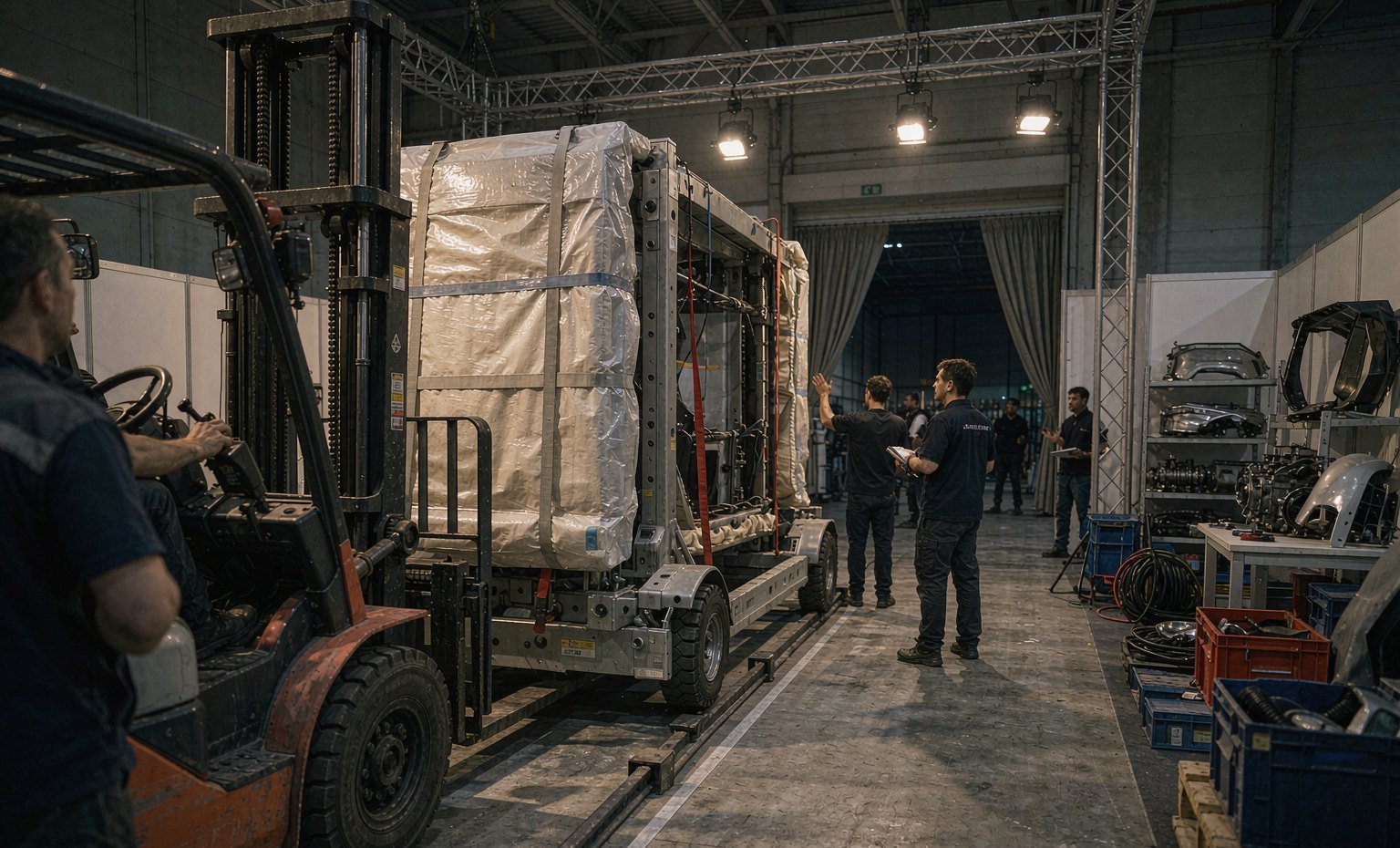
Vehicle displays need more than an empty rectangle on the floor plan. Record overall length, width, height, weight, turning needs, arrival condition and who will drive, push or position it. Confirm battery, fuel, key and cleaning requirements with the show. Once the vehicle position is fixed, flooring, ramps, walls, lighting and product callouts can be placed around it. Early coordination protects the visitor path and reduces the chance that exhibit construction blocks vehicle entry.
Show Parts by Application Instead of Covering Every Wall
Dense product ranges are easier to sell when buyers can enter through a vehicle system or business need. Group parts by underhood, undercar, electrical, appearance, shop equipment or another useful category, then feature the launch or priority line. Mounting height and labels should support close inspection without creating a stockroom look. Product panels, shelves and lightboxes should lead to a nearby counter where the sales team can move from part identification to specifications and commercial discussion.
Vehicle Position and Product Mounts Resolved Before Production
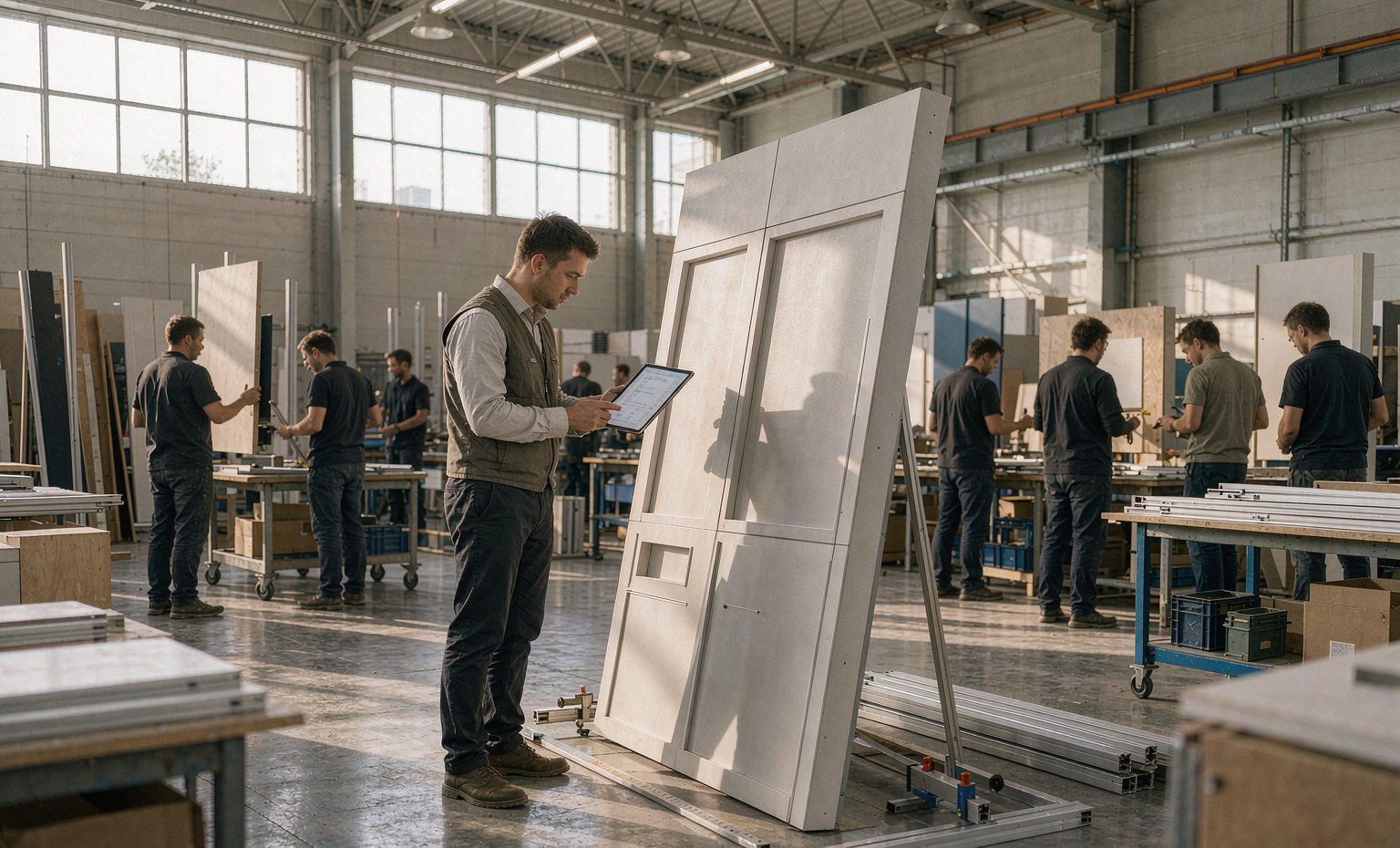
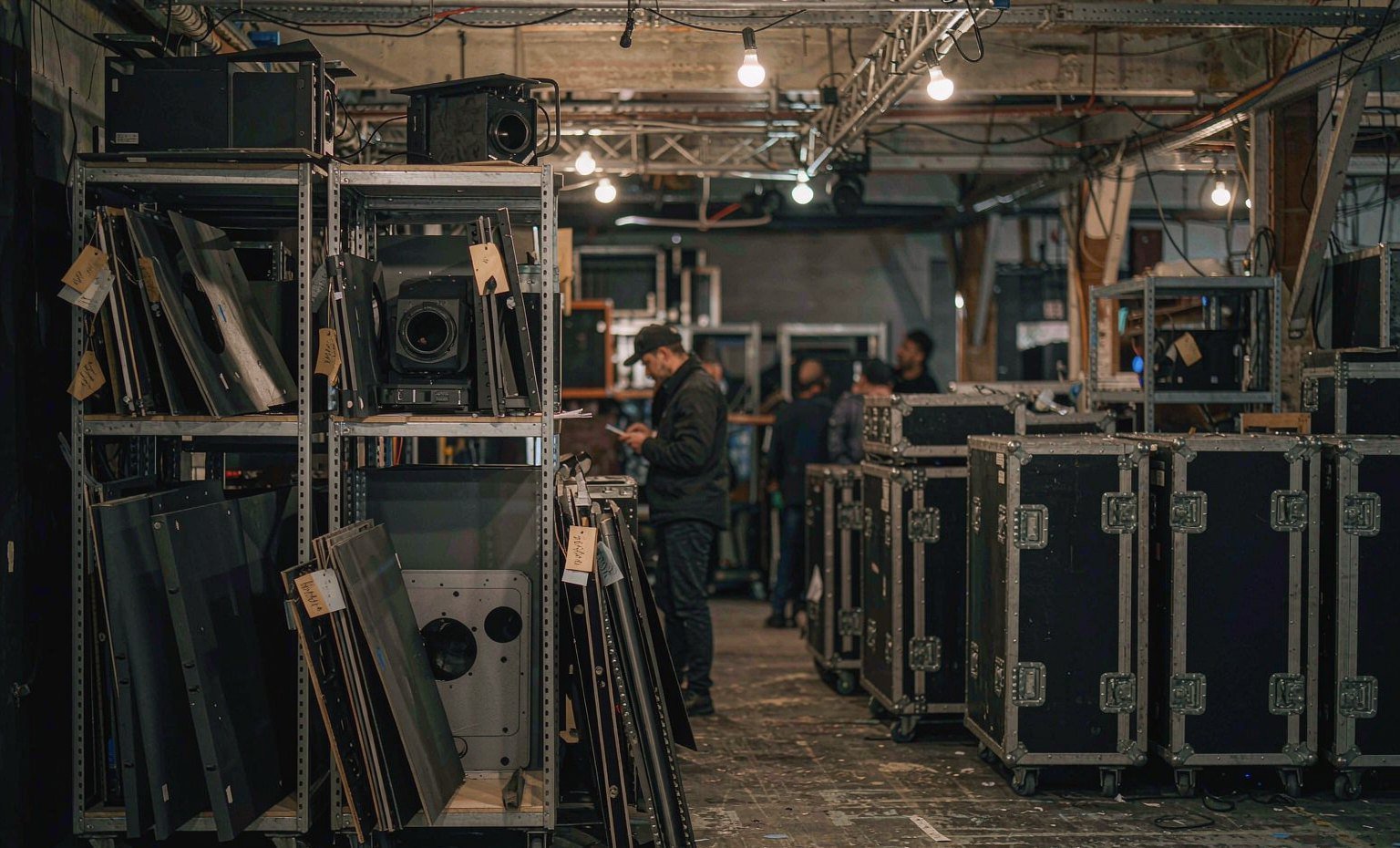
King Exhibits records the confirmed vehicle or component position, visitor clearance, screen locations, lighting and buyer areas in one 3D plan. Those measurements guide rental preparation, graphics and any quoted supports, while labeled pieces help the installation team rebuild the approved arrangement. The proposal keeps vehicle handling and official show services separate from the exhibit scope, so an automotive team can see who owns each part of the move-in and demonstration.
U.S. Automotive Trade Shows Where We Can Build Your Exhibit
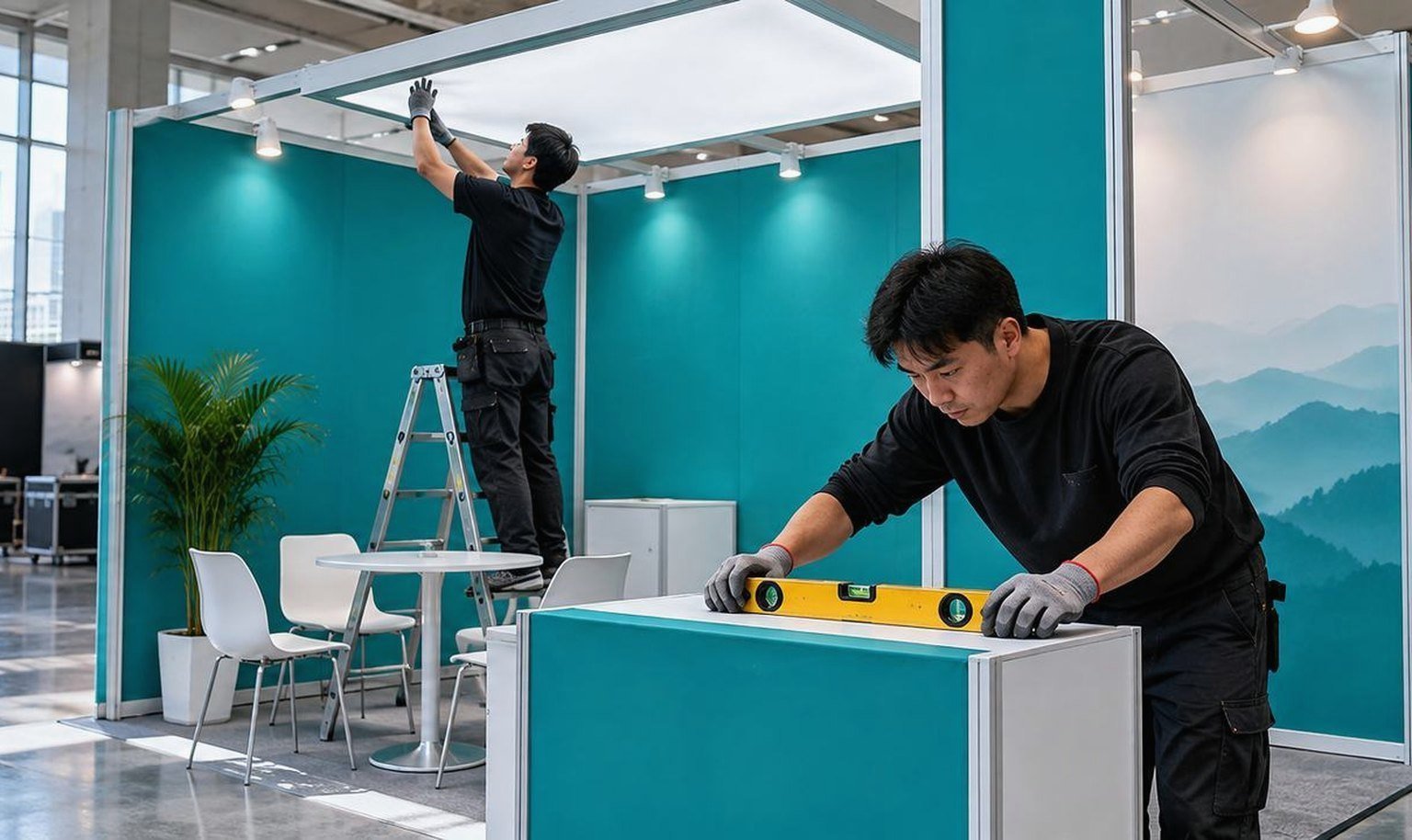
Automotive aftermarket companies present performance, off-road, appearance, accessories, wheels, tires, tools, collision and vehicle technology. Booths can combine complete builds, parts and live product demonstrations.

Parts manufacturers, equipment suppliers and technology providers meet distributors, retailers, repair shops, dealers and fleet buyers. Product ranges, working tools and commercial meetings can be given separate zones inside the same automotive rental exhibit.

Vehicle manufacturers, suppliers and mobility companies present vehicles and technology to industry and public audiences. Final exhibit format, vehicle activity and participation requirements must be confirmed for the selected program.
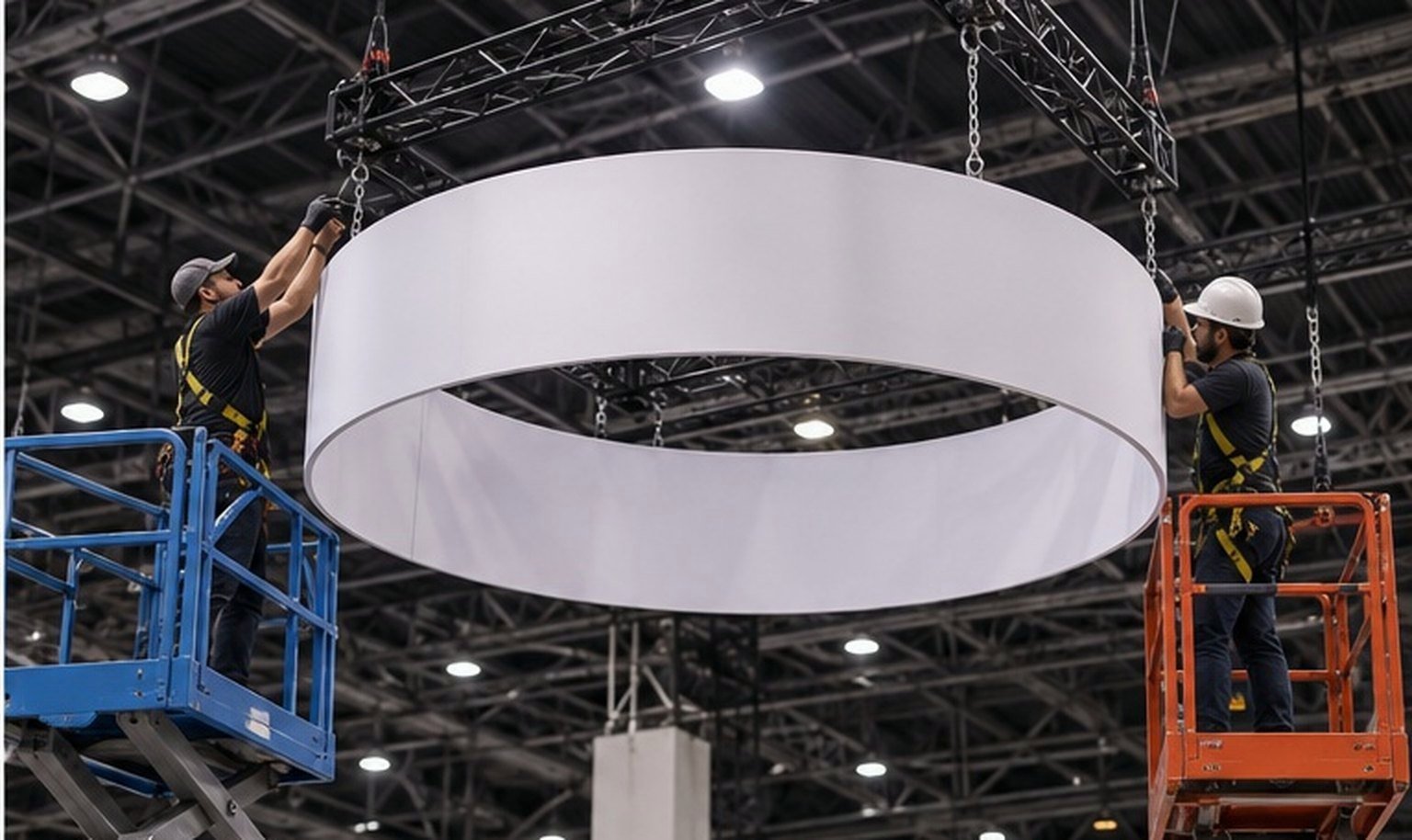
Racing and performance manufacturers present engines, components, tools, equipment and motorsports technology to trade buyers. Product access and technical conversation should guide the floor plan.
Yes, subject to current show and venue rules. Provide the vehicle dimensions, weight, arrival method, operating condition and positioning responsibility before the booth is approved.
Yes. Selected mounts and supports can be quoted after product dimensions, weight, attachment points and visitor access are confirmed. The exhibitor should approve how valuable or functional parts are secured.
Yes, when the event permits the activity and utilities, equipment, vehicle interface and operator space are defined. Working products and technical performance remain the exhibitor’s responsibility.
Often. Many structural elements may be reusable, but the audience, product priority, floor plan and show rules can differ. Plan the second use before graphics and product mounts are finalized.
Footprint, structure, vehicle access, product mounts, lighting, AV, flooring, graphics, storage, freight, labor and show location shape the proposal.
Start with the event, footprint, vehicle and product list, dimensions, weights, demos, utilities, target buyers, meetings, brand files, budget range and requested services.
Booth Sizes for Automotive Exhibitors
-
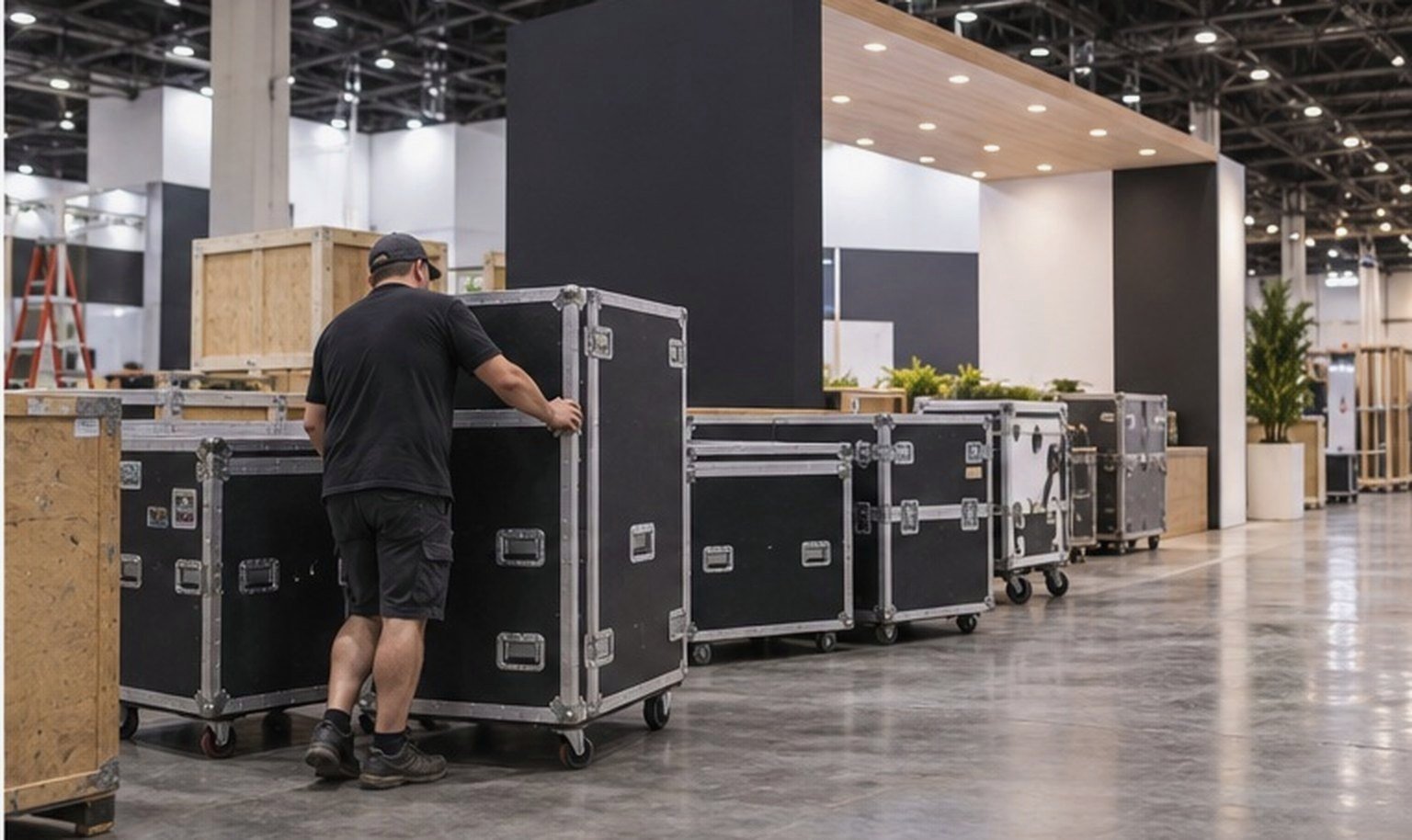
Link: /20×20-trade-show-booth-rental/ Fits a focused vehicle, product line or shop-equipment demonstration with open access.
-
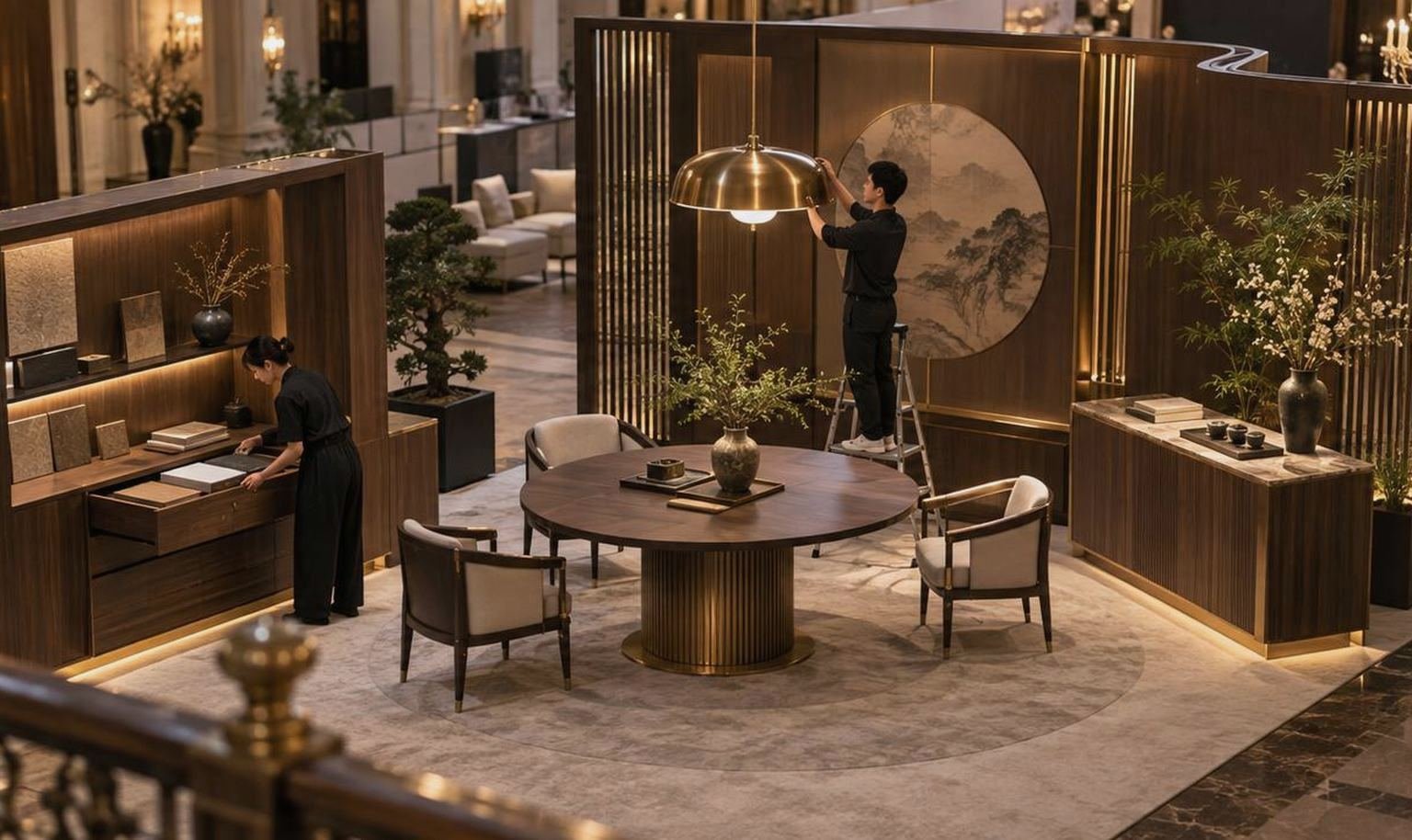
Link: /20×30-trade-show-rental-booths/ Supports a vehicle plus product stations, storage and dealer meetings.
-

Link: /50×50-trade-show-exhibit-booth/ Provides a large automotive environment for several vehicles, product zones, presentations and partner conversations.
Request an Automotive Exhibit Plan Built Around the Vehicle or System
Vehicle or component position is the first line of an automotive exhibit proposal. Dimensions, placement responsibility, powered features, demonstration steps and dealer or engineering meetings allow the surrounding rental structure and requested show services to be defined accurately.