
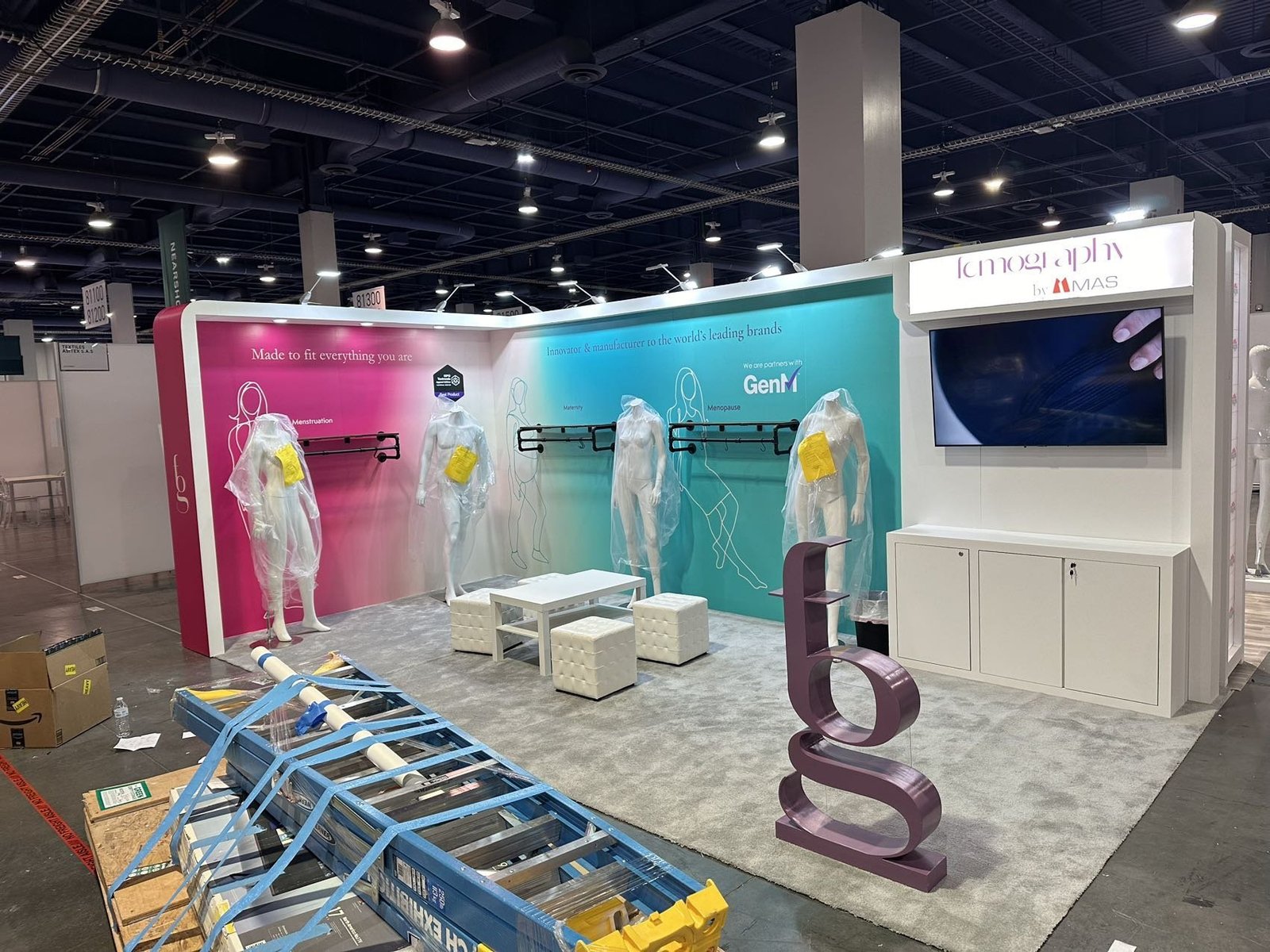


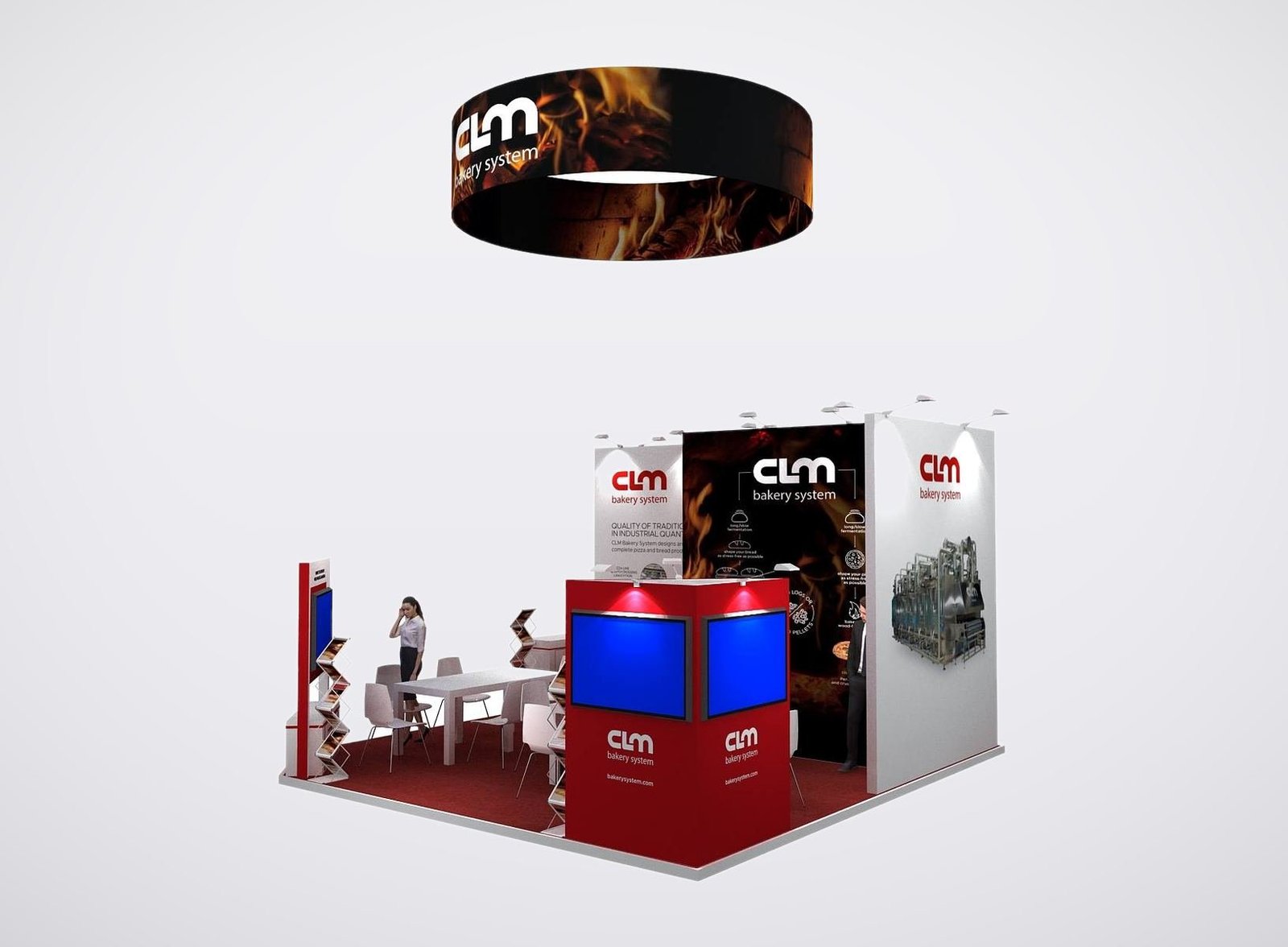
Plan Each Selling Zone Around a Specific Buyer Action
• Lead with a focused collection edit instead of the full line.
• Size racks, shelves, and mirrors around actual product dimensions.
• Keep small accessories countable, secure, and easy to return.
• Provide line sheets and seating without blocking aisle conversations.
Start With the First Finds Assignment, Not an Empty Floor Plan
Atlanta Apparel includes permanent showrooms and First Finds temporary exhibits. This page is for brands planning a temporary exhibit. Official space applications, assignments and event participation come through Atlanta Apparel / ANDMORE, not King Exhibits. A general trade show booth rental in Atlanta still has to begin with that official record; a city-level supplier page cannot tell you what your category package includes.A temporary booth may already include walls, rods or shelves, a table, chairs or other category-specific components. The exact package is not a universal standard. Before adding rental elements, record the assigned floor and booth, dimensions, open sides, current package, product category and every organizer item that must stay. Confirm any proposed custom booth or package change through the current official process.The merchandise brief then sets the physical work. Apparel requires usable hanging height, hanger width and room to pull a piece without collapsing the next rail. Footwear needs clear pair presentation, box or reserve storage and a controlled try-on or handling position. Jewelry and accessories need readable grouping, secure handling and small-item reset. These details determine fixture capacity, graphics, lighting, storage and buyer-work areas.King Exhibits can prepare the 3D direction and quote the rental structure, selected custom display pieces, graphics, lighting or AV elements, logistics, installation, dismantling and storage work accepted for the project. The proposal identifies our inclusions; the current exhibitor resources govern official orders, approvals and show-controlled work.
Choose the Rental Overlay That Matches the Package Gap
These are planning directions, not fixed packages. The assigned booth, category, current resources and approved scope determine the final configuration.
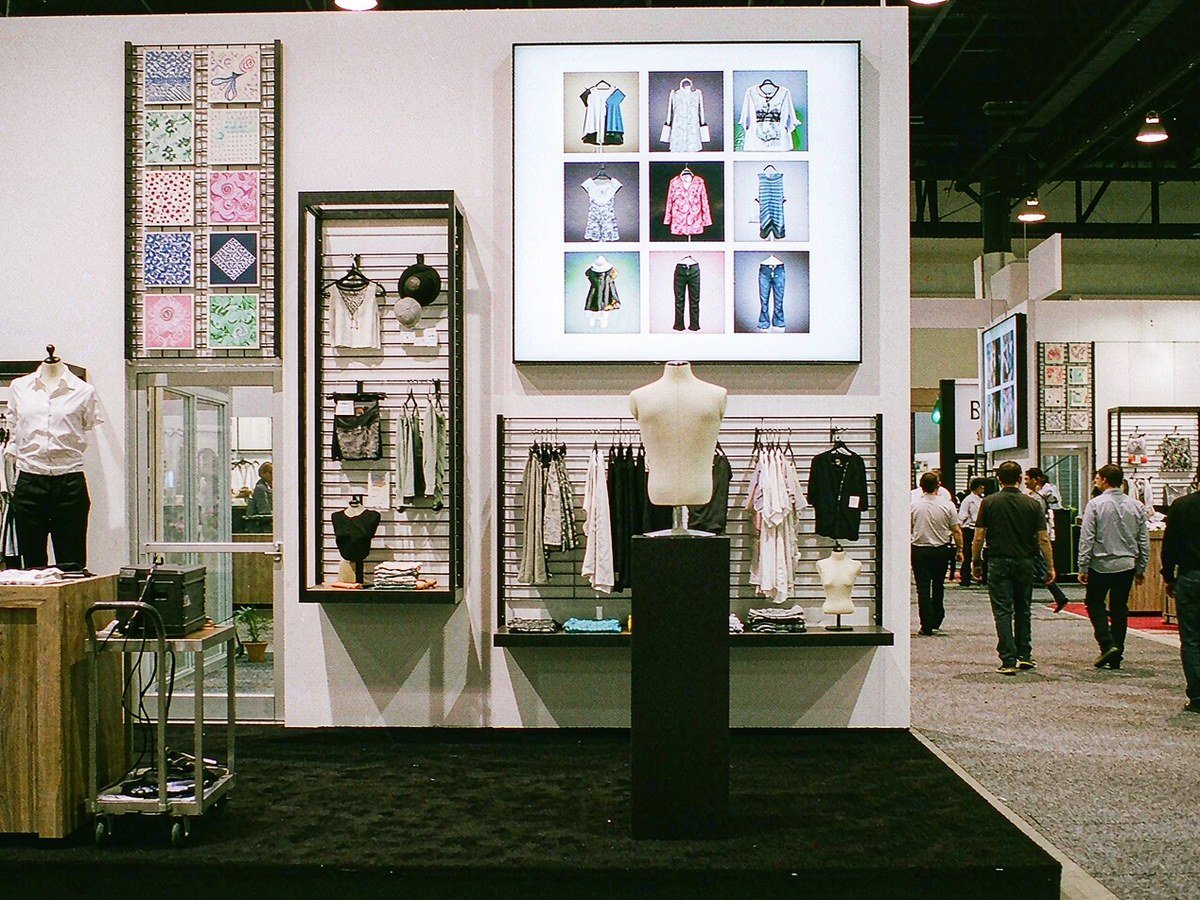
Keep useful package fixtures and add the brand message, category markers, campaign imagery or product labels that help buyers understand the line faster.
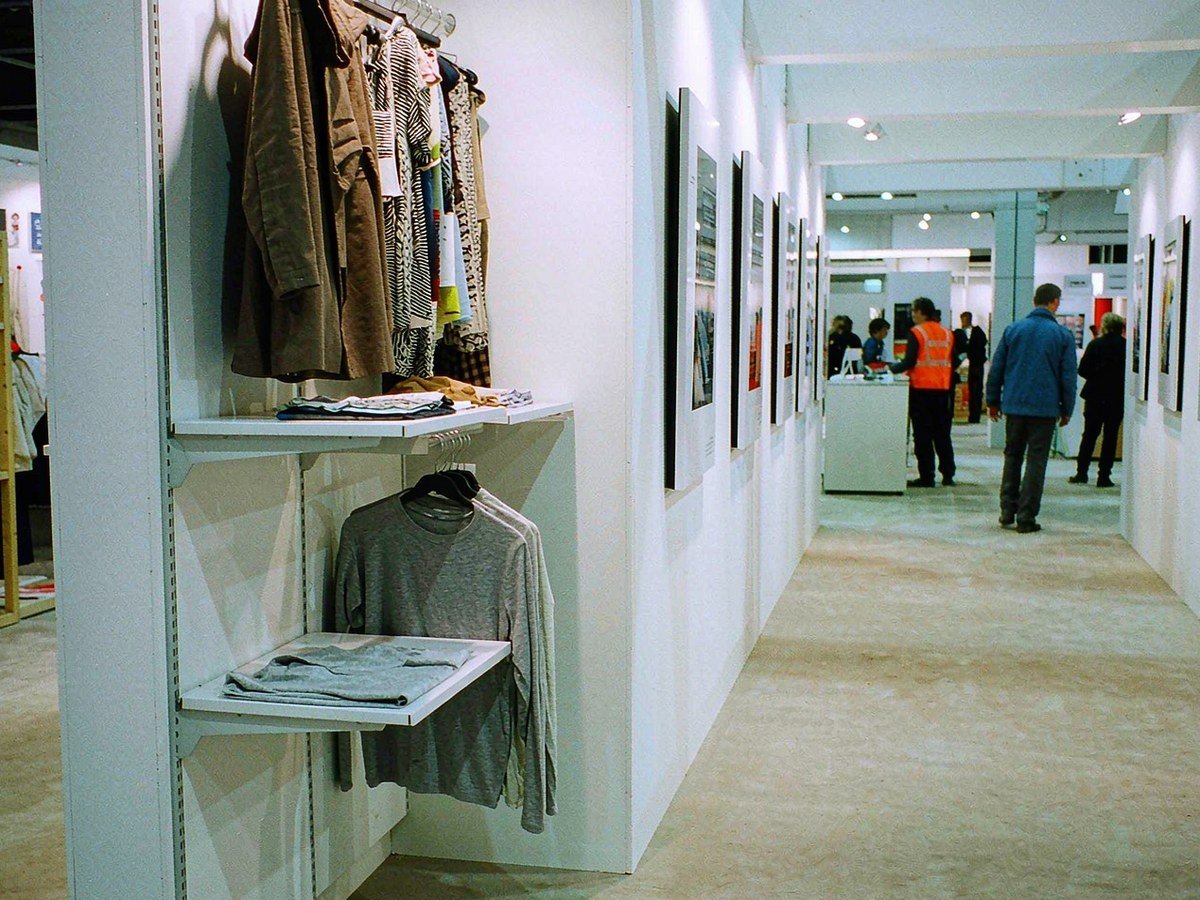
Add measured rods, shelves, plinths, accessory panels, mirrors or sample tables only where the merchandise count shows a real capacity or handling gap.
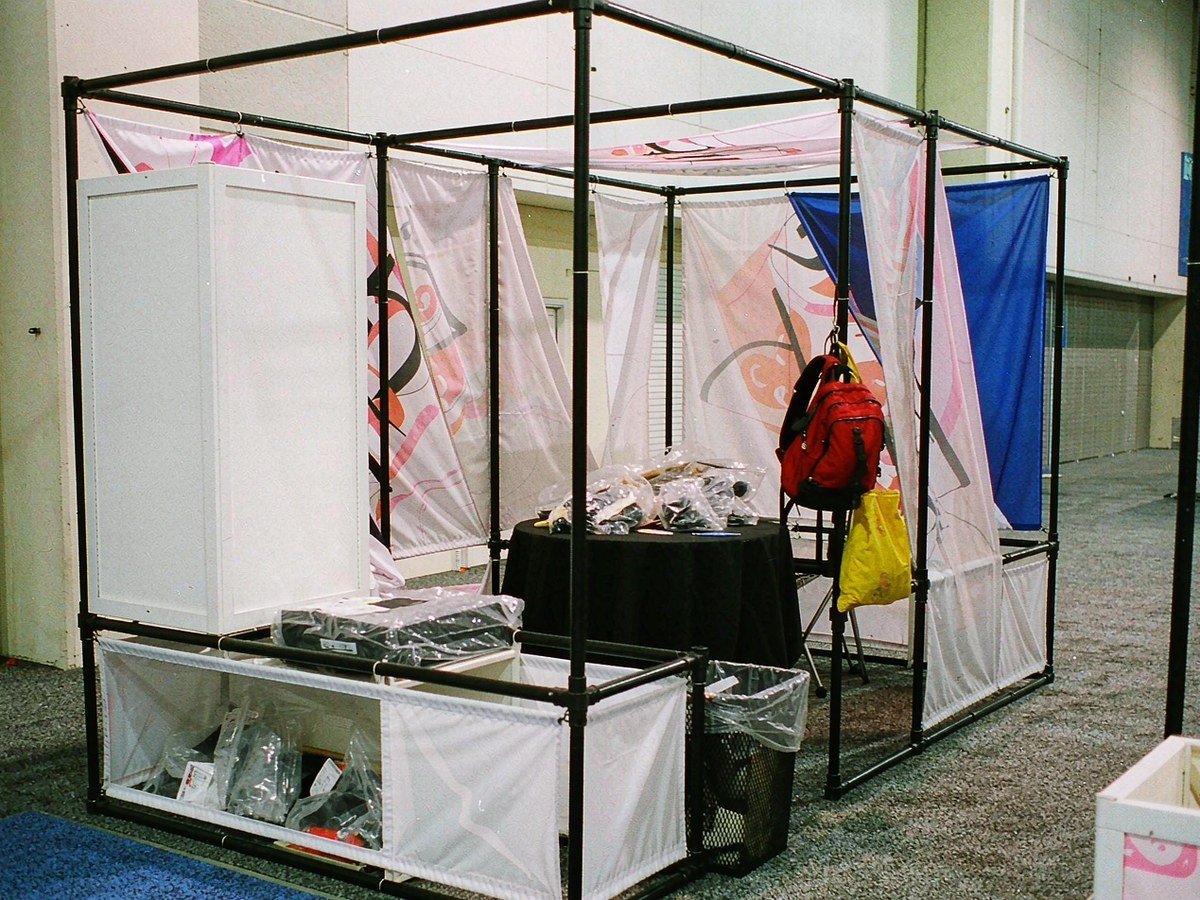
Create an accessible position for reserve samples, packaging, line sheets, devices and staff belongings when the included setup does not protect daily operations.
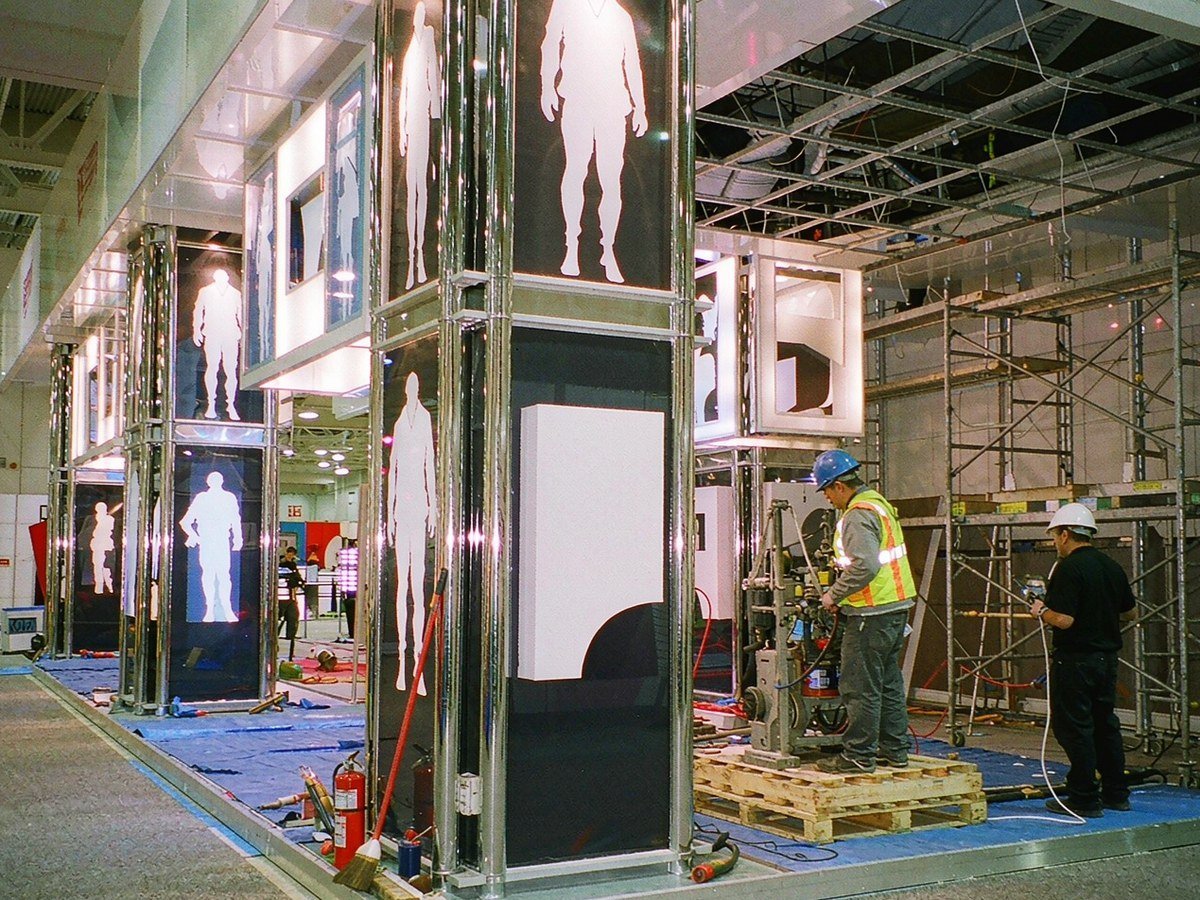
Consider a larger structural change only after the current assignment and approval path are documented. The quote must distinguish retained package items from new rental or custom work.
Inventory the Included Package Before Adding Rental Pieces
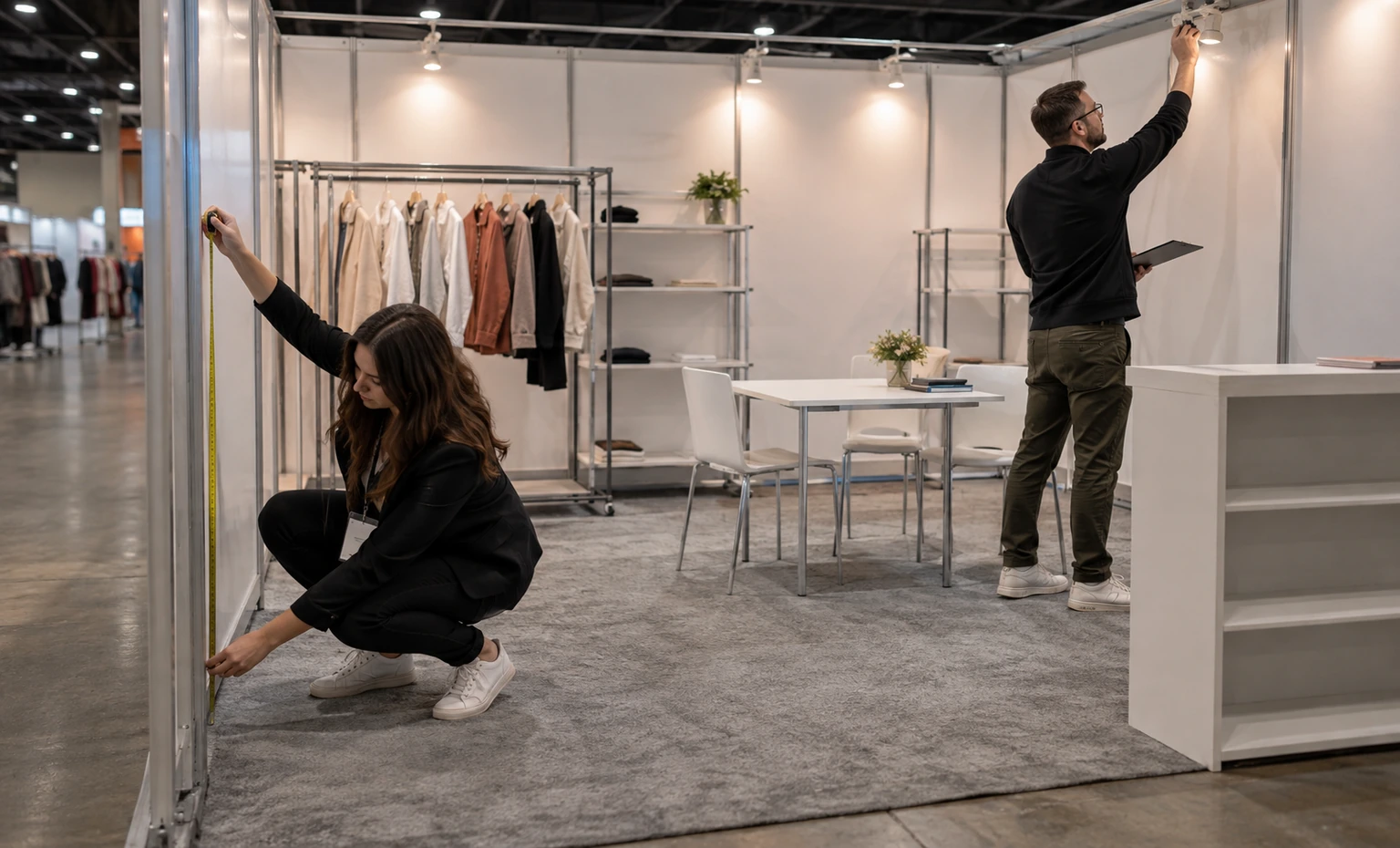
Photograph and measure every included wall, rod, shelf, table, chair and light before the added exhibit is drawn. Place those items on the assigned plan and mark what must remain, what may move and what requires approval to change. The King proposal can then address the real gaps—such as branded surfaces, added capacity, secure storage or a better review table—without charging for a second version of something the show package already provides.
Convert the Line Sheet into a Measured Display Count
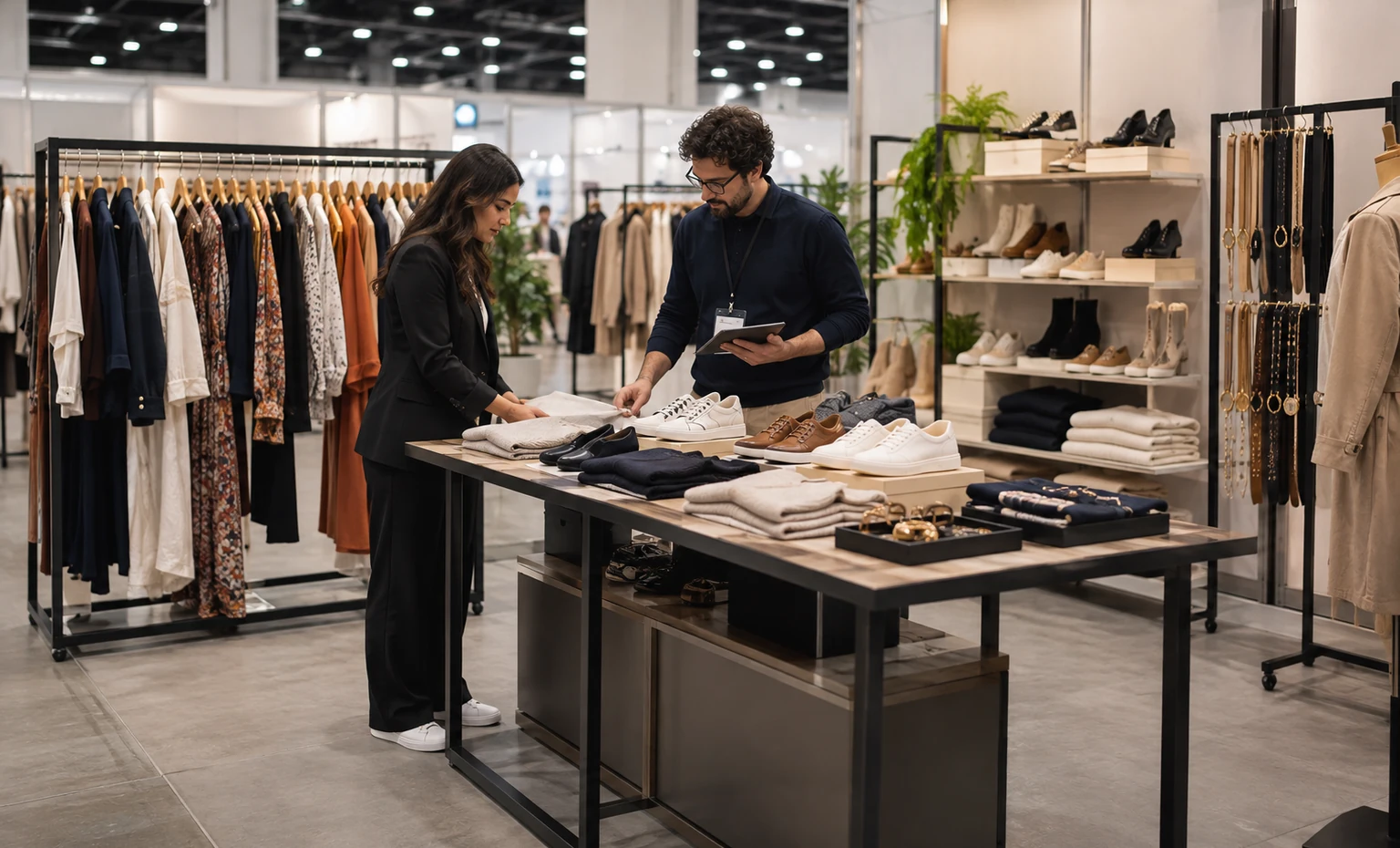
List every public style by category, size of sample, display method and launch priority. Add hanger width and garment drop for apparel, pair and box dimensions for shoes, stack height for folded goods, and tray or hook count for accessories. Then separate what stays visible from what sits in reserve. This measured count tells the layout how much product fits, where replenishment happens and which variations can move to a catalog instead of another fixture.
Design the Buyer Conversation Before Counting Chairs
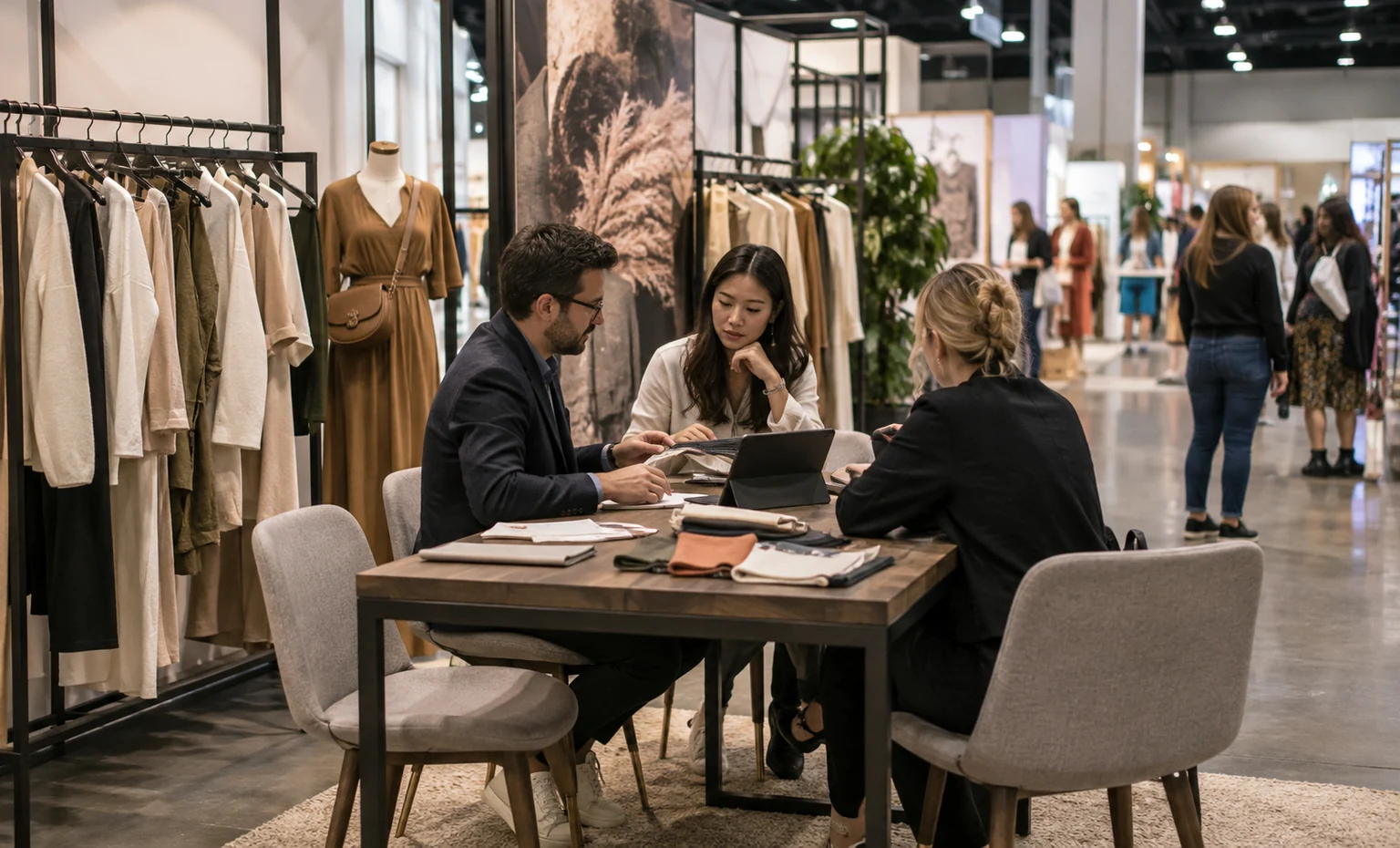
Share how many account appointments are scheduled, how long reviews take and what the rep places on the table. A quick first look may need one standing surface; a deeper line review may require samples, a device, pricing notes and two or more seats. The layout should also leave a clear path for buyers who are still browsing. Meeting furniture earns its space only when it supports a defined sales routine and does not hide the collection.
Review Merchandise, Included Items and Quoted Work in One 3D Direction
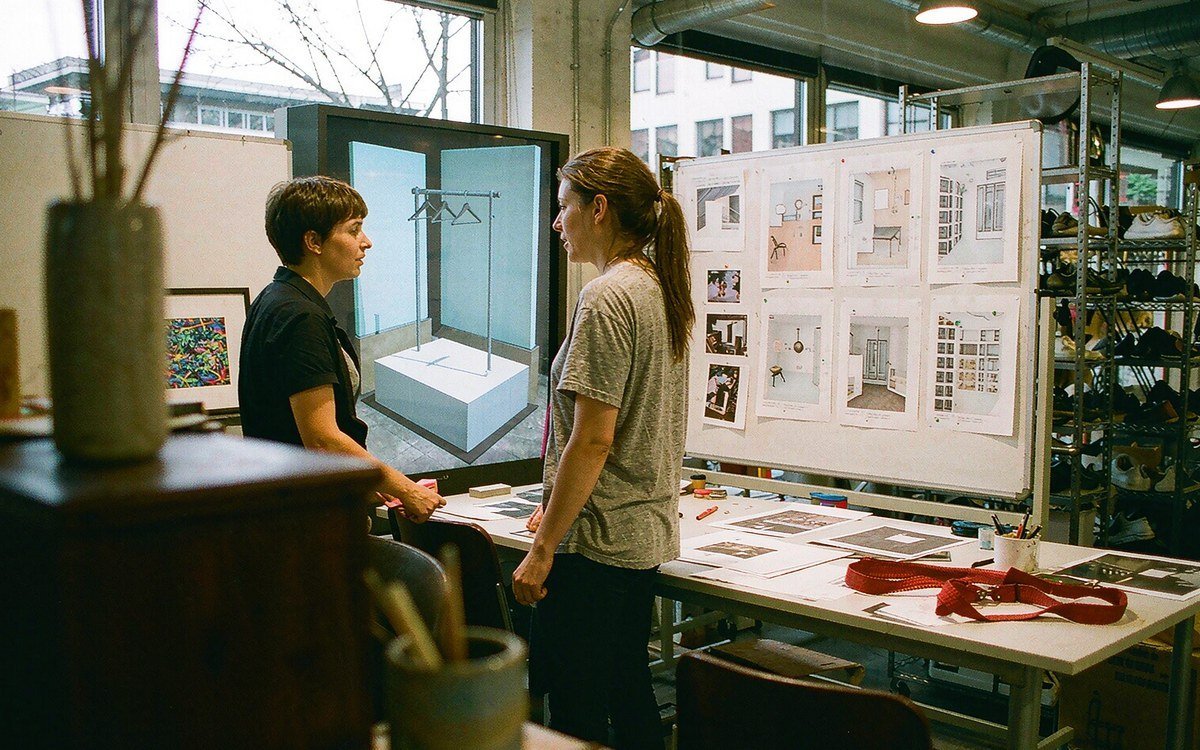
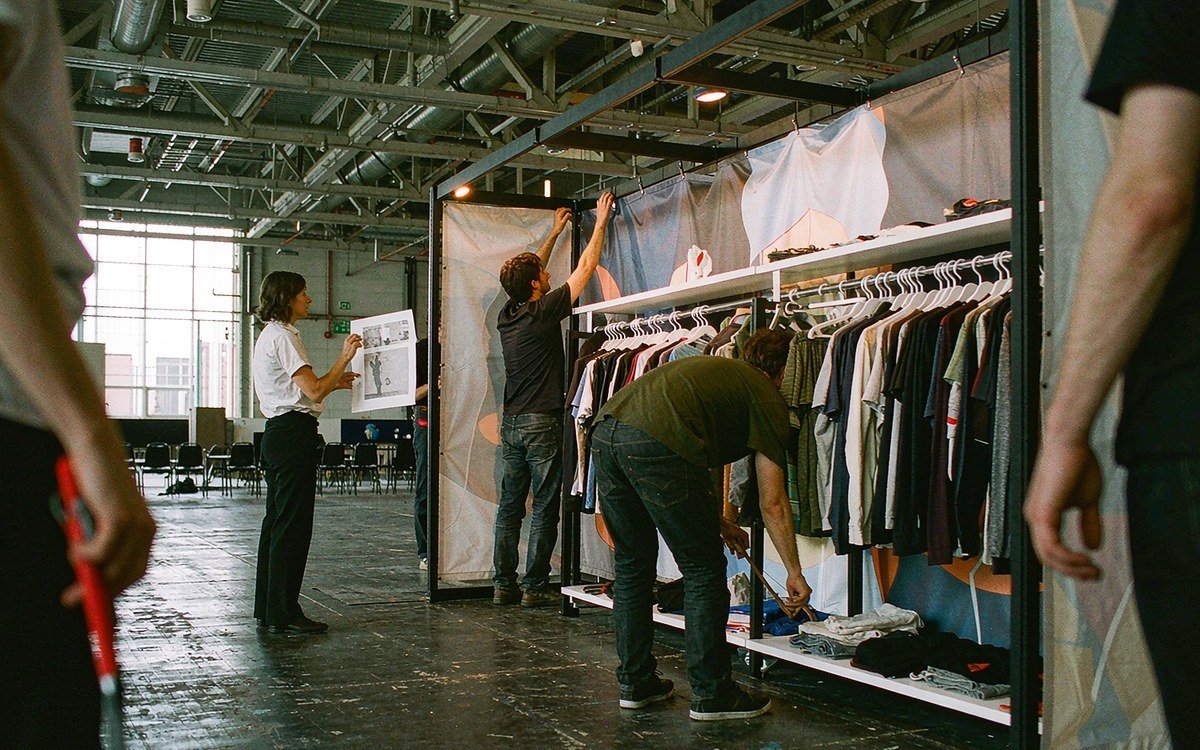
King Exhibits begins with three separate inventories: the show-provided package, the exhibitor’s merchandise and the work requested from us. The 3D direction places those inventories in the assigned footprint so brand, sales, event and procurement teams can see what buyers encounter, what products fit and which party supplies each component.The itemized proposal identifies the rental structure, selected custom fabrication, graphics, technical display, transport, installation, dismantling or storage support that King has been asked to quote. Official space, package charges, organizer orders and venue-controlled services remain outside the proposal unless a signed revision expressly says otherwise.This separation also makes revisions easier to evaluate. If the public collection, rack count, graphic direction or appointment plan changes, the affected layout and proposal lines can be reviewed together before production, packing or show deadlines make the change harder to control.
Keep Four Responsibility Lists Open Until the Booth Is Released

Confirm the market cycle, First Finds category, floor, booth number, dimensions, package, official contacts and the current exhibitor resources.

List only the rental, custom, graphic, logistics and show-site work accepted in the current written quote, with assumptions and exclusions visible.
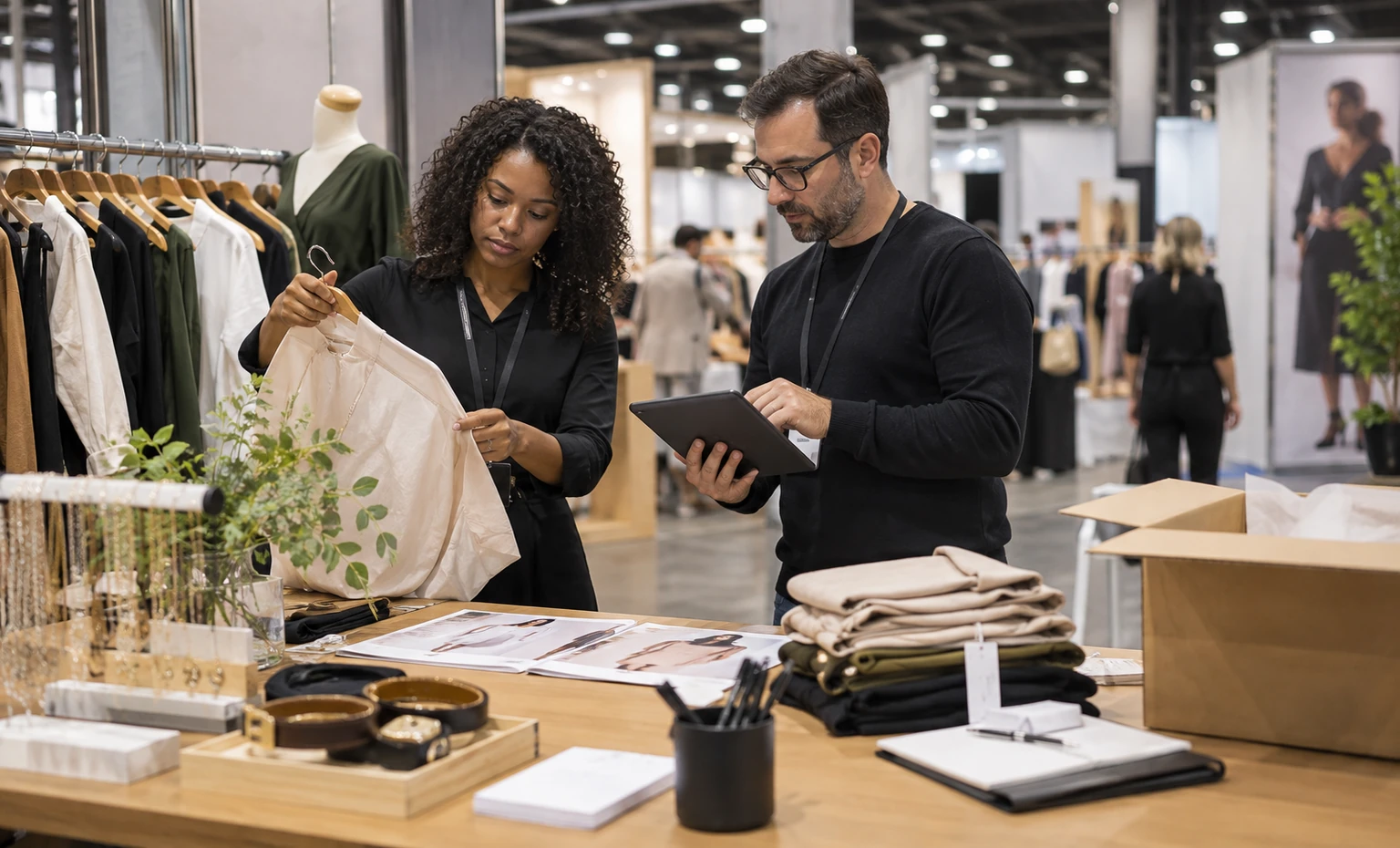
Assign public samples, reserve stock, line sheets, order devices, staff supplies, brand files, pricing content and approved product claims to named owners.
Track electrical service, additional furnishings, custom-booth approval, freight or dock steps, catering and other controlled orders through the current named provider.
Turn the Assignment and Collection into a Reviewable Exhibit Scope
Step 1 Title: Confirm the Temporary Exhibit RecordStep 1 — What You Provide: Market cycle, First Finds confirmation, floor and booth number, dimensions, open sides, current package, floor plan and exhibitor resources.Step 1 — What We Do: Separate official space and package obligations from the exhibit work you want King to evaluate.
Step 2 Title: Count Products by Selling MethodStep 2 — What You Provide: Collection categories, public and reserve quantities, measurements, handling, launch priorities, line sheets and appointment plan.Step 2 — What We Do: Map product capacity, sightlines, comparison, replenishment, storage and sales work before selecting added fixtures.
Step 3 Title: Review the 3D Rental DirectionStep 3 — What You Provide: Brand files, graphic messages, lighting or AV needs, feedback, budget and the services to be priced.Step 3 — What We Do: Show the retained package, proposed additions and responsibility interfaces in the assigned footprint.
Step 4 Title: Approve the Itemized ProposalStep 4 — What You Provide: Decisions on scope, alternates, client-supplied items, outside orders and approval owners.Step 4 — What We Do: Revise the written proposal so King inclusions, exclusions and assumptions are clear before authorization.
Step 5 Title: Close the Production and Market ChecklistStep 5 — What You Provide: Approved artwork, service-order status, merchandise shipping plan, access dates and final onsite contacts.Step 5 — What We Do: Prepare and coordinate only the accepted project scope while open official items remain assigned to their named owners.
No. Apply for and confirm the official space through Atlanta Apparel / ANDMORE. King provides a separate proposal for the physical rental exhibit and project services expressly listed in the accepted quote.
It is for a First Finds temporary exhibit. A permanent showroom has a different lease, access pattern and construction context and should be reviewed as a separate project.
Only after the current package and approval path are confirmed. Useful included items can remain; proposed changes or custom-booth work must follow the current Atlanta Apparel / ANDMORE process and be reflected in the approved design and quote.
Yes, when the assignment, current rules and accepted design allow them. Send product dimensions, display quantities, package details and operating needs so each addition can be scoped rather than assumed.
No. Package contents can vary by category, and the current official temporary-exhibitor resources state that electricity is ordered separately. Confirm lighting, outlets and all technical orders in the current exhibitor portal before the design is released.
Do not plan the booth around that assumption. Current Atlanta Apparel temporary-exhibit guidance says Cash & Carry is not allowed in temporary areas. Reconfirm the applicable market policy and keep product handling, reserve samples and return points under staff control.
Send the market cycle, First Finds assignment, floor plan, booth package, current exhibitor resources, product categories and measurements, public and reserve quantities, buyer appointments, graphics, power or AV needs, storage, budget, timeline and requested onsite support.