


Choose the ASCO Exhibit Environment from the Conversation
Therapy, Pipeline or Disease-Area Education
A therapy or pipeline exhibit needs a visible disease-area entry, an approved content sequence and room for medical or commercial staff to answer questions. Large screens can support mechanisms, pathways or study information when the material is approved for that setting. Avoid asking visitors to read a dense wall from the aisle; move from a concise public message into deeper content at a station or table.
Diagnostics, Devices or Laboratory Workflow
Physical instruments, representative devices, test workflows and software interfaces need clear product context. Confirm dimensions, weight, viewing sides, operator position, power, data, consumables and any non-operating display condition. A short demonstration can show the clinical or laboratory task without implying a performance, indication or regulatory status beyond the exhibitor-approved language. Nearby seating supports integration and implementation questions.
Research, Trial or Oncology-Service Meetings
CROs, laboratories, technology platforms, health systems, recruitment services and patient/provider support organizations often sell through complex stakeholder conversations. A public graphic can identify the problem and service range; the real work happens with clinical, operational or partnership specialists. Reception, appointment tracking, semi-private tables and secure document storage help the exhibit support scheduled discussions without turning every visitor into a general presentation.
ASCO Exhibit Rentals for Approved Content and Expert Discussion
The ASCO Annual Meeting brings a broad cancer-care community into a dense scientific and commercial program. On the exhibit floor, visitors may look for information tied to a tumor type, treatment approach, biomarker, diagnostic method, clinical workflow, trial, device or service. The first message should help them identify that connection. The booth can then provide approved detail and access to the team qualified to discuss it.Scientific information needs deliberate viewing conditions. Chart size, screen height, dwell space, sound, captions, navigation and conversation position all affect whether a visitor can use the content. Multiple disease areas or products need separate routes rather than one long message wall. The floor plan should also account for accessibility, bags, coats, literature, staff materials and frequent private or semi-private meetings.King Exhibits develops the rental exhibit and content placement together. Our 3D direction shows reception, disease-area zones, data screens, physical demonstrations, specialist positions, meeting rooms and storage before the structure is approved. Rental walls, lightboxes, towers, counters, flooring, lighting and furniture create the main environment. Confirmed equipment or media requirements can support quoted custom mounts, surrounds, worktops or access panels.Medical, legal and regulatory review remains with the exhibiting organization. Only approved claims, indications, data, references, imagery and product status should enter production. Current ASCO policies, McCormick Place requirements and authorized-provider rules control exhibit activities and services. Our scope can preserve changeable graphic or media positions, but it does not approve scientific content or replace the exhibitor’s compliance process.
Give Each Oncology Offer the Right Type of Space
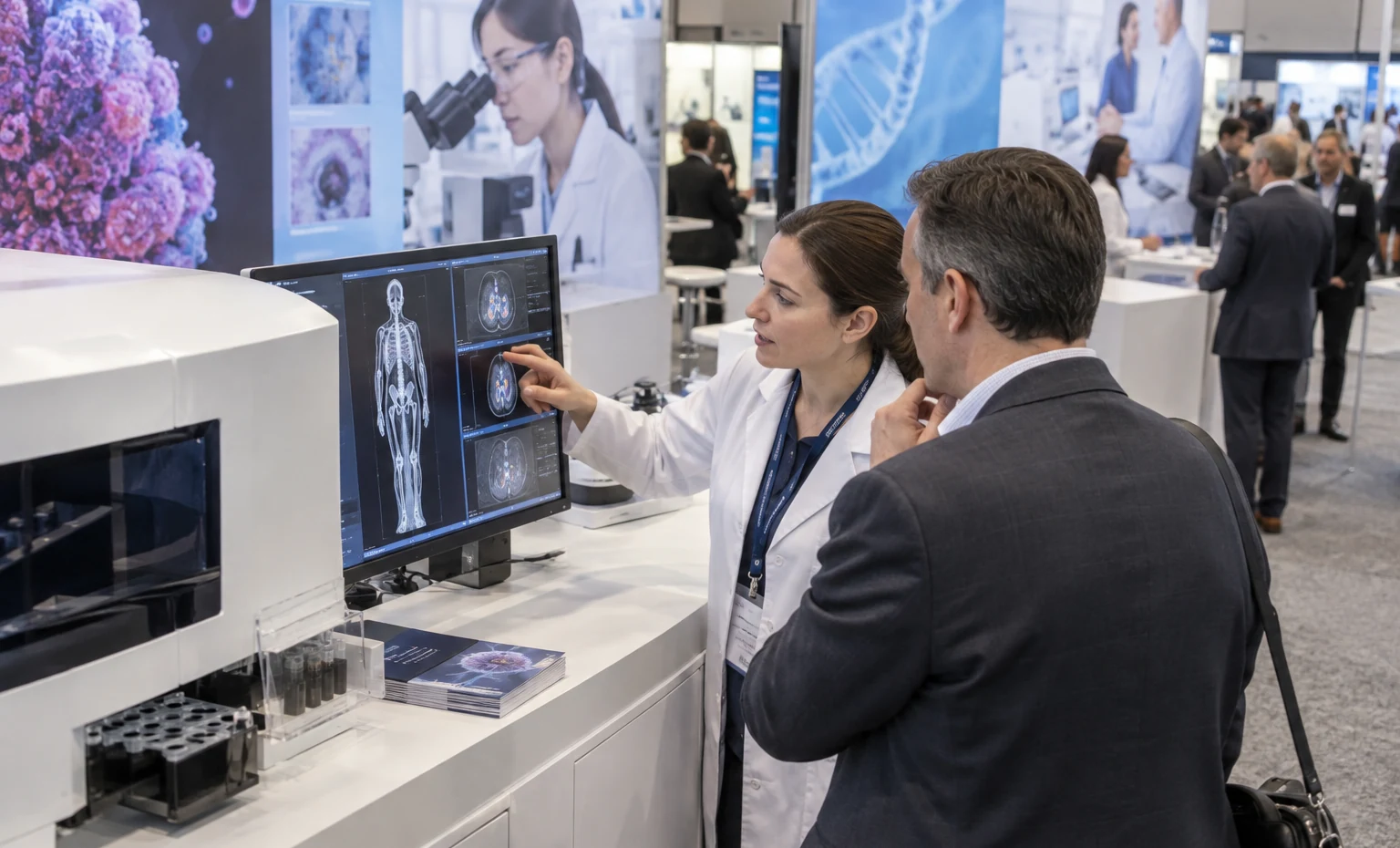
Organize the booth by disease area, audience or approved product/pipeline priority. Large visual content can establish the topic, while specialists guide visitors to deeper data and relevant discussions. Plan for different levels of conversation: a brief orientation at the edge, a standing content review, and a seated medical or business meeting. Storage keeps controlled materials and staff belongings away from the public message.

Connect the test or biomarker to the point in the clinical workflow where it matters, using only approved content. Screens, diagrams, specimen-handling representations or non-operating hardware can help explain the sequence. Pathologists, oncologists, laboratory teams and partners may ask different questions, so staff positions and meeting access should support both scientific review and implementation discussion.
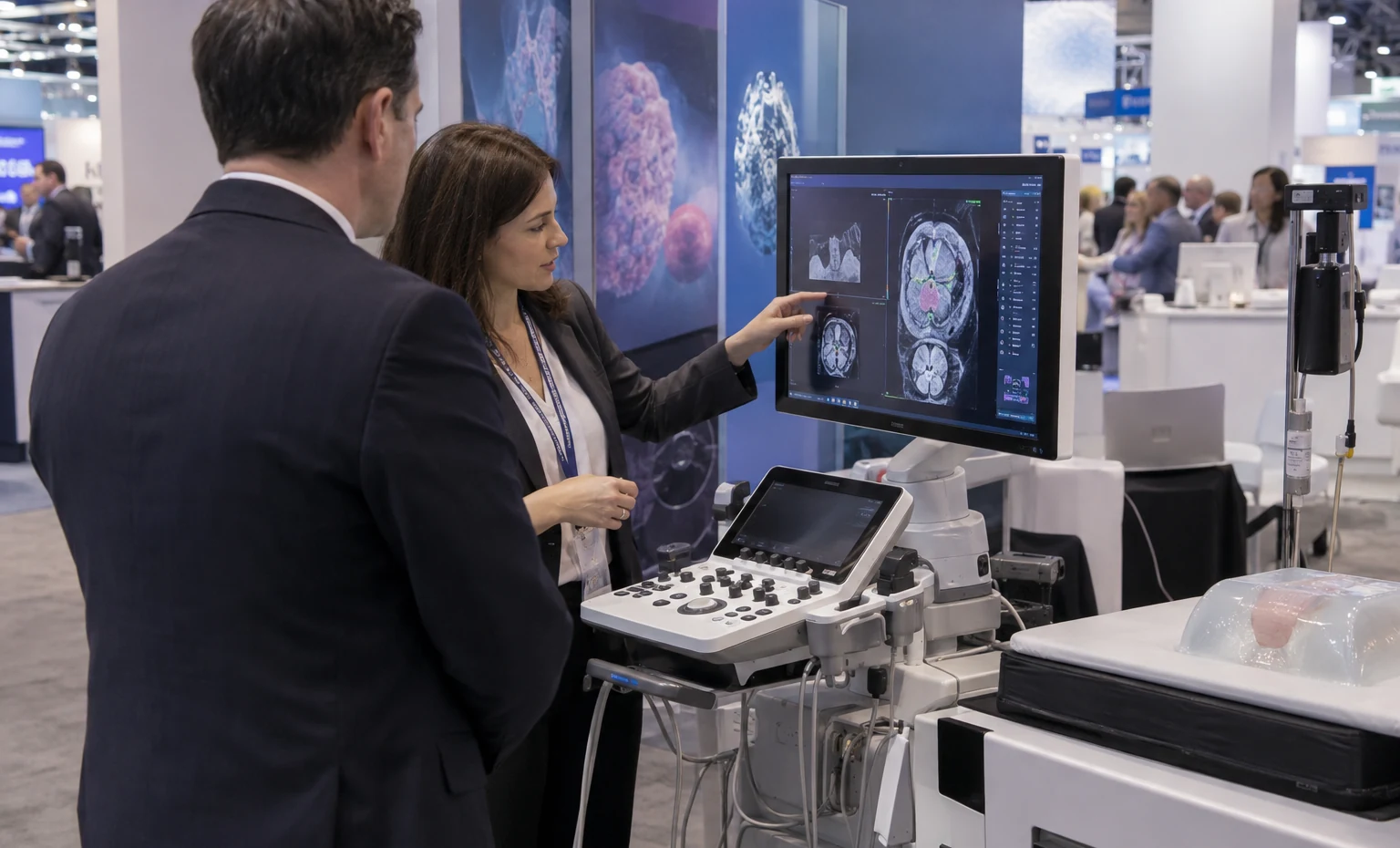
Show the clinician or operator relationship to the device. A full product, representative component, model or screen-based demonstration should have realistic viewing distance and safe visitor access. Record shipping size, floor load, power, connectivity, heat, sound and handling before layout approval. Use graphics to explain the broader workflow when the physical exhibit can show only one part of the system.

Trial operations, central laboratories, data services, recruitment and other research partners need a concise public promise followed by qualified conversations. Use one workflow or study-support problem to make the offer concrete. Screens can show approved process information; meeting areas give sponsors and investigators space to discuss indications, regions, timelines, capabilities and collaboration requirements based on the provider’s actual service.
Start with the Clinical Reason to Stop
An attendee should not have to decode a product platform before finding the relevant disease area or care task. Put that orientation at the first viewing distance, then lead into the approved mechanism, data, workflow or service detail. Name the next useful action as well: view a presentation, speak with a specialist, try a demonstration or attend a meeting. This sequence lets the booth serve both fast-moving visitors and professionals ready for a deeper exchange.

Design for the Last Approved Version
Medical content can move through several review cycles while the exhibit structure follows an earlier production date. Separate durable architecture from changeable graphics and media wherever the schedule allows. Maintain a final location, size, owner and approval status for every file. King Exhibits can produce against that controlled list and flag physical consequences of a late change. The exhibitor still owns scientific accuracy and approval, but the booth does not have to hide version confusion inside production.
Route the Question Before It Becomes a Queue
List the questions your booth is prepared to handle and the roles authorized to answer them. Reception can identify the disease area, product or service need, check an appointment and direct the visitor without collecting unnecessary detail in the aisle. Give medical, clinical, commercial, partnership and technical teams clear home positions. A staffing map also reveals when one specialist is expected in several places at once, allowing the meeting calendar or layout to be corrected early.

Review the Science, Screens and Meeting Plan on One 3D Layout
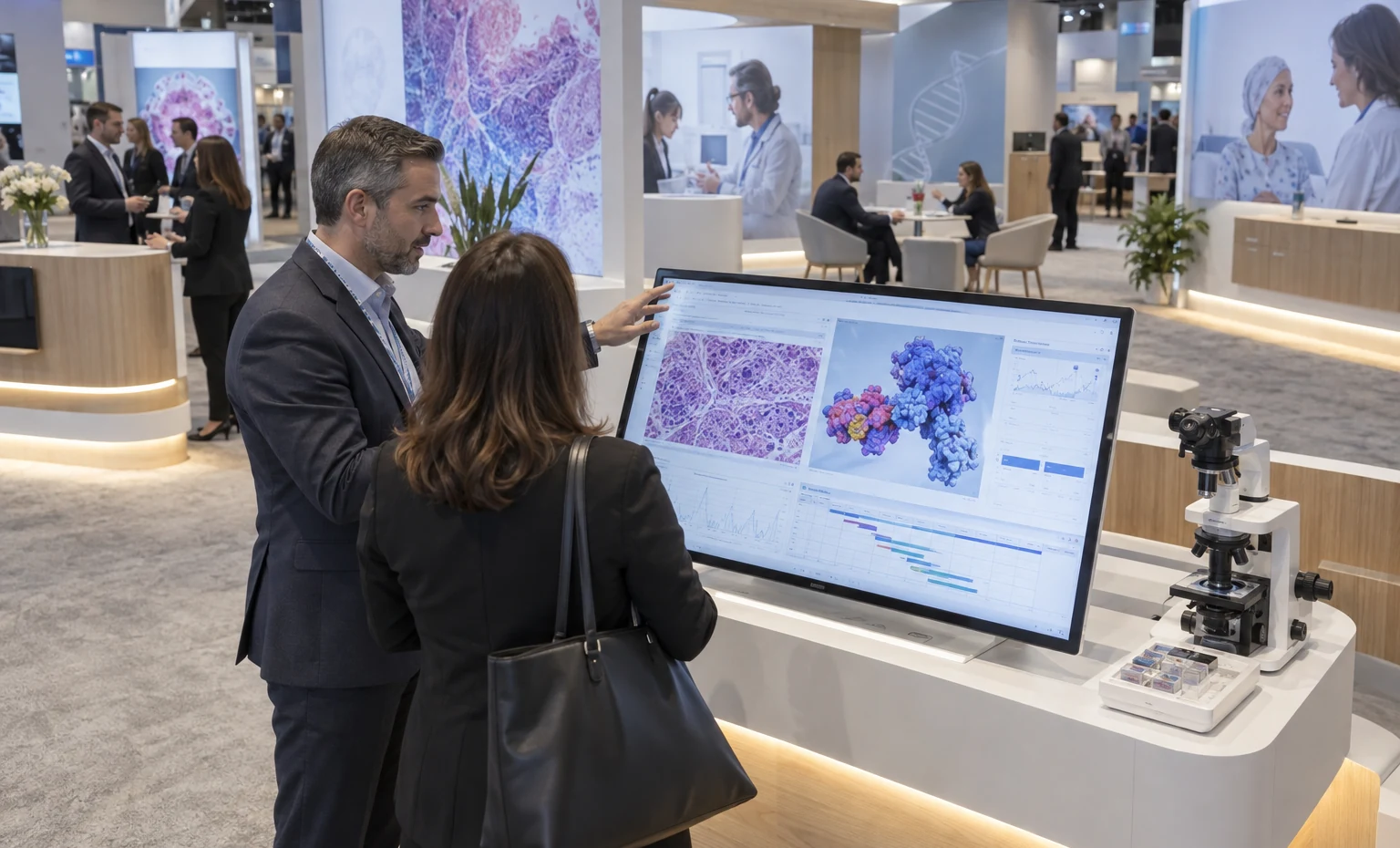
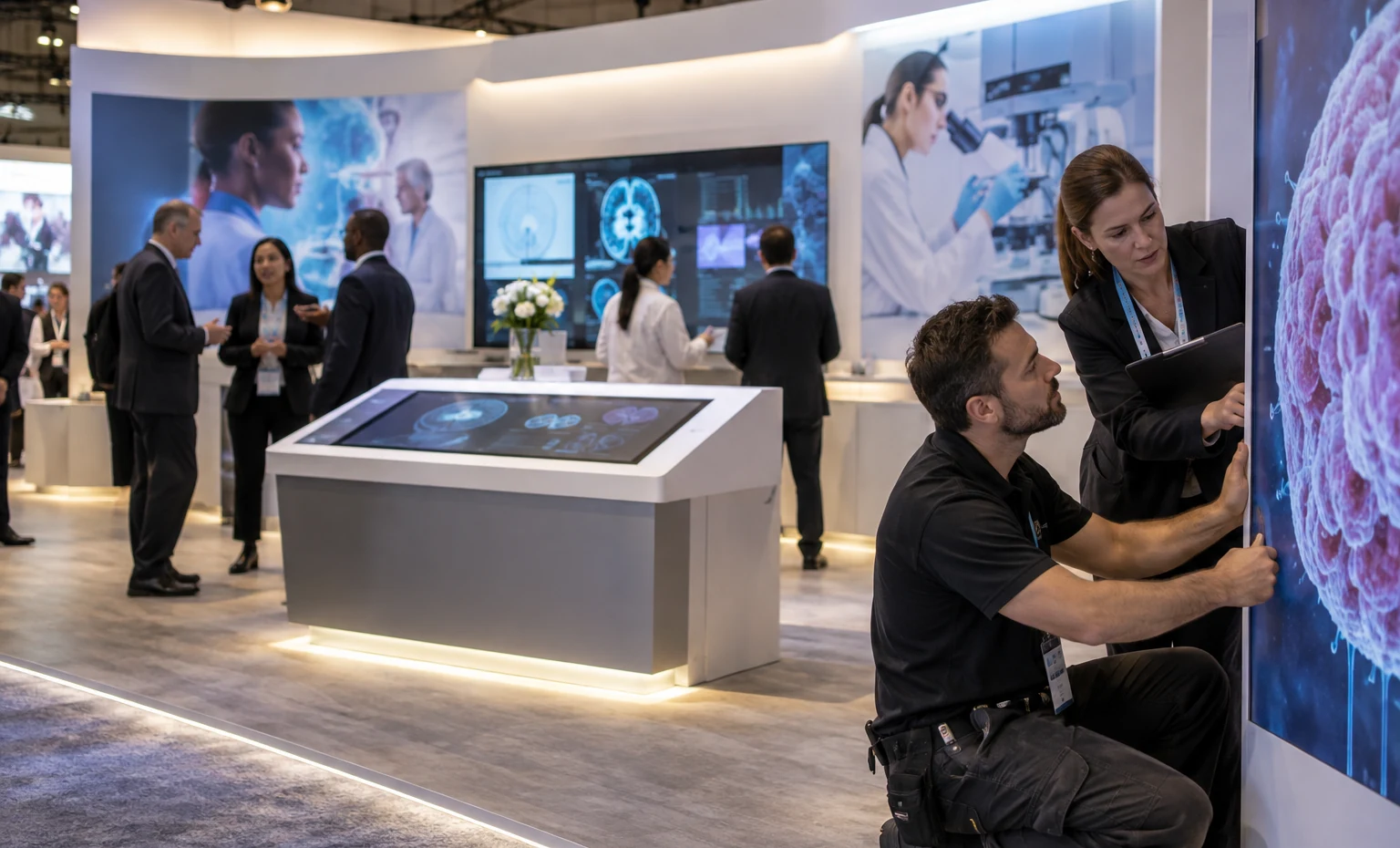
King Exhibits translates the approved content plan into a physical visitor route. Disease-area messages, screens, demonstrations, specialist stations, reception, meetings and storage appear together in our 3D presentation. Medical, brand, legal, operations and sales teams can see where each approved asset will be used and whether the booth supports the conversations promised by the campaign.Our reusable rental inventory supplies the primary walls, towers, lightboxes, counters, flooring and meeting structure. When equipment, screens or accessibility needs require a fitted solution, confirmed dimensions and interfaces can guide custom mounts, surrounds, work surfaces and access panels included in the proposal. CNC and wood fabrication support those details, and graphic production follows the final approved file schedule.We then connect the booth release to packing, freight and installation responsibilities. The quotation names the exhibit components and project support included from King. Electrical, internet, rigging, material handling, labor, catering, cleaning, security and other official services remain visible as separate inputs unless expressly included. Your team can review the medical-content plan and commercial scope without treating them as unrelated approvals.
Move from Approved Message to ASCO Exhibit Release
What You Provide: Disease areas, priority audiences, products or services, approved claims, content owners and desired visitor actions.What We Do: We establish the public message and the route into detailed content or specialist discussion.
What You Provide: Graphics, screens, presentations, hardware, power/data, demo sequence, staffing, appointment calendar, privacy and accessibility needs.What We Do: We position every experience and test its relationship to traffic, staff and meeting capacity.
What You Provide: Booth assignment, open sides, furniture, storage, hospitality, budget, freight plan and the project services to quote.What We Do: We finish the 3D exhibit direction and provide a detailed King Exhibits proposal.
What You Provide: Final content and artwork approvals, signed scope, active ASCO requirements, official orders, shipment details and onsite contacts.What We Do: We produce, pack and coordinate the approved booth work against the current release schedule.
Yes, when the content is approved by the exhibiting organization and permitted under the current ASCO policies. Provide the final text, charts, references, indication or status language, display size and owner approval. King Exhibits places and produces the approved material; we do not validate scientific claims or regulatory compliance.
Sometimes. Changeability depends on the graphic type, size, production method, structure and release schedule. Identify likely late-review assets early so they can use replaceable graphics or digital media where practical. A late revision may affect production, freight, installation or cost, so final approval dates should be assigned to named owners.
Yes, subject to current show approval and the product’s permitted display condition. Send dimensions, weight, operating status, operator position, viewing sides, power, data, heat, sound, consumables, accessibility and safety information. The quotation will identify any custom fixture or service interface included.
Use the actual appointment calendar and conversation type. Short scientific or product follow-ups may work at open tables; confidential partnership, research or commercial discussions may require screened or enclosed rooms. Record peak concurrent meetings, group size, duration, hosts and privacy, then test the capacity against public content and storage needs.
Only when the exhibiting organization has confirmed that the content, consent, privacy, security and use comply with its policies and applicable requirements. Many demonstrations can use approved simulated or de-identified data. King Exhibits provides the physical or screen interface specified in the scope and does not determine data-use compliance.
Footprint, booth type, walls, towers, lightboxes, graphics, screens, device fixtures, meeting rooms, privacy, flooring, furniture and storage shape the exhibit price. Packing, freight and I&D are priced when requested. Electrical, internet, handling, rigging, labor, catering, cleaning and security may be separate show costs.
Often. Rental architecture, counters, lightboxes, screen mounts and meeting components can be reconfigured. The next footprint, audience, content approval, product program and show rules need another review. Keep durable corporate graphics separate from disease-area, product or meeting-specific messages when reuse is planned.
Send the edition, booth assignment, open sides, target audiences, disease areas, products or services, approved-message status, graphics, screens, demonstrations, meetings, storage, accessibility, budget, freight plan and the onsite support you want King Exhibits to price.
Booth Sizes for Scientific Content and Specialist Meetings
-
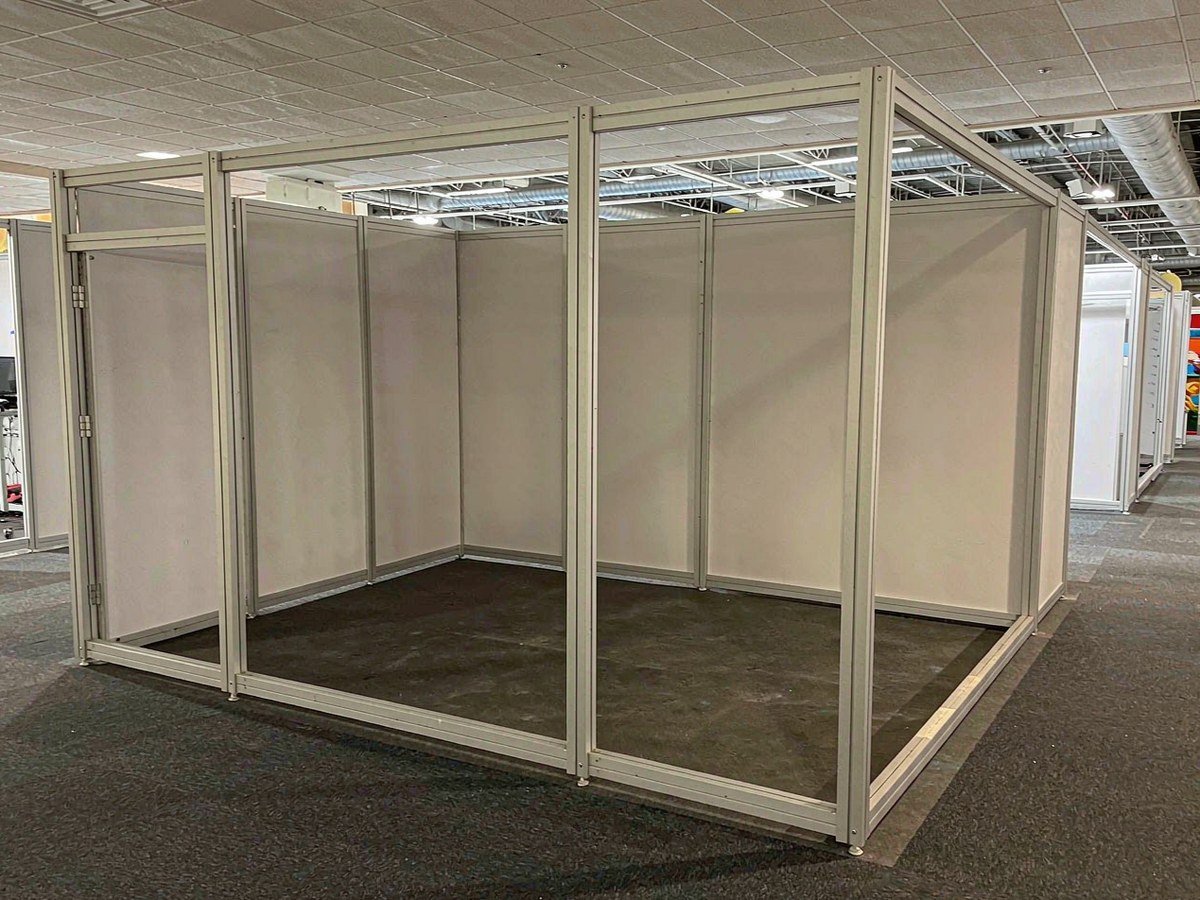
Suitable for one disease-area or service story, a screen or compact demonstration and a small specialist table.
-

Allows several content touchpoints, more open discussion space and concealed storage within an island footprint.
-
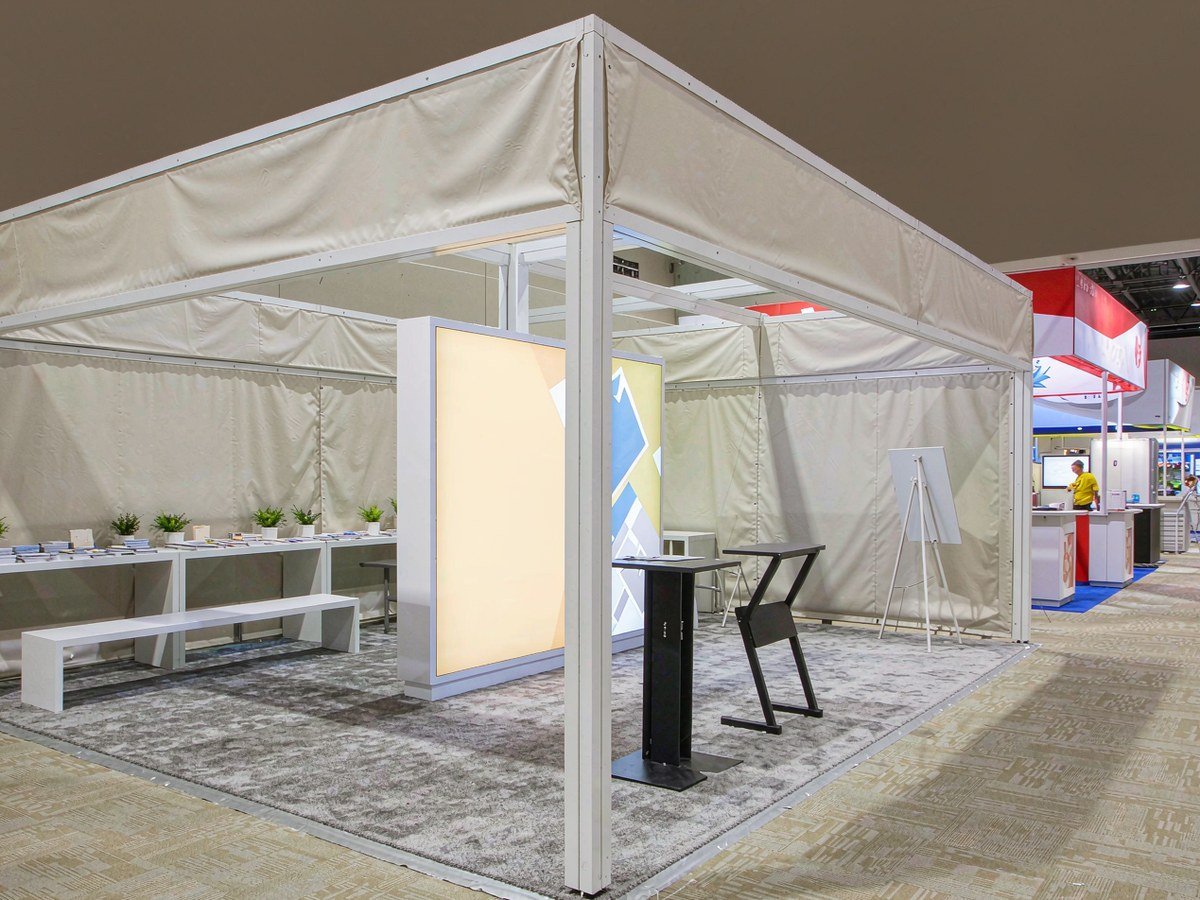
Supports distinct disease or product zones, stronger reception, device or media demonstrations and protected meetings.