


Give Each Digestive-Health Product the Right Way to Be Evaluated
• Keep endoscopy equipment’s working side and accessories accessible.
• Connect diagnostic instruments to a clear sample-to-result story.
• Organize approved therapy information around one clinical question.
• Demonstrate digital health through one short workflow and output.
Build the DDW Exhibit Around the Question Your Product Answers
Digestive Disease Week brings clinicians, educators and institutional leaders across gastroenterology, hepatology, endoscopy and related fields into one event. A Digestive Disease Week booth rental cannot assume that every visitor has the same product question. It should let a physician, laboratory or practice decision-maker recognize the relevant solution and reach the right level of explanation without decoding a wall of categories.We begin with the product decisions the booth must support. Each display item is linked to its intended visitor, permitted interaction, approved content, staff owner and next conversation. Those requirements shape the entrance, product stations, screens, storage and meeting areas before the DDW exhibit rental structure is selected.A DDW rental environment may use reusable walling and towers, illuminated brand surfaces, reception or demo counters, floor finishes and furnishings. King can also quote purpose-built components, graphic production, planned AV locations, packing, transport and named installation/dismantle duties. The exhibitor retains responsibility for DDW eligibility, product status, scientific or promotional content and activity approvals. Current DDW, venue and designated-provider requirements govern the final plan.
Give Each DDW Conversation the Right Depth
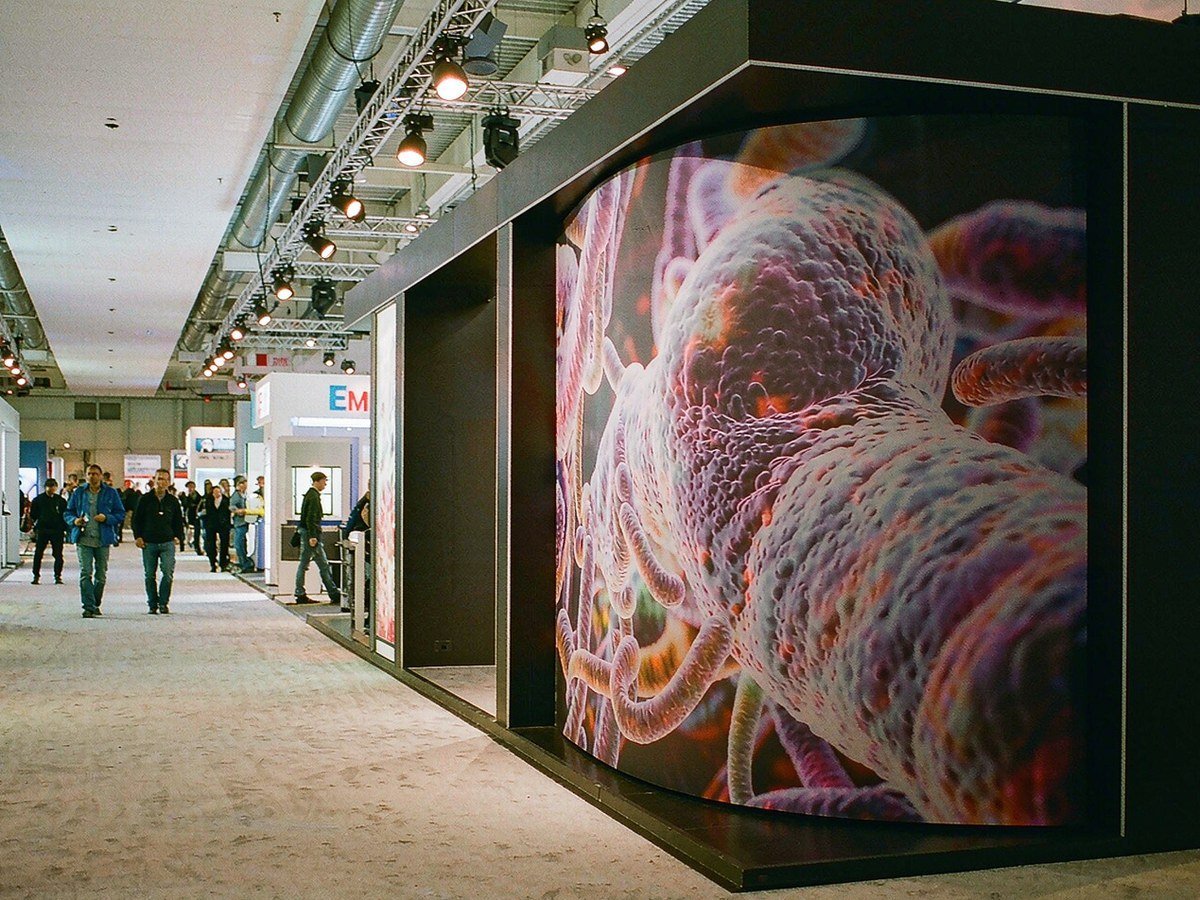
Use one short product or disease-area cue to help a passerby decide whether to enter. The message should direct an action, not reproduce the entire product portfolio.
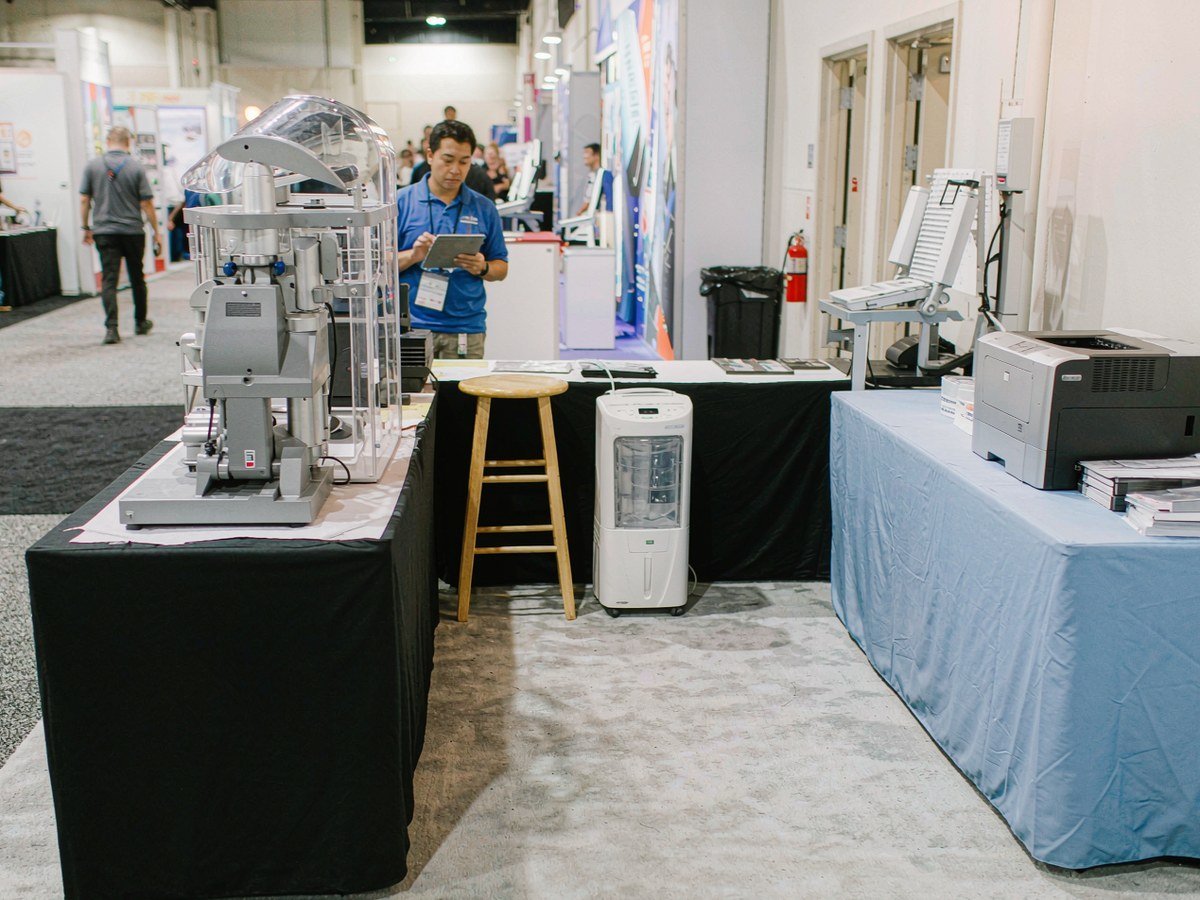
Provide the physical view, interaction or workflow that supports a first technical judgment. Keep approved evidence beside the product and make the next specialist visible.
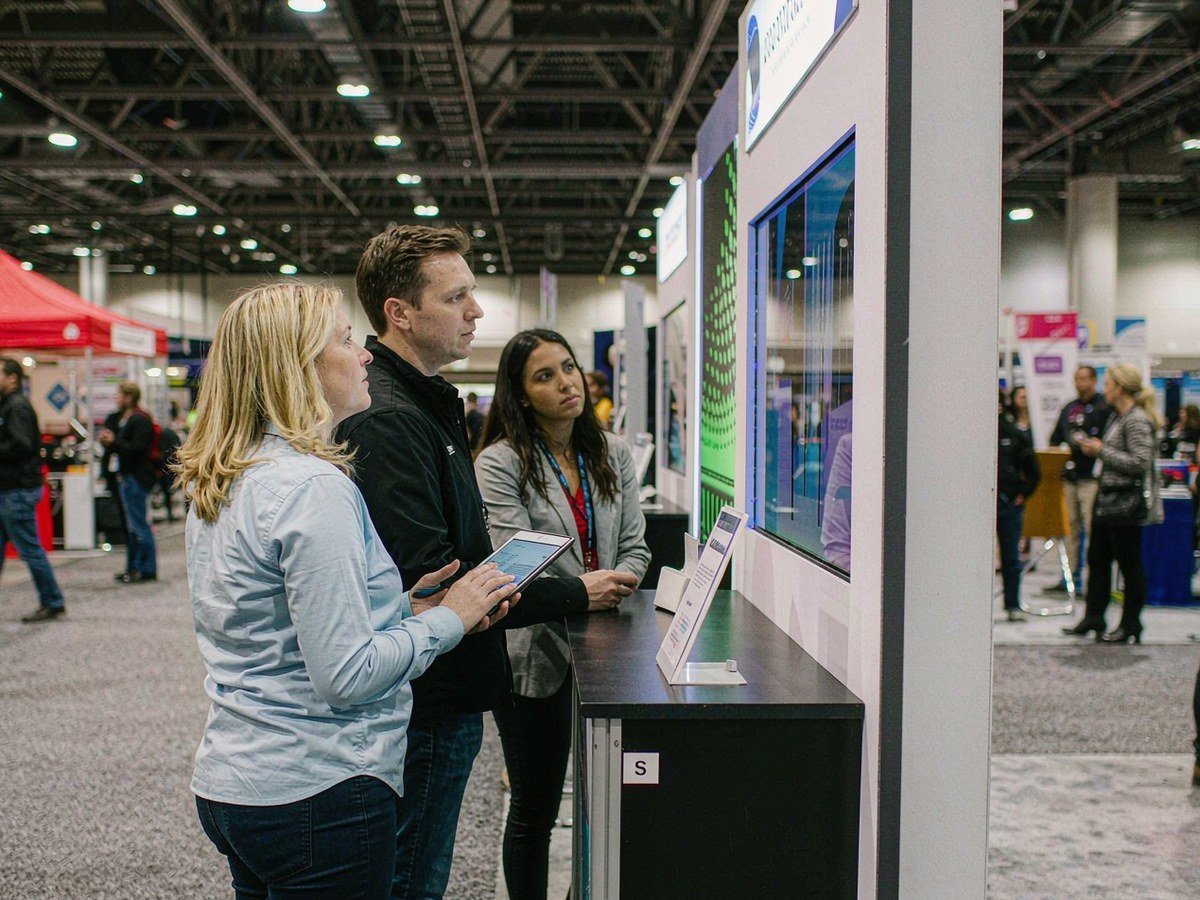
Route detailed clinical, regulatory, engineering or implementation questions to qualified staff. A screen or wall should open the conversation, not pretend to replace it.
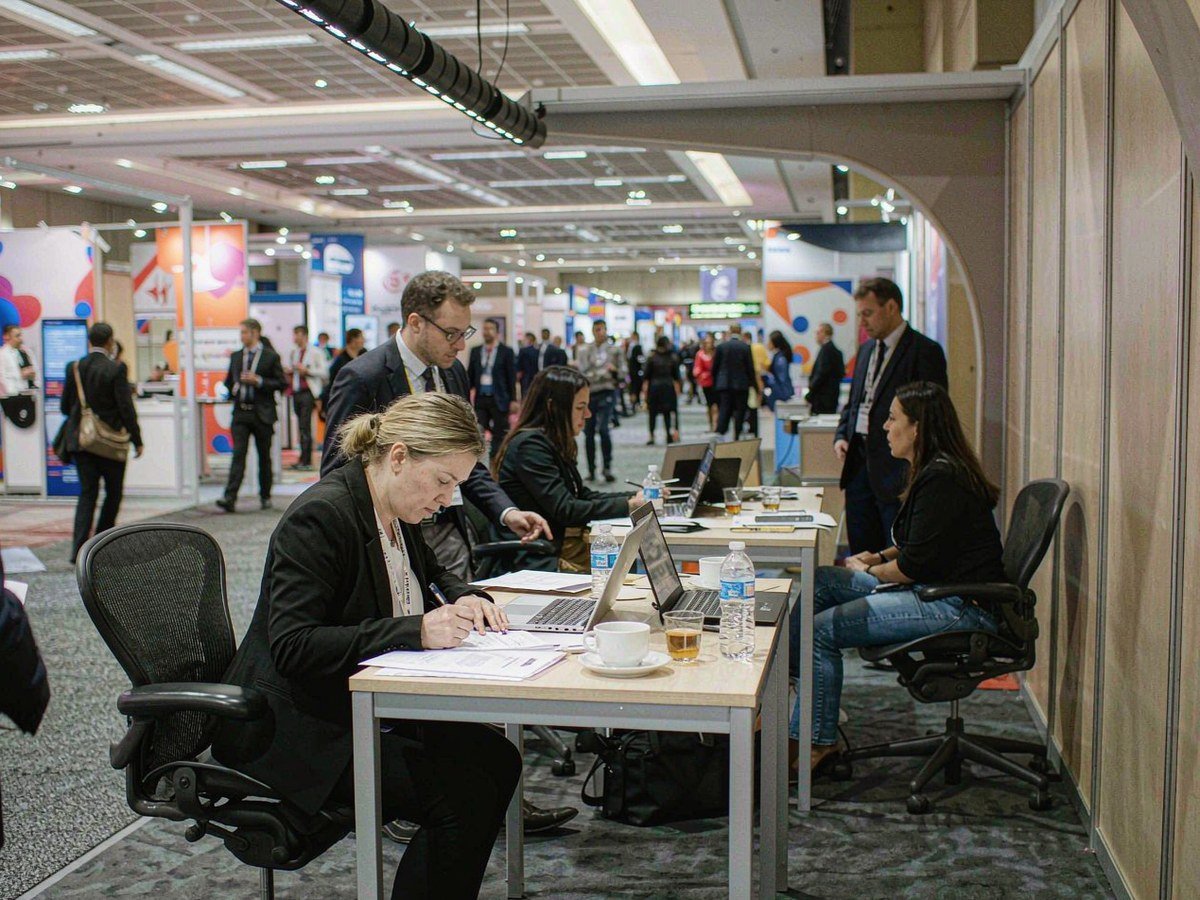
Give formulary, institutional, channel, implementation or partnership discussions a quieter place and a named owner. The layout should preserve access without hiding every serious conversation behind closed walls.
Translate Current DDW Booth Rules into Design Decisions
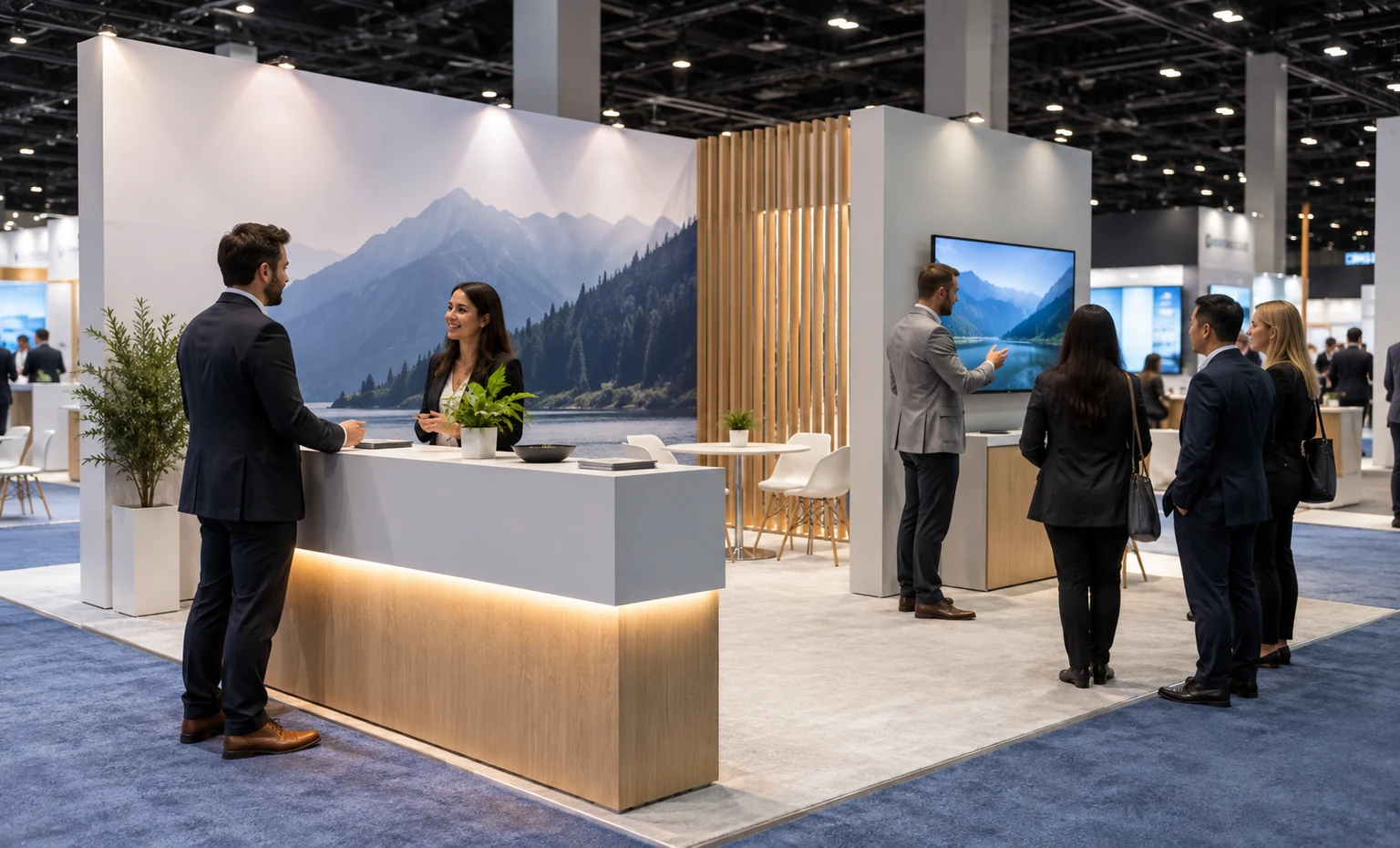
Use the assigned booth type and current height/setback rules to locate front-zone counters, rear graphics and demonstrations. Do not release production from an older edition’s diagram.
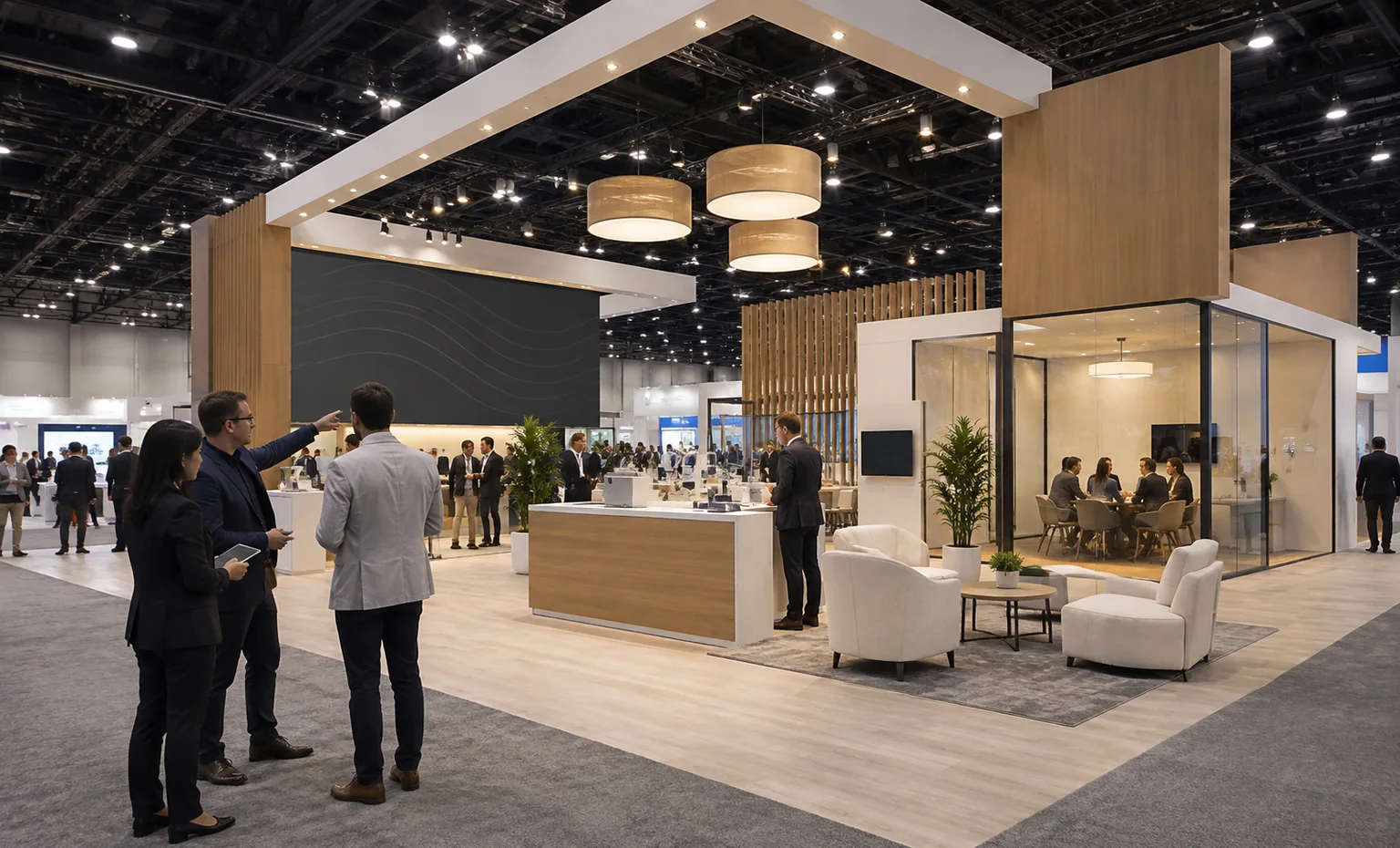
Test sightlines, structural setbacks, demo areas, meeting rooms and any overhead element together. Current DDW policies, not the venue’s maximum allowance alone, control the accepted design.
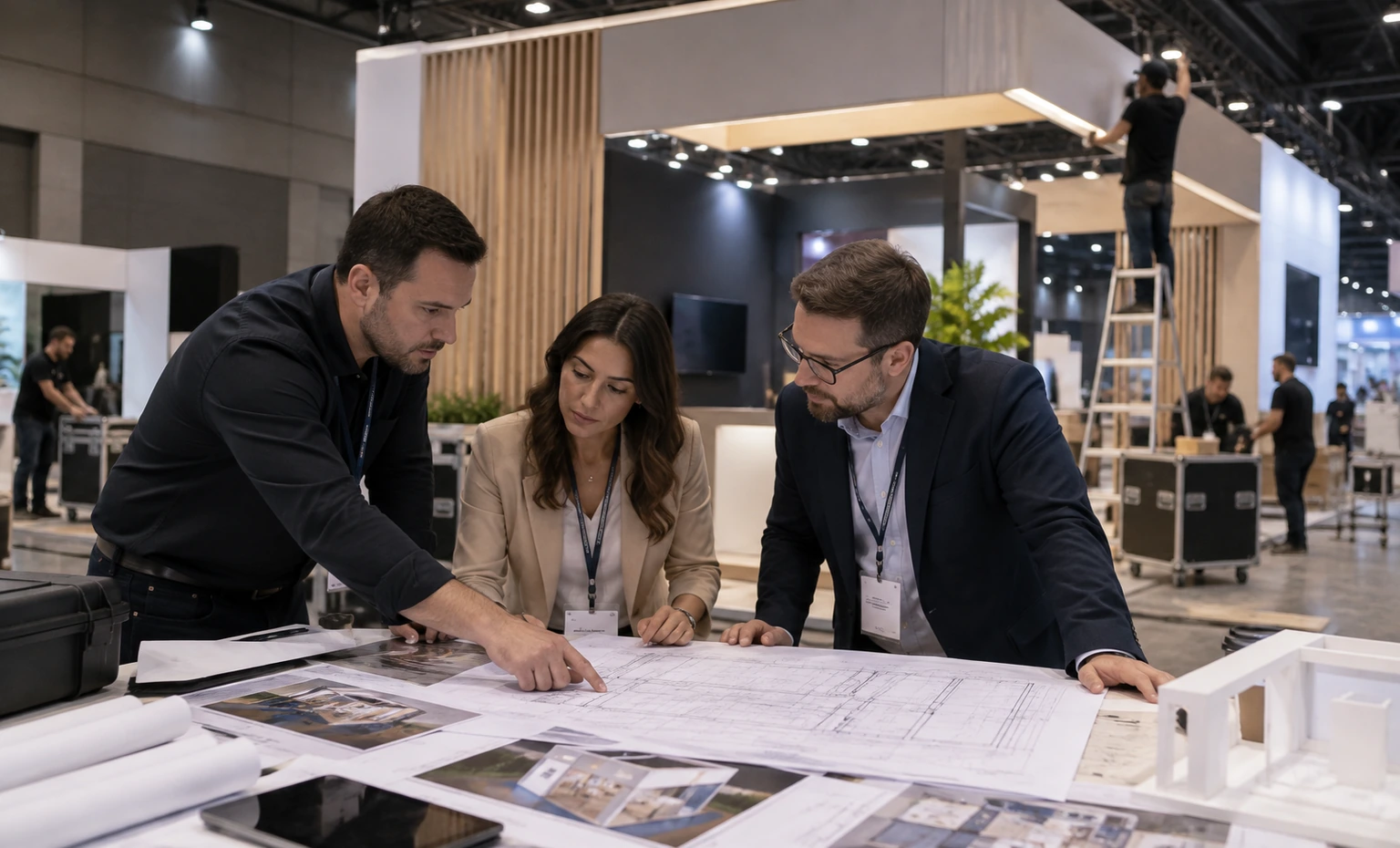
Prepare the orientations, dimensions, intended activities, product positions and rigging information required for the actual booth. Every enabled feature must appear in the approval set.
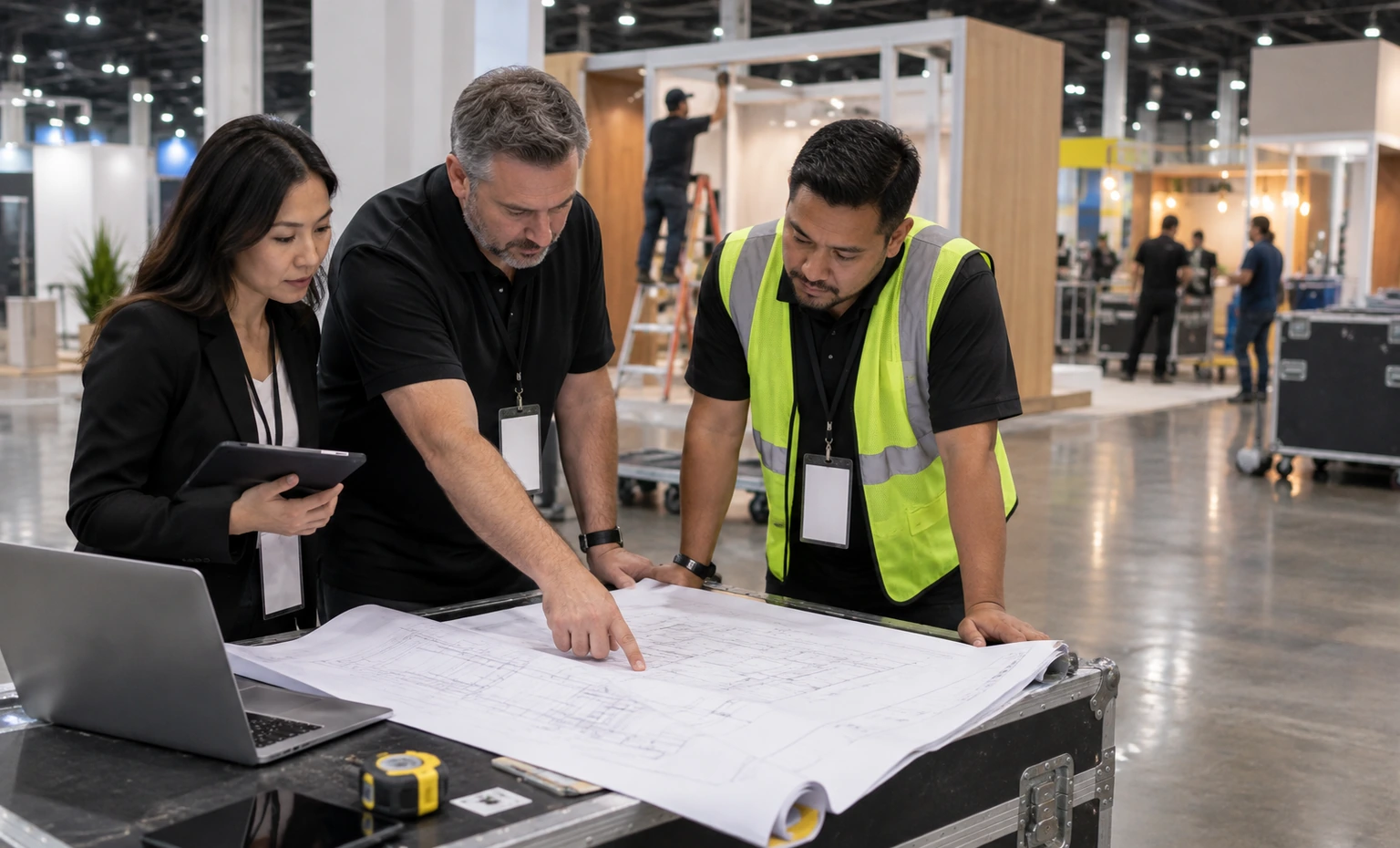
Electrical, internet, plumbing, rigging, material handling, cleaning, catering and EAC steps must follow the active DDW manual and dashboard. The quotation should identify who orders and pays for each item.
Keep Every Approved Message with the Product It Describes
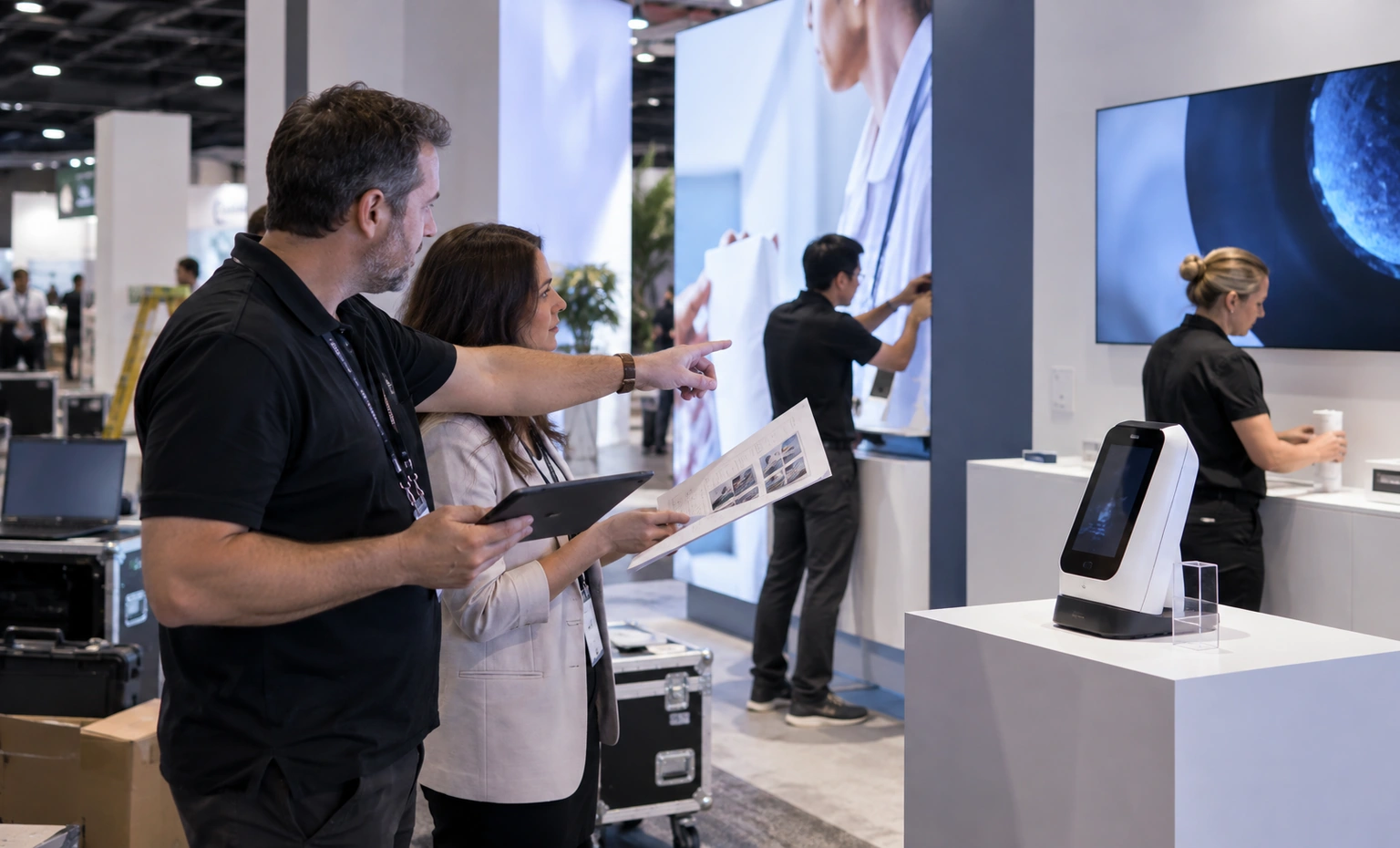
Assign each device, therapy, diagnostic, service or educational program a product ID and an internal content owner. Link that record to the exact wall graphic, label, screen loop and physical station where visitors will see it. When a medical, legal or regulatory reviewer replaces a file, the exhibit team can trace every affected surface before production. King produces from the released location list; the exhibitor remains responsible for the accuracy, status and permitted use of the content.
Plan the Demonstration as a Repeatable Staff Routine
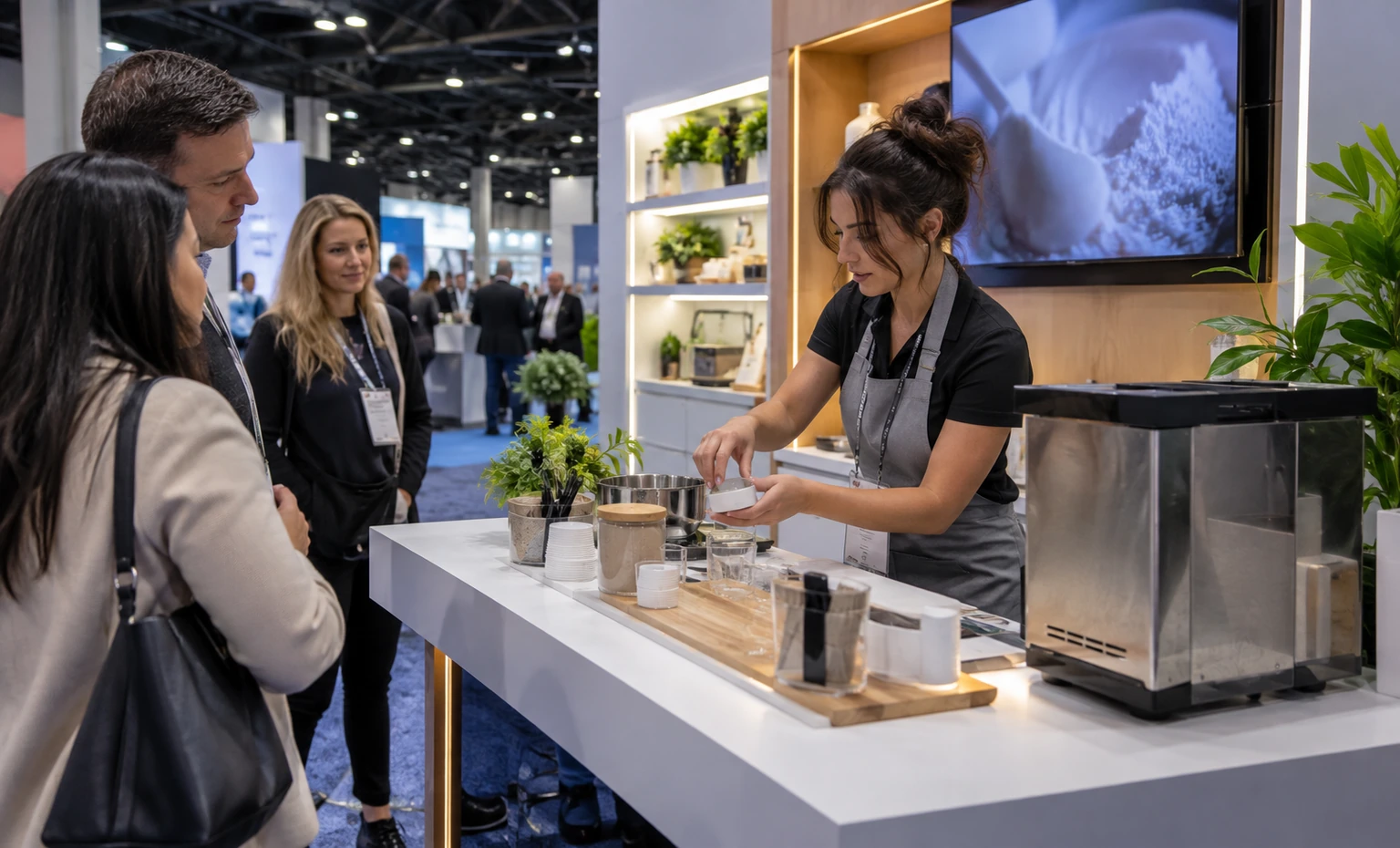
Write the demonstration from setup through reset: who operates, what the visitor may touch, what appears on screen, which supplies are consumed and how the station becomes ready again. Add dimensions and access faces, then document electrical or data feeds, heat output, audio and cord routes in the same record. That routine tells the designer where to place the work surface, display, storage and queue. The exhibitor must still confirm the activity is permitted and obtain every required approval.
Keep the Next Visitor Inside the Booth, Not in the Aisle
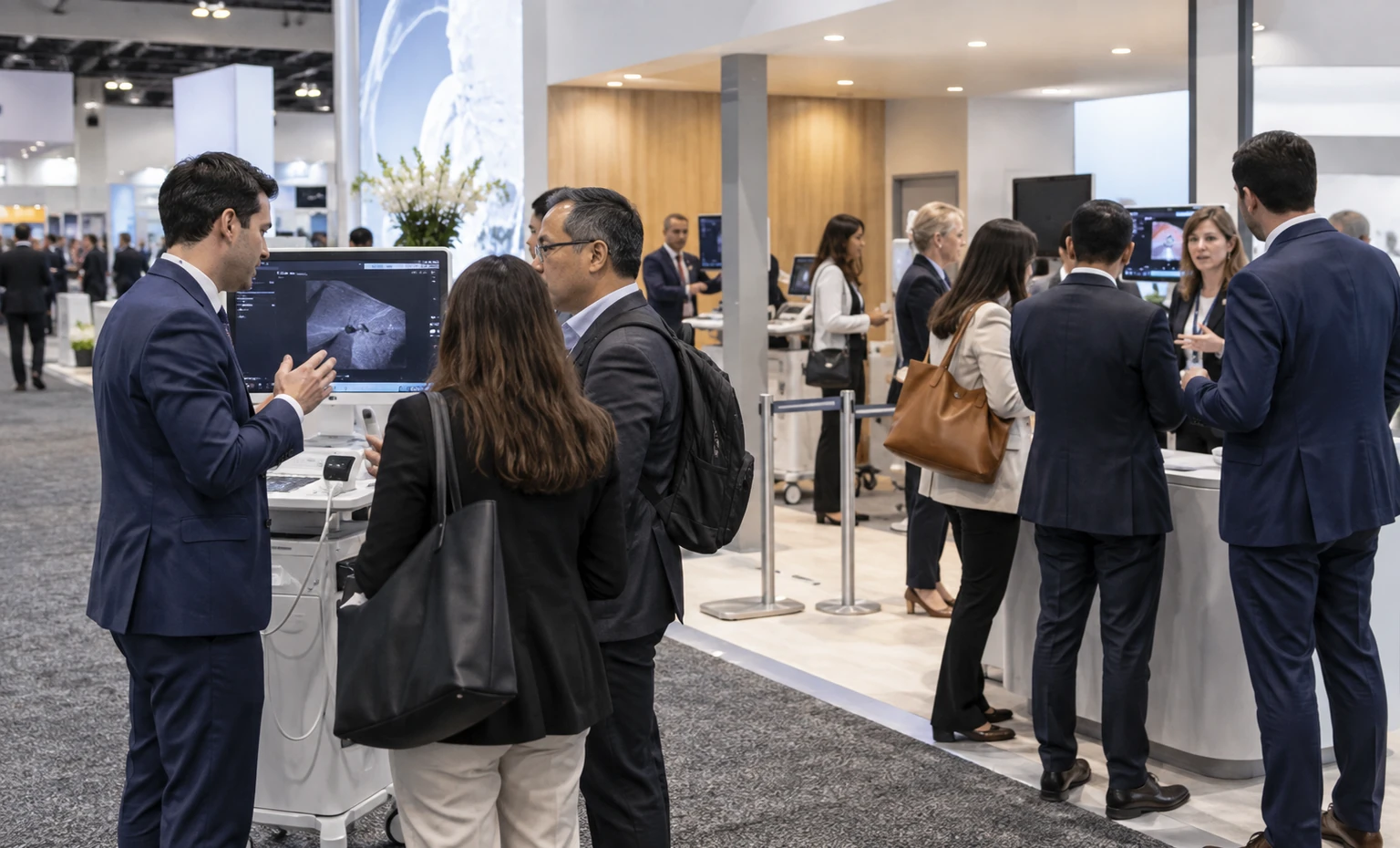
Estimate how many people can watch, wait and speak with staff at the same time, then draw those positions before adding another display. The first message should divide visitors by product question, while a visible handoff moves qualified conversations toward a specialist or meeting point. Keep replenishment and staff movement behind the public route. This gives a busy DDW exhibit a practical capacity limit and reduces the chance that a popular demonstration becomes an aisle-management problem.
One Production File Connects Products, Graphics, Joinery and Freight
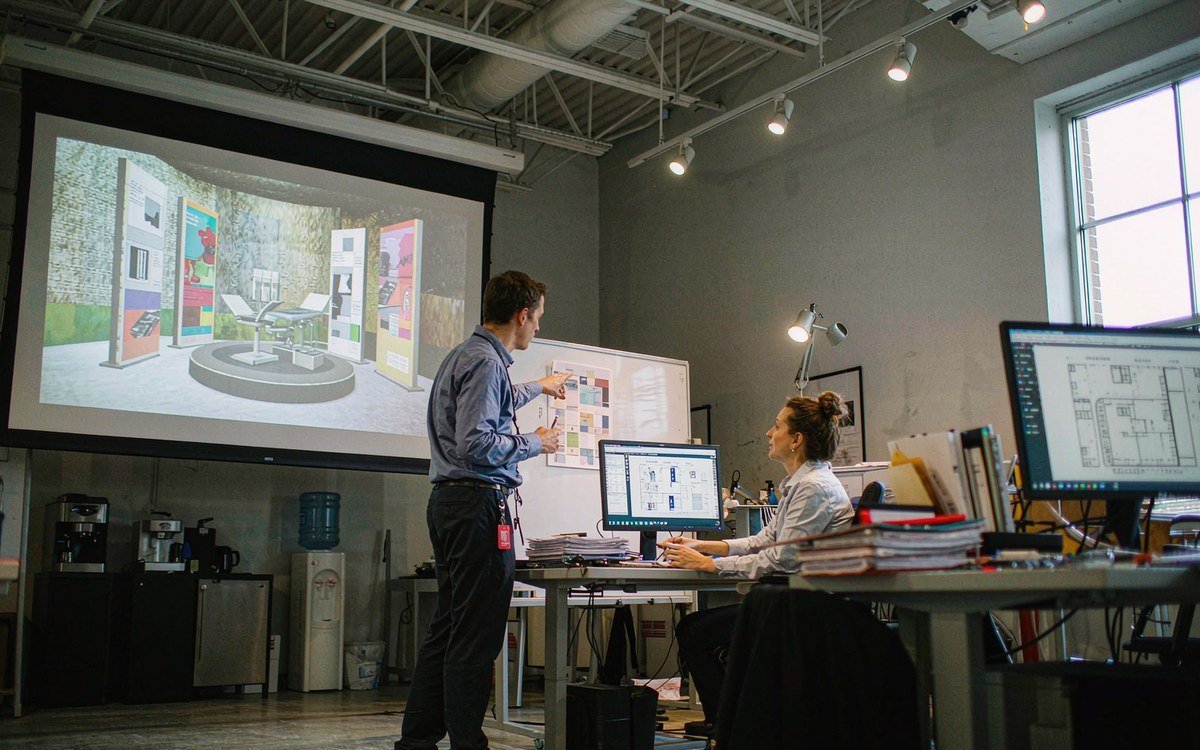
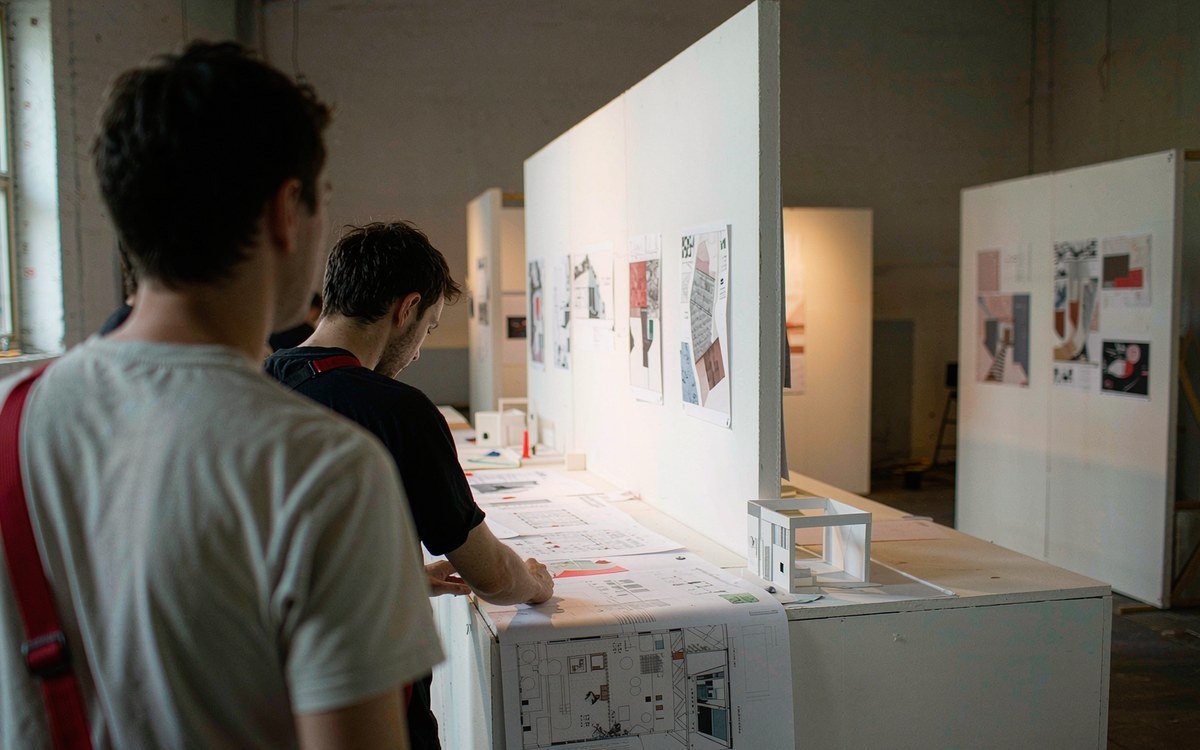
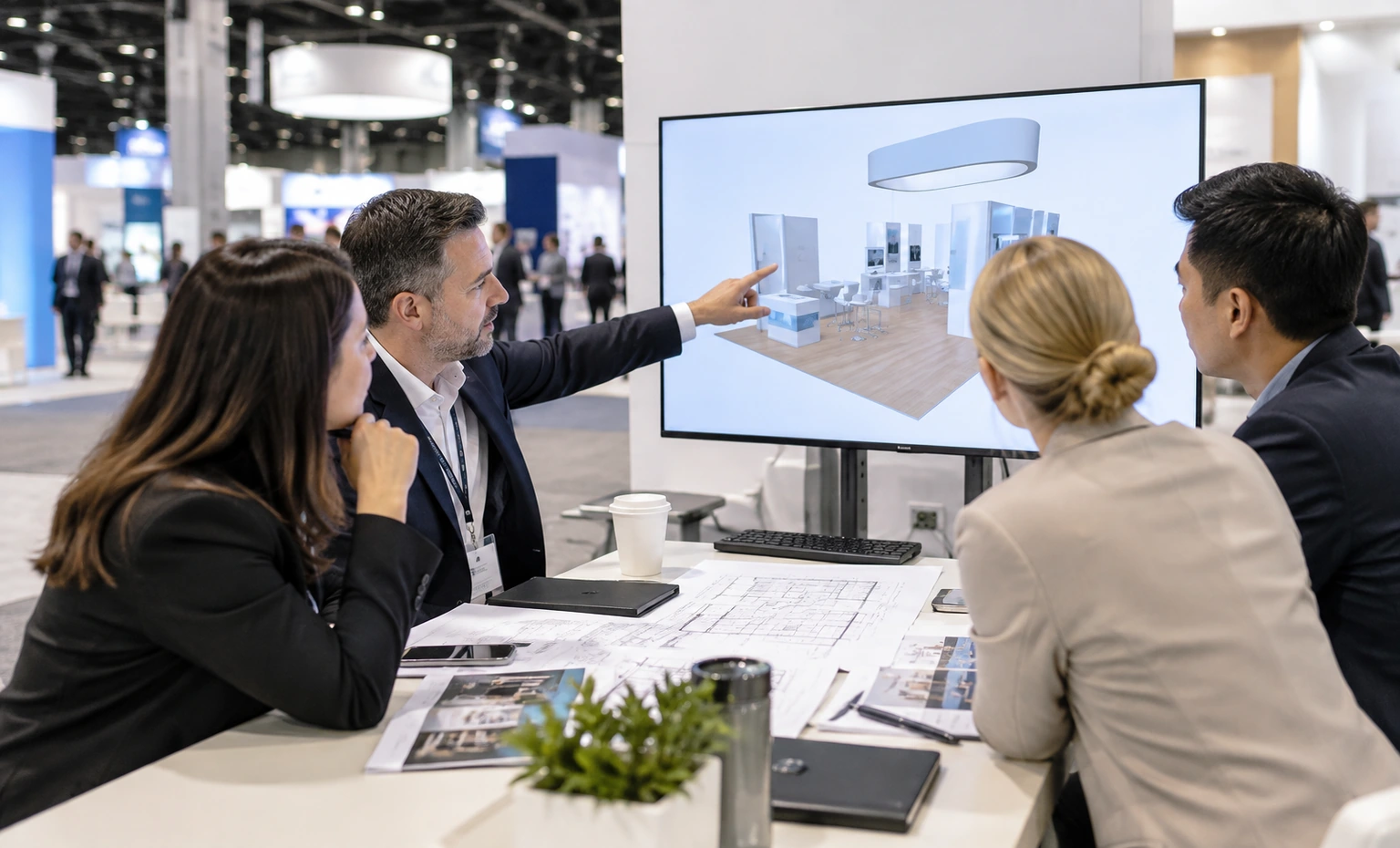
King Exhibits puts the confirmed visitor route, product stations, screens, storage and meetings into one 3D design. The resulting drawing gives the event lead, brand team, product owners, compliance reviewers, sales staff and operations one shared physical reference.Approved dimensions can feed quoted CNC and wood fabrication for fitted counters, recessed displays, access panels or secure compartments. Graphic locations and product interfaces stay tied to the production file. Before crating begins, project checks reconcile the accepted structure with its location-specific graphics and listed components.The proposal separates rental architecture, custom work, graphics, transportation and agreed installation/dismantle tasks from DDW-, venue- or designated-provider services unless the quotation expressly includes coordination or ordering. That written division is the working scope; King does not claim affiliation with DDW or status as an official show contractor.
Give Each DDW Conversation the Right Depth
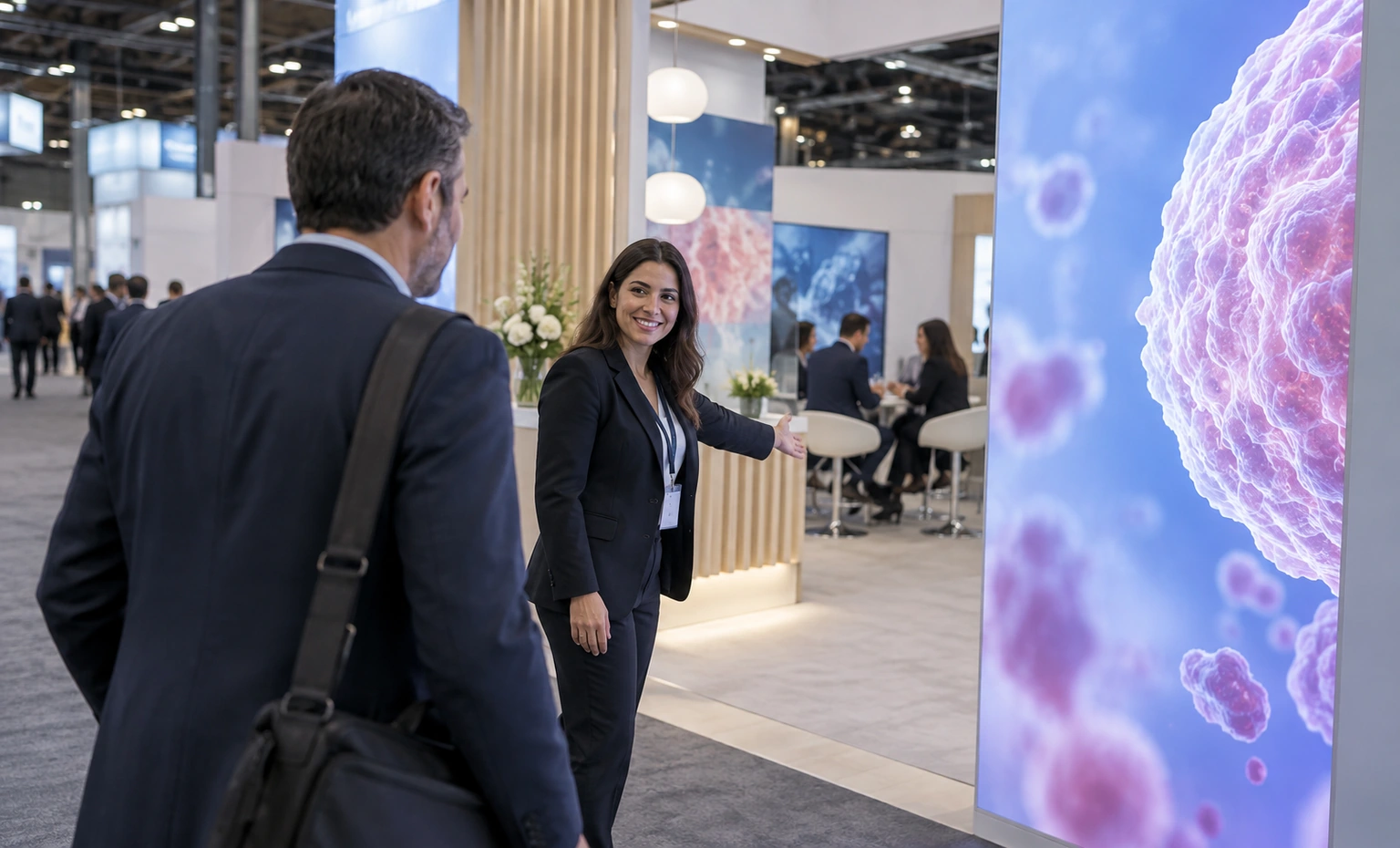
Use one short product or disease-area cue to help a passerby decide whether to enter. The message should direct an action, not reproduce the entire product portfolio.

Provide the physical view, interaction or workflow that supports a first technical judgment. Keep approved evidence beside the product and make the next specialist visible.
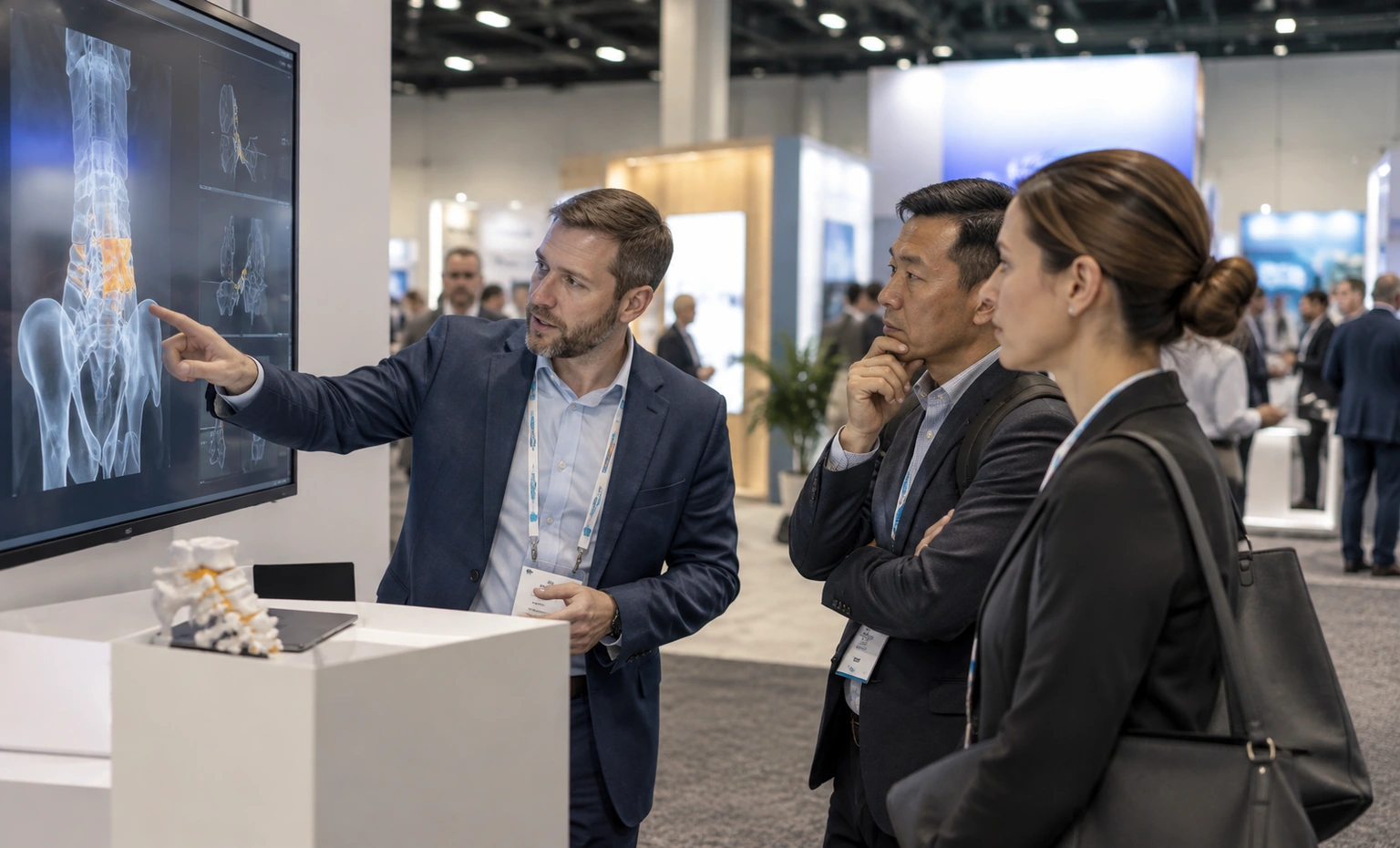
Route detailed clinical, regulatory, engineering or implementation questions to qualified staff. A screen or wall should open the conversation, not pretend to replace it.

Give formulary, institutional, channel, implementation or partnership discussions a quieter place and a named owner. The layout should preserve access without hiding every serious conversation behind closed walls.
Put Medical, Exhibit and Official-Service Decisions with the Right Owner
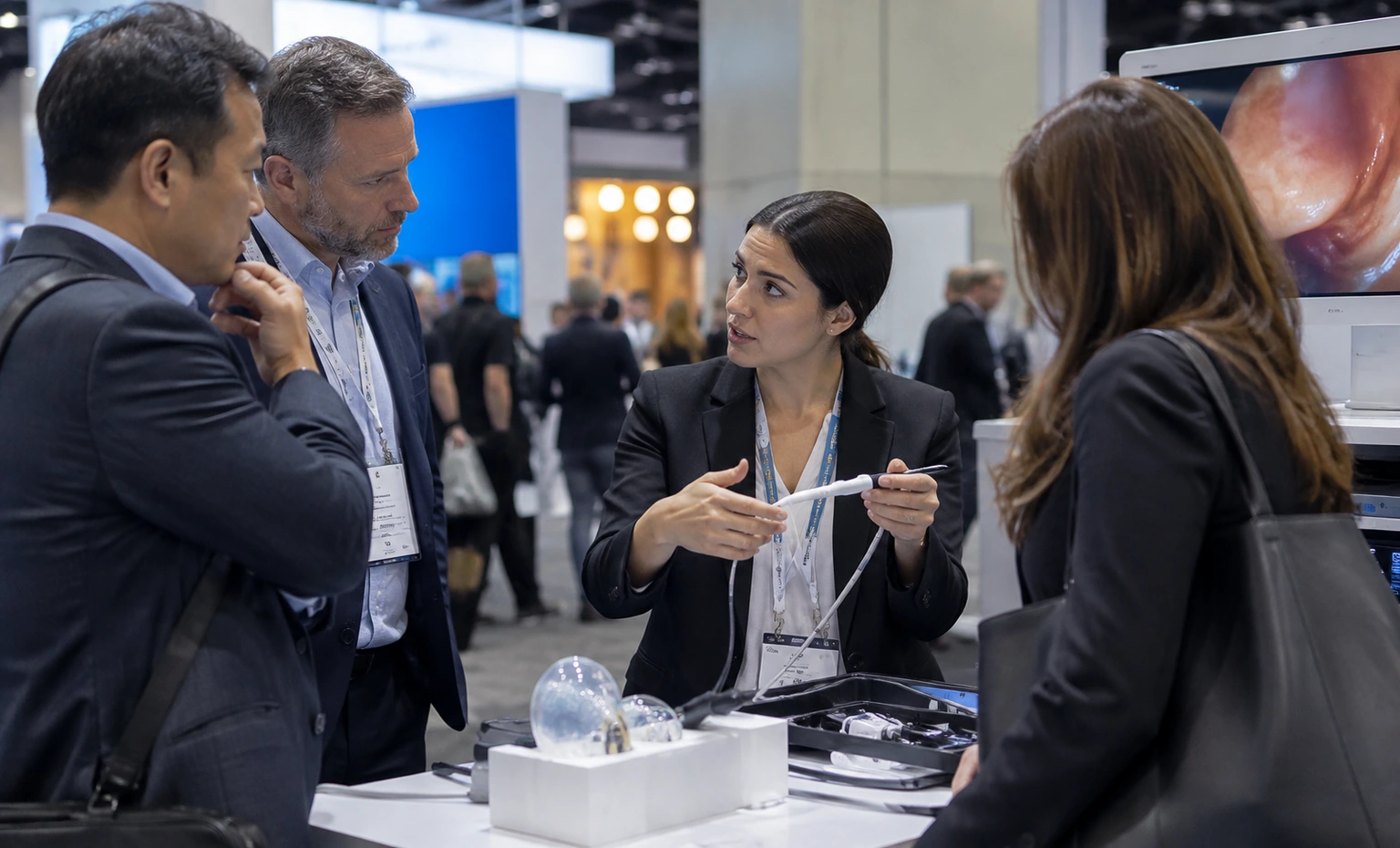
Owns eligibility, product status, medical/legal/regulatory approval, demonstration method, staff conduct, DDW submissions, dashboard access and final authorization of the project.
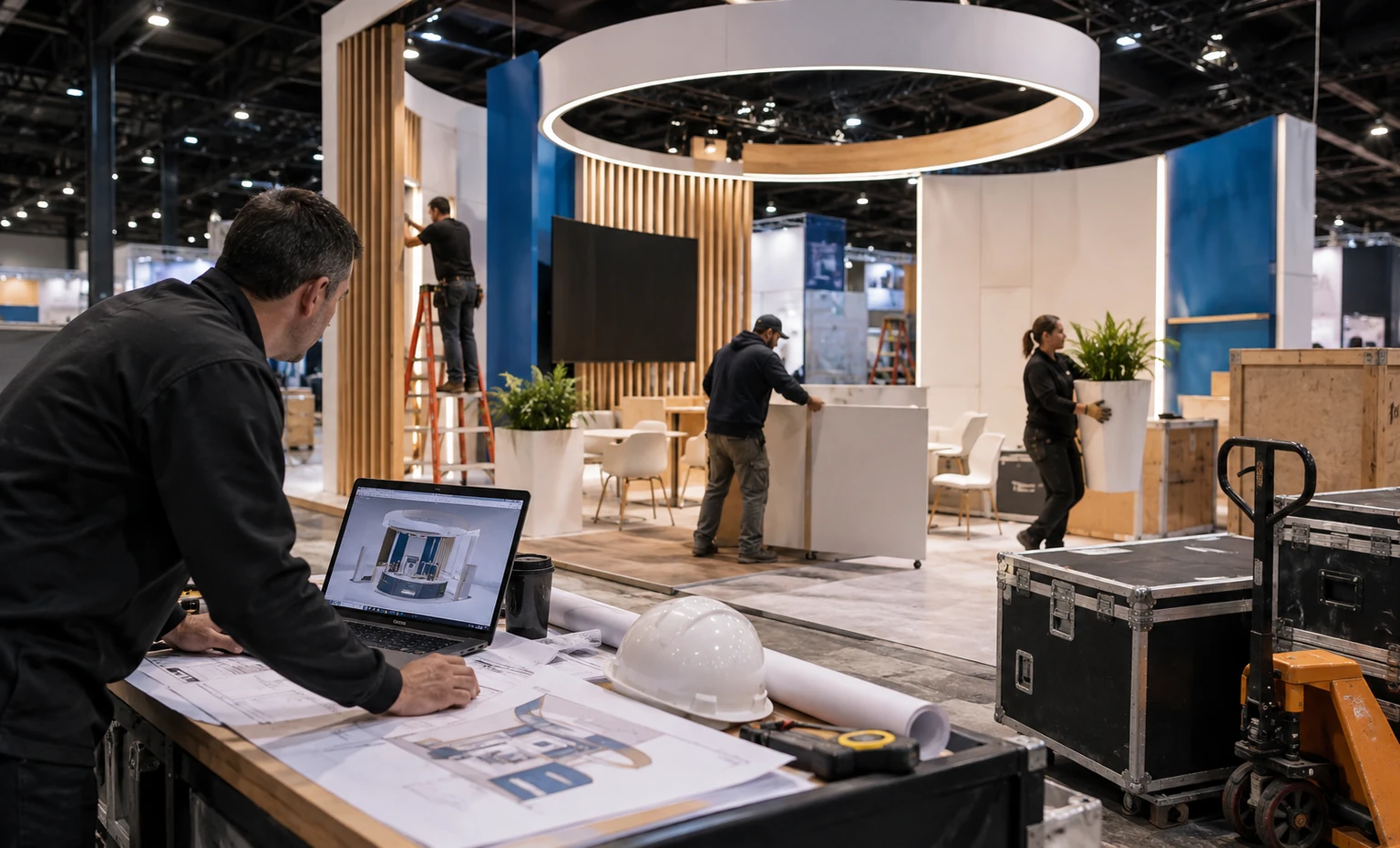
Owns the 3D design, rental/custom/graphic production, packing, transport coordination and onsite tasks specifically accepted in the quotation.

Control booth-space approval, governing rules and services reserved to the organizer, facility or official partners. Their current forms, rates and deadlines remain external to King unless a written scope says otherwise.
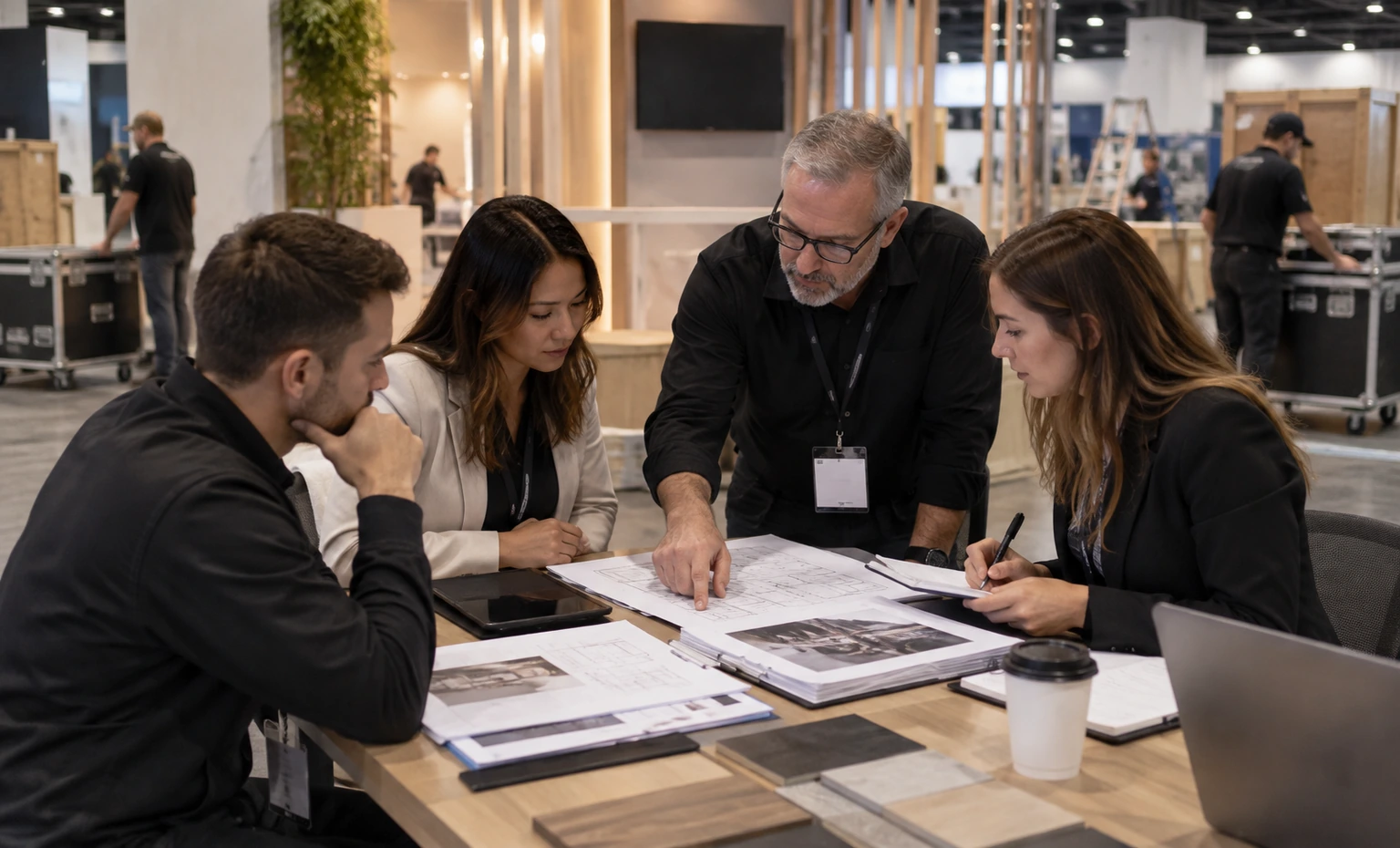
Reconciles the current manual, approved drawings, King quotation, official orders, content release, product/demo record, freight plan and onsite contacts before any production handoff or scheduled floor work.
Turn the DDW Product Matrix into an Approved Exhibit Package
What You Provide: Target audiences, product categories, priority questions, staff roles, meetings, booth assignment and budget.What We Do:
What You Provide: Product list, display status, approved-content workflow, dimensions, operating method, utilities, supplies, AV, storage and freight origin.What We Do:
What You Provide: Current DDW manual/dashboard information, booth configuration, open sides, official orders and any activity approvals.What We Do:
What You Provide: Requested King work, organizer/venue orders, delivery plan, approval owners and any unresolved variables.What We Do:
What You Provide: Final design/content approvals, current service confirmations, shipping labels, target dates and onsite contacts.What We Do:
Your signed King proposal is the source of truth for inclusions. Depending on the brief, King may price spatial design, reusable rental components, branded surfaces, purpose-built joinery, packing, freight coordination and named floor labor. The space contract and services reserved to DDW, the facility or designated vendors remain separate unless the proposal assigns a specific coordination task. Send the assignment and requested responsibilities before approval.
Yes, provided the activity meets current DDW and venue requirements and the exhibitor approves it. Supply the product condition, dimensions, weight, handling sides, operator and observer positions, utilities, heat, sound, cables, consumables, reset, cleaning and safety needs. King lays out the physical station; the exhibitor controls product use, trained staffing, content and required permissions.
Use only material and display conditions released by the exhibitor’s medical, legal and regulatory owners. Tie each approved message to its exact product and booth location before graphics enter production. Current DDW policies and applicable FDA requirements govern the activity; King neither approves medical claims nor decides whether a product is eligible to exhibit.
Begin once the booth assignment and priority product program are defined well enough to test, even if some graphics remain under review. Current DDW milestones, demo complexity, custom work, approvals, official services, freight and onsite duties determine the working calendar. King does not offer a fixed lead-time promise before those inputs are reviewed.
Ownership comes from the active DDW manual, venue requirements and the signed project scope. Certain services may have to come from designated providers and use the exhibitor’s account, approval or payment. King can flag dependencies and plan around confirmed service locations; ordering or coordination becomes King work only when the proposal assigns it.
Pricing changes with the assigned footprint, configuration, rental structure, custom fabrication, graphics, product interfaces, AV, furniture, storage, freight, onsite work and official services. DDW’s booth-space charge is separate from exhibit design/build pricing. After reviewing the assignment, products and responsibility split, we quote the defined project instead of publishing a number that omits essential work.
King Exhibits is an independent booth design/build and rental supplier; this page does not claim DDW endorsement or official-contractor status. DDW owns the event, eligibility decisions, space program and exhibitor rules. The venue and designated providers retain the services reserved to them, while King’s obligations are only those recorded in the signed proposal.