
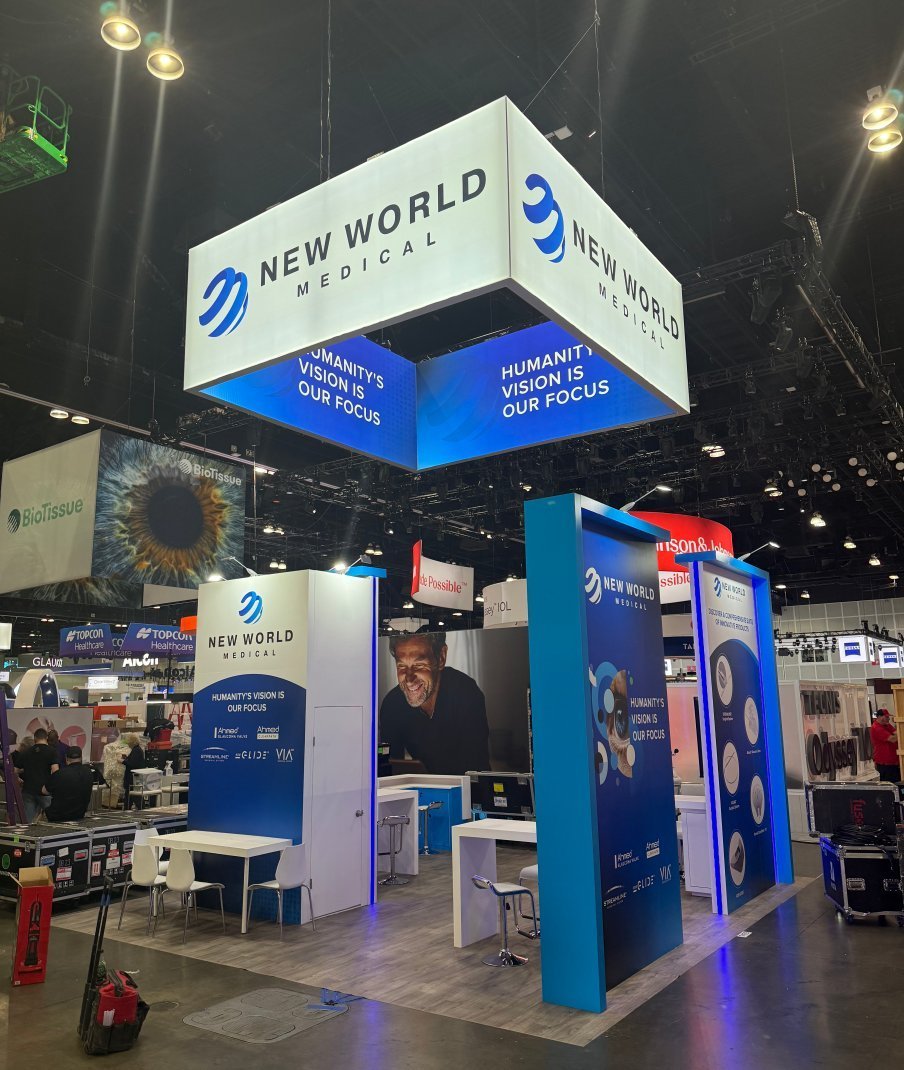


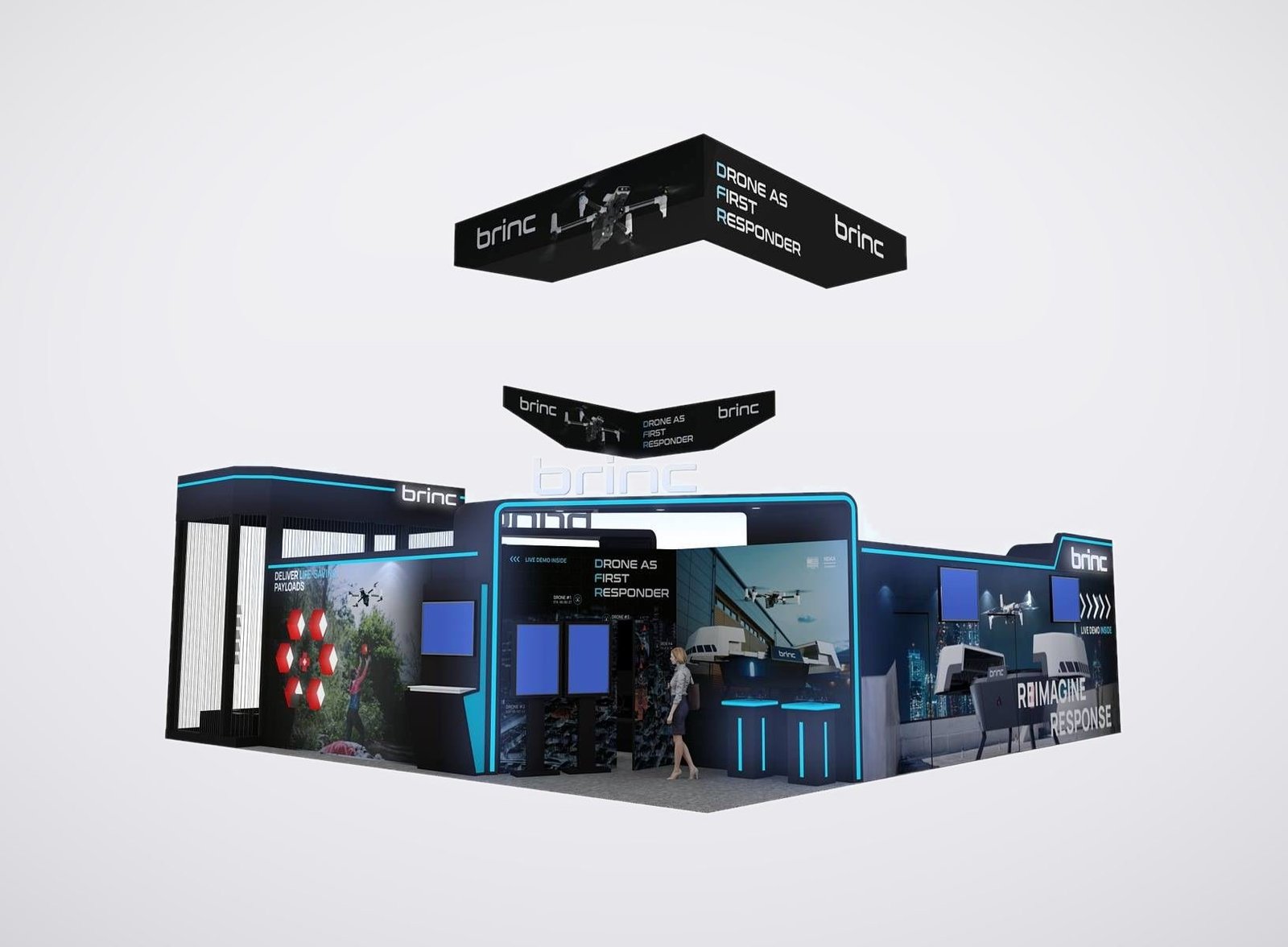
Choose the AAOS Exhibit Layout by the Product Interaction
Implant, Instrument or Procedure-System Display
Surgical Technology or Equipment Demonstration
Rehabilitation, Bracing or Patient-Pathway Product
Portfolio Exhibit with Specialist Meetings
AAOS Exhibit Rental Designed from the Product Register
Orthopaedic professionals visit the exhibit hall to see demonstrations and evaluate and compare products. That behavior puts a practical test on the booth: a visitor should be able to identify the relevant specialty or procedure, reach the product, understand what is being shown and find the person qualified to continue the discussion. A dramatic structure cannot compensate for a blocked viewing side or an instrument set with no explanation.King Exhibits starts with the product register and interaction plan. Each implant display, tray, instrument, model, device, workstation or media station receives a position, owner and interface record. We place those items with the brand hierarchy, staff route, visitor space, storage and meetings in one 3D exhibit. Rental walls, lightboxes, counters, flooring, lighting and furniture form the main environment; quoted custom fabrication addresses fitted supports, work surfaces, surrounds or access details.The exhibiting organization retains responsibility for product status, permitted use, scientific and regulatory language, staff conduct and required approvals. King produces the approved physical and graphic scope. Current AAOS, venue and official-provider rules control booth configuration, demonstrations, labor, utilities, material handling and other show services. The proposal distinguishes those inputs instead of hiding them inside an undefined turnkey claim.
Give Each Orthopaedic Offer the Evidence It Needs on the Floor
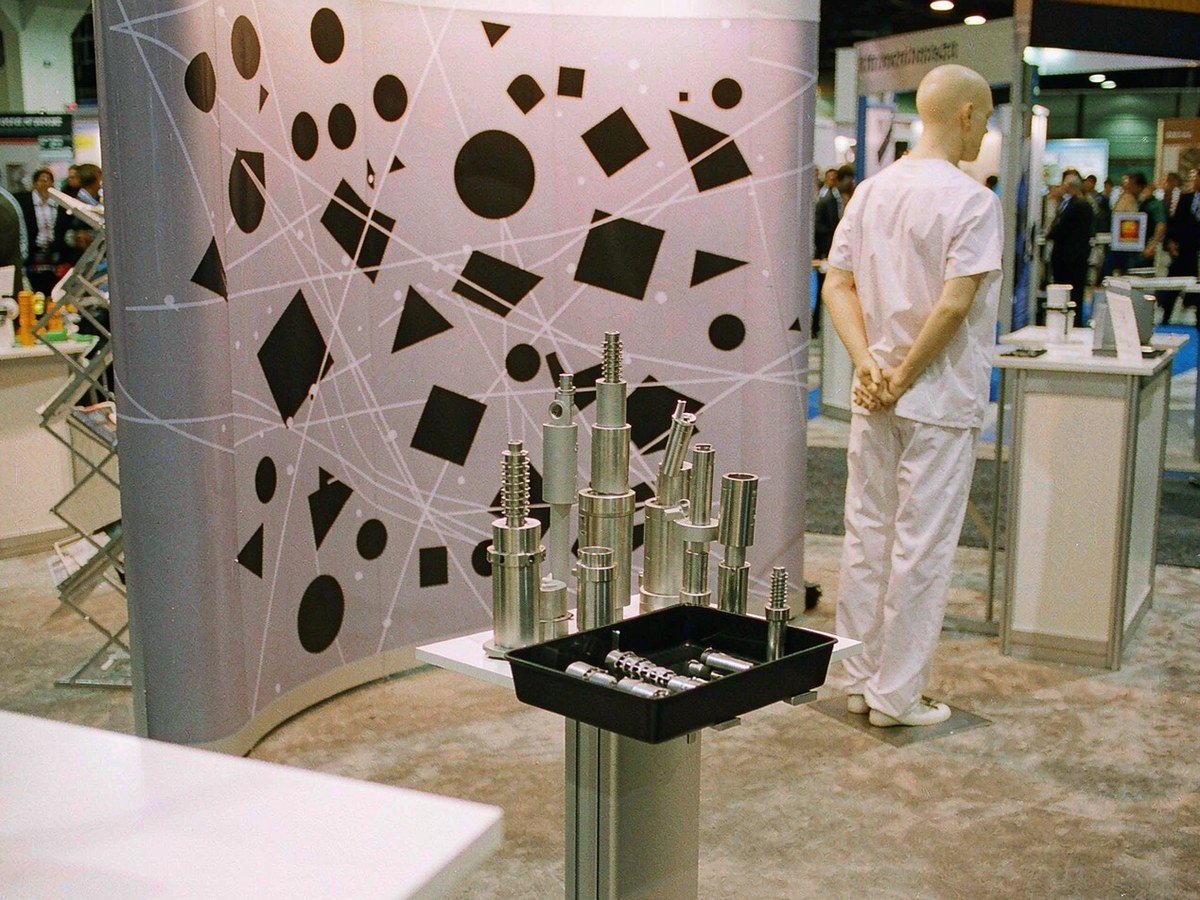
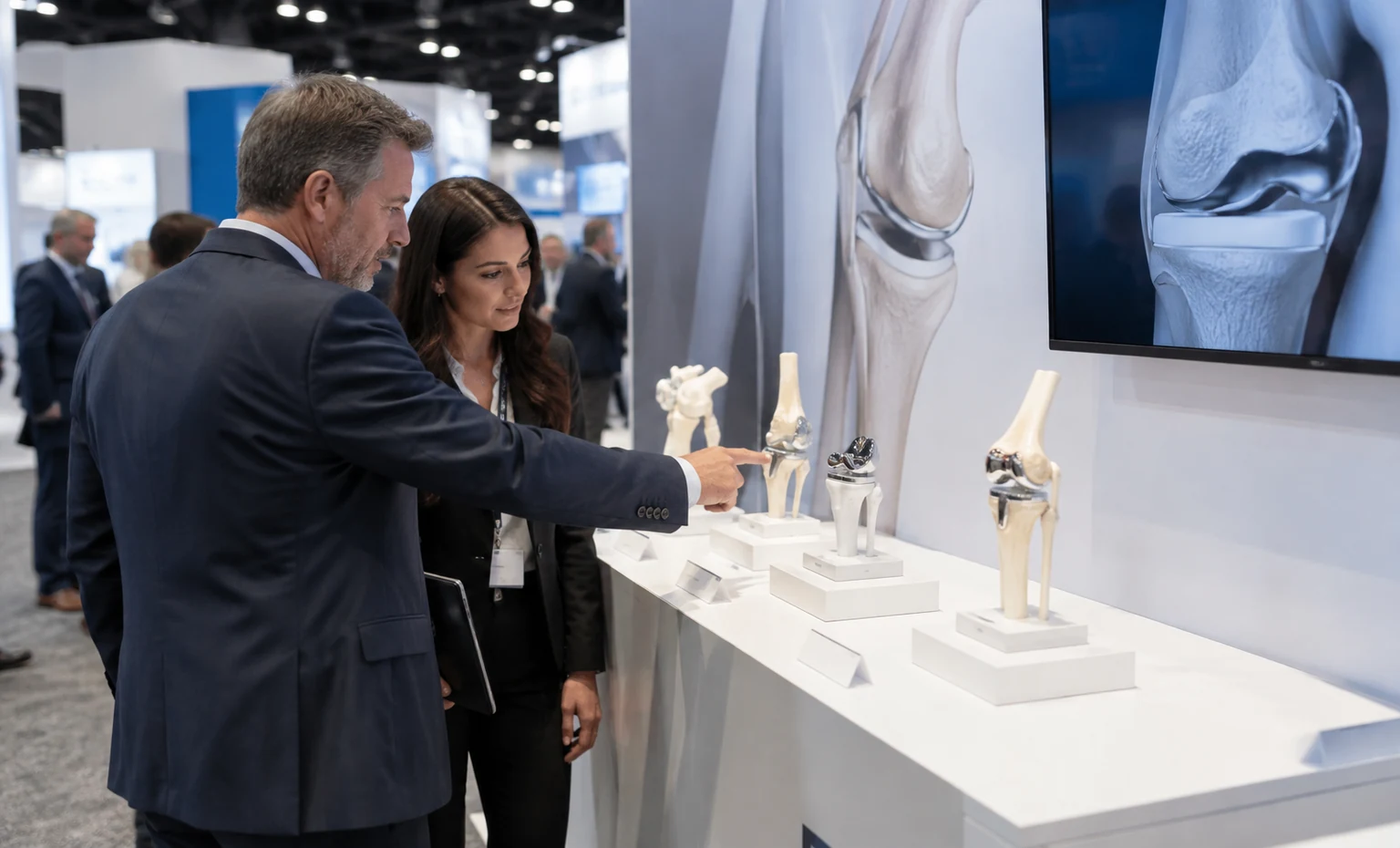
Show component relationships, sizing logic or procedure sequence only through exhibitor-approved language and display methods. Give surgeons a close view without allowing one conversation to occupy the entire product edge. Staff-side access and a controlled inventory routine help the display stay complete across the day.
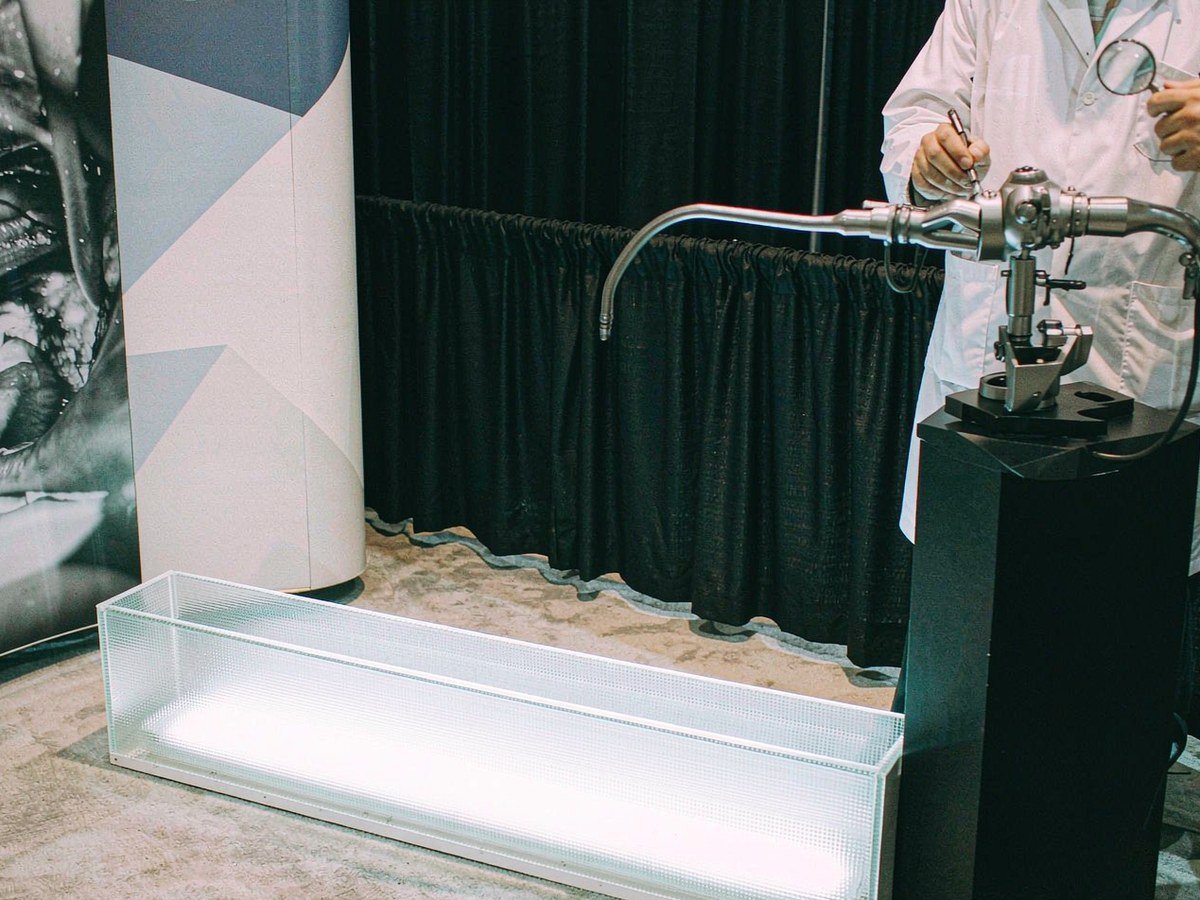
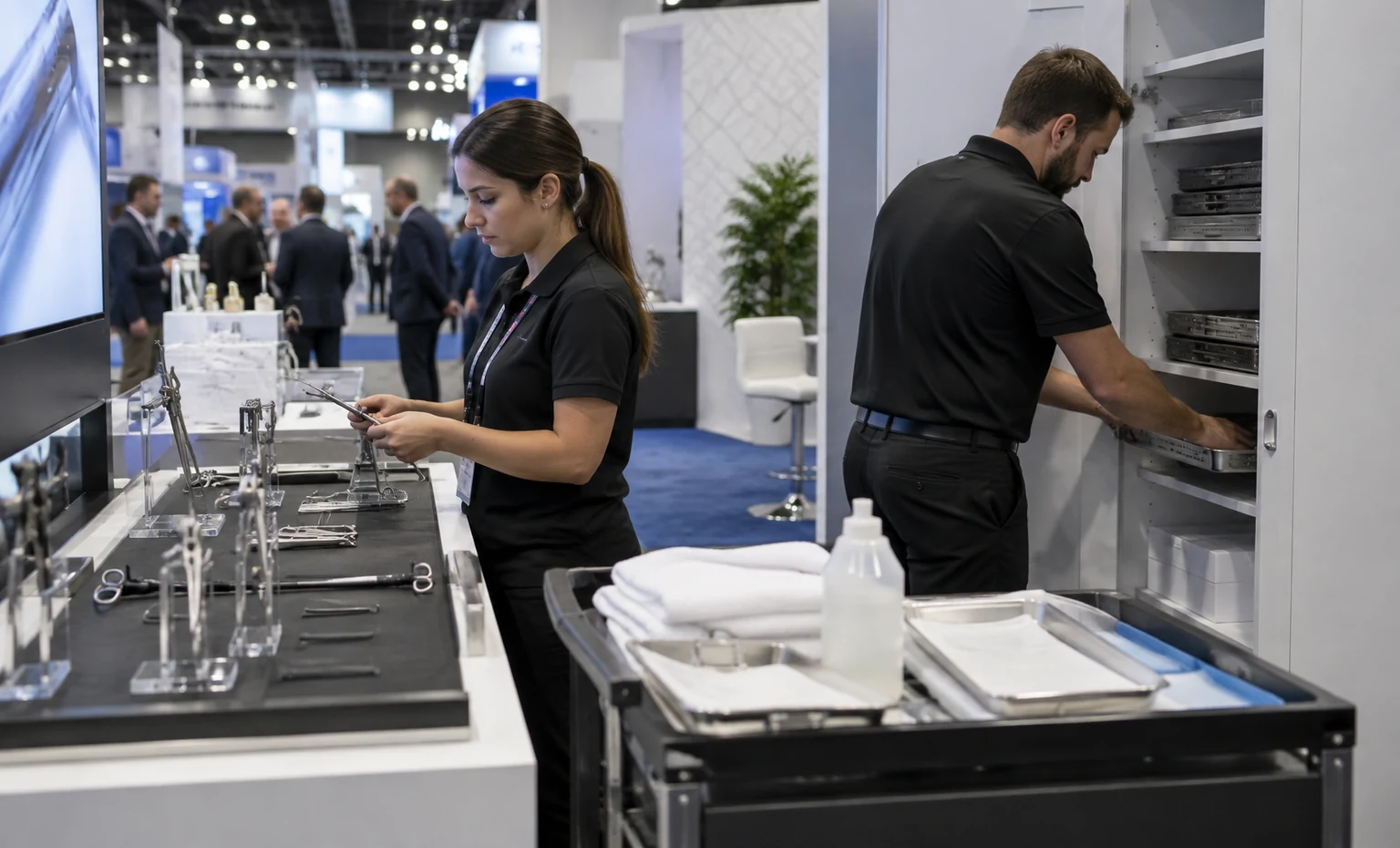
The grip, tip, mechanism or access angle may be more persuasive than a feature list. Set the product at a realistic hand height, light the working detail and leave space for a trained specialist to guide the demonstration. Keep replacement items, cases and reset materials within reach but out of public clutter.
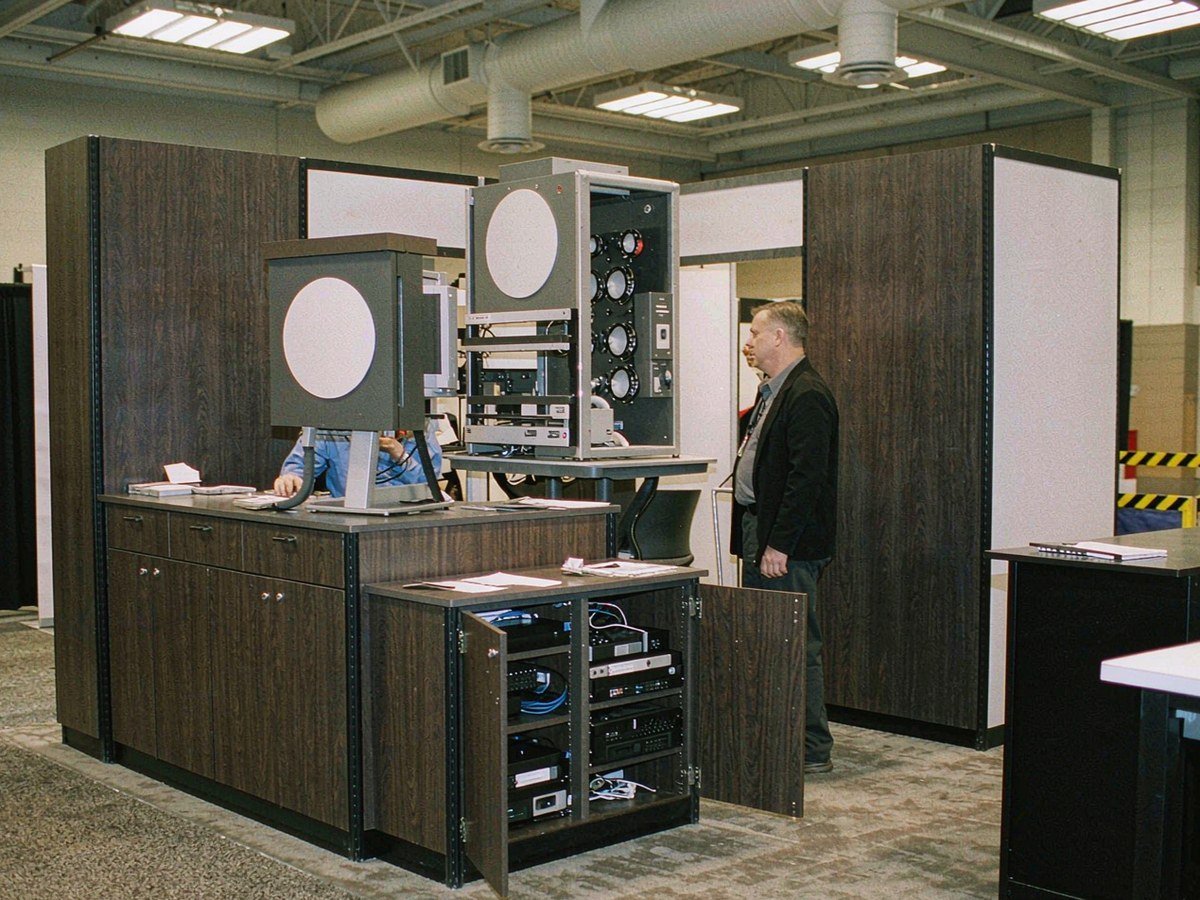
Navigation, robotics, power systems, imaging, software and connected equipment need more than a monitor on a counter. Map the operator, observer, product, display, power/data and support access together. A recorded fallback can protect the explanation if the live environment is not dependable, provided the demonstration is labelled accurately.
Bracing, therapy, recovery and practice-support products may be judged through fit, workflow or implementation rather than a surgical demonstration. Give the visitor one understandable starting task, then provide room for clinical, operational, distributor or purchasing questions with the appropriate team member.
An Adjacent Spine-Meeting Exhibit Reference
Client records identify this NGMEDICAL exhibit as a 20×30 project at NASS 2022. NASS is a separate spine meeting; this reference is not presented as work completed for AAOS.
-
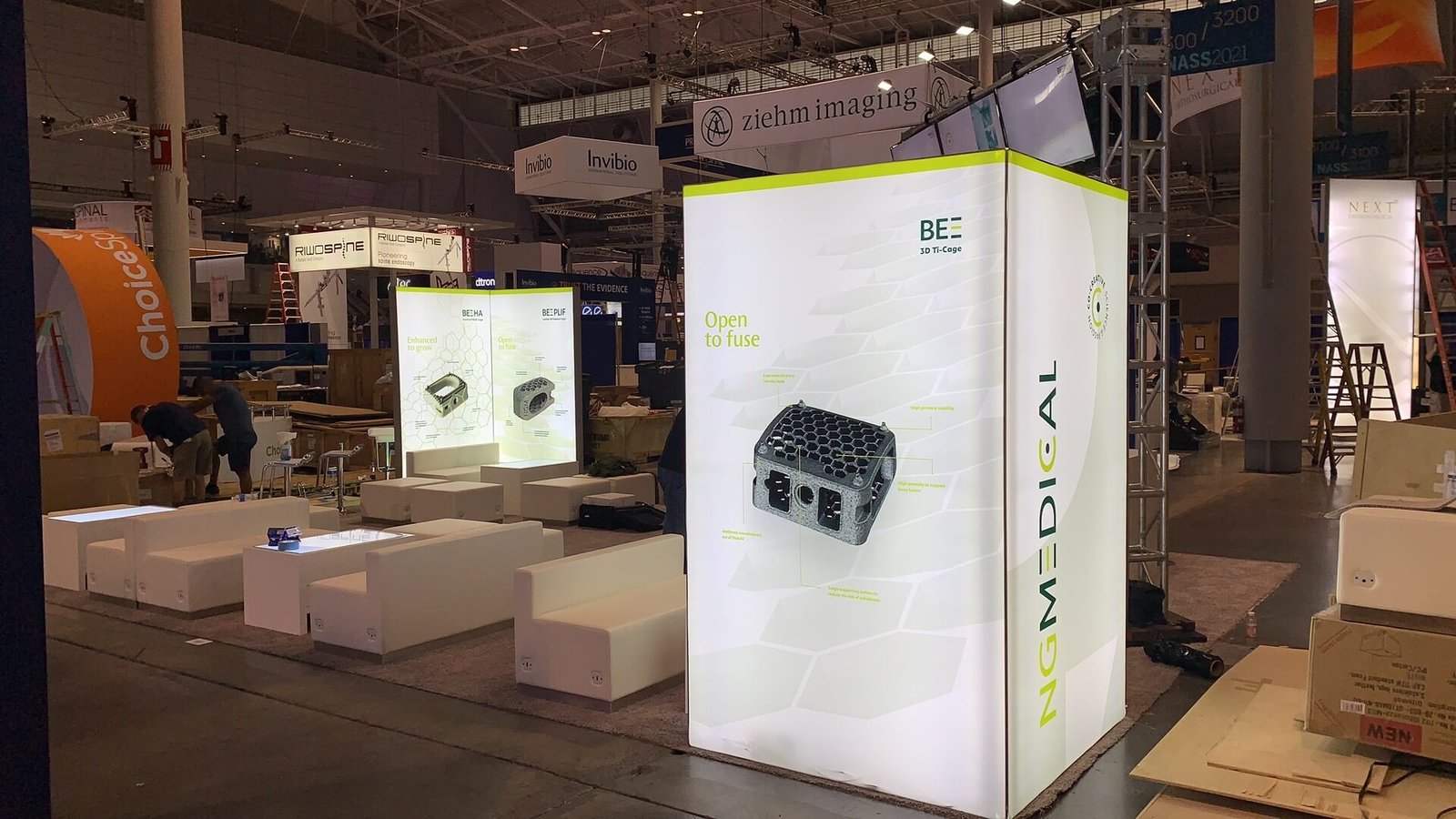 NGMEDICAL at NASS 2022 — 20x30 ft
The recorded footprint shows how an open island can combine prominent branding, product communication and several visitor approaches. A new AAOS exhibit would be planned from its own assignment, product interfaces, approved content and current show requirements.
Draw the Hands and Eyes Around the Product
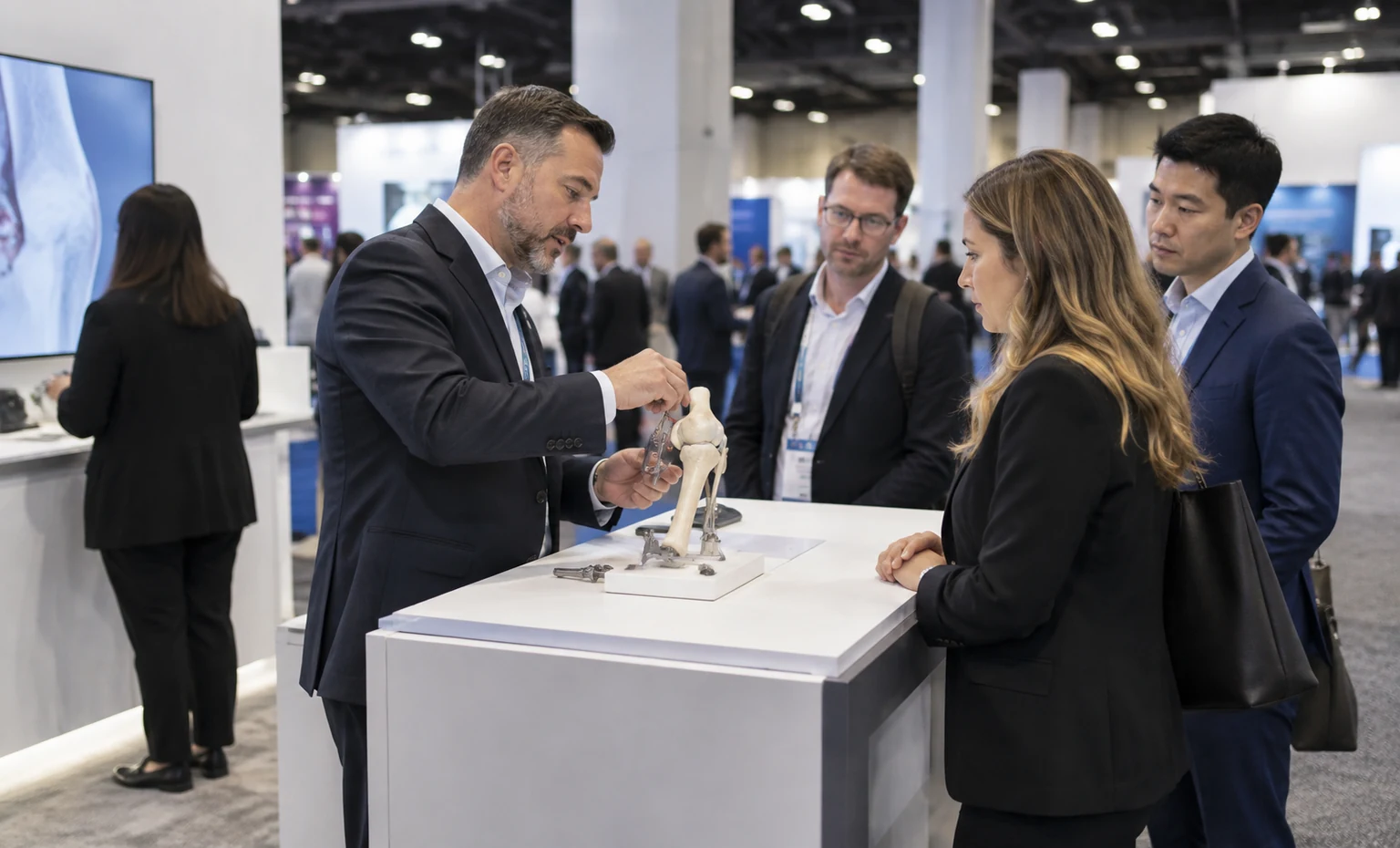
Put the demonstrator’s hands, the product’s decisive feature and the visitor’s viewing angle on the layout before choosing the counter depth. Then add the second observer, the next waiting visitor and the route to reset the product. This exercise exposes blocked sightlines and awkward reaches that a clean rendering can hide. It also tells the fabricator where a recessed surface, open corner, adjustable mount or staff-side access will improve the demonstration.
Keep Product Status Connected to the Physical Display
Assign every displayed item a product ID, permitted display condition, approved name and required status language. Link that record to the label, wall graphic, screen and physical position where the product appears. King can then build and produce against a controlled release rather than infer wording from an early rendering. The exhibitor still owns medical, legal and regulatory approval, while the production team can see exactly which approved version belongs beside each product.
Treat the Instrument Set as Working Inventory
List what starts on display, what stays in reserve and what must be counted at each handoff. Give staff a protected place to retrieve, clean, reset or replace demonstration items without crossing the visitor route. Lockable storage helps only when the assigned team can reach it and follow the same routine. Connecting the inventory list to fixture locations and packing records makes missing parts easier to catch before the booth opens.
One 3D Review Connects the Product, Booth and Delivery Scope
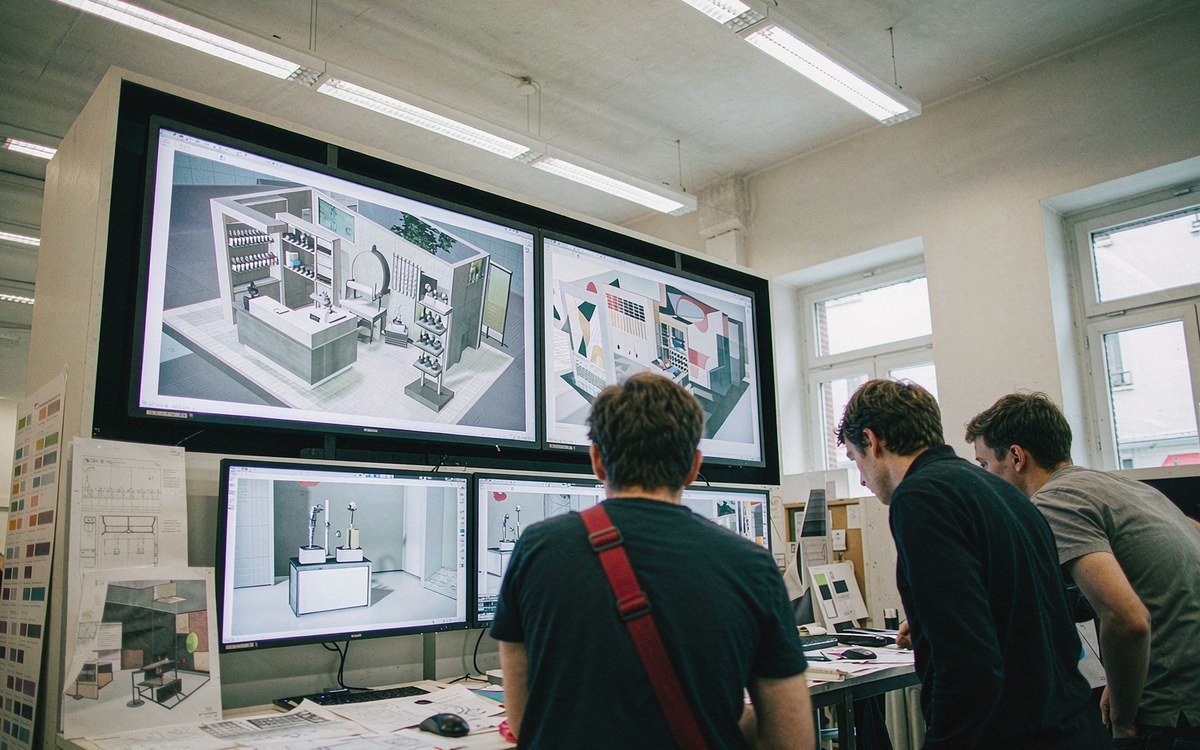
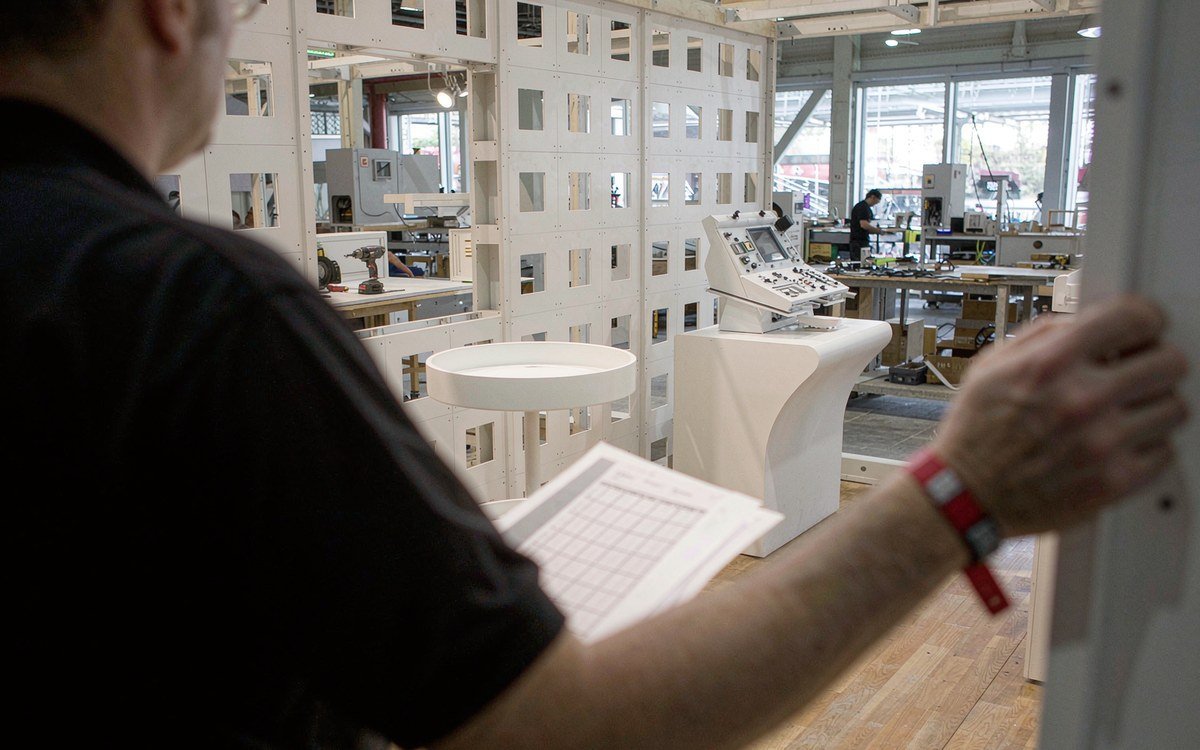
King Exhibits develops the booth architecture around the confirmed product interactions. The 3D presentation shows display heights, operator positions, observer space, graphics, screens, reception, meetings and storage together. Event marketing, product, regulatory, sales and operations teams can review the same physical plan before the build moves forward.Reusable rental walls, towers, lightboxes, counters, flooring and meeting components establish the main environment. Where a product needs a fitted support, recessed surface, access panel, secure compartment or brand-specific feature, confirmed dimensions can guide quoted CNC and wood fabrication. Final approved files are assigned to specific graphic positions instead of being distributed after fabrication.Pre-build and project checks compare the approved structure, graphics and identified components before packing. The proposal also separates King’s rental, custom, transport and agreed I&D work from electrical, internet, rigging, material handling, labor, security and other official services unless they are expressly included. That scope clarity matters at a Las Vegas event with defined organizer, venue and contractor responsibilities.
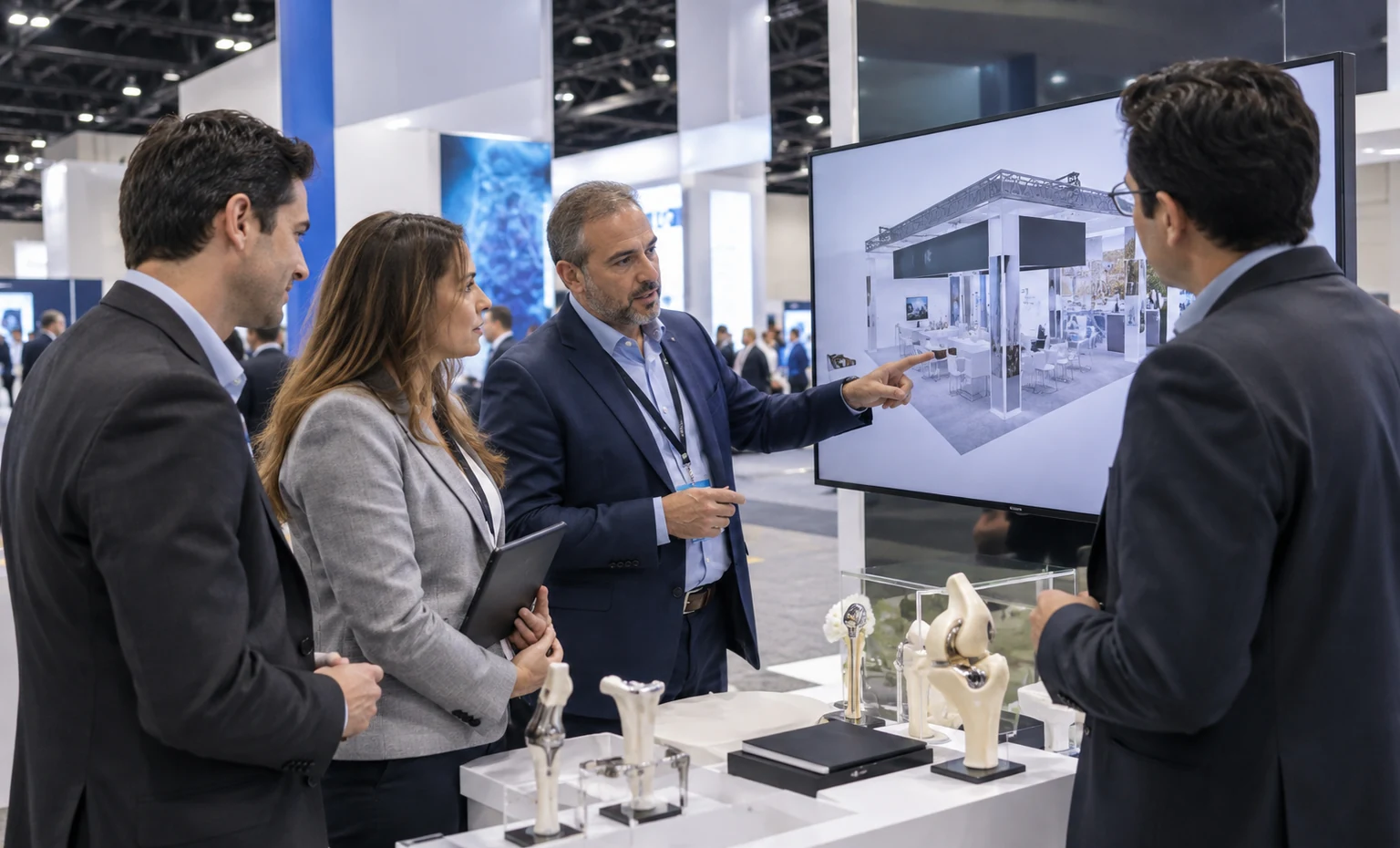
Move from Orthopaedic Product File to AAOS Exhibit Release
What You Provide: Booth assignment, target specialties, product list, visitor actions, approved-message status, staff roles and meeting objectives.What We Do:
What You Provide: Dimensions, weight, display condition, handling sides, operator position, power/data, heat, sound, cables, sanitation, security and delivery method.What We Do:
What You Provide: Brand files, graphics, screens, furniture, storage, privacy, budget, freight plan and services you want priced.What We Do:
What You Provide: Final product/status approvals, graphics, current AAOS requirements, official orders, shipment details and onsite contacts.What We Do:
Yes, when the product, activity and display condition are permitted by the current show rules and the exhibiting organization’s approvals. Send the product dimensions, handling method, operator and observer positions, power/data, sanitation, safety, reset and status-language requirements. We will plan the physical station and identify the interfaces included in our proposal; your organization remains responsible for product use and approval.
Start with an itemized display and reserve-stock list. Decide which items remain staff-handled, how they are counted, where cases and replacement parts are stored, and who opens and closes each zone. We can design staff-side access, fitted holders and lockable storage when specified. The exhibitor should also decide whether dedicated security or another operating control is required.
Current AAOS rules address products that are not FDA approved for a particular use in humans or are not commercially available in the United States and require appropriate status signage. Your medical, legal and regulatory team must determine the correct product status and wording. King can produce and place the final approved signage; we do not determine clearance, permitted use or compliance.
Potentially, for the installation and dismantling work permitted under the active AAOS rules and accepted project scope. The current prospectus limits outside EAC work to I&D and requires an approval form and certificate of insurance by its stated deadline. Your exhibitor team must provide the current manual and authorization details; all other official services remain with the designated providers unless the rules say otherwise.
Footprint, booth configuration, rental architecture, custom product fixtures, graphics, lighting, screens, equipment interfaces, storage, meeting rooms, flooring and furniture shape the exhibit scope. Packing, transport and I&D are priced when requested. Material handling, electrical, internet, rigging, labor, security and other organizer or venue services may be separate unless the accepted quotation expressly includes them.
Often. Rental walls, towers, counters, lightboxes, screen mounts and meeting components can be reconfigured, while event-specific graphics and product fixtures may need revision. The next booth assignment, show rules, product program, approved status language and demonstration plan must be reviewed again. Keeping corporate architecture separate from edition-specific content makes reuse easier to plan.
Send the show edition, booth number and size, open sides, target specialties, product register, dimensions and interfaces, demonstration sequence, approved-content status, staffing and meetings, storage/security needs, graphics, screens, freight plan, budget and the onsite support you want King Exhibits to price. Flag any product or message still under review so the architecture can preserve a controlled change path.
Compare Booth Sizes for Orthopaedic Products and Meetings
-
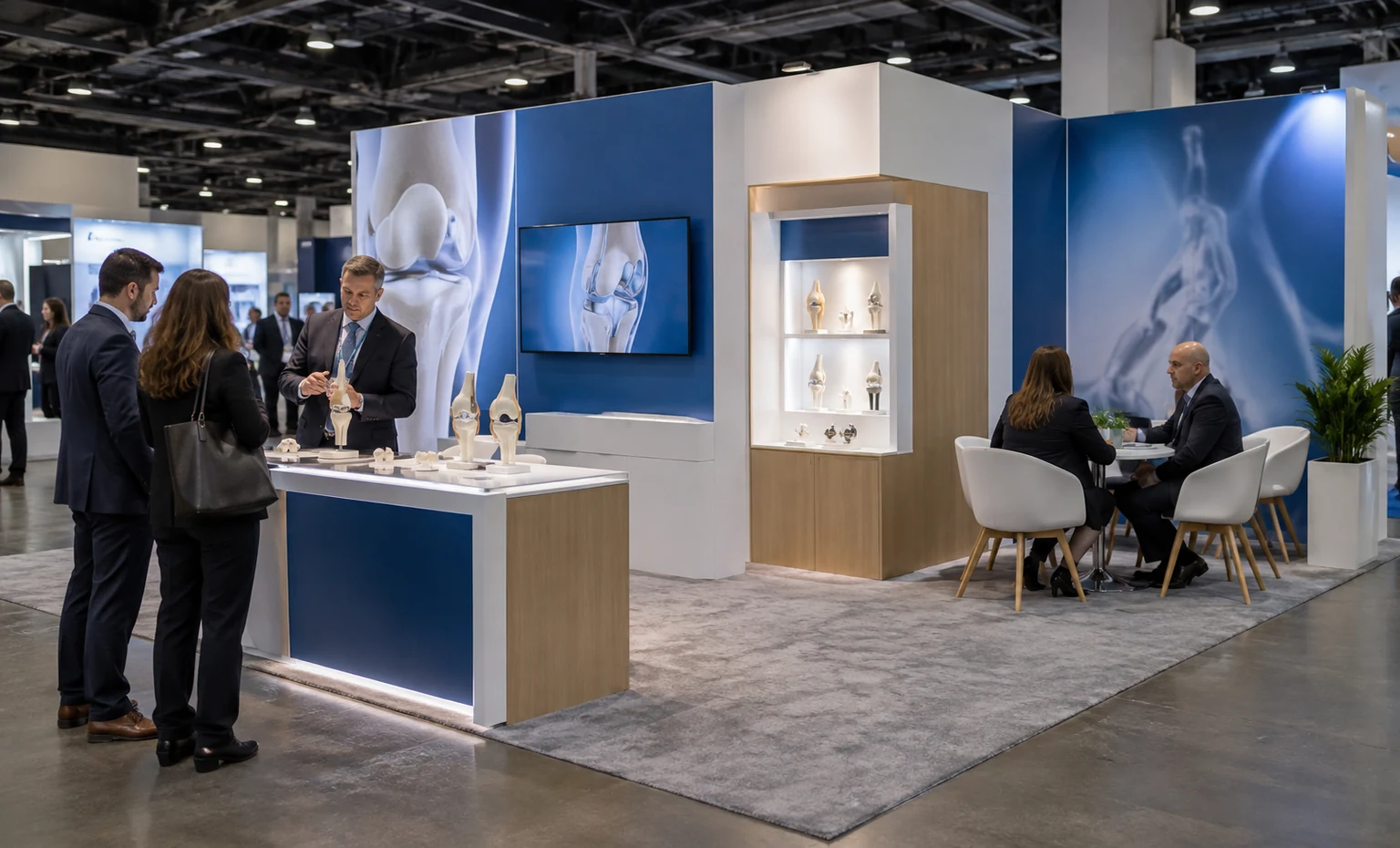
Supports one focused product family, a guided demonstration edge, controlled storage and a compact specialist conversation.
-
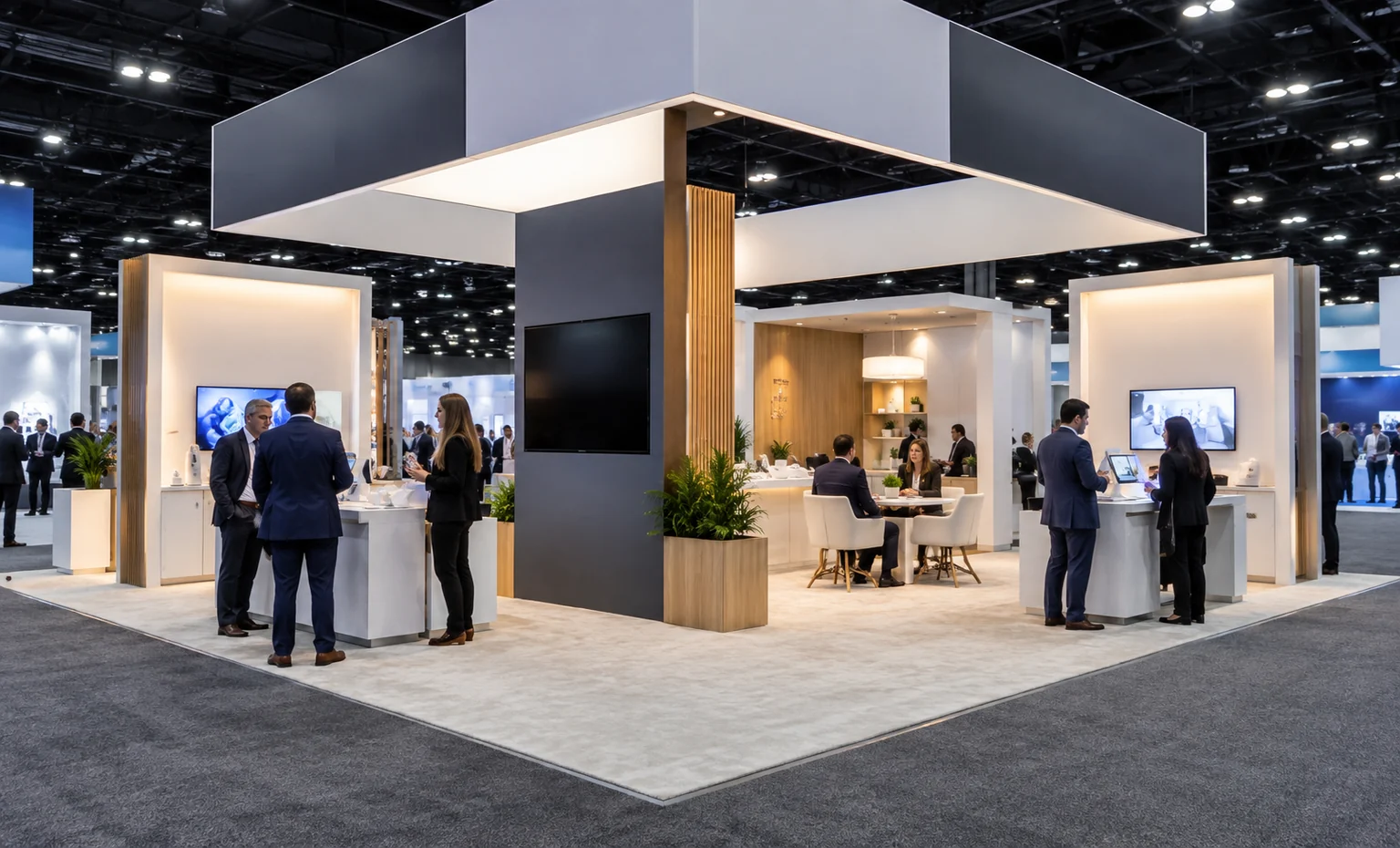
Creates an island plan for several product interactions, open approaches, concealed storage and a separate discussion point.
-
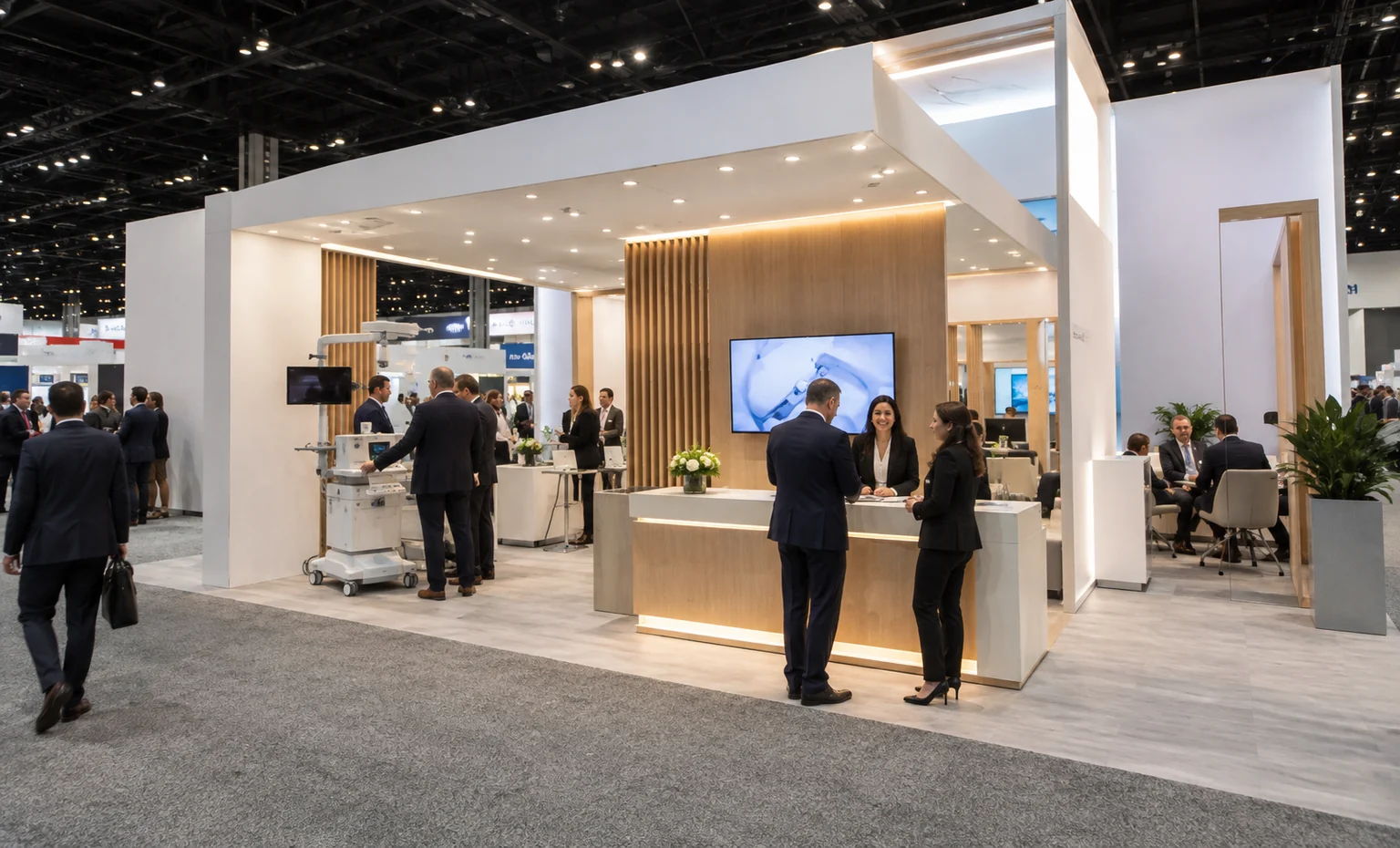
Allows distinct product zones, stronger reception, additional demonstration capacity and a more protected technical or commercial meeting area.