
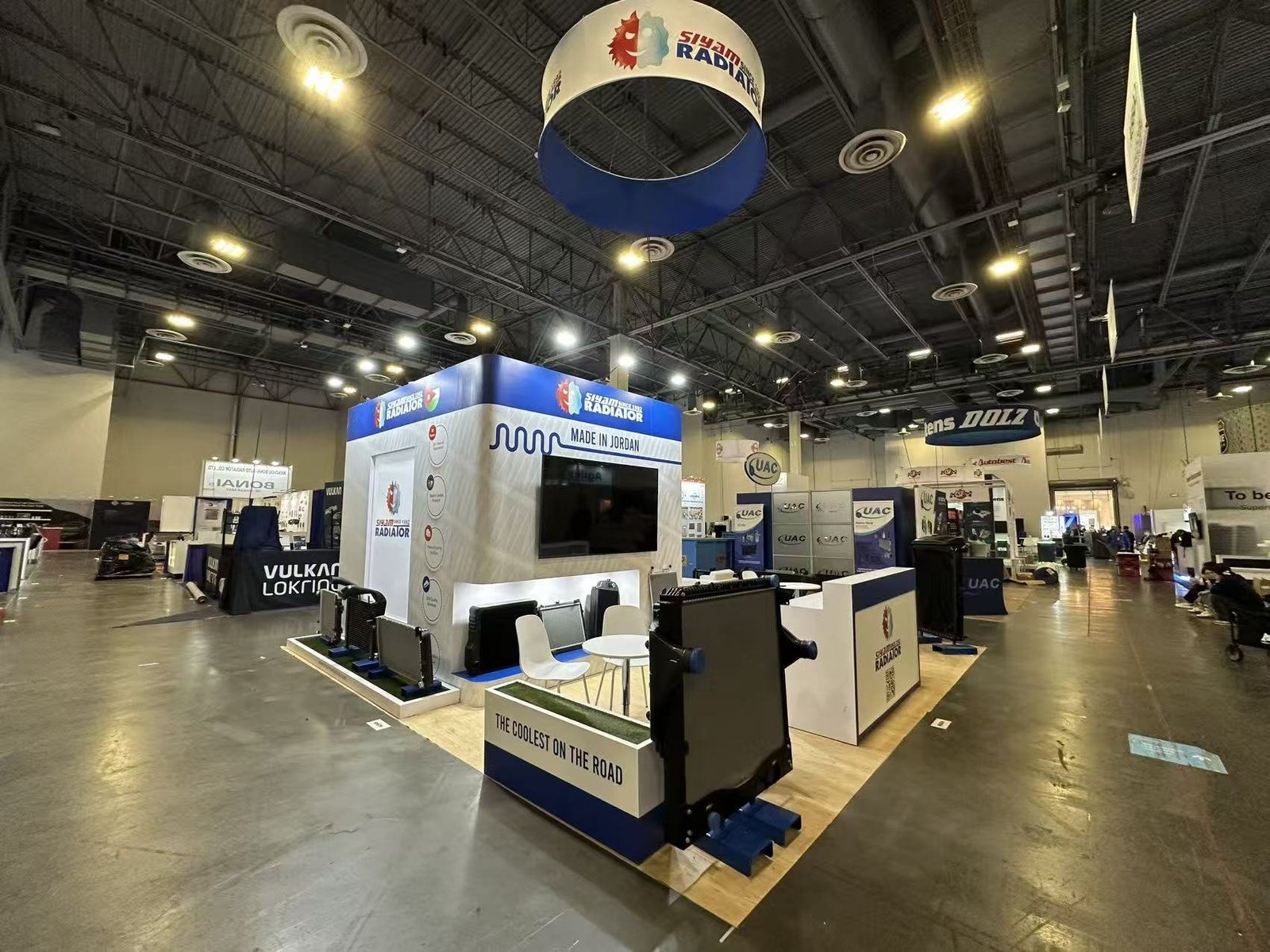


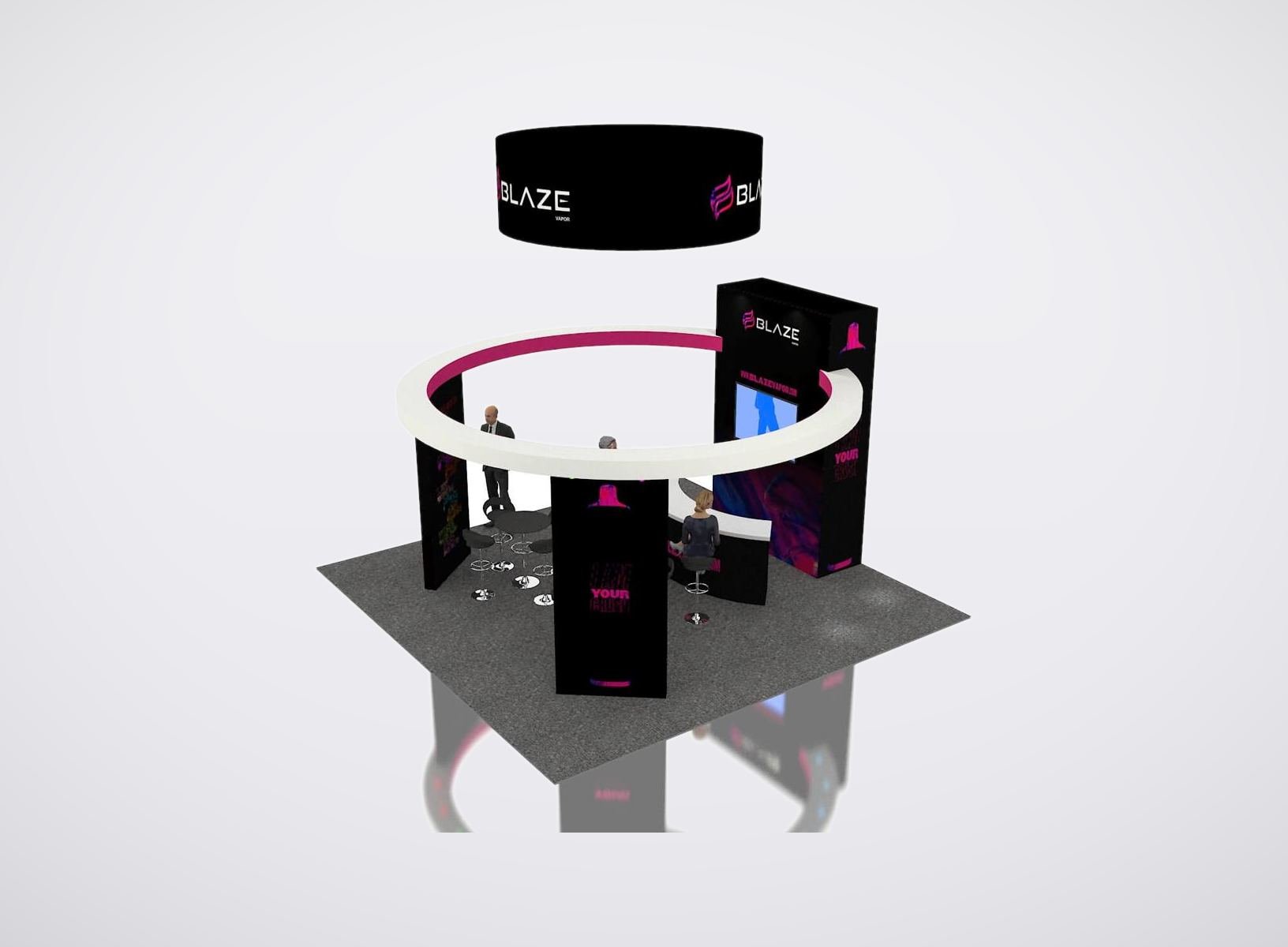
Five NATDA Exhibit Situations That Need Different Layout Decisions
Trailer Model Launch
Component and Accessory Range
Parts, Tools and Service Equipment
Dealer Technology and Business Services
Brand and Distribution Meetings
Design the NATDA Exhibit Around the Decision a Dealer Came to Make
The NATDA Trailer Show brings different kinds of dealer-facing offers into one industry setting. A trailer manufacturer may need room for a full-size product and a clear inspection route. A component supplier may need buyers to understand fit, installation and service access. A dealer-software or business-service provider may need to demonstrate a workflow without making the visitor decode a generic technology presentation.The booth should therefore start with one primary dealer decision. That decision determines the first sightline, the product or screen position, the supporting specifications and the point where a specialist continues the conversation. Secondary products can remain available, but they should not compete equally with the item or program the exhibitor most wants a dealer to evaluate.King Exhibits can translate the approved brief into rental architecture, graphics, product fixtures, screens, storage and meeting areas, with selected custom fabrication and logistics support included only where quoted. The accepted scope separates King Exhibits work from exhibitor-supplied products and from services controlled by NATDA, the venue or other official providers. King Exhibits is not the show organizer or an implied official show contractor.
Give Each Zone a Dealer Question to Answer
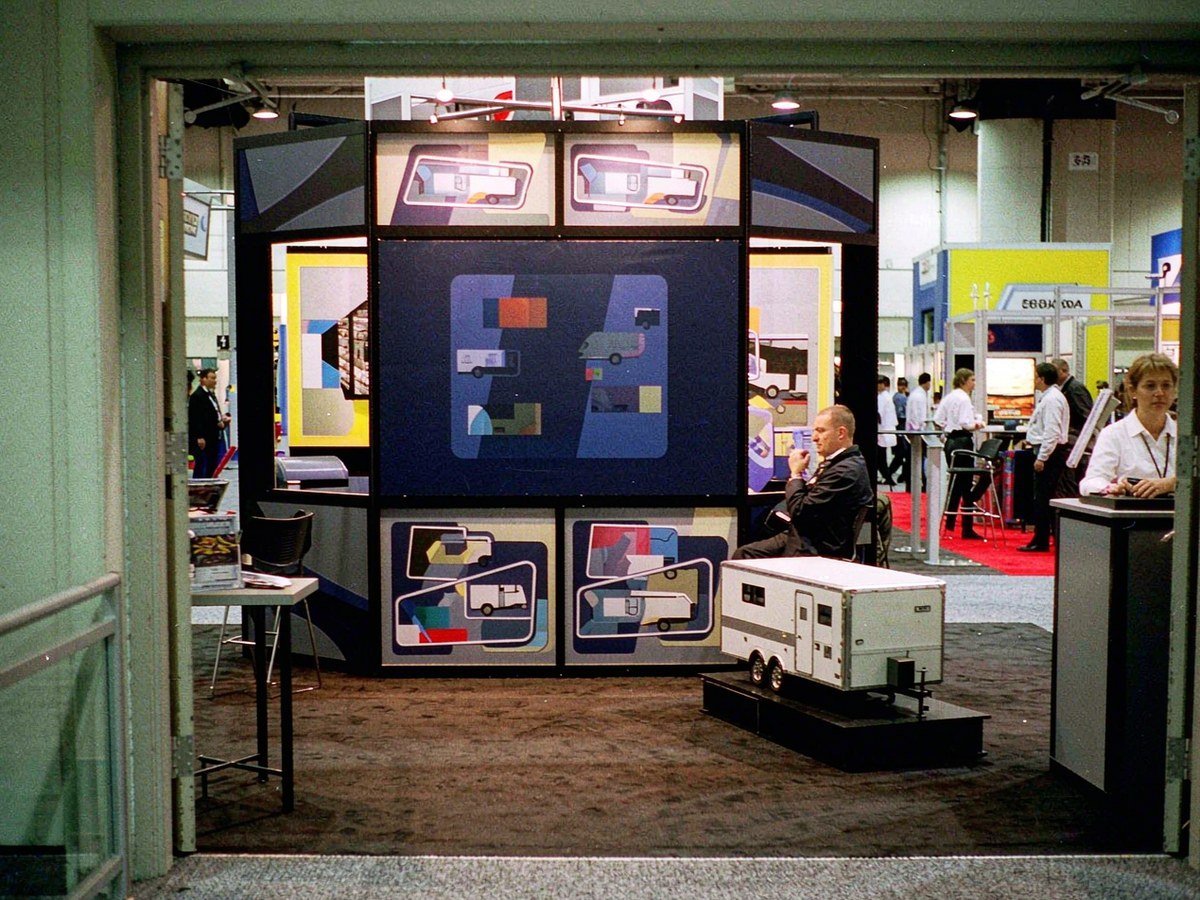
Show the verified model identity, intended application and the specifications your sales team is approved to discuss near the physical trailer.
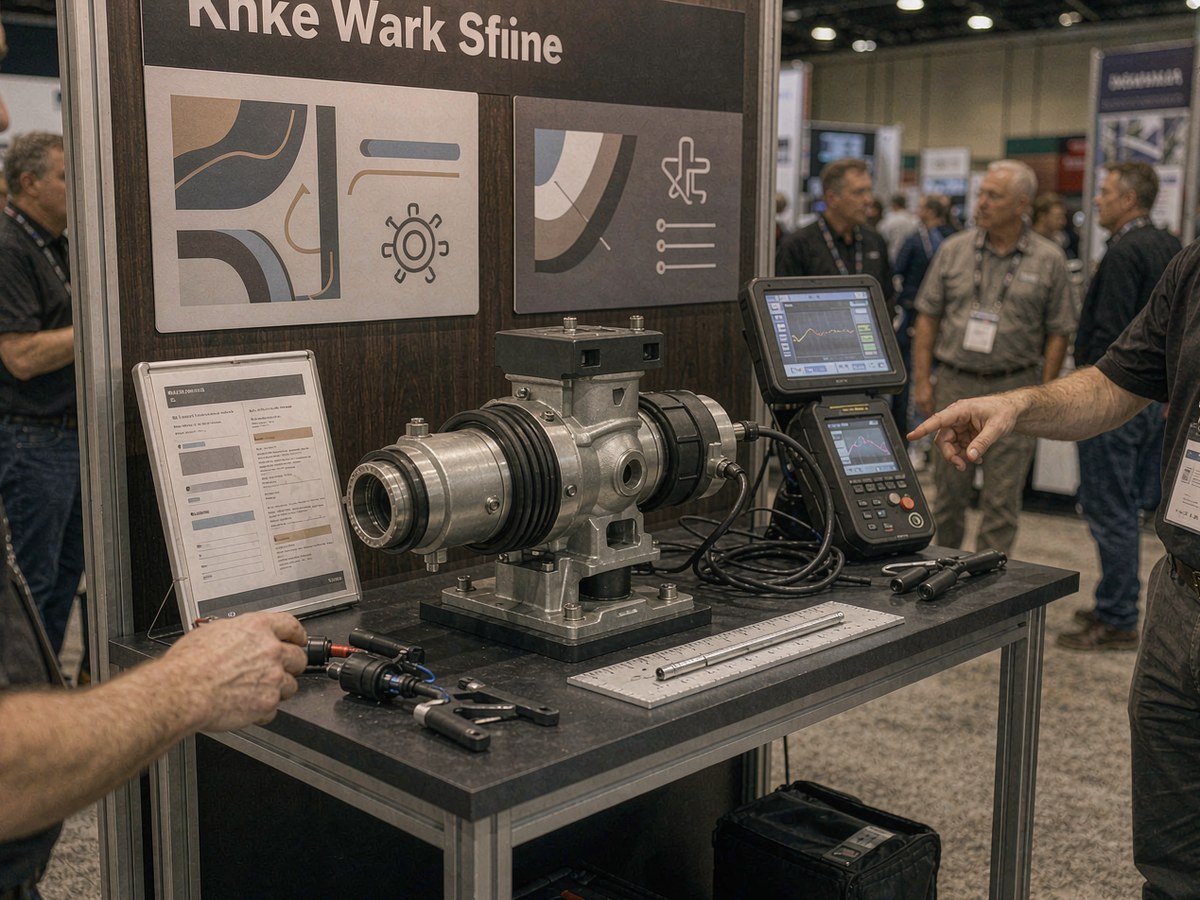
Connect the sample to a verified compatibility, mounting or service context instead of relying on a product name alone.
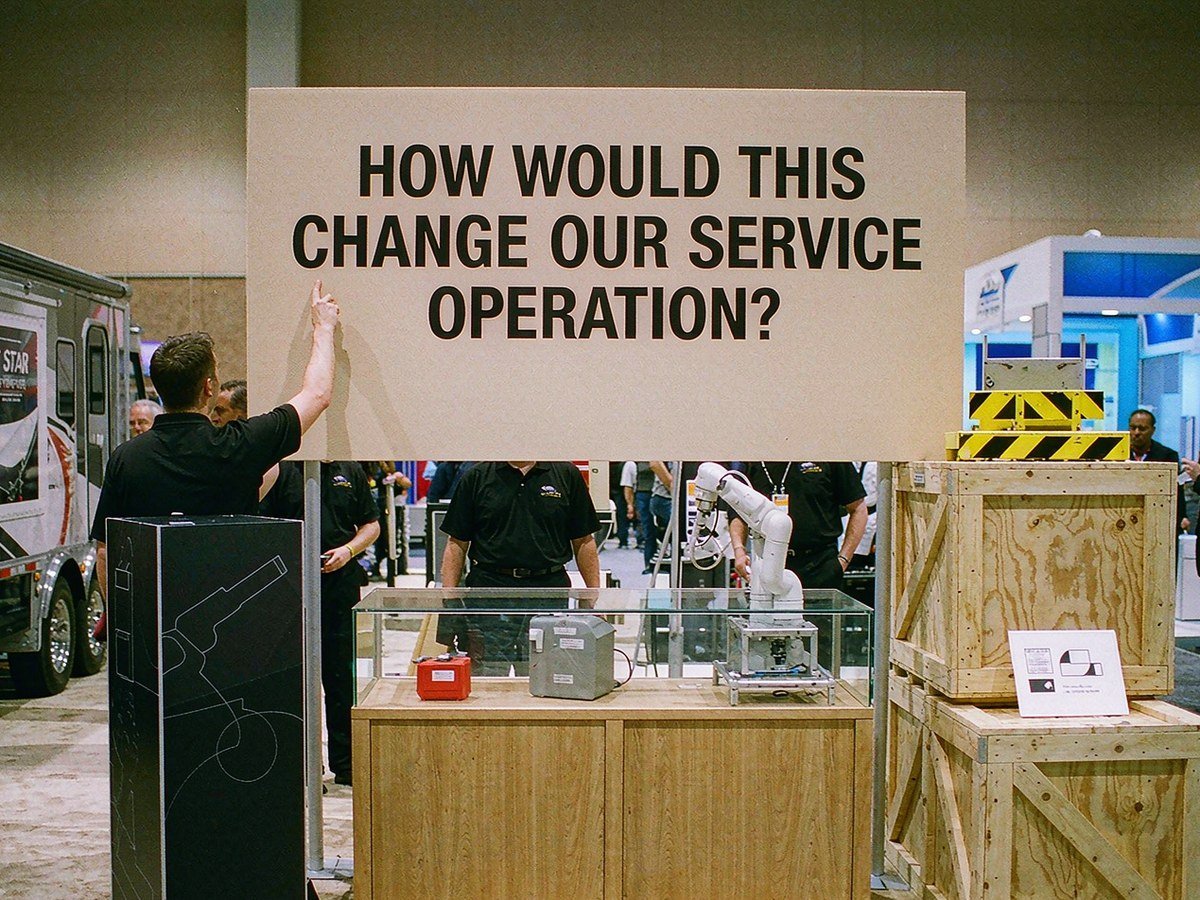
Build a safe, focused demonstration around the actual dealership task, staff role and equipment requirement.
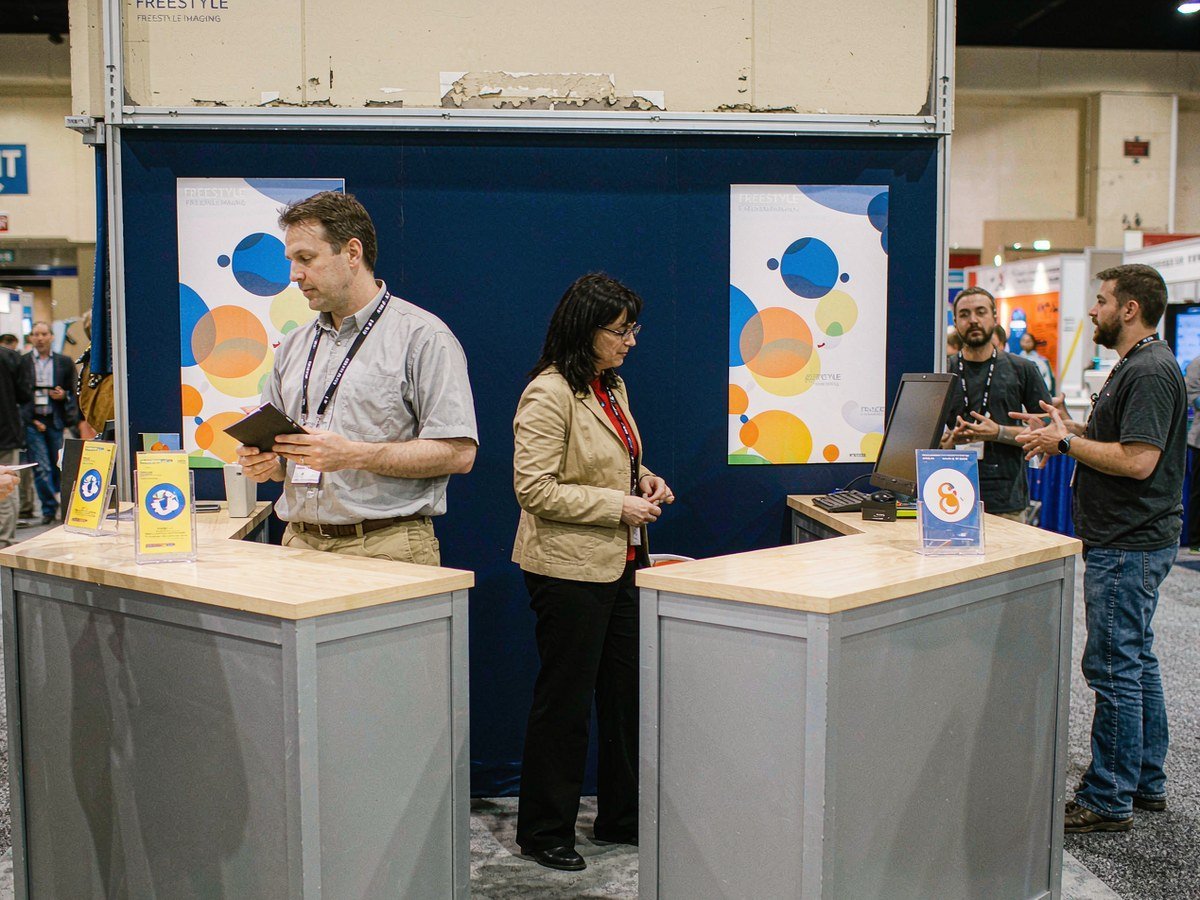
Draw the Trailer’s Arrival and Inspection Route First
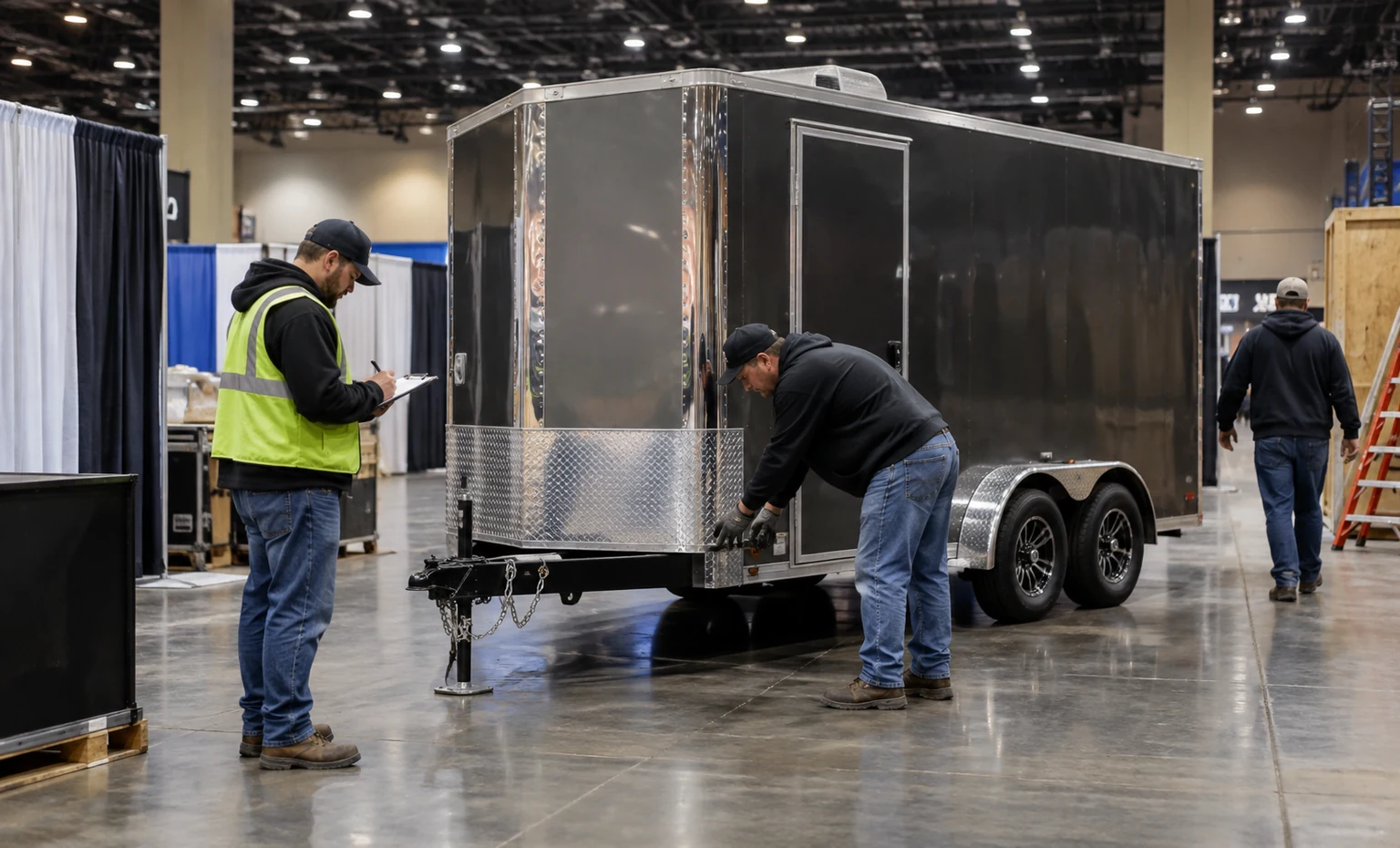
Record the trailer’s overall dimensions, tongue or coupler projection, weight, transport condition, turning needs and final orientation before the surrounding structure is fixed. Then identify the hitch, rear, side or service point dealers must inspect and keep that route out of the aisle. The current exhibitor instructions and assigned space determine what can actually enter and how it is handled; the booth plan should name who transports, unloads, positions, cleans and removes the display.
Let Dealers Compare What Changes the Conversation
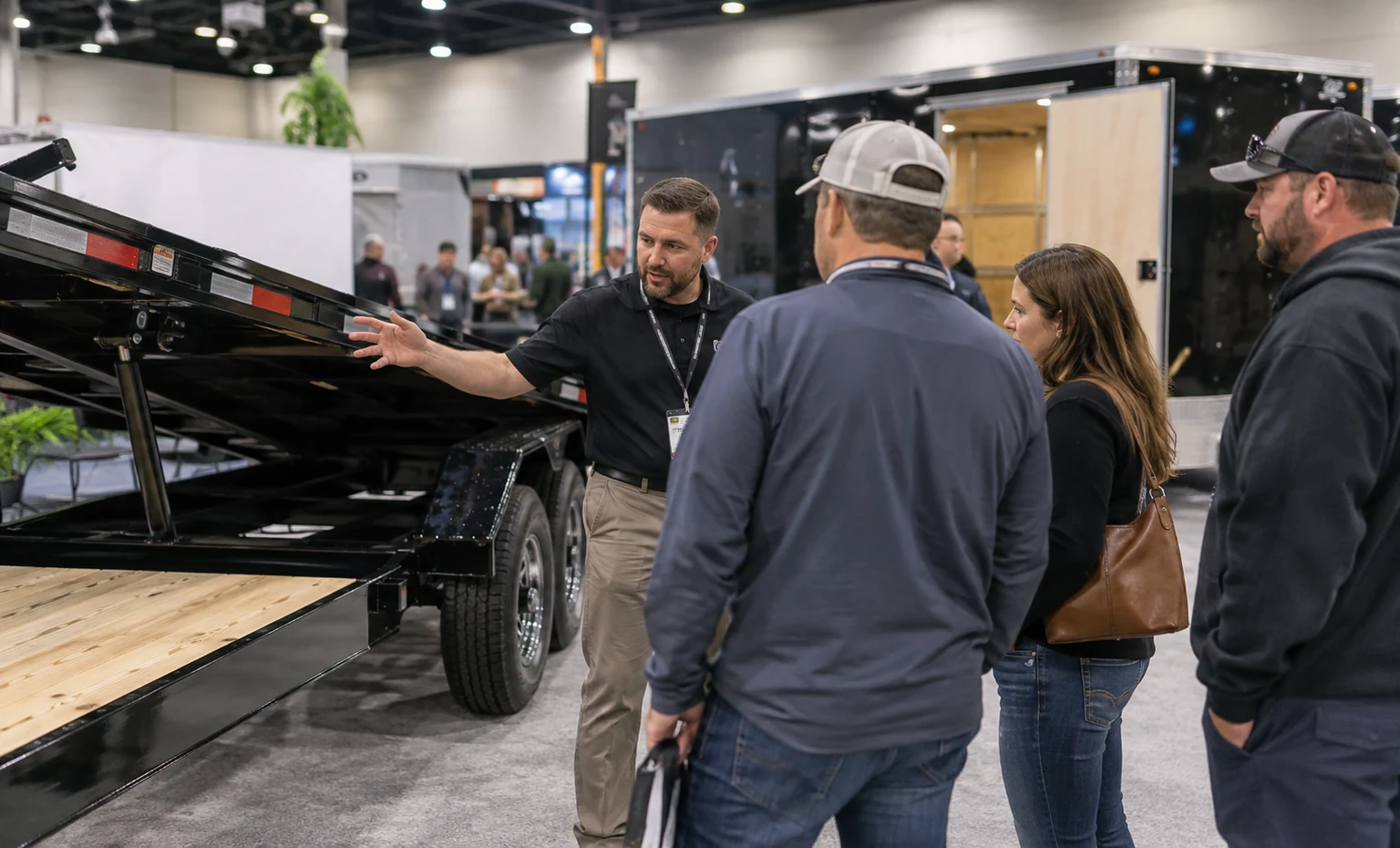
Do not give every model, component or program equal visual weight. Select the offer that best represents the show objective, then place only the verified specifications, compatibility details, service information or channel material needed to evaluate it. Group secondary items by trailer system, application or dealership task. This gives staff a clear route from the first product question to a more detailed order, distribution or implementation discussion without turning the booth into a temporary catalog.
Confirm the Service-Hub Assignment Before Designing the Demonstration
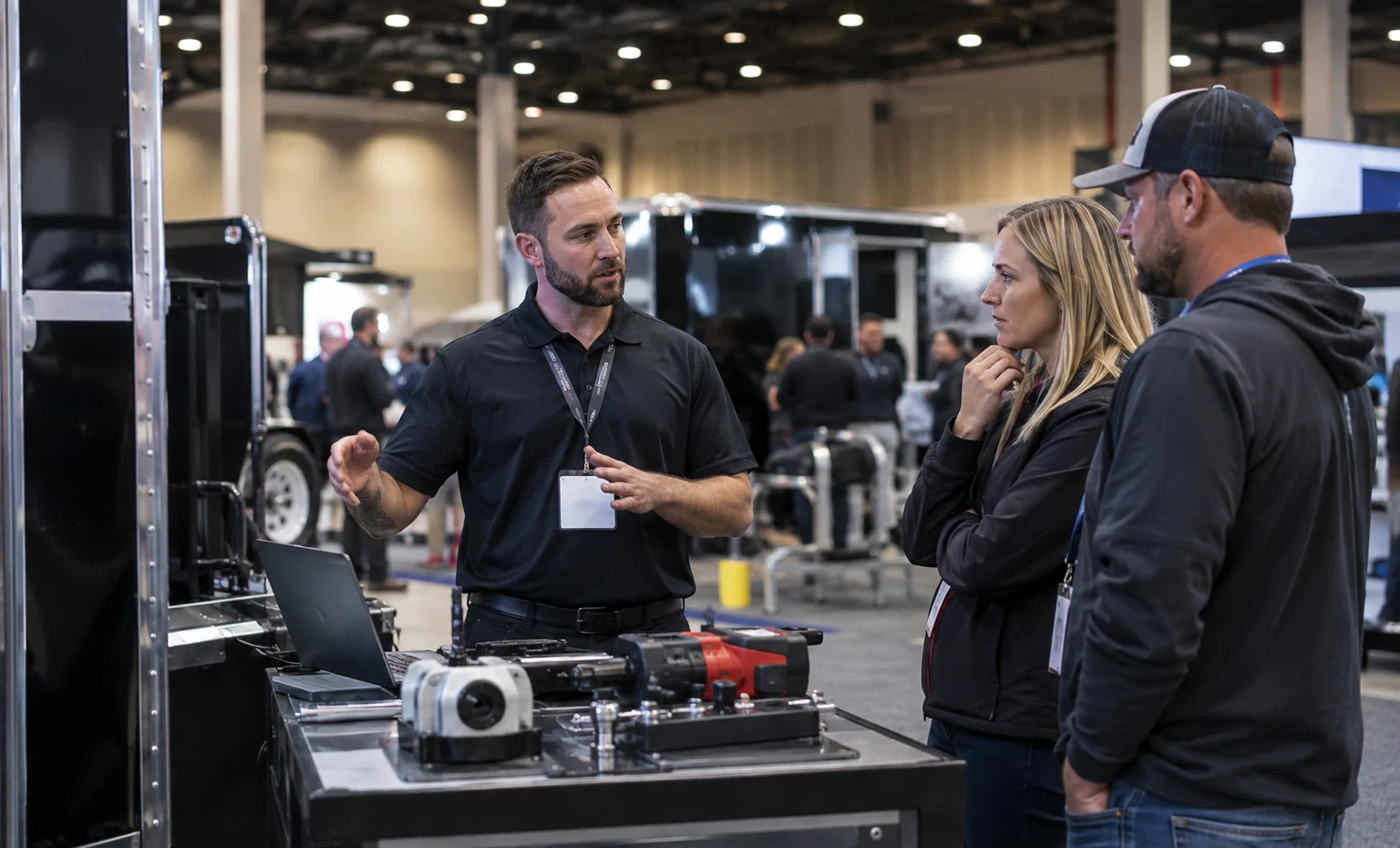
NATDA announced a Service Hub for the 2027 show, focused on dealership service departments, tools, parts, technology, training and business solutions. That creates a useful planning question, not an automatic placement. Confirm whether the exhibit is assigned there, which hours apply and what the current room and utility conditions allow. King Exhibits can then size the demonstration, screen, counter, storage and staffing positions against the actual assignment instead of copying a main-hall layout into a different operating environment.
Keep the Physical Product and Quoted Services on One Booth Plan
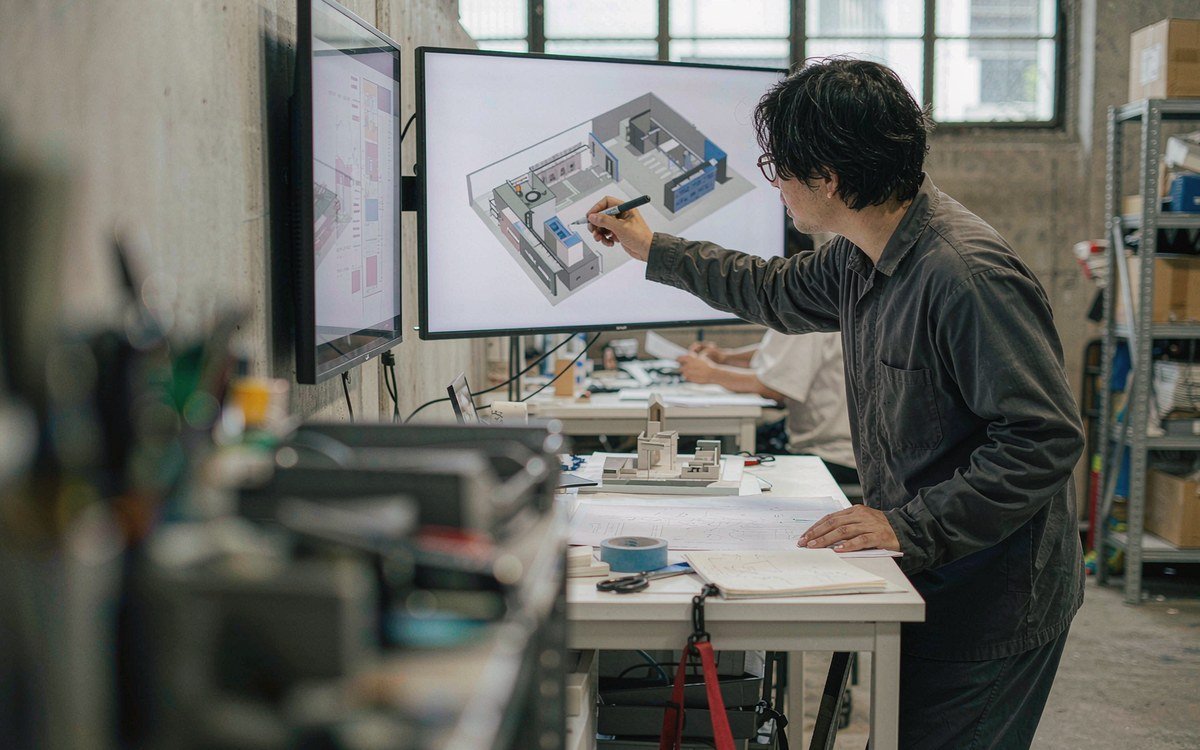
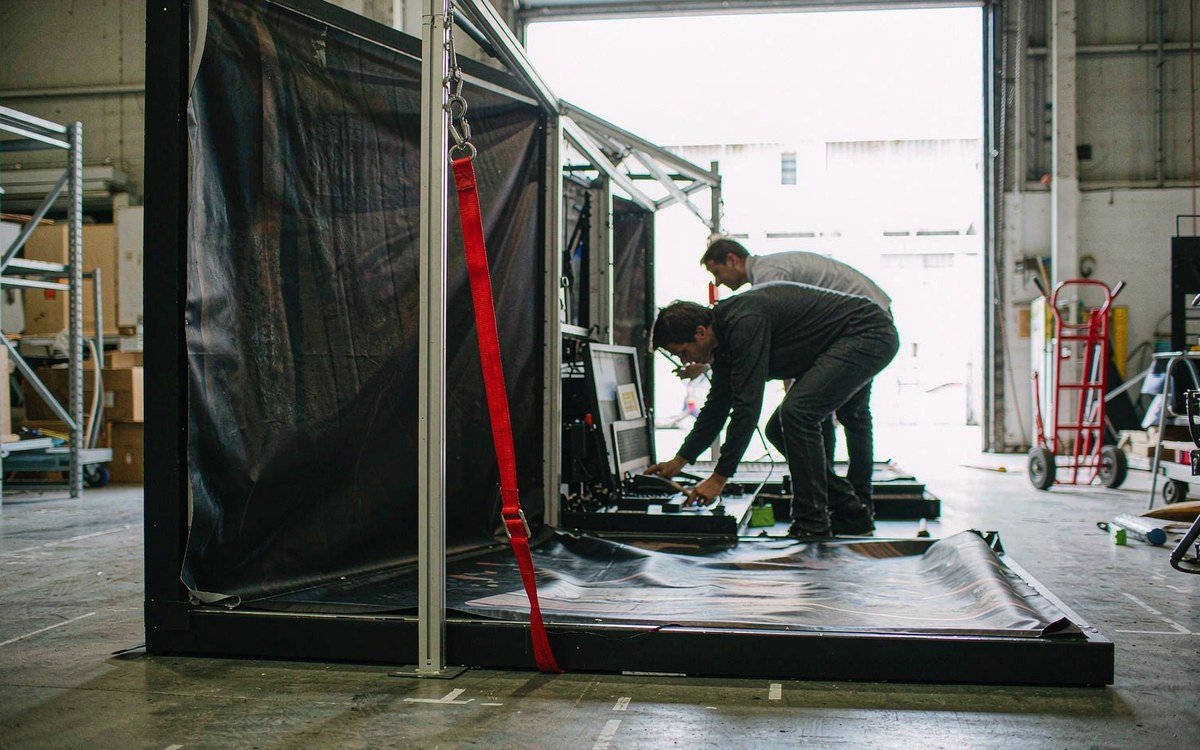
King Exhibits can bring the trailer or equipment footprint, dealer path, product fixtures, graphics, screens, storage and meeting needs into the same 3D direction. Once the exhibitor approves that direction, the accepted proposal can define the rental structure, branded graphics, selected custom fabrication, staging or preparation, transport planning, agreed installation-and-dismantle coordination, AV/LED integration and storage or reuse support included for that project.The same record should identify exhibitor-supplied products, operating equipment, files and approvals, plus organizer-, venue- or official-provider services outside the King Exhibits scope. That separation gives design, procurement and event teams a shared document to review before release. It does not replace the current exhibitor manual or guarantee that an unapproved product, vehicle, demonstration or service will be accepted by the show.
Complete These Checks Before Production Release
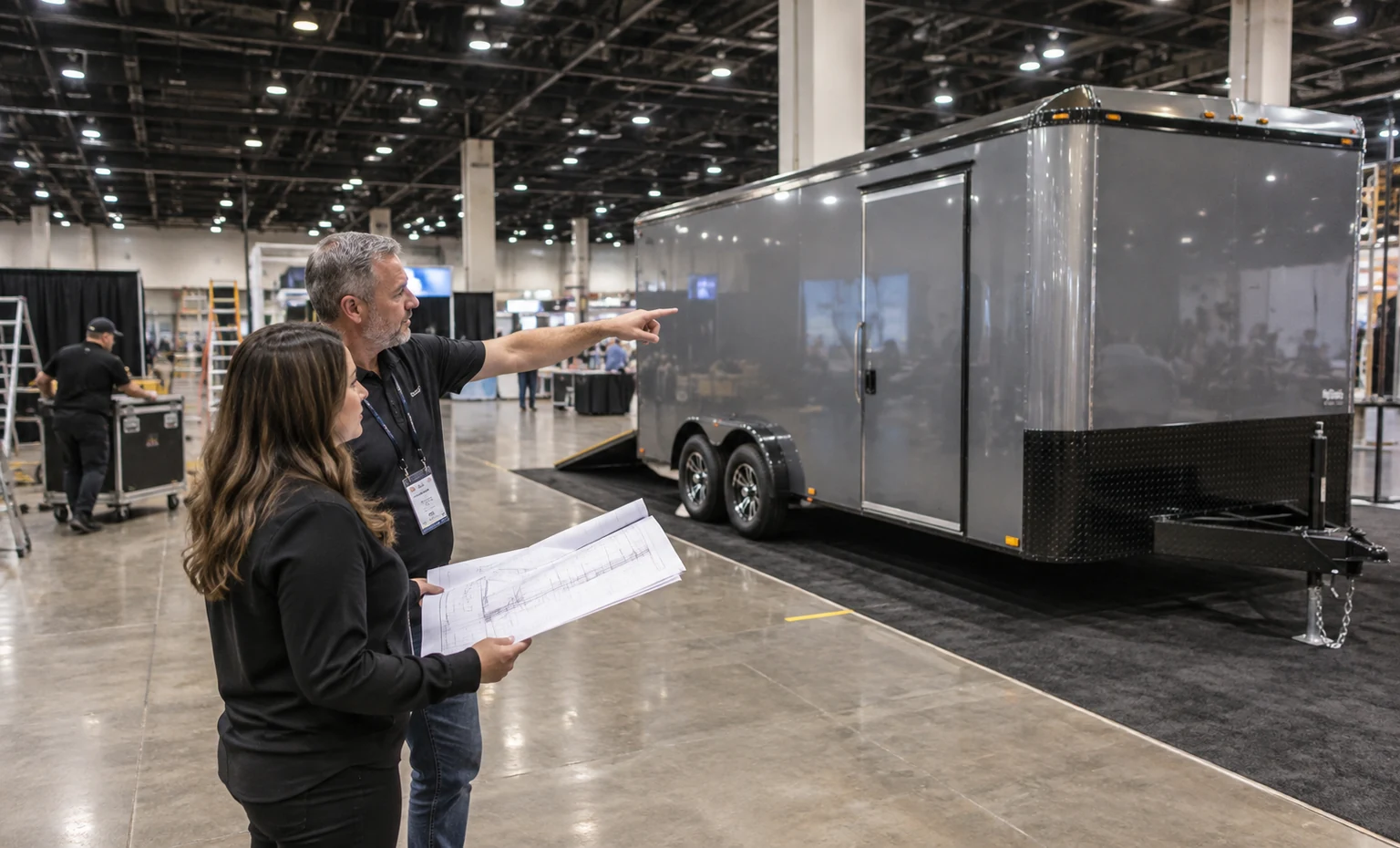
Confirm booth number, dimensions, open sides, neighboring constraints, overhead conditions and the approved location of the trailer or equipment.
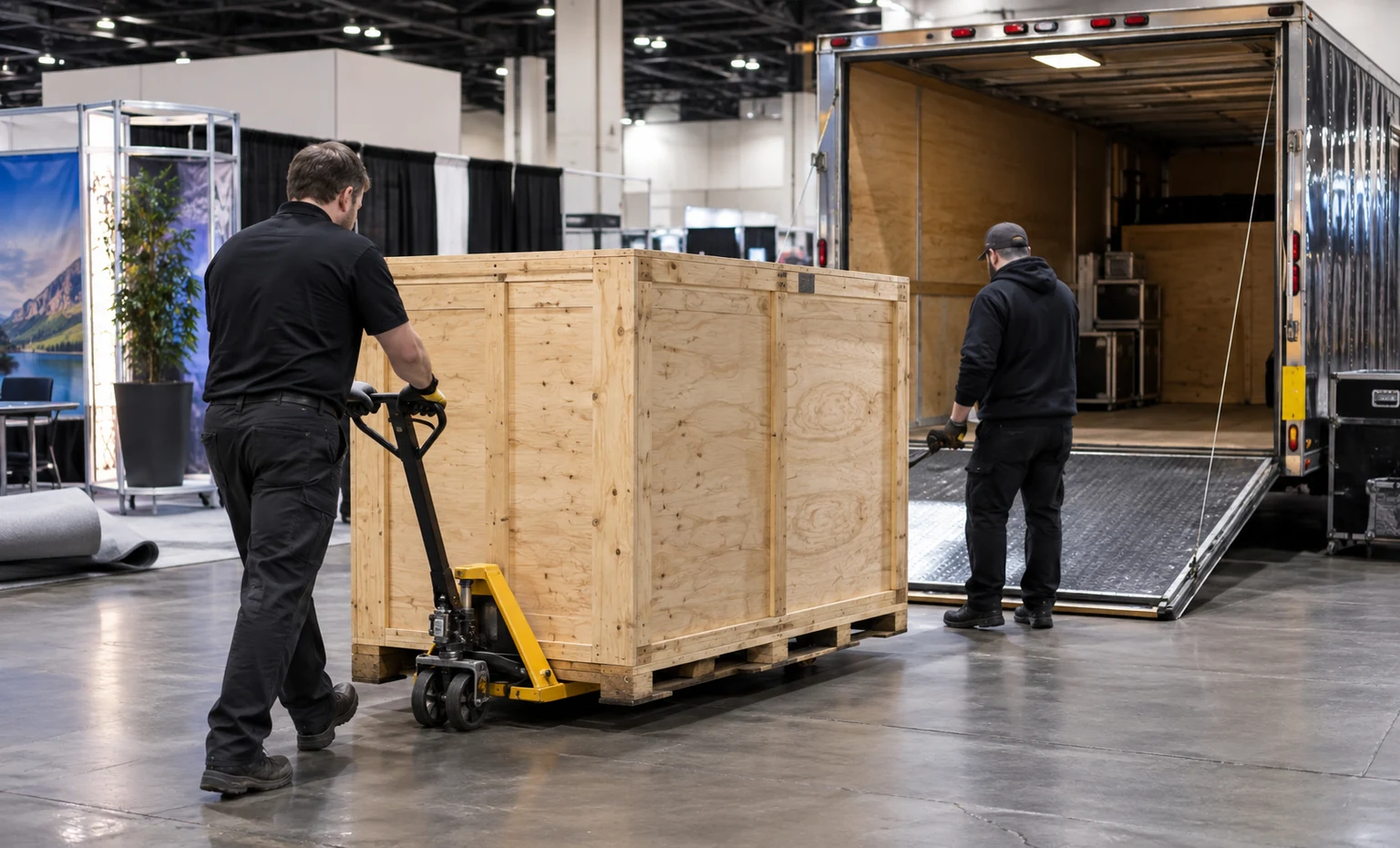
Provide dimensions, weight, arrival condition, lifting or movement limits, target-freight instructions and the party responsible for each handling step.
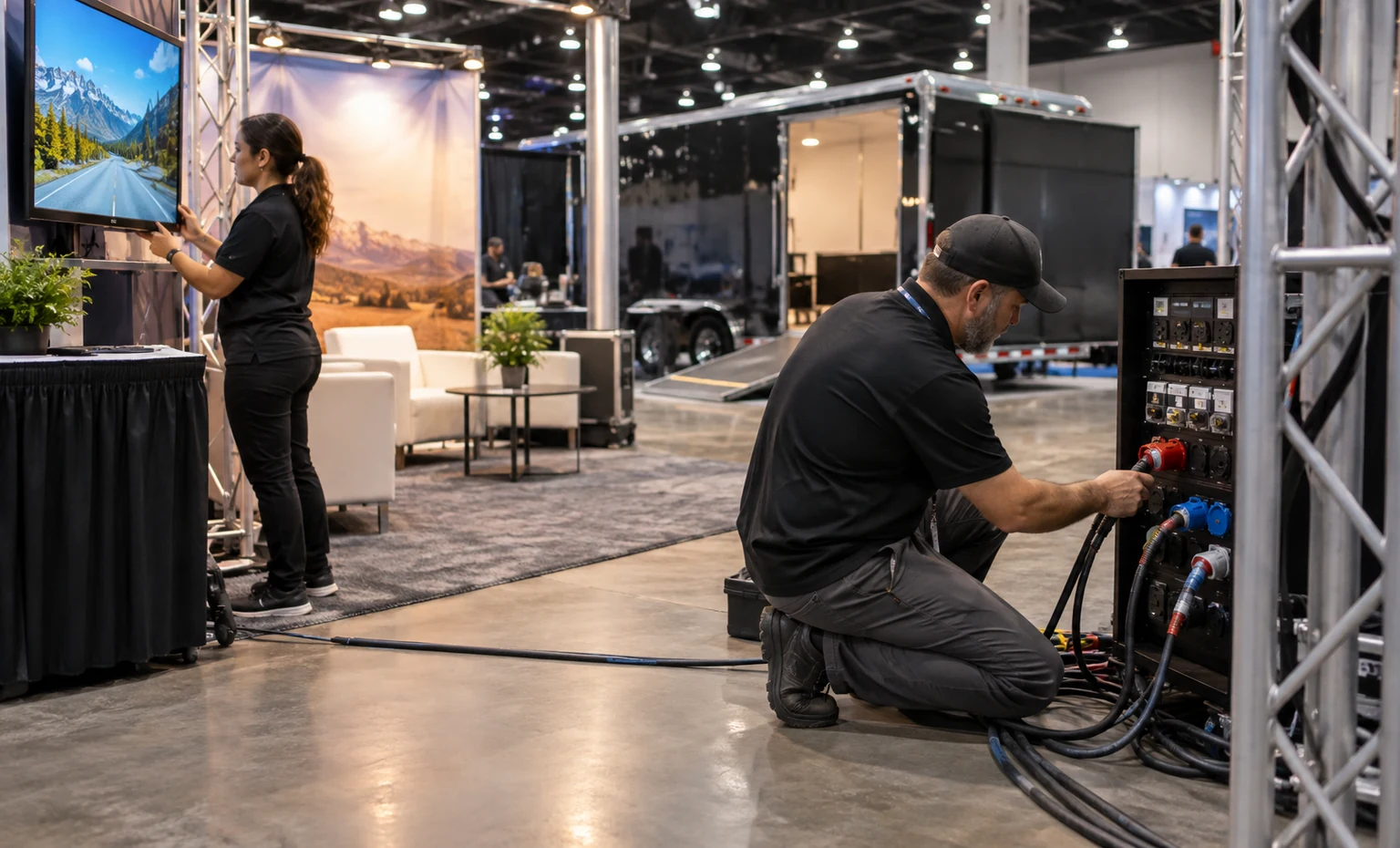
List required power, internet, AV, lighting, ventilation or other operating conditions and identify which official orders remain with the exhibitor.
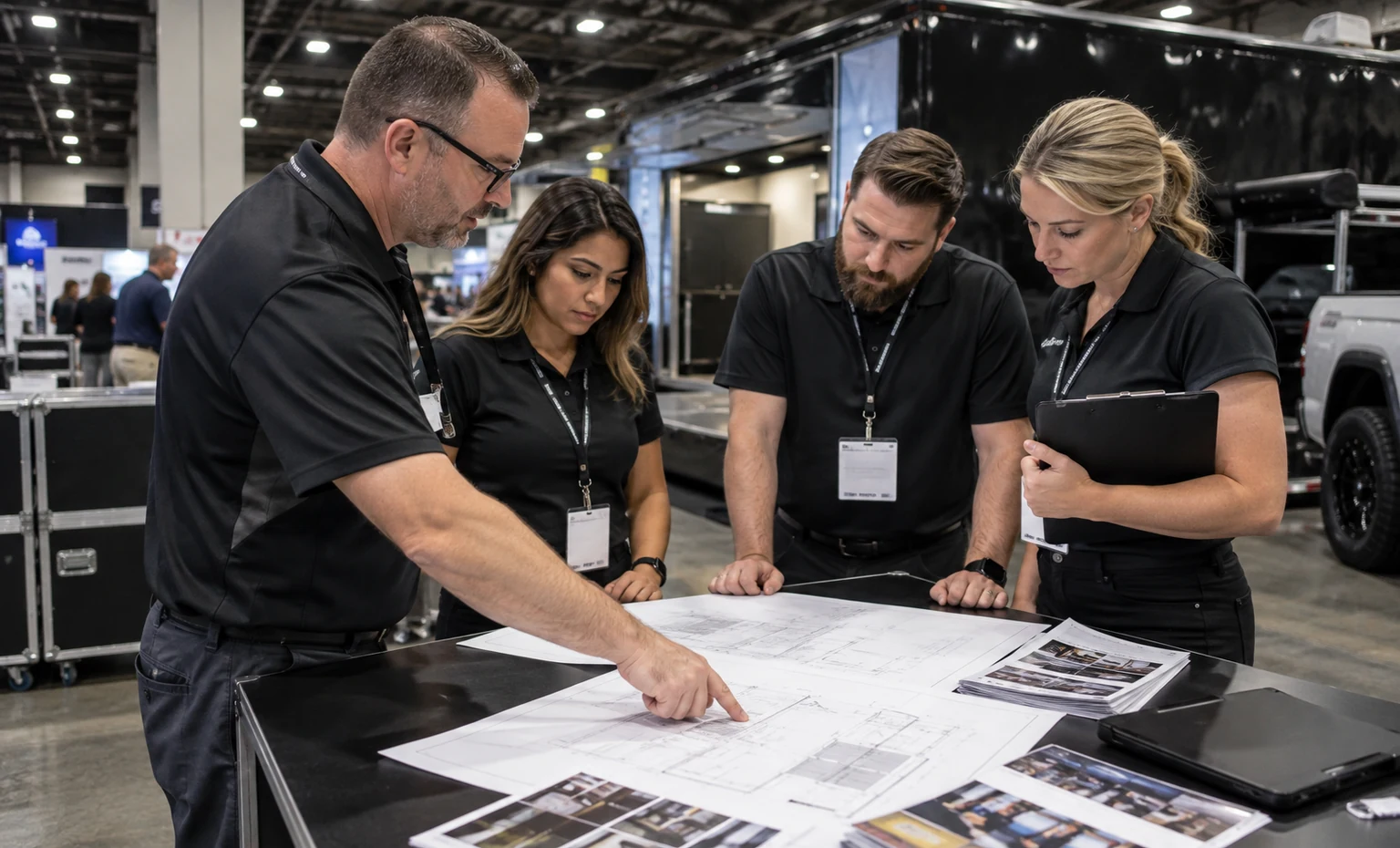
Review the latest design, fire, safety, vehicle-display, material-handling, labor, rigging and approval instructions that apply to the assigned area.

Approve product names, specifications, compatibility statements, logos, graphic files, video and any public case reference before production.
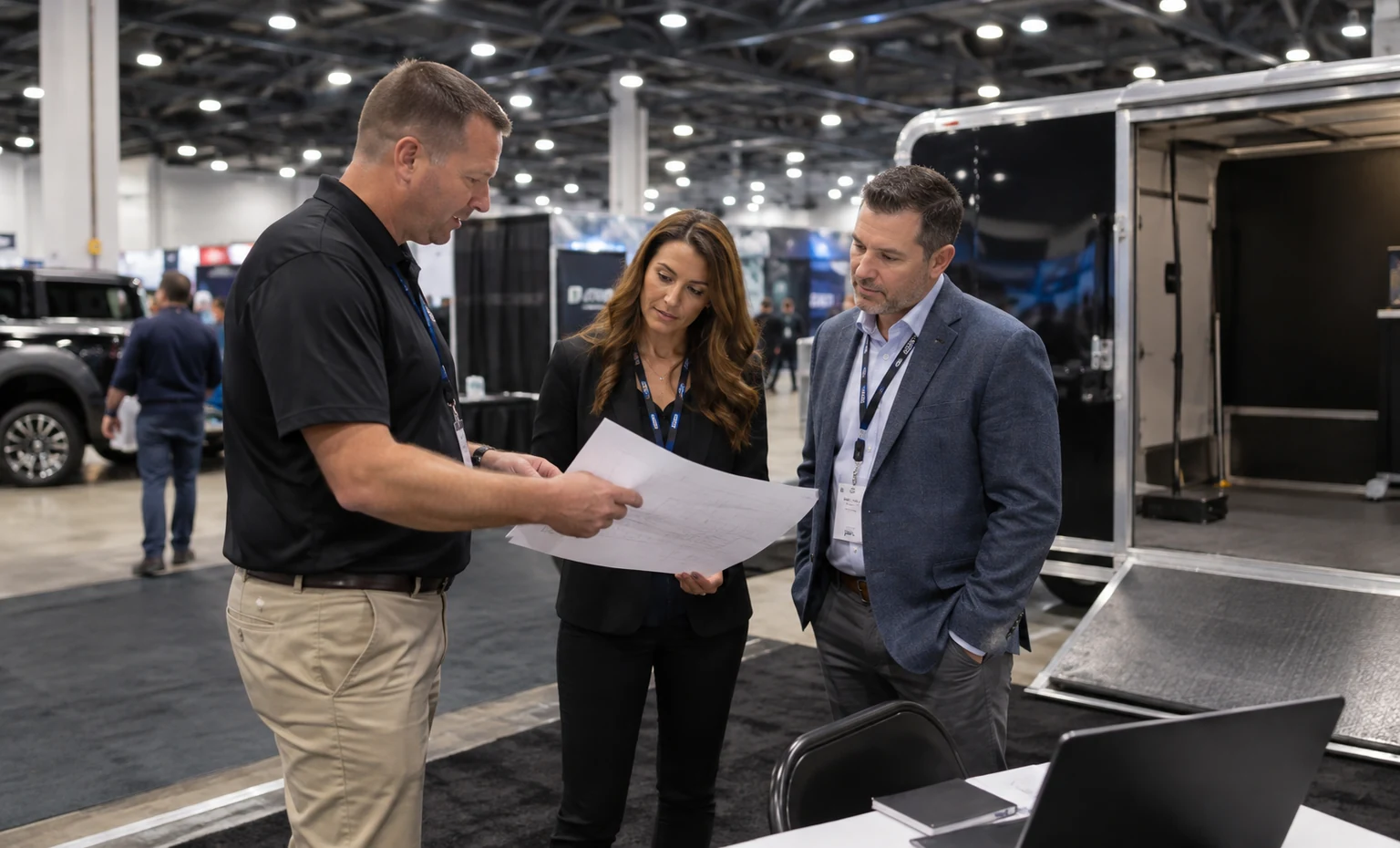
Build the NATDA Booth from the Dealer Decision Outward
What You Provide: The priority dealer action, assigned space, show area, target products and planned staffing.What We Do:
What You Provide: Trailer, component or equipment dimensions, weight, access points, operating needs and approved specifications.What We Do:
What You Provide: Demonstration method, comparison priorities, meeting needs and dealer questions.What We Do:
What You Provide: Current manual, deadlines, service orders, product logistics and internal owners.What We Do:
What You Provide: Final artwork, content approvals, product readiness and required official submissions.What We Do:
Potentially, if the assigned space, current show rules, venue conditions and handling plan allow it. Send the complete dimensions, weight, tongue or coupler projection, arrival condition, desired orientation and required inspection sides. The organizer or applicable official provider controls approval and handling requirements; a booth concept does not replace that approval.
Yes, when the footprint can keep the trailer inspection route clear and give the component range a useful hierarchy. We would first define which item leads the dealer conversation, then place secondary samples by system, compatibility or service task. Final feasibility depends on the assigned space, product data and current show requirements.
That depends on your offer and the organizer’s current eligibility and assignment process. NATDA announced the hub for dealership-service tools, parts, technology, training and business solutions, but exhibitors must confirm their actual room, exhibit hours and requirements directly with the organizer. King Exhibits does not control placement.
Only the items and services written into the accepted proposal. Depending on the project, that may include 3D design, rental structure, graphics, selected custom fabrication, staging or preparation, transport planning, agreed installation-and-dismantle coordination, AV/LED integration, or storage/reuse support. Show-, venue- and exhibitor-controlled services remain separate unless the quotation explicitly assigns them.
Send the assigned floor plan, booth number and open sides; the trailer, component or equipment list with dimensions and weight; the dealer objective; demonstration and utility needs; meeting and storage requirements; current exhibitor instructions; target schedule; approved brand files; and the person responsible for official orders and product logistics.
Booth Sizes for Trailer-Industry Exhibits
-
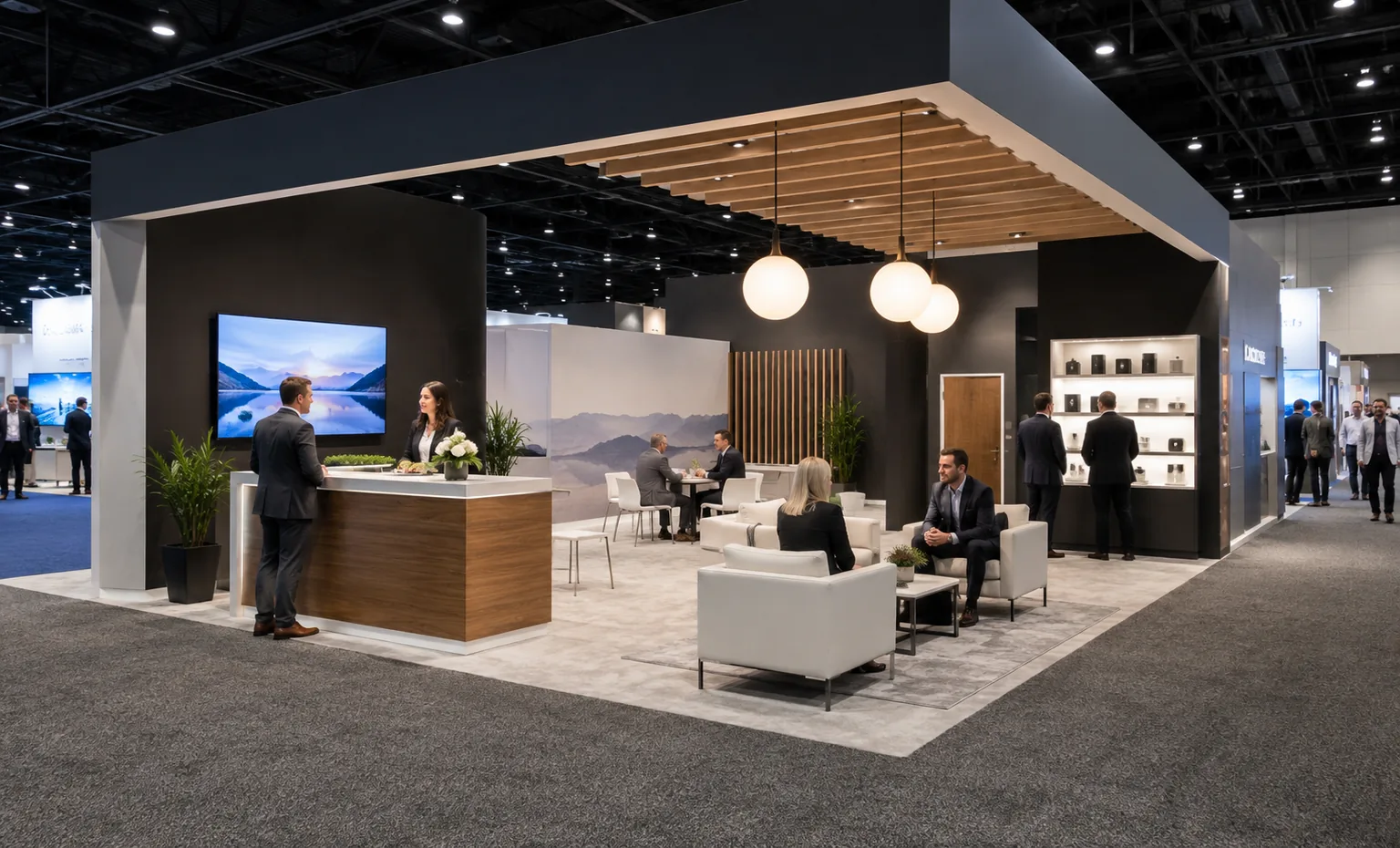
Four hundred square feet for a focused component, dealer-program or compact product presentation with storage and a staffed conversation point.
-
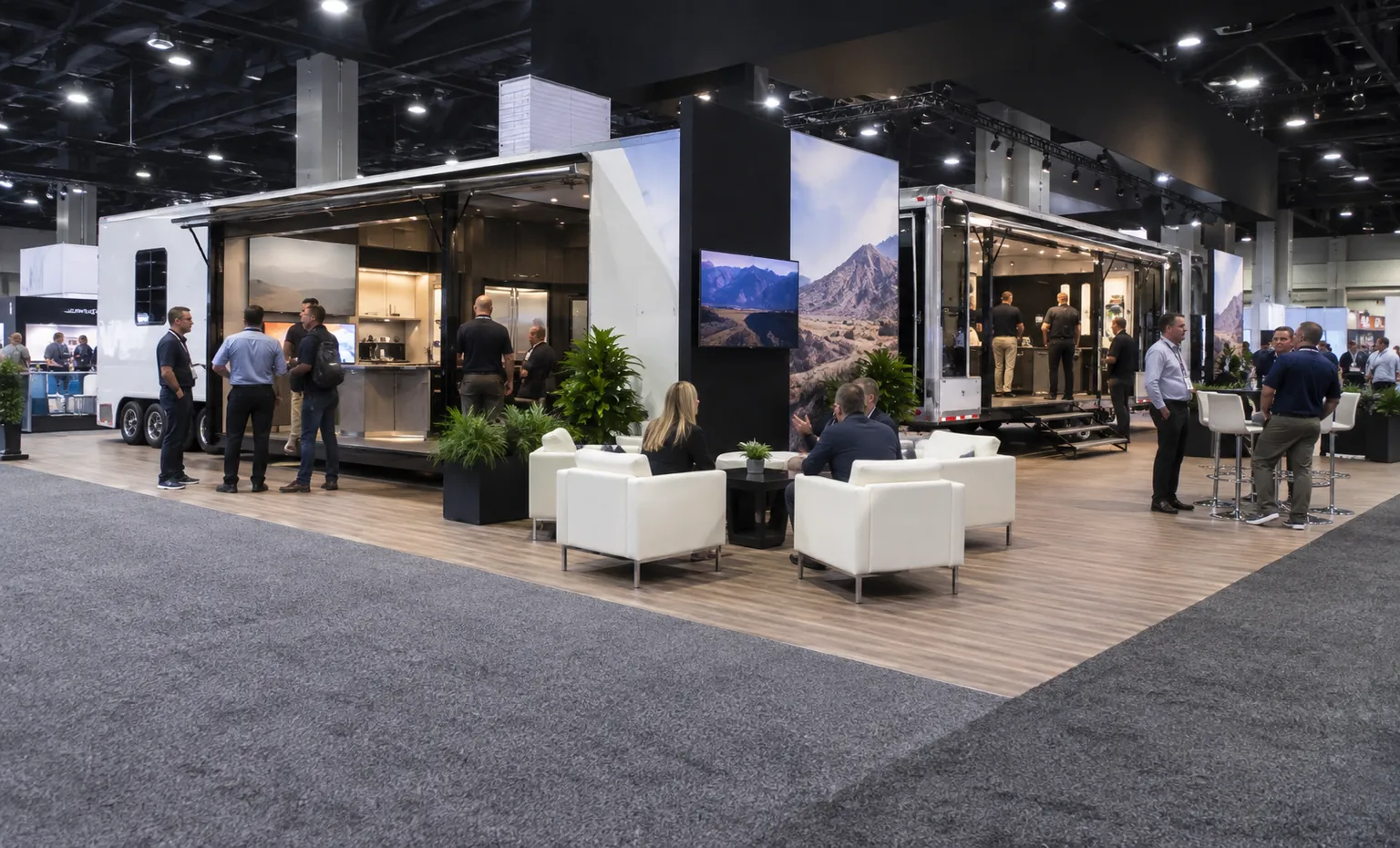
Six hundred square feet for a larger product story, structured demonstration and separated dealer conversation, subject to the physical display envelope.
-
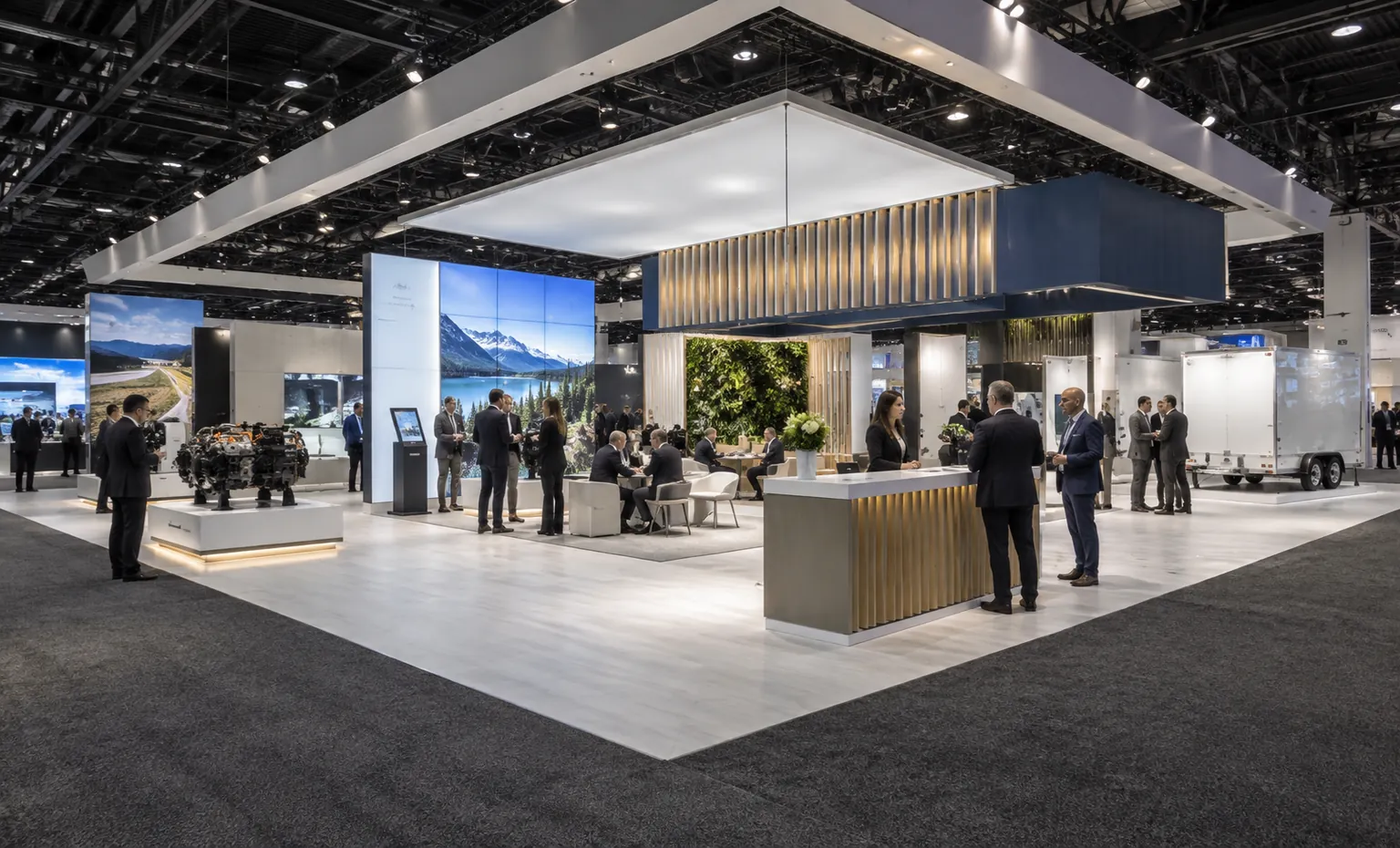
Nine hundred square feet for an island-style environment with broader sightlines, multiple product zones and scheduled channel meetings.
-
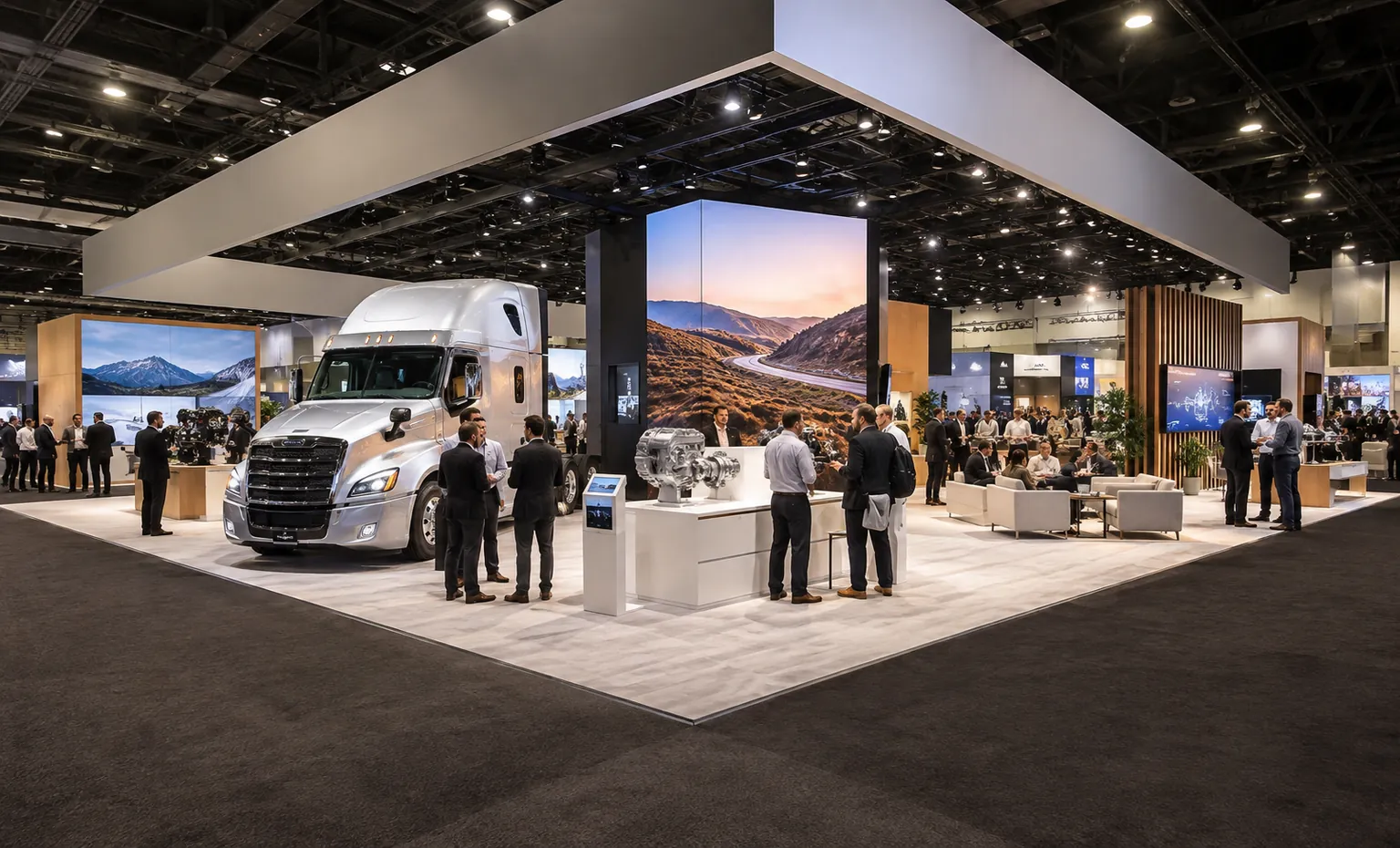
Sixteen hundred square feet for a multi-zone exhibit that may combine a major physical display, product families, demonstrations and private discussions.