
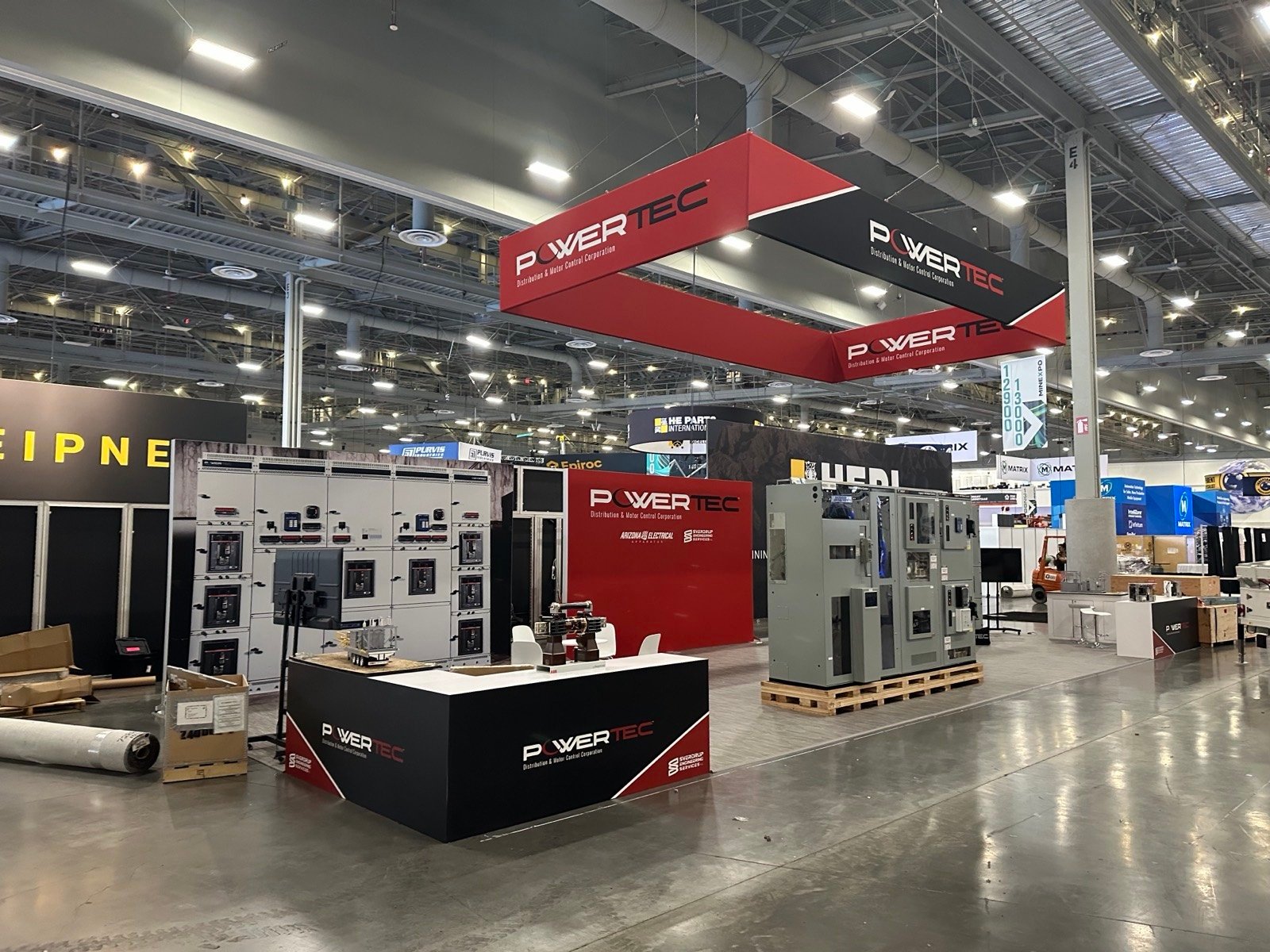

Connect the engine, control, sensor, deck machine, safety device, coating, component or service to a recognizable onboard, yard, port or offshore task.

Preserve the access, service, control and inspection sides that an operator, engineer or shipyard team needs to examine.

Place approved specifications, cutaways, samples, operating evidence or a short digital workflow where the buyer can compare them with the physical item.

Give fleet, yard, engineering, procurement and government teams a practical place to discuss compatibility, retrofit, project timing and next technical steps.
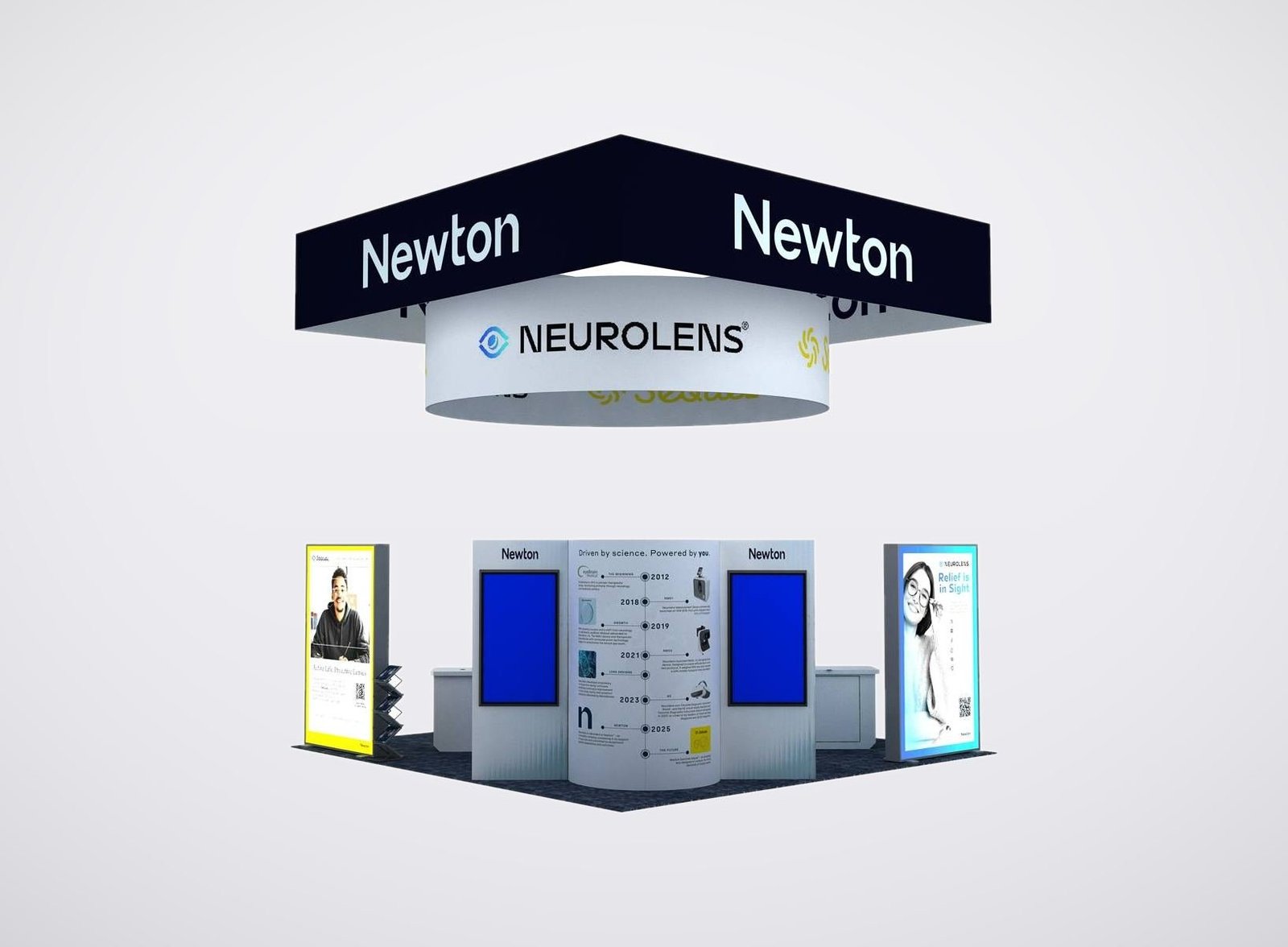
Choose the Exhibit Format by the Marine System You Are Selling
Engines, Propulsion and Below-Deck Equipment
Start with the complete product envelope rather than a catalog footprint. Record dry display weight, support points, service clearances, removable panels, fluids or batteries, operating state and the side buyers need to inspect. The exhibit can use controlled lighting, application graphics, cutaways and a nearby specification discussion without blocking maintenance access.
Deck Equipment, Hardware and Vessel Systems
Winches, cranes, controls, pumps, doors, handling systems and above-deck hardware need visible working relationships. A static unit may require a stable base and close inspection; a moving demonstration needs a defined operating envelope, supervision and current approval. Graphics should explain the job, load path or sequence without suggesting that the exhibit structure performs a certified marine function.
Electrical, Navigation, Controls and Communications
Helm-style consoles and technical counters can hold confirmed screens, sensors, switches, communication devices and control interfaces. Plan sightlines, reach, power, data, cable paths, processor storage and staff reset access together. The exhibit should help an operator understand the workflow while making clear that the demo is not an installed vessel system or regulatory approval.
Shipyard, Port, Maintenance and Underwater Solutions
Fabrication, repair, dry-docking, coatings, inspection, port infrastructure, ROV, diving and marine project-service exhibitors may sell a process rather than one portable product. Use a project sequence, sample, tool, model, operating interface or before/after condition to make the service concrete, then reserve a quieter table for scope, vessel, yard, contracting and schedule discussions.
A WorkBoat Exhibit for Technical Buyers Who Already Know the Operating Problem
Commercial-vessel operators, shipyards, boat builders, naval architects, engineers, port teams and public-sector buyers do not need a generic marine theme. They need to recognize the vessel, system or work condition your offer belongs to and decide whether the product deserves a closer technical review. A strong booth moves from that application to inspectable evidence without making the visitor decode a wall of product names.
King Exhibits begins with the product register and the conversation register. The product register records each item’s size, weight, support, access, operating state, utility and approved claim. The conversation register identifies quick walk-up demonstrations, engineering questions, fleet or yard meetings and the people qualified to answer them. These two records shape the 3D layout before rental walls, counters, screens, lighting and storage are selected.
The result may be a compact inline exhibit centered on one control or component, an island with several equipment families, or a larger layout around a heavy static unit. Product stations keep their service and viewing sides usable. Graphics connect each station to a commercial-marine task. Meeting space supports decisions that cannot be completed in the aisle, while concealed storage keeps tools, samples and personal items away from the technical display.
The International WorkBoat Show exhibit rental and the official show services are not the same purchase. King’s proposal covers only the design, rental components, graphics, selected custom interfaces and project support it names. Booth space, material handling, utilities, rigging, official labor and other organizer- or venue-controlled work remain separate unless the accepted quotation expressly assigns a specific item to King Exhibits.
Lead a WorkBoat Buyer from Application to Next Technical Action

Use the first message to identify the relevant tug, towboat, barge, ferry, passenger vessel, offshore asset, shipyard, port, government craft or other commercial-marine setting. The right buyer can then recognize fit before reading a product family list.
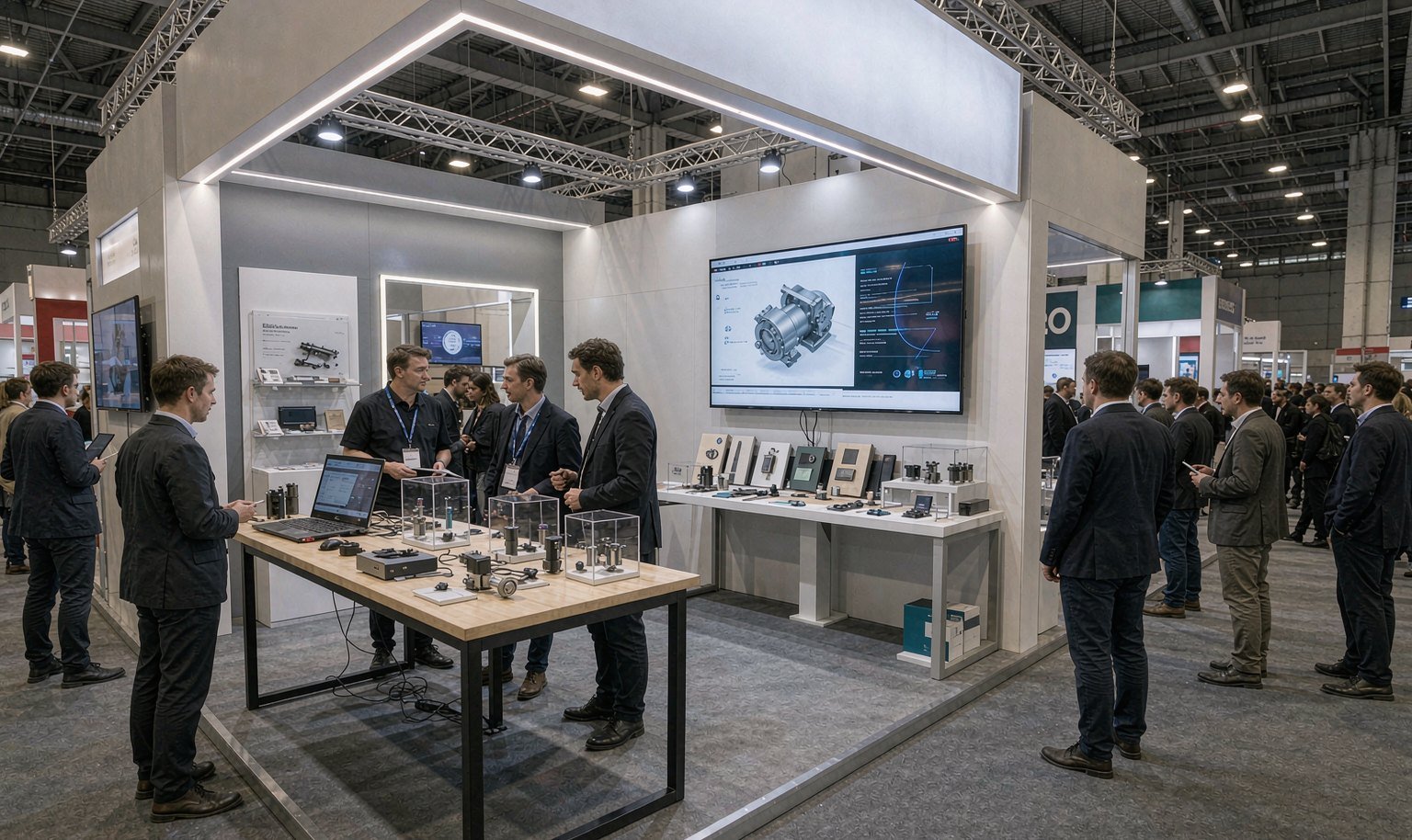
Put the control, service side, material, interface, movement or result in view. A large shell with no access can attract attention but still hide the reason an engineer or operator should stop.

Support the physical product with approved dimensions, capacity conditions, compatibility, maintenance access, test evidence, samples or a concise workflow. The exhibitor owns all technical and regulatory claims; the booth organizes them for review.
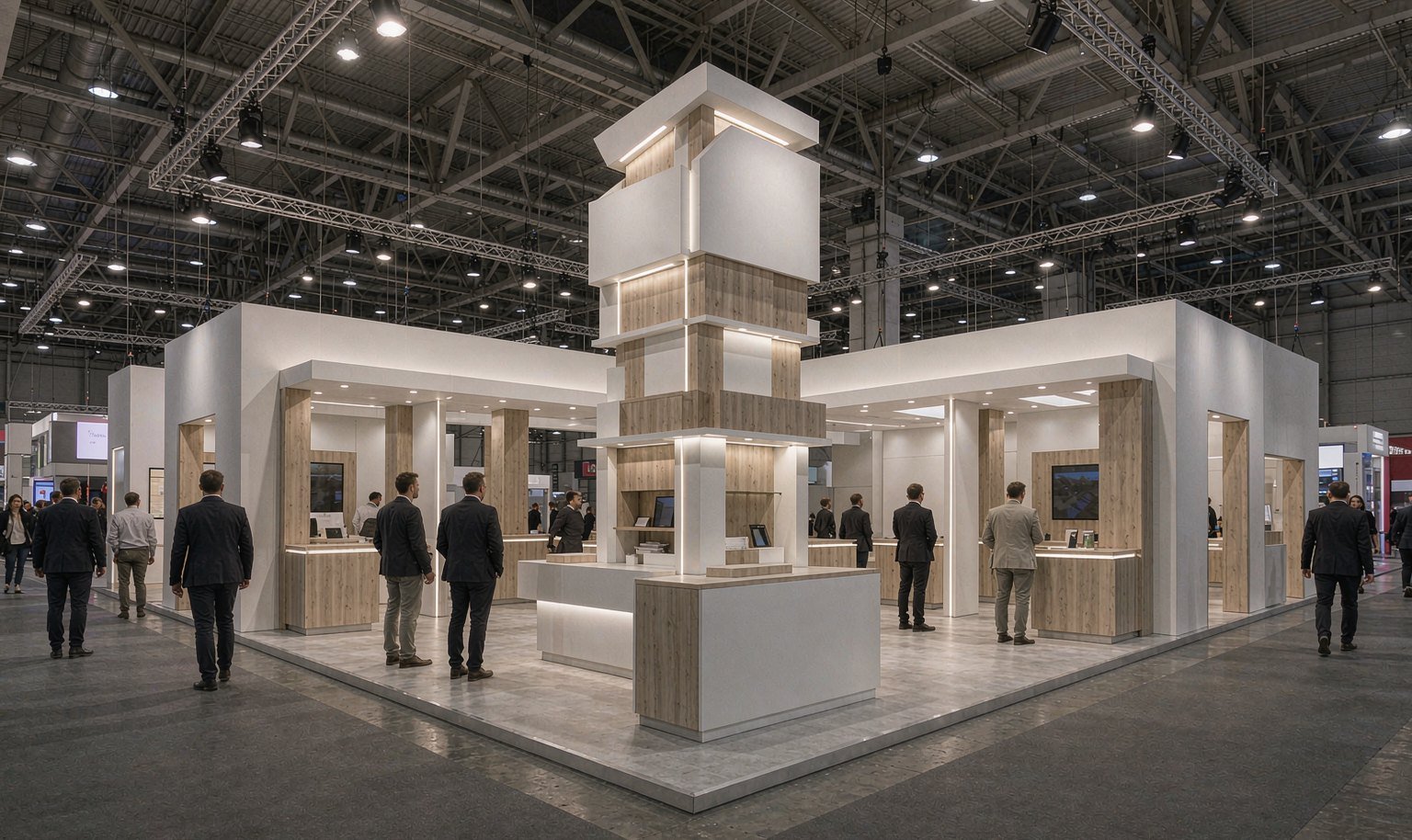
Move qualified visitors to the right specialist and record the vessel, fleet, yard, application or project detail needed after the show. A useful exhibit ends with a technical or commercial next step, not a badge scan without context.
Put the Component Back into Its Vessel Context
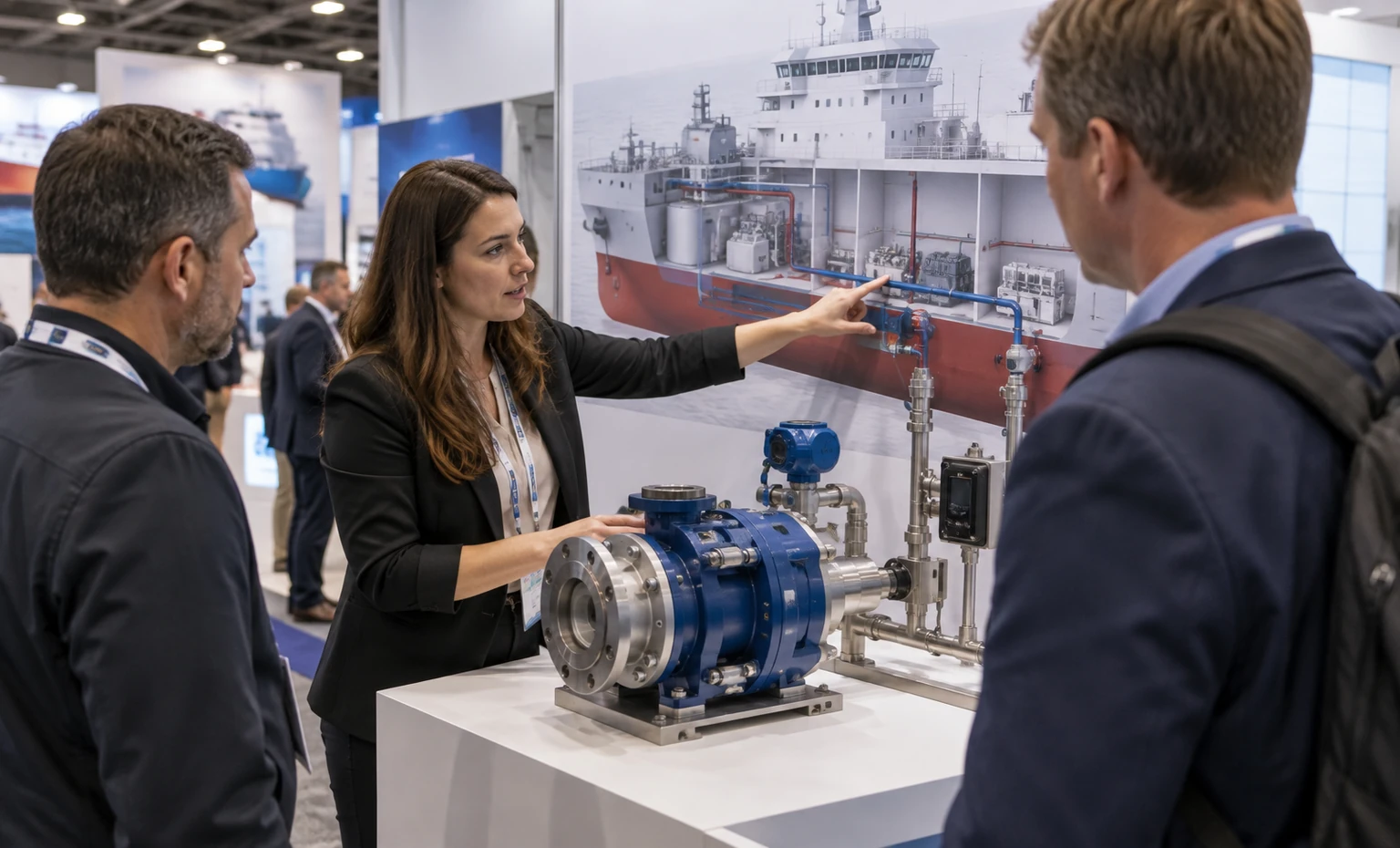
A loose pump, sensor, control or safety device can be technically impressive and still leave the buyer asking where it belongs. Use a section drawing, simplified system path or installed-location image beside the physical item. Mark the connections and access points the visitor should notice, then keep the real component within reach. The display becomes a short technical explanation instead of a decorative shelf, while approved claims remain tied to the exhibitor’s own engineering information.
Close the Heavy-Equipment Interfaces Before the Booth Structure
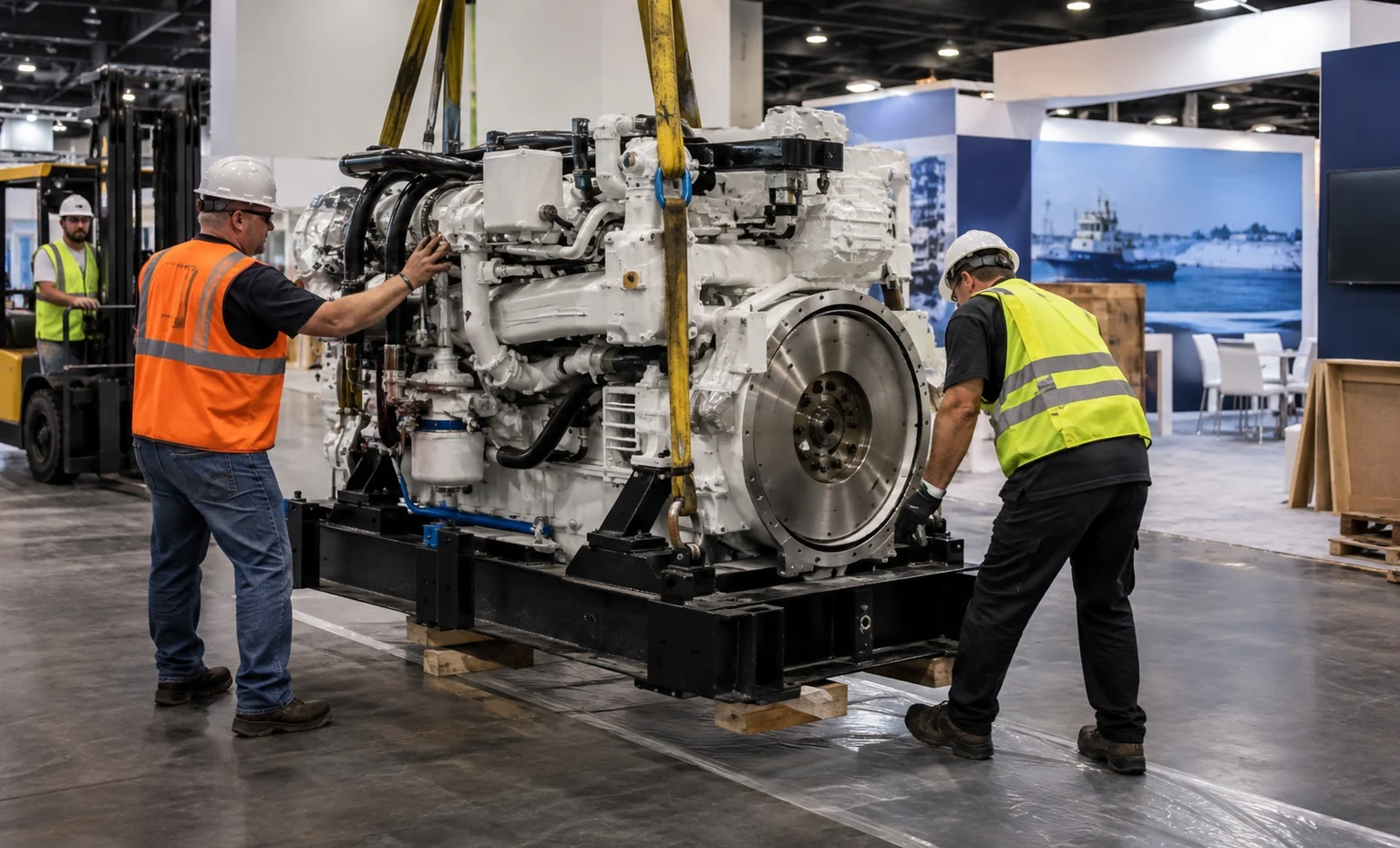
An engine, winch, machinery skid or large assembly affects more than floor area. Confirm its packed and display dimensions, weight, support method, center of gravity if relevant, unloading route, final placement, operating state and removal plan. King Exhibits can plan nearby rental elements only from that accepted record. Freight receiving, material handling, lifting, utilities and equipment operation stay with the parties named in the current show documents and written project scope.
Separate the Walk-Up Demonstration from the Engineering Review
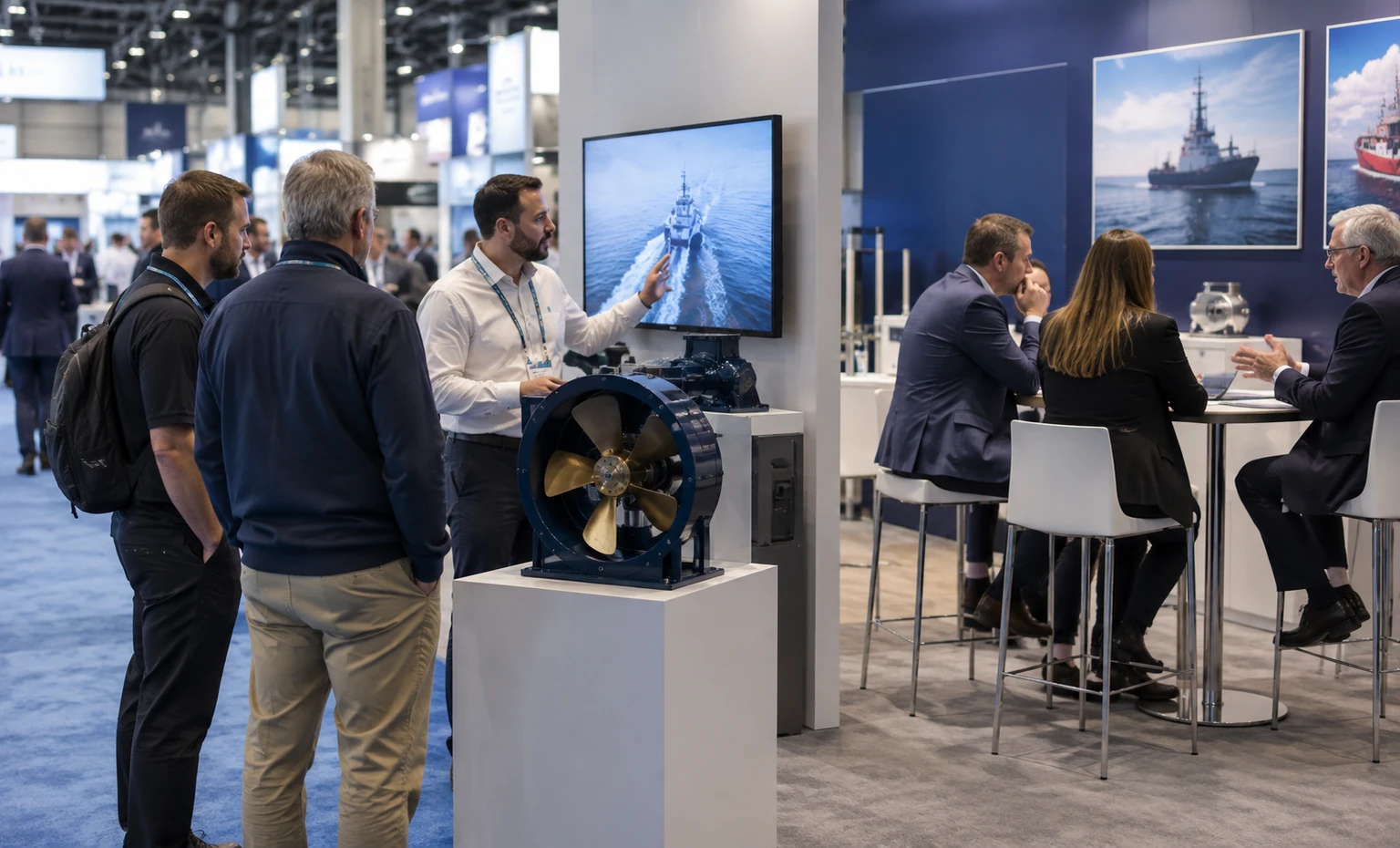
One station should answer one visible question in a few minutes: what the product does, what changes for the operator or how the interface works. Deeper compatibility, retrofit, class, fleet or yard discussions need the right specialist and a different pace. Place the detailed screen, samples or specification table close enough for a natural handoff but outside the demonstration queue. Staff can repeat the public proof while qualified buyers continue without blocking the aisle.

Review the Product, Proof and Project Scope in One 3D Booth Plan
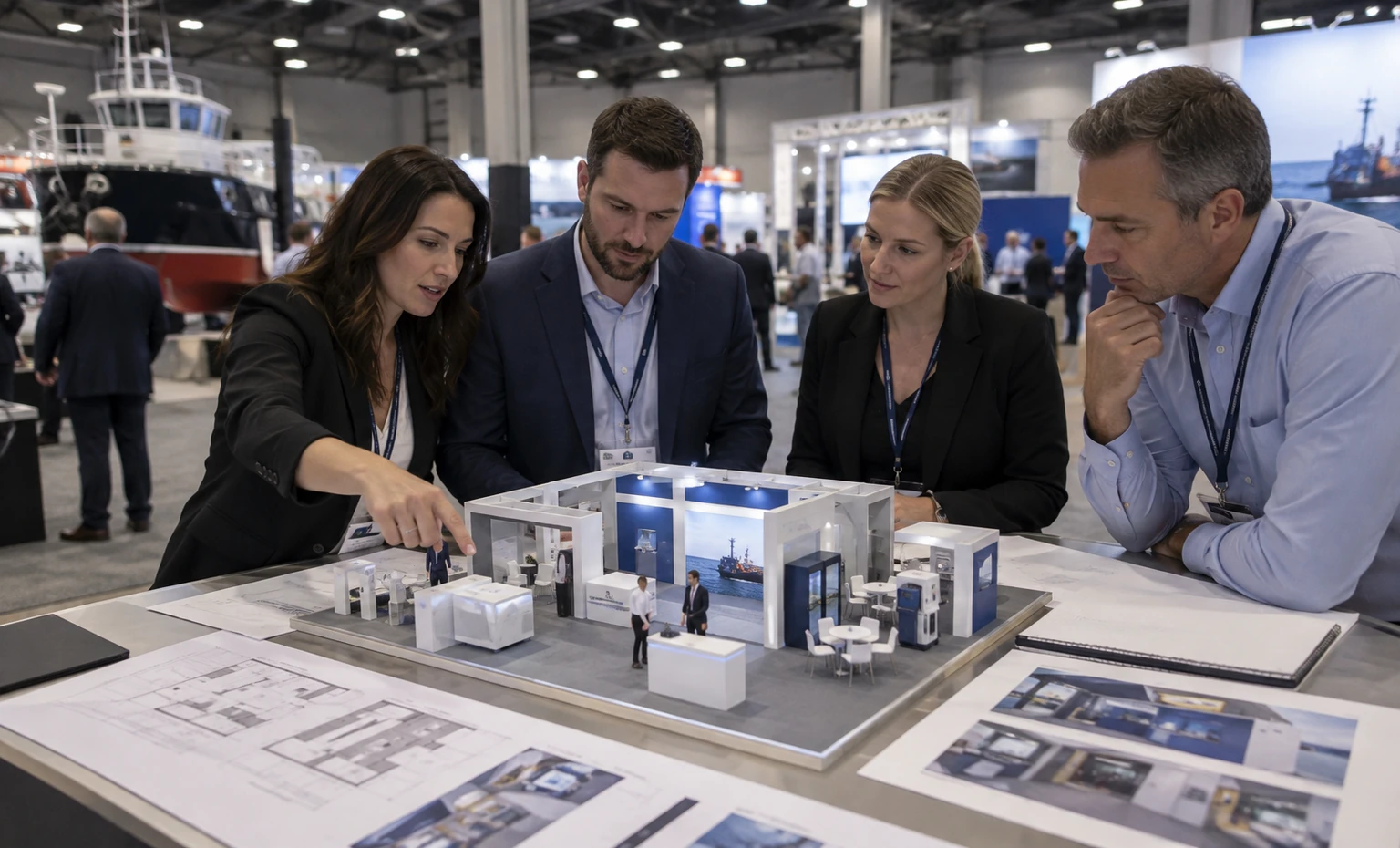
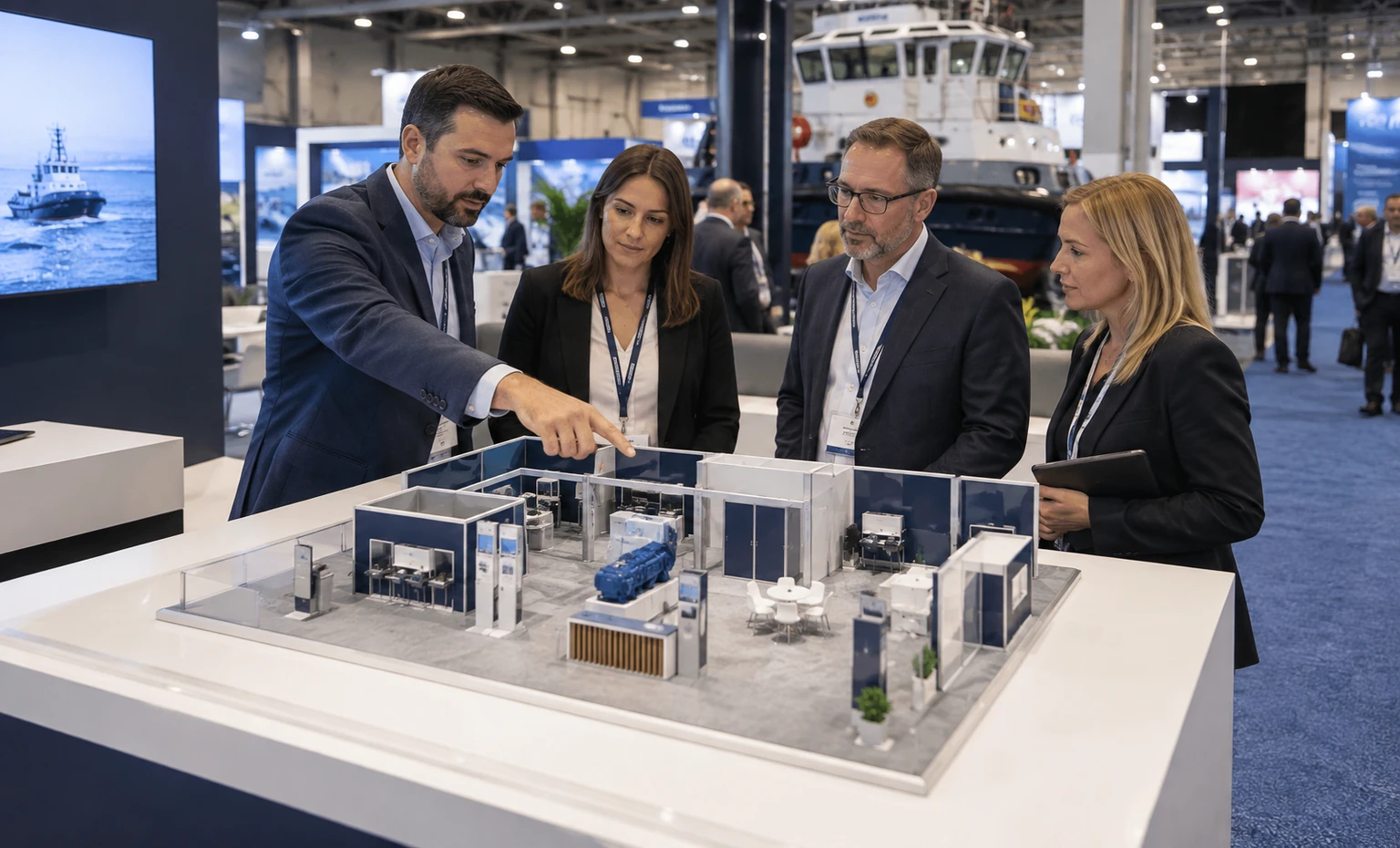
King Exhibits places the confirmed product envelope, visitor side, service side, demonstration, screens, meetings and storage into one 3D direction. Marketing can check brand visibility, product specialists can check access and operating logic, and the event team can check circulation and staffing before the booth elements are released.
Rental architecture and graphics are selected around that approved arrangement. When a product needs a mount, surround, opening or work surface beyond standard components, its dimensions, weight, access and function must be confirmed before selected custom work is quoted. The same station names can continue into graphics, component labels and packing information so the show team recognizes where each item belongs.
The written proposal also separates King Exhibits work from exhibitor-supplied products and content, official material handling, venue utilities, rigging, show labor and other authorized services. Procurement can review what the booth includes, what must be ordered elsewhere and which decisions still depend on current event information.
Confirm the Current WorkBoat Show Interfaces Before Production Release
Use the contracted booth number, dimensions, open sides and current floor plan. Do not design from a preferred location or last year’s assignment.
List every static, powered, moving, heated, pressurized, fueled, battery-operated or networked item. Obtain the current approvals and specialist input that its actual state requires.
Use the active exhibitor resources to confirm receiving, target or priority movement, material handling, labor, EAC and move-in responsibilities. King’s scope should name only the work it has accepted.
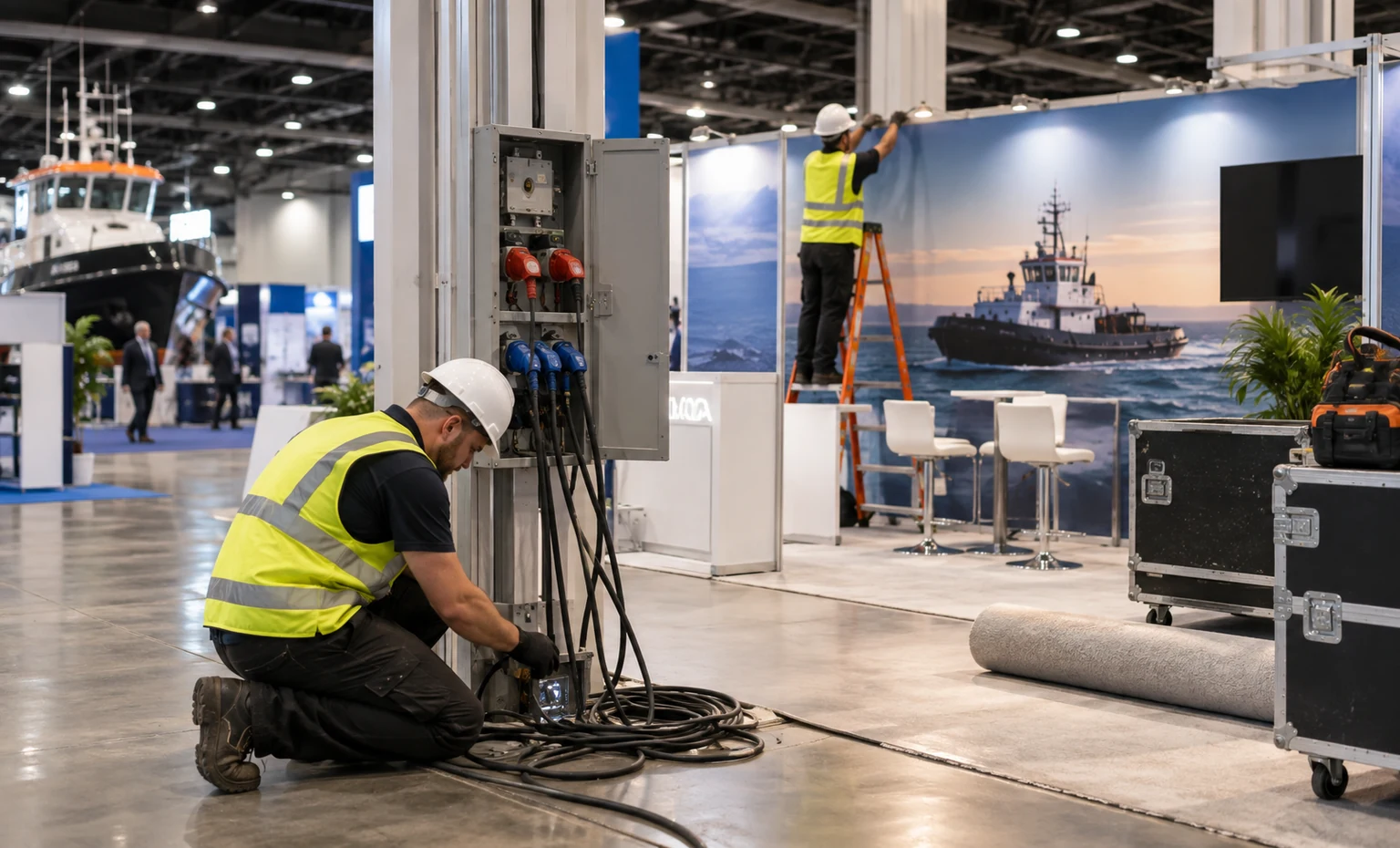
Place electrical, internet, plumbing, air, water, audiovisual and rigging requirements from the final product layout, then order them through the currently authorized channel. The current venue and event documents control service responsibility.
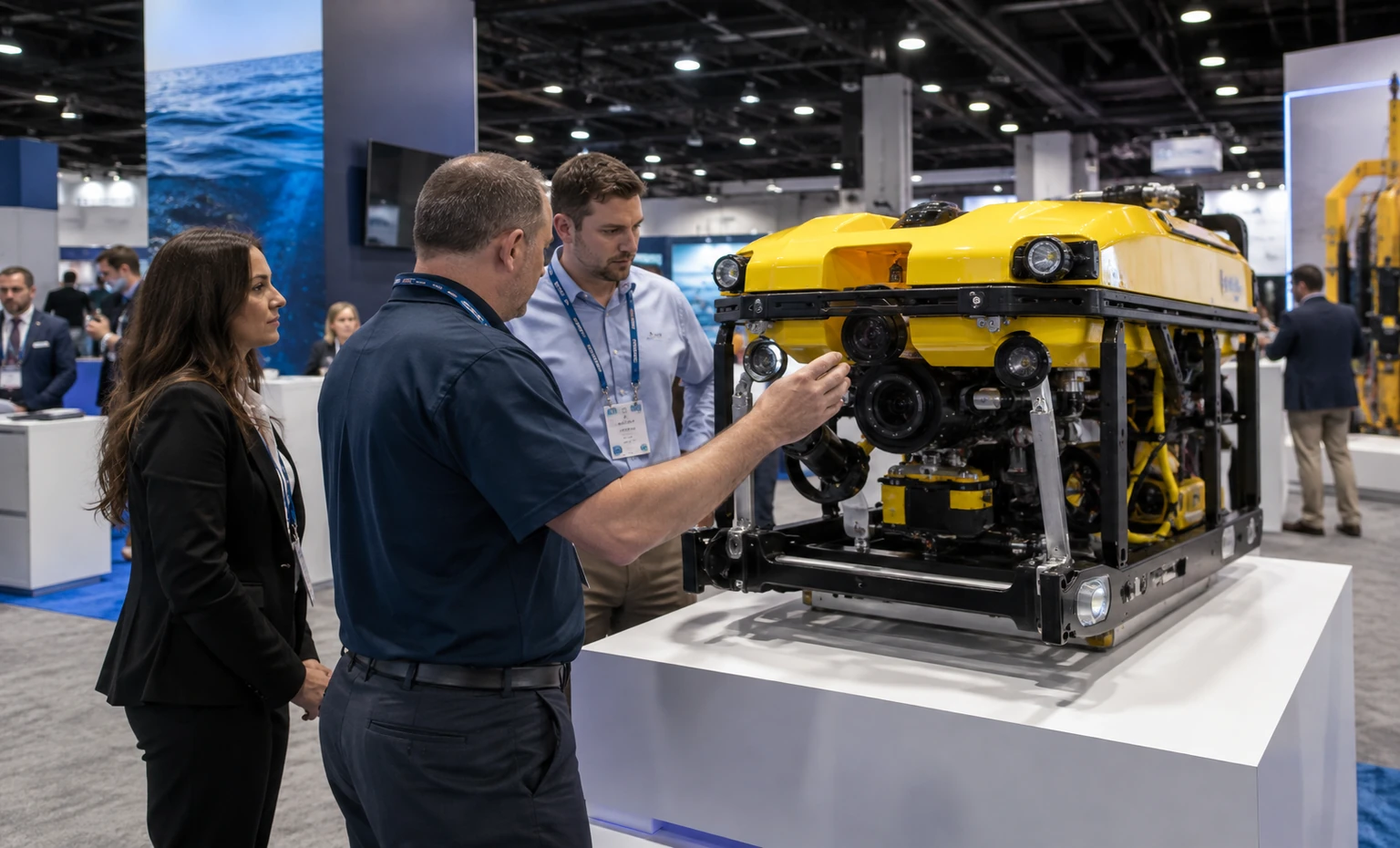
If the company is exhibiting in the co-located Underwater Intervention area, confirm the actual pavilion assignment, audience and resource set before adapting the standard WorkBoat layout or messaging.
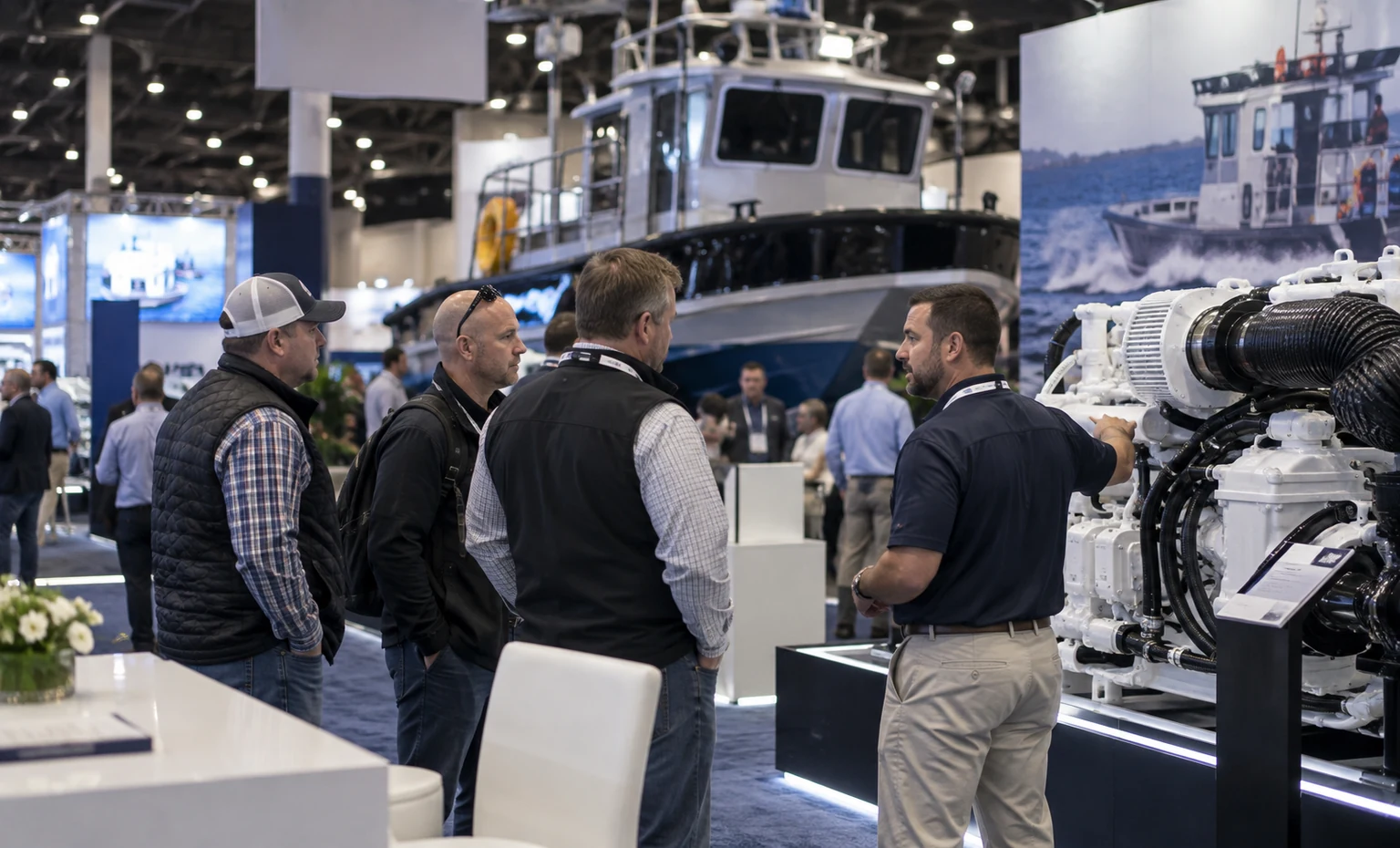
Move from Marine Product Record to WorkBoat Show Floor
What You Provide: Edition, booth number, size, open sides, hall, target buyers, budget and requested services.
What We Do:
What You Provide: Product names, dimensions, weights, supports, operating states, visitor and service sides, approved claims and technical contacts.
What We Do:
What You Provide: Demo sequence, power/data/air/water, screens, samples, specialists, meeting needs, privacy, storage and staffing.
What We Do:
What You Provide: Brand files, content approvals, layout feedback and purchasing review.
What We Do:
What You Provide: Current exhibitor resources, service orders, shipping plan, EAC/COI information when applicable, and confirmed responsibility owners.
What We Do:
What You Provide: Final approvals, products, approved technical content, onsite contacts and access information.
What We Do:
Yes, when the assigned space, current event rules and approved handling plan support it. Send packed and display dimensions, weight, support points, center of gravity when relevant, unloading method, final position, inspection side, operating state and removal plan. The rental structure can then be planned around the confirmed equipment position without implying that King supplies official lifting or material handling.
Yes, after the devices and interfaces are defined. Provide screen and control dimensions, viewing and reach requirements, mounting details, power, data, cable paths, processors, software, reset access and the staff member responsible for operation. We can quote the display environment; the exhibitor remains responsible for product performance, technical claims and required approvals.
Only when the accepted proposal expressly lists a specific item. The WorkBoat preliminary guide identifies Freeman as the official general contractor and the venue as the official utilities provider for the current event. Final responsibility, ordering and pricing must follow the active exhibitor resources. King’s booth work and third-party show charges should remain visible as separate lines.
Yes. Send the demonstration duration, expected queue, specialist roles, peak concurrent meetings, attendees and privacy needs. The 3D plan can keep the public proof close to the aisle while moving specification, retrofit, contracting or program discussions to a quieter table or room. Meeting capacity must be balanced against product access and storage.
The planning method can be adapted, but the pavilion assignment and audience must be confirmed. Underwater Intervention serves subsea, ROV, diving, offshore and underwater-operations communities within the co-located event. Send the actual contract and product focus so the exhibit message, equipment interfaces and current service requirements can be checked for that area.
Send the edition, booth number and size, open sides, product register, dimensions and weights, operating or demo state, utility and handling needs, target buyer, meeting plan, graphics, screens, storage, freight method, budget and the delivery or onsite responsibilities you want King Exhibits to quote. We will return a 3D direction and a proposal with stated inclusions and exclusions.
Booth Sizes for Marine Equipment and Technical Meetings
-
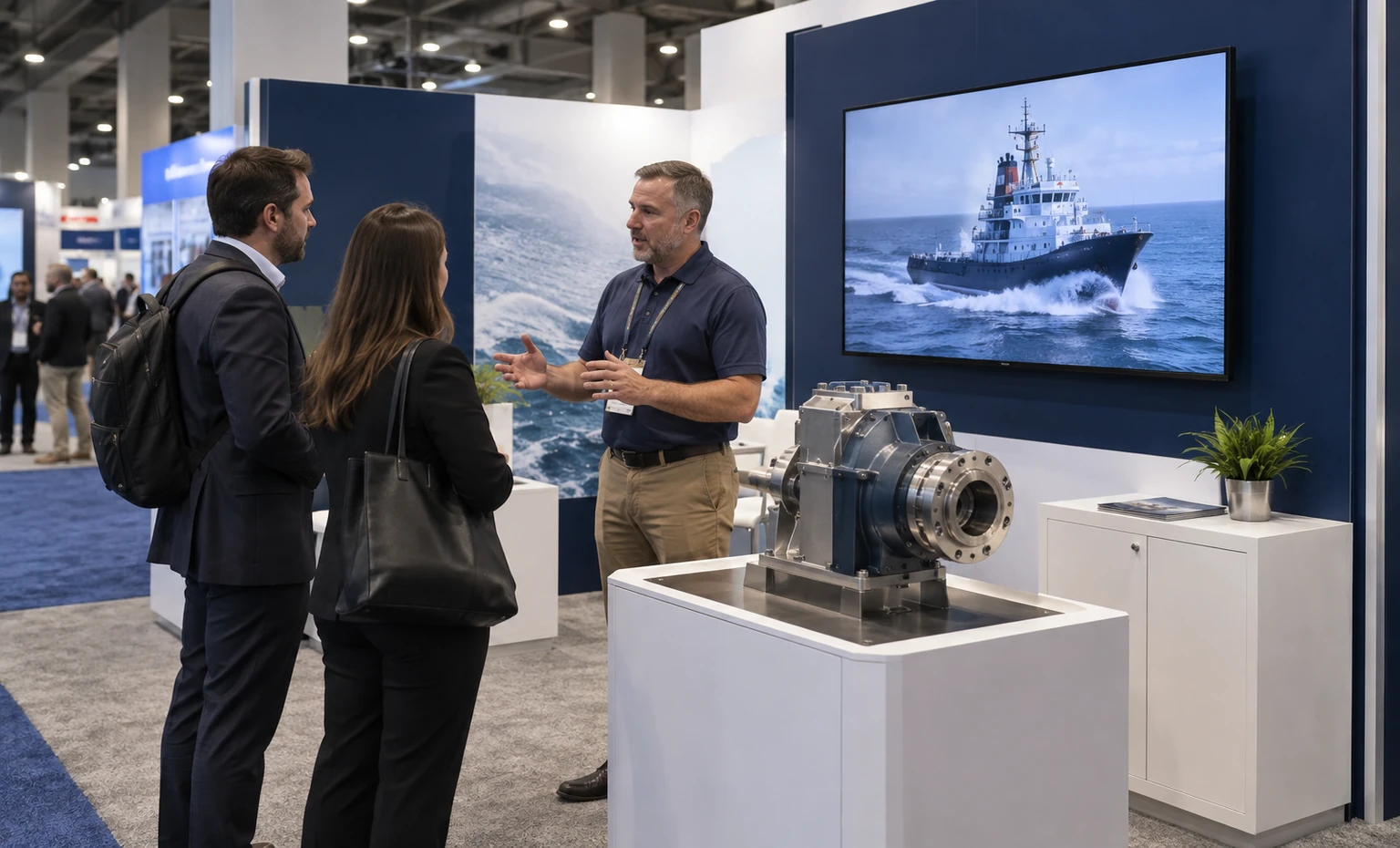
Fits one focused control, component, material or service workflow with a screen, compact storage and a short specialist conversation.
-
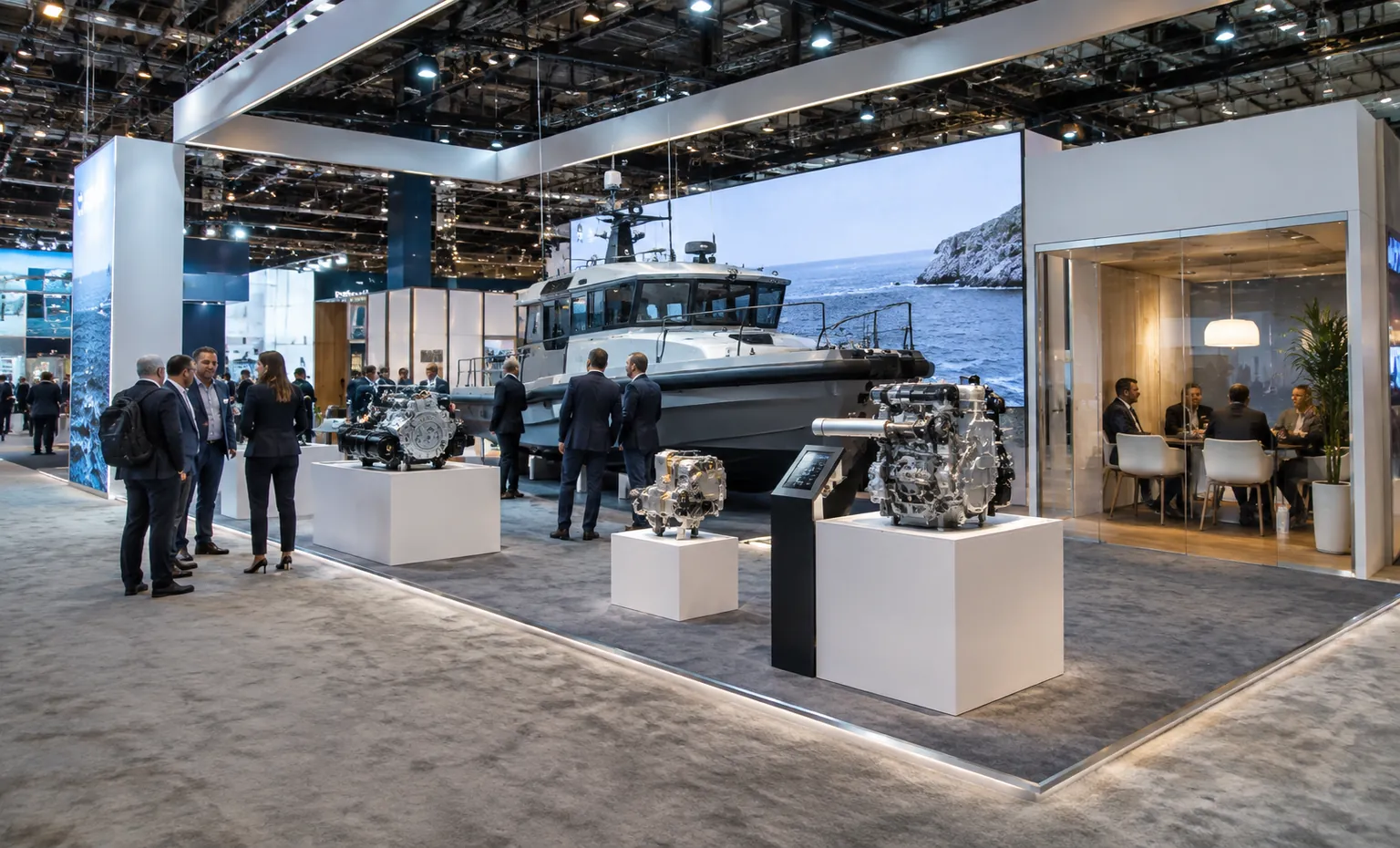
Supports a larger static product, several related systems, more working clearance and a separated technical meeting area.
-
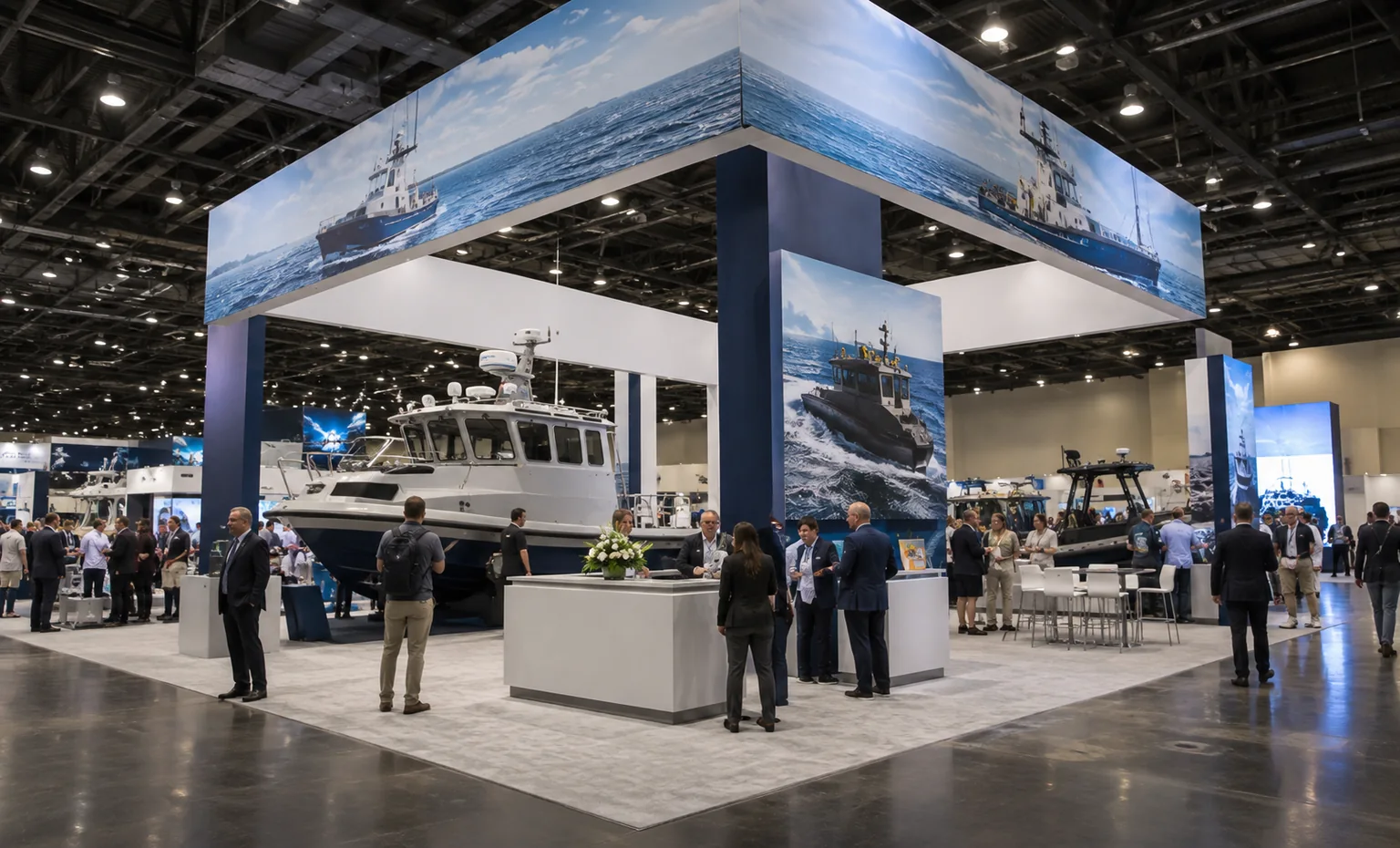
Provides multiple access sides for heavy equipment or product families, stronger long-range graphics, concealed support space and private fleet or yard meetings.