
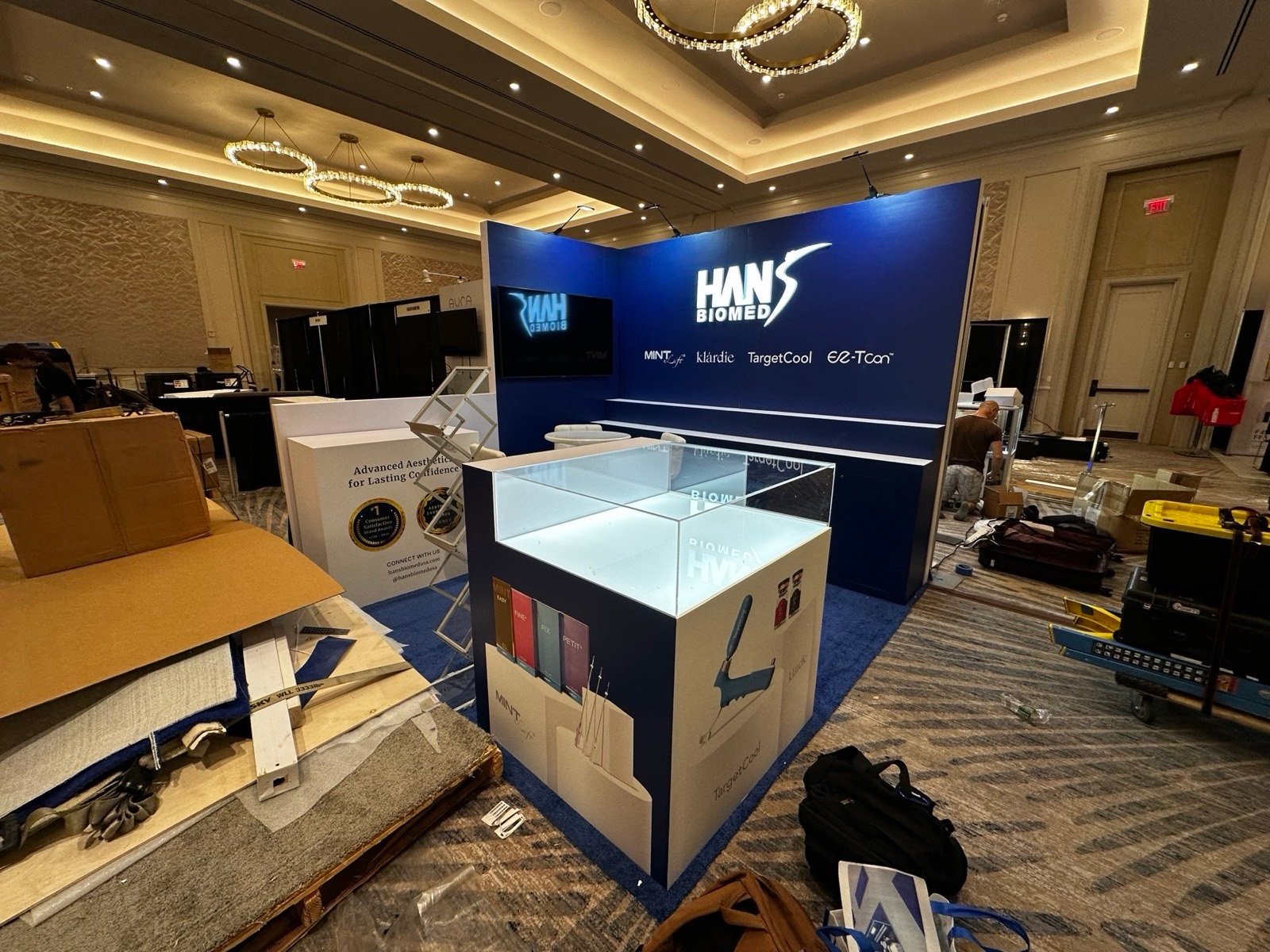


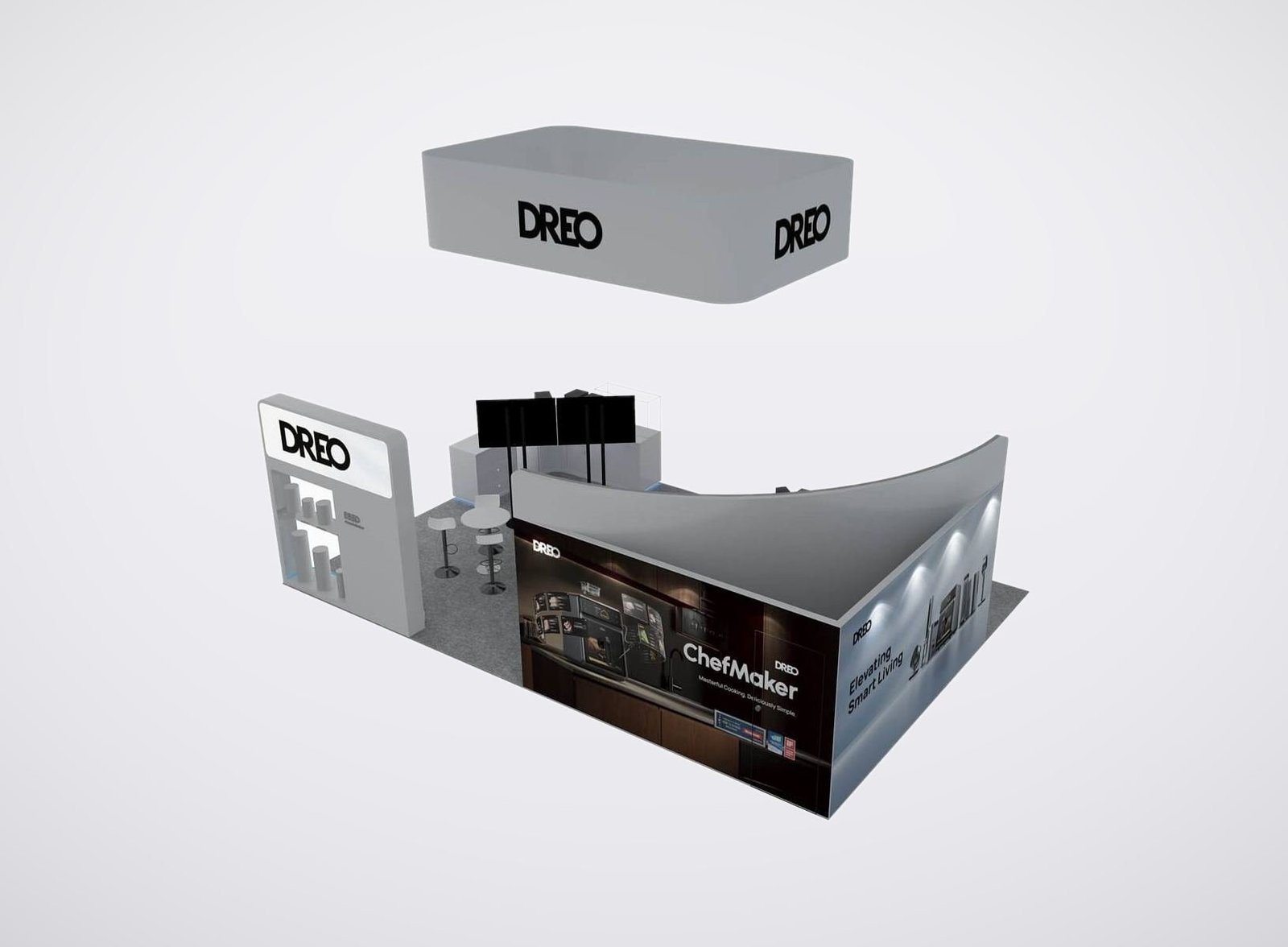
Three Plans That Shape an ASH Booth
Message and Content ReleaseDefine the visitor, approved offer, permitted claims, asset owner, review status, replacement cutoffs and fallback content before graphic production. Structure and replaceable media should not be treated as one irreversible approval.Demonstration and Technical InterfaceDocument each device, screen, sample display, operator position, viewing distance, power or data point, heat or noise consideration and proposed activity. The quote should identify which services are included, ordered through an official provider or supplied by the exhibitor.Staff, Crowd and Meeting FlowEstimate how visitors stop, how many can watch, who qualifies them, where specialists stand and whether a scheduled conversation needs visual separation. The booth footprint must contain the activity and its audience.
A Hematology Exhibit Planned for Approved Promotion and Real Questions
The ASH Annual Meeting and Exposition brings professional hematology audiences and exhibiting organizations into one high-density environment, but a booth is not an unrestricted education room. Current 2026 rules distinguish permitted promotional presentations about an exhibiting company’s products or services from prohibited CME and scientific or educational presentations in the exhibit hall. They also require interviews, demonstrations, literature, samples and attracted crowds to remain within the booth.That changes the design brief. Media must face inward, sound must stay controlled, a demonstration needs its own audience footprint and staff routing must happen before a queue forms. King Exhibits can plan and produce the physical environment within the accepted scope. Your authorized medical, legal, regulatory and event teams remain responsible for claim accuracy, product status, content approval, activity approval and final organizer compliance.Current event facts and rules are cited in the source notes and were checked on 2026-09-07. They must be rechecked against the active exhibitor manual and organizer guidance before production or publication.
Plan the Booth Around What Your Hematology Buyer Needs to Evaluate

Create a short path from disease-area relevance to the approved product or platform story, then route detailed questions to the correct trained representative. Keep claim-heavy media replaceable until the authorized review is final.
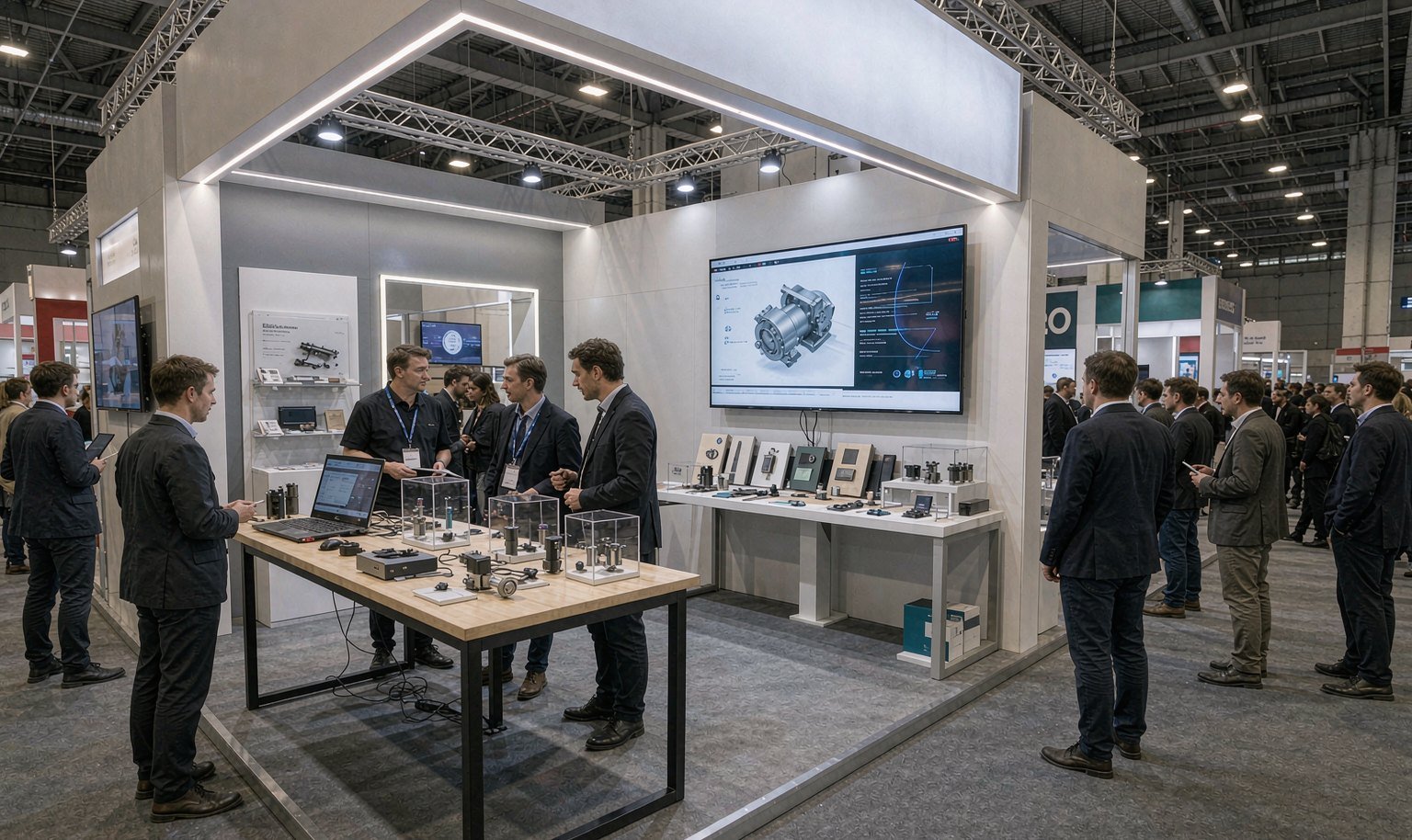
Give instruments, analyzers, assays, software or workflow demonstrations enough operator space, viewing distance, utilities and conversation room. Define what is live, simulated or display-only before technical design.
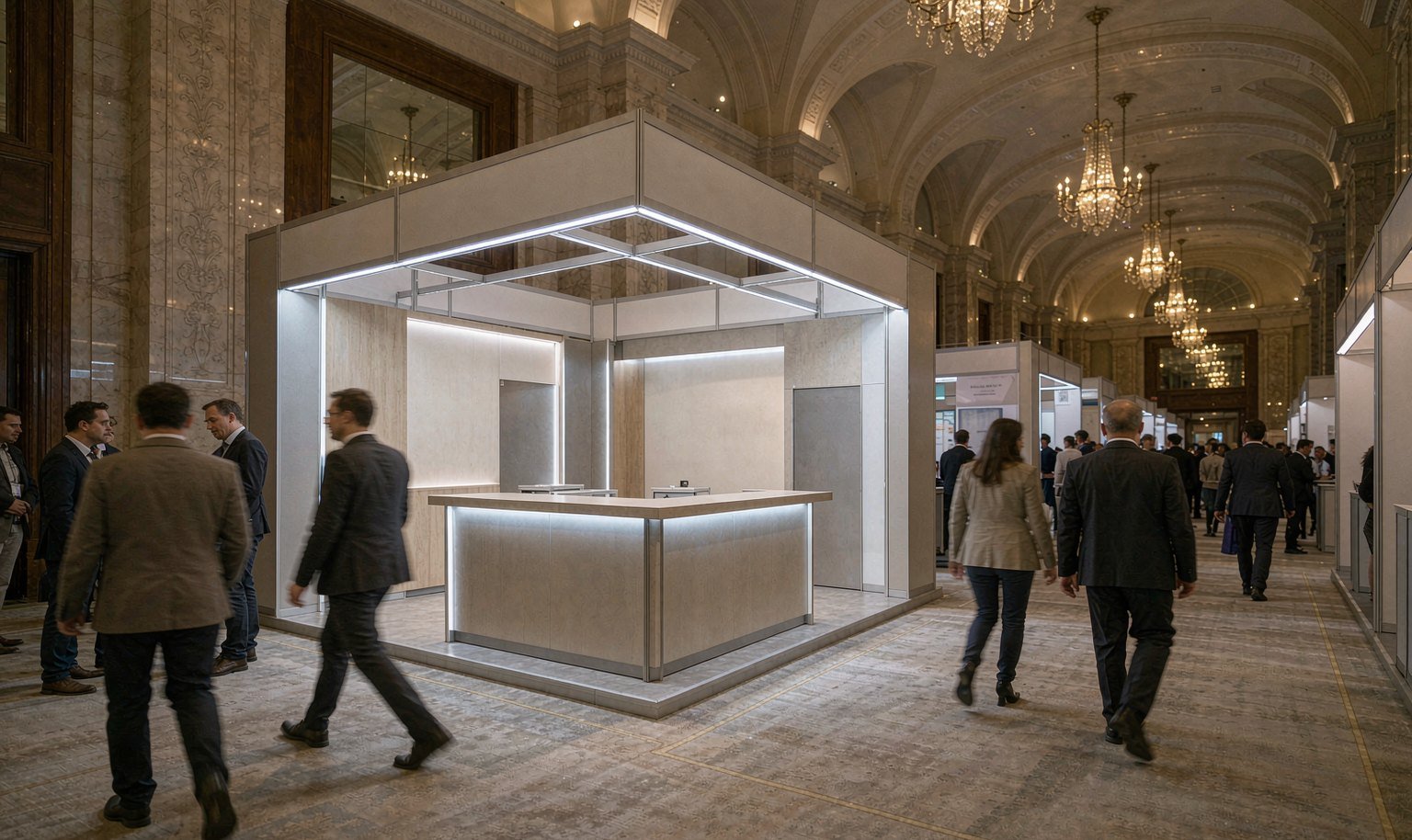
Show how the device, collection system, support solution or service fits an intended professional workflow. Plan safe reach, equipment protection, visitor orientation and next-step qualification without implying an unapproved use.
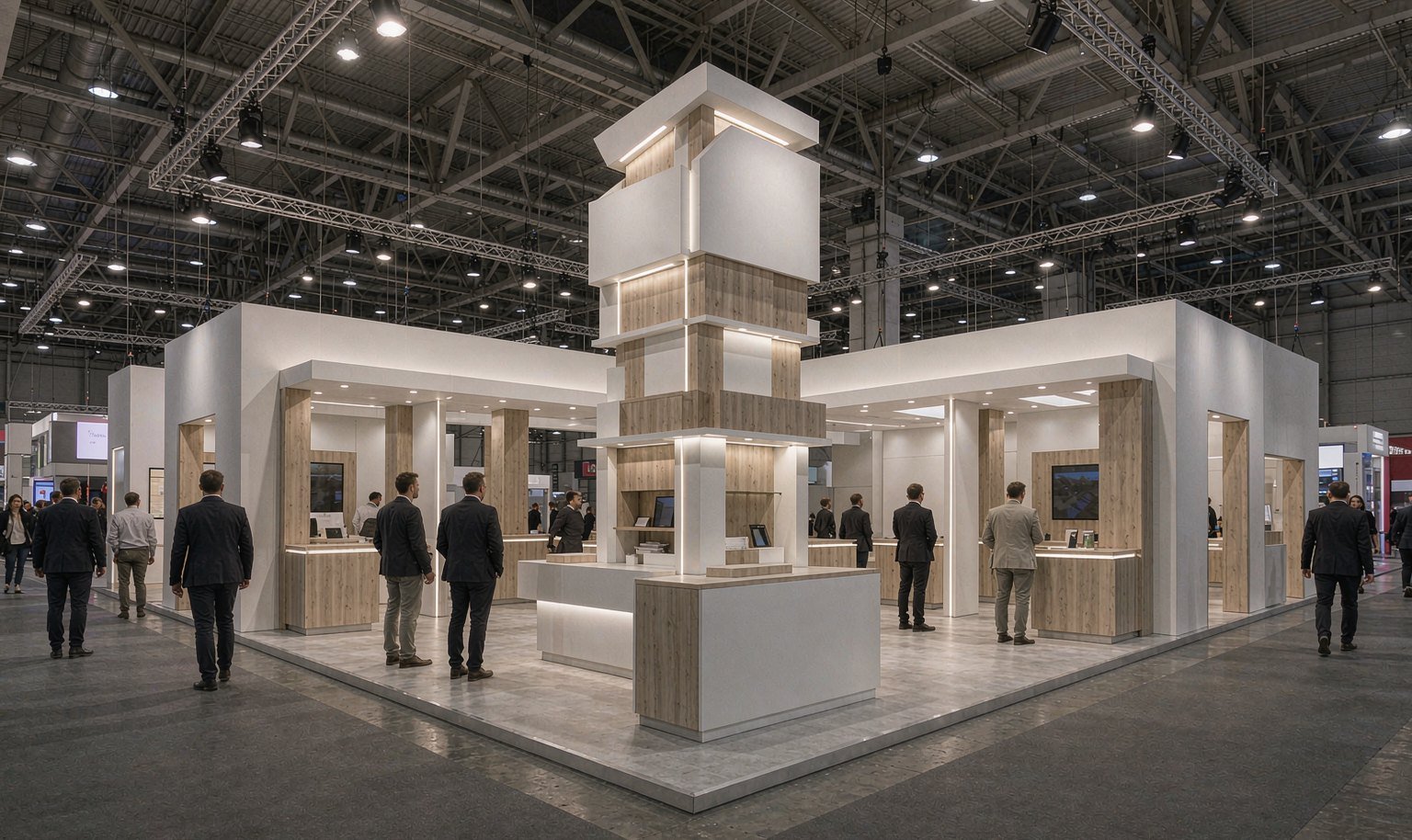
Make the offer legible without borrowing a product-launch layout. Use a clear problem, deliverable, audience, proof boundary and next step for clinical research, technology, data, recruiting, publishing, education-support or mission-led conversations.
Let the Hematology Problem Lead the Product Name
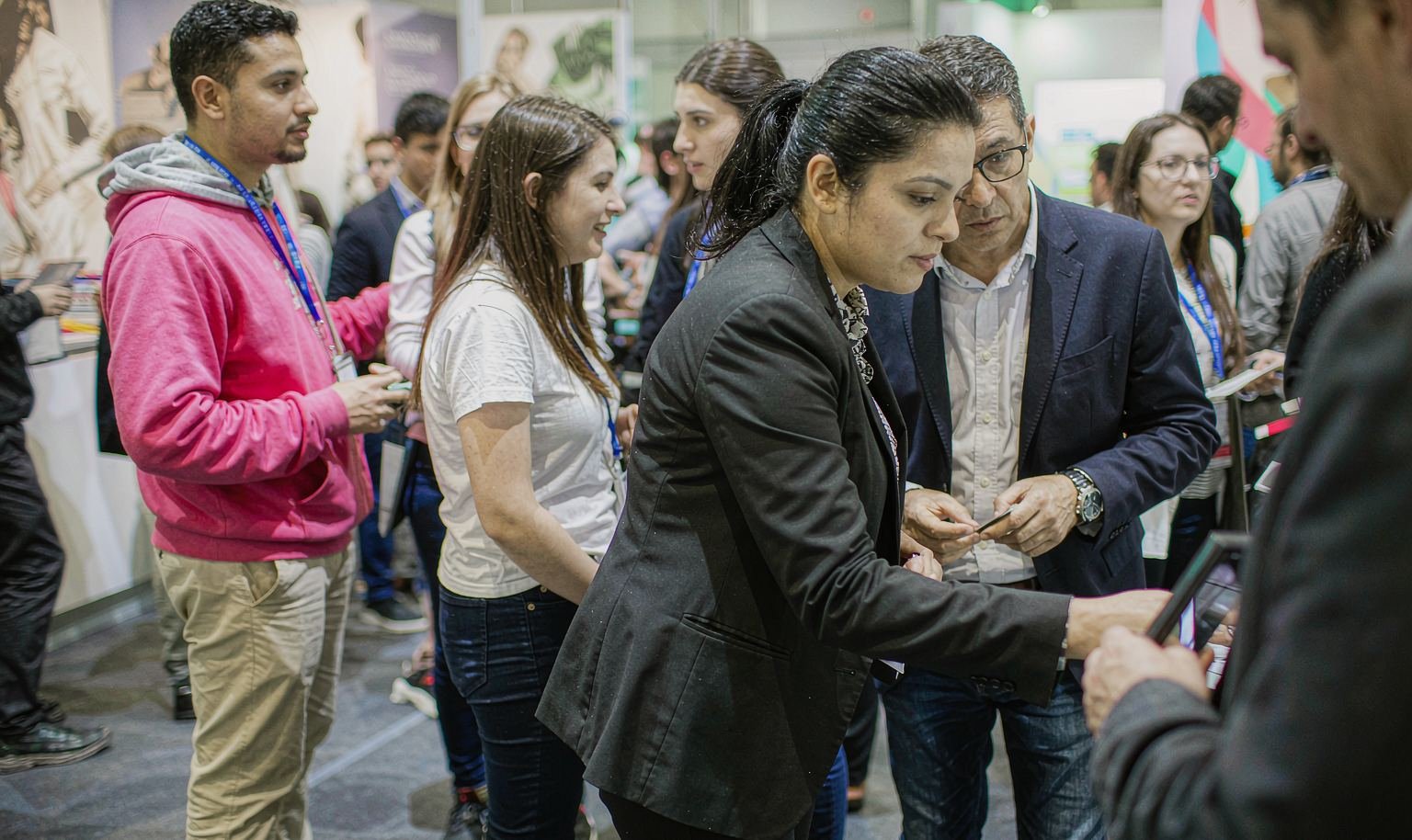
An ASH visitor may recognize a disease area, diagnostic bottleneck, laboratory workflow or care-setting problem before recognizing your brand. Put that familiar problem at the first decision point, then reveal the approved product, platform or service response. This ordering helps qualified visitors self-select and gives staff a useful opening question. It also prevents a large logo or unexplained product name from consuming the booth’s most valuable sightline without helping the buyer decide whether to stop.
Keep Every Demonstration and Its Audience Inside the Footprint
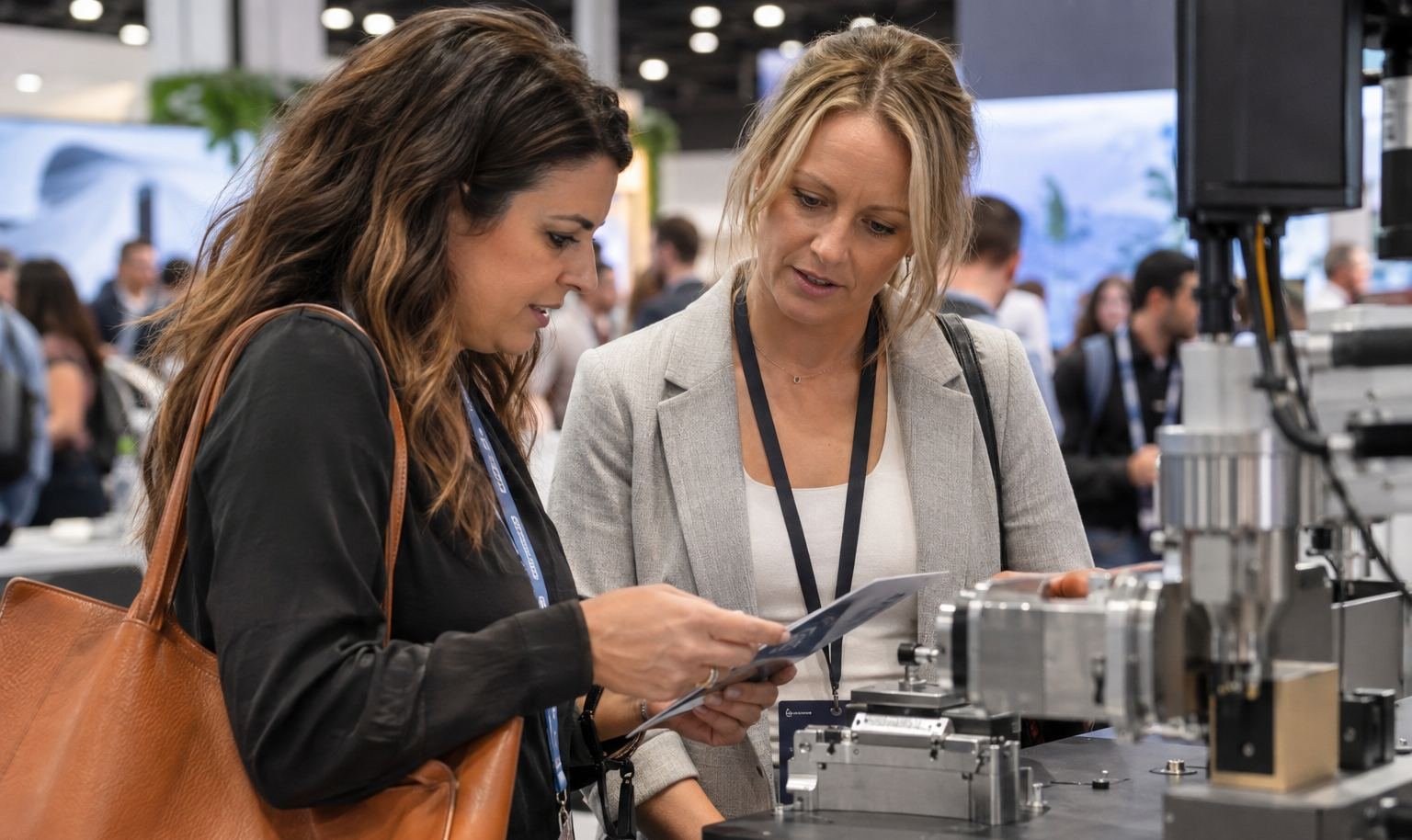
A demonstration zone is more than a counter and screen. It needs an operator position, equipment clearance, sight distance, utilities, a defined audience area and an exit path back into the booth. Current ASH rules place both the activity and attracted crowd inside the contracted space. Planning those dimensions together reduces the chance that an interesting demonstration creates an aisle queue, blocks an adjacent sightline or leaves staff unable to continue one-to-one conversations nearby.
Separate the Physical Release From the Approved Content Release
Medical, legal and regulatory review can continue after the main structure must enter production. Reduce rework by locking durable elements first: footprint, access, counters, storage, equipment interfaces, lighting locations and replaceable graphic zones. Treat claim-heavy panels, video and presentation files as controlled assets with owners, approval states and final handoff dates. This lets the physical build progress without suggesting that King can approve content or that an unreviewed message is ready for public use.

One Physical Plan From 3D Direction to Post-Show Handling
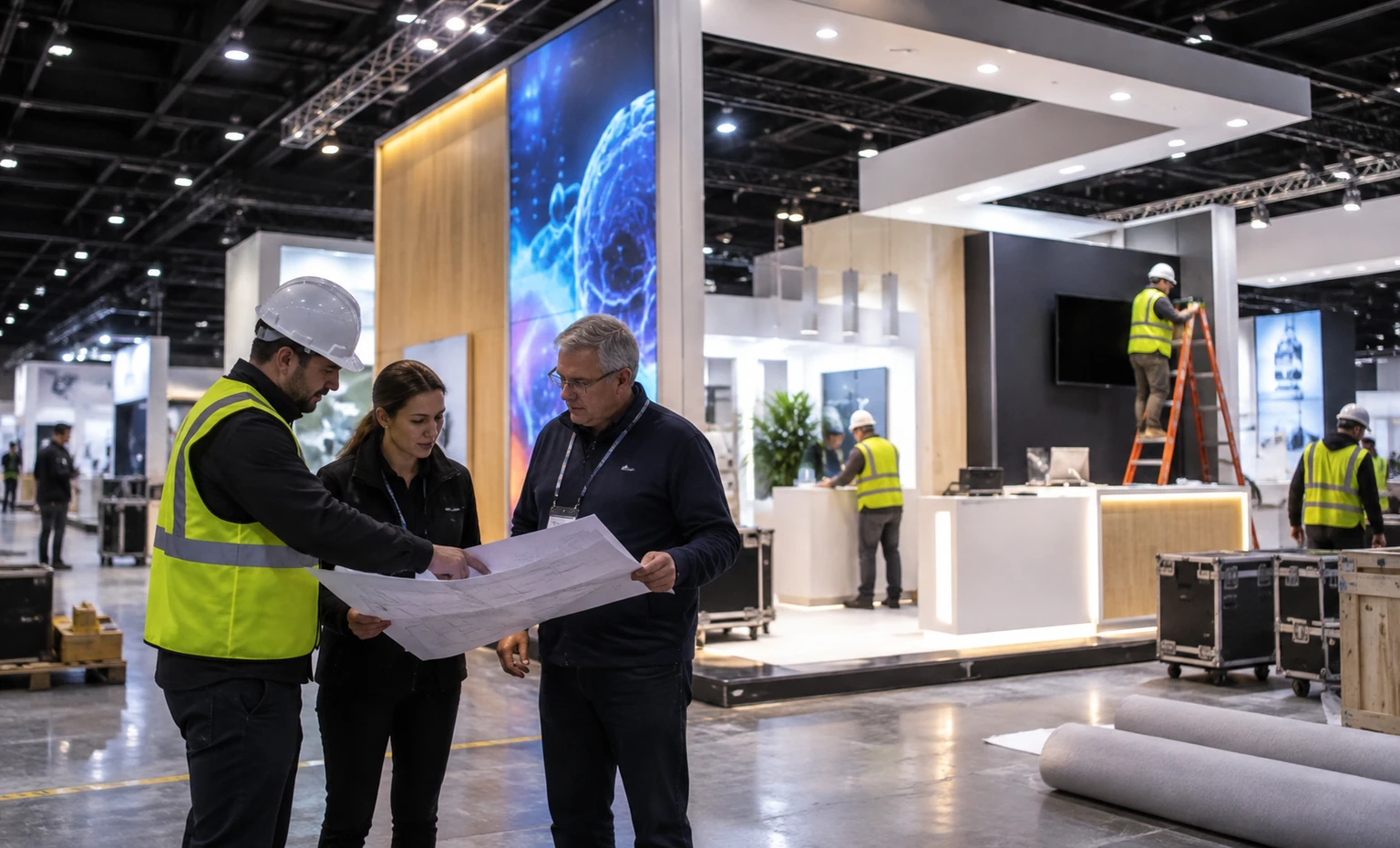
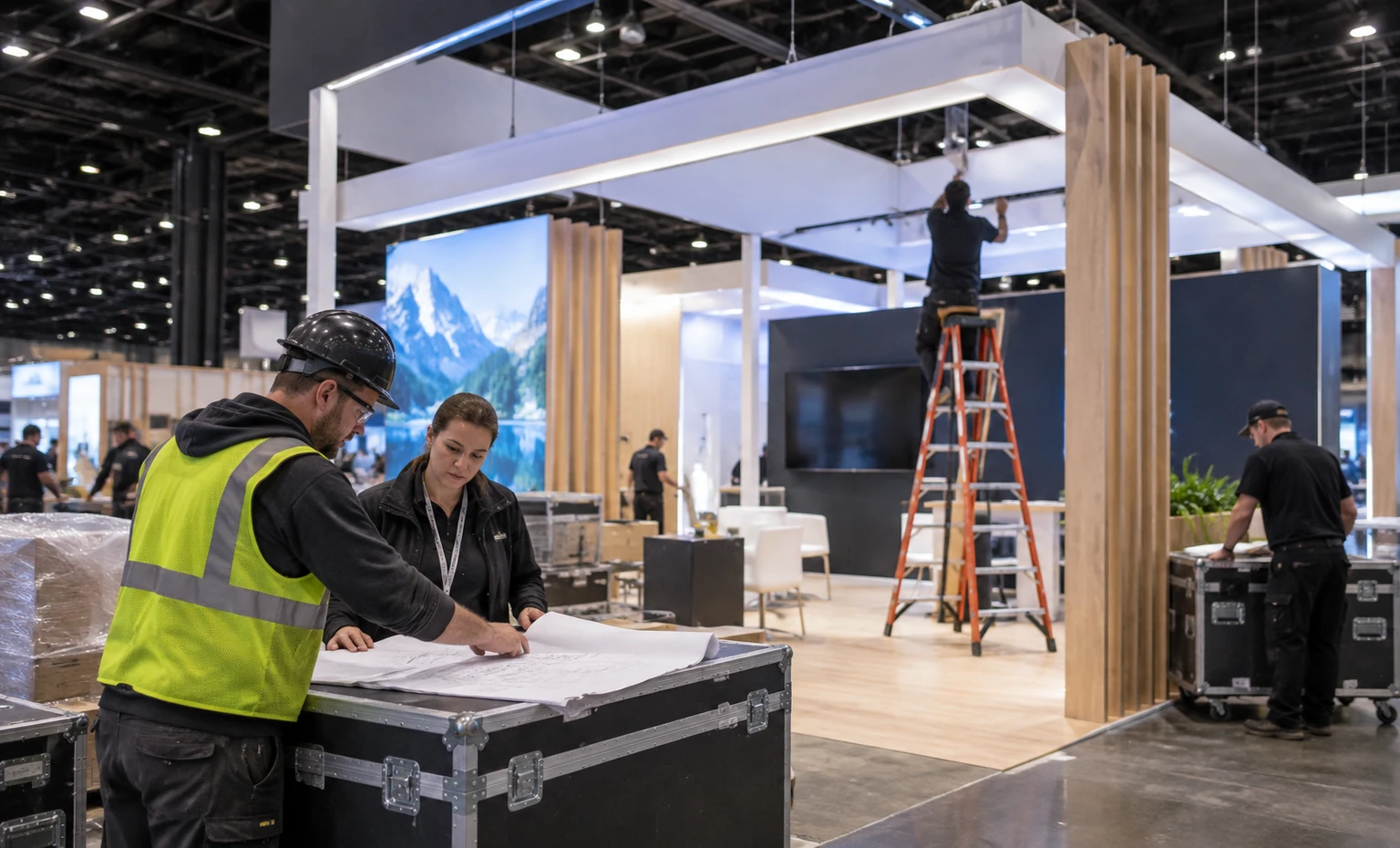
King Exhibits publicly presents capabilities covering booth design, custom fabrication, rental systems, graphics and LED/AV, show logistics, installation and dismantling, project management and post-show storage. For an ASH project, those capabilities can be assembled around one approved brief, one technical plan and one itemized scope rather than assumed as an all-inclusive package.The accepted quotation should identify the exact structure, rental or custom components, graphics, media interfaces, freight, labor, on-site work, official-provider services and post-show handling included. Organizer approvals, venue or official-provider orders, exhibitor-supplied assets and any work outside the quotation remain named dependencies.
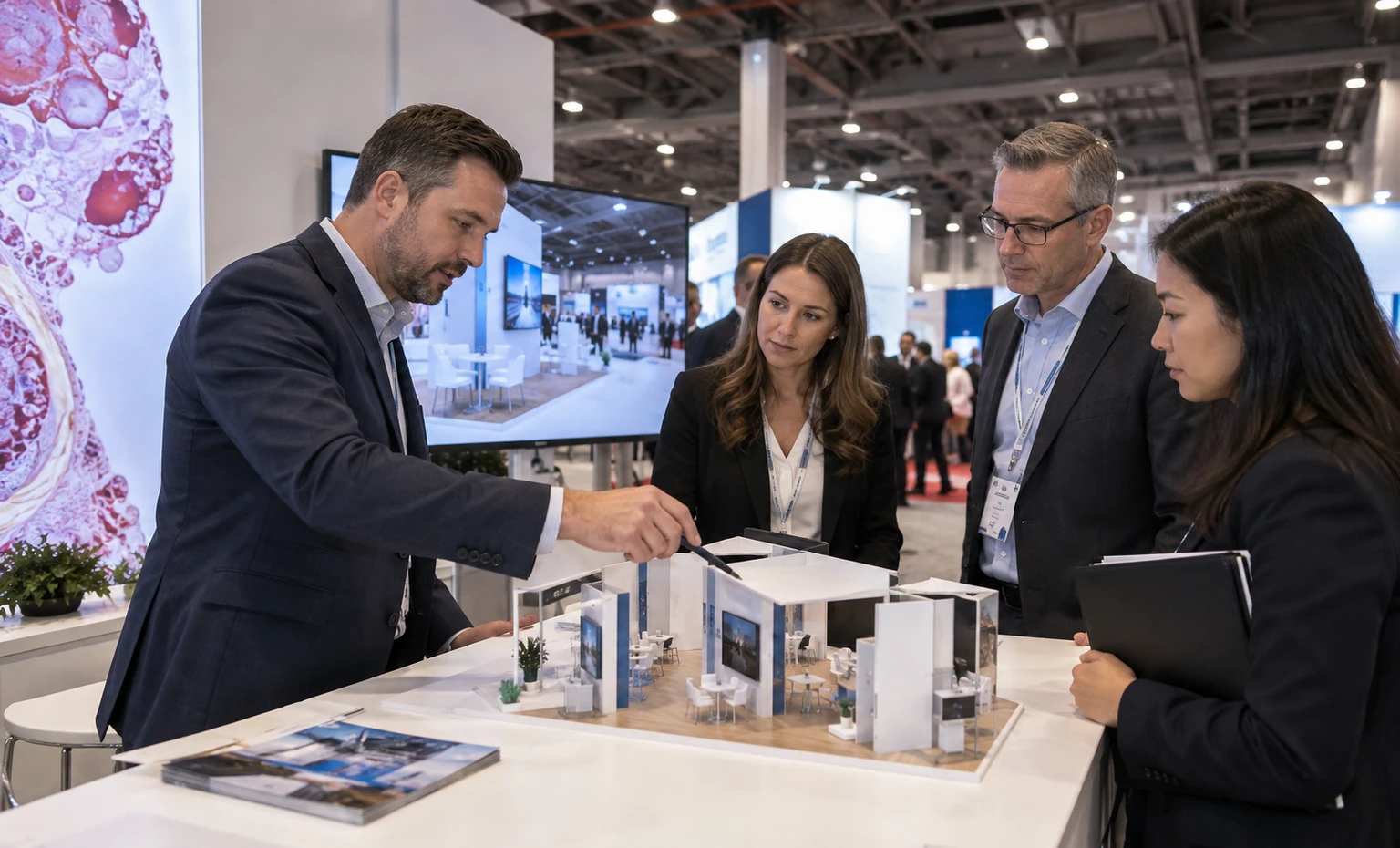
From Approved Brief to Controlled Exhibit Handoff
Share the intended visitor, approved offer, desired next step, booth assignment, budget range, internal approvers and any organizer correspondence.
Provide approved or draft asset status, equipment specifications, AV and utilities, staffing, expected activity capacity, meeting requirements and accessibility needs.
Evaluate sightlines, access, audience containment, replaceable-content zones and the division between King, the exhibitor, organizer approval and official providers.
Release only authorized assets, confirm the itemized quotation and dependencies, complete required organizer or provider orders and use the current exhibitor manual for final checks.
Yes. ASH currently lists the 68th Annual Meeting and Exposition for December 12–15, 2026, at the Ernest N. Morial Convention Center in New Orleans and virtually; in-person exhibit dates are December 12–14. These dynamic details were checked on 2026-09-07 and must be rechecked before release.
Current 2026 rules allow promotional presentations about the exhibiting company’s products or services in its booth, while scientific or educational presentations and CME activities are prohibited in the exhibit hall. The proposed content and activity still require review against the current rules and any applicable ASH approval process.
The current 2026 exhibitor rules state that microphones are prohibited. They also require booth sound not to disrupt neighboring exhibits and direct audiovisual content inward. Reconfirm the final manual before specifying audio.
Current rules define an island as 400 square feet, normally 20 by 20 feet, or larger and open on all four sides. They require a digital rendering or architectural plans by October 16, 2026, with revised plans resubmitted after changes. Organizer review controls final acceptance.
King can scope the physical interface after receiving equipment dimensions, weight, operator position, viewing distance, power or data needs, heat or noise considerations, sample handling and the proposed activity. The exhibitor must confirm product status, content, safety and organizer approvals; the accepted quotation controls King’s services.
Lock durable structural decisions first and place claim-sensitive copy, video and media in replaceable zones. Give every asset an owner, approval status, release date and fallback. Only the exhibitor’s authorized reviewers can release medical or product content.
Price depends on the assigned footprint, structure, rental or custom mix, finishes, graphics, AV, demonstration equipment, utilities, freight, labor, installation and dismantling, storage, official-provider orders and schedule. A reliable figure requires an itemized brief and accepted scope; this page does not publish an unverified package price.
Send the booth number and size, exhibit assignment, approved offer and audience, content status, demonstration equipment, AV and utility needs, staff count, meeting requirements, accessibility considerations, target budget range, service list, deadlines and any organizer correspondence already received.
Booth Sizes for Hematology Demonstrations and Specialist Conversations
-
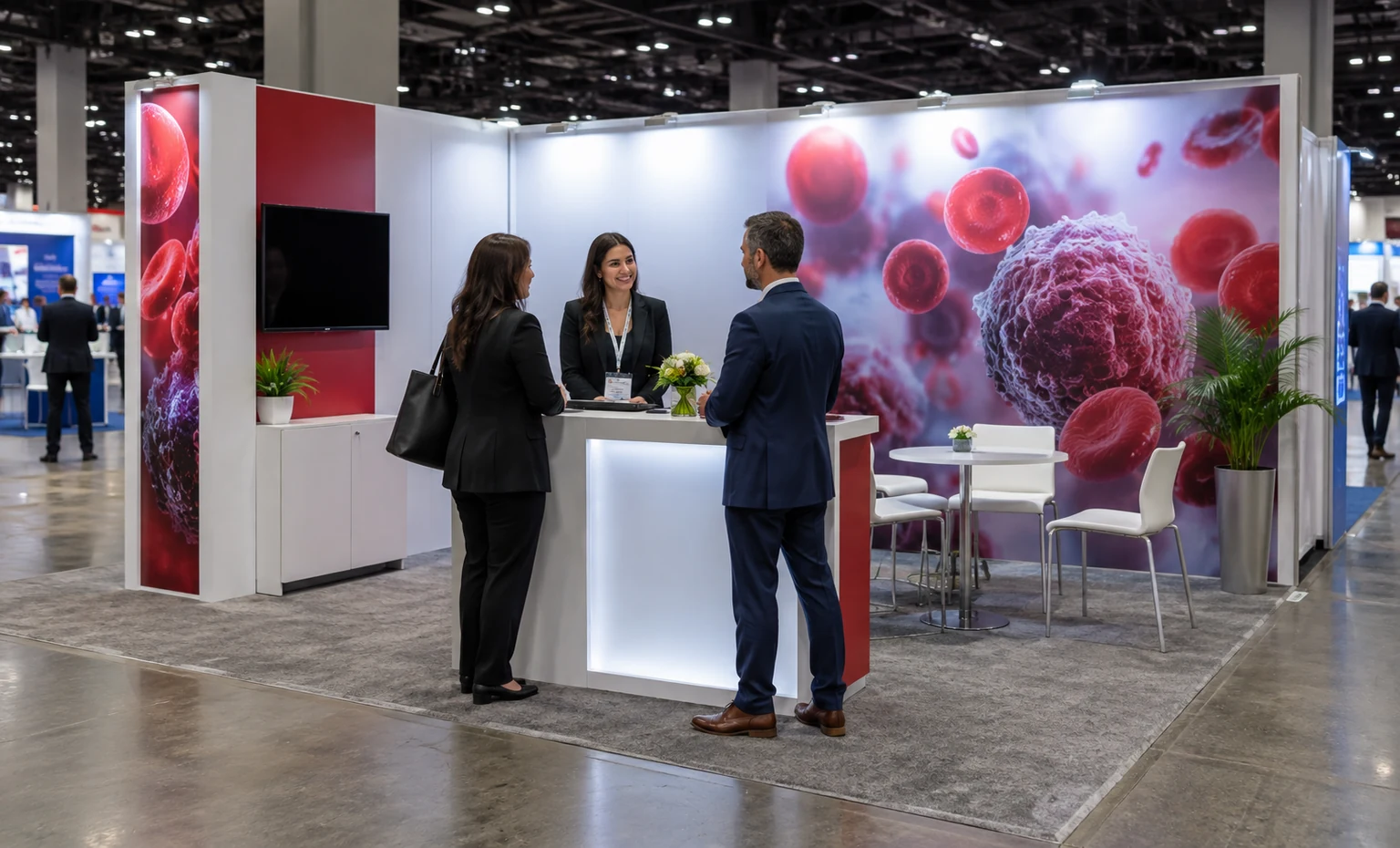
For a linear exhibit that needs a concise hematology message, one focused interaction and disciplined storage.
-
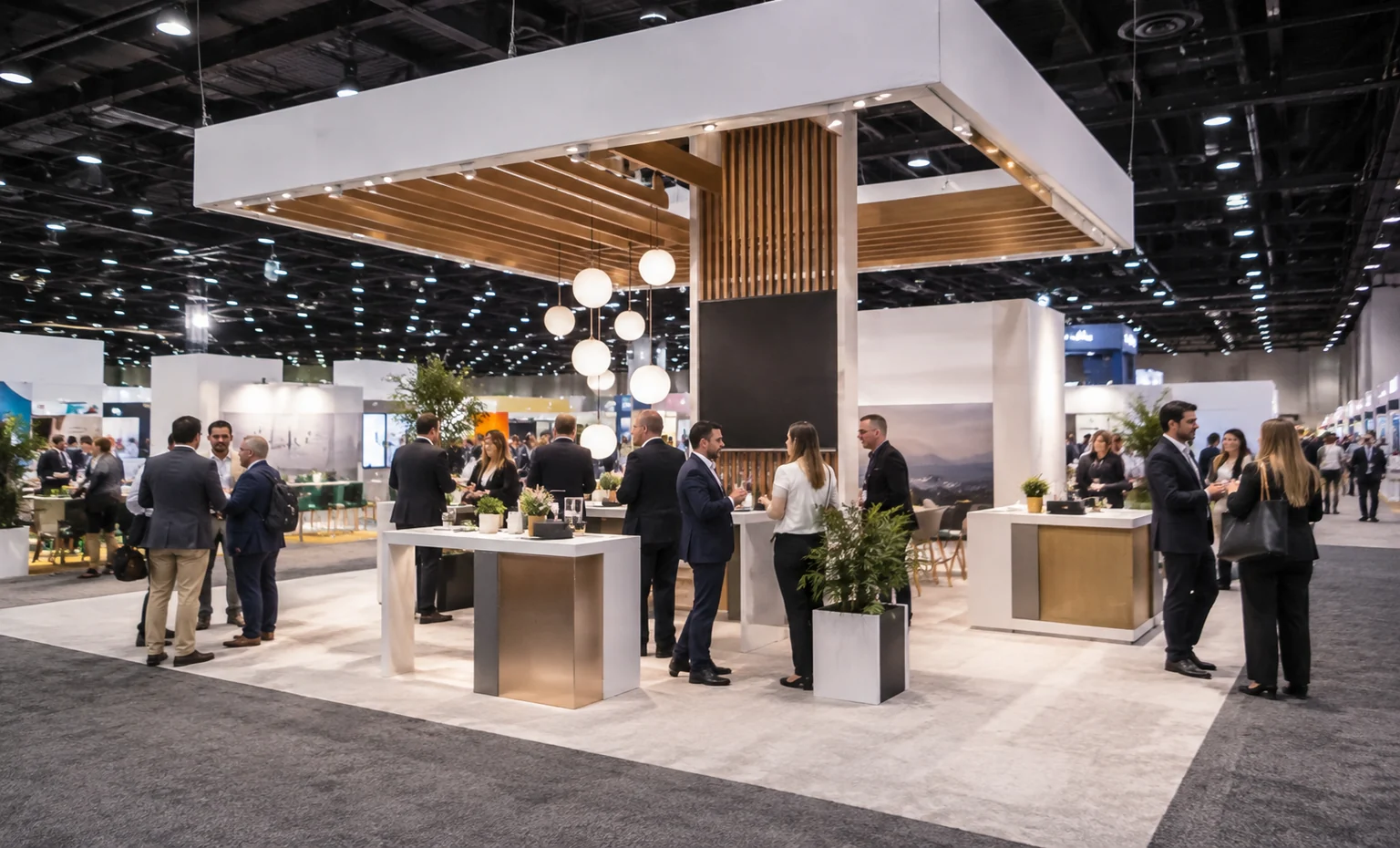
For an island-format plan with multiple approach paths, a contained demonstration and specialist routing.
-
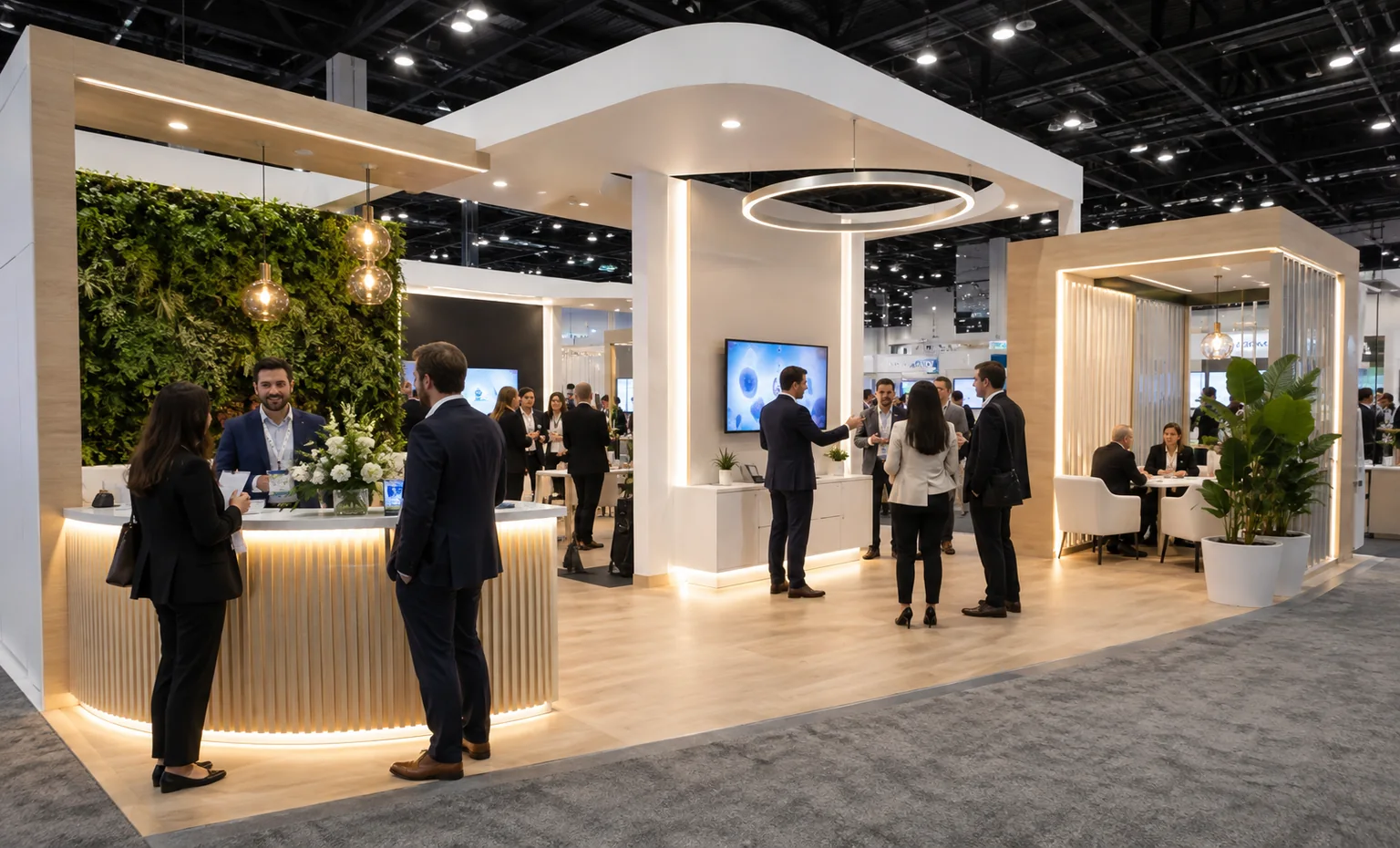
For a larger program that needs separate discovery, demonstration and scheduled-conversation zones.