


Lead with patrol, command, evidence, facility, training or response tasks so visitors can find the relevant offer without decoding your internal divisions.

Separate open inspection, staff-assisted access and display-only products before choosing counters, cases, rails or storage.

Plan screens, devices, power, internet, cables, operator positions and reset steps as one working station.

Give technical, channel and procurement conversations a clear next location instead of leaving every discussion in the aisle.
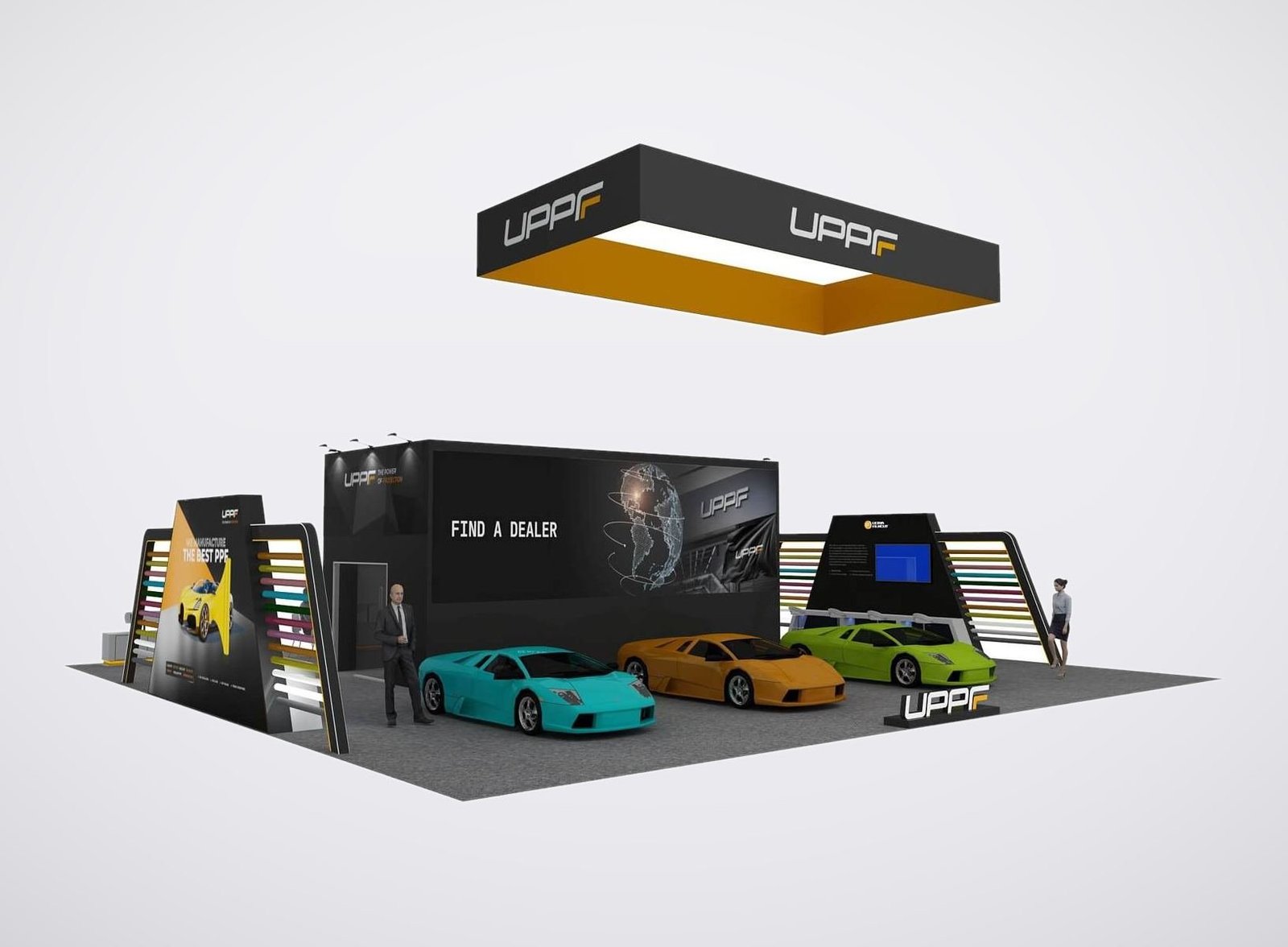
Choose the Booth Layout by What Visitors Need to Do
Text:
- Inspect equipment: Provide clear sightlines, reachable details and a place for specification questions.
- Use a staff-assisted sample: Define the handoff, supervision, return point and staff-side storage.
- Follow a digital workflow: Show one agency task from input to output, with the correct screen and specialist nearby.
- Review a vehicle or large system: Start with dimensions, access sides, placement, operating state and the buyer’s viewing route.
- Discuss an agency purchase: Separate the short product explanation from the longer technical, channel or procurement meeting.
A PSE Exhibit Built for Inspection, Comparison and Follow-Up
Police Security Expo brings chiefs, command staff, officers, tactical teams, fleet managers, training leaders, security professionals and purchasing roles into the same product environment. They do not all evaluate the same thing. One visitor may check fit or access, another may ask about deployment and training, while procurement needs scope, compatibility and a credible next step.
Our Police Security Expo booth design process begins with those decisions. We map the products, permitted interaction, supporting information, demonstrator position, storage, services and follow-up conversation before the rental structure is released. The accepted proposal states which exhibit elements and field services King Exhibits will provide. Show space, current approvals and organizer-, venue- or contractor-controlled services remain separate unless expressly included.
Build the Exhibit Around the Offer Your Team Must Sell

Coordinate vehicle dimensions, equipment access, mounted components, surrounding graphics and fleet conversations from the assigned space outward.
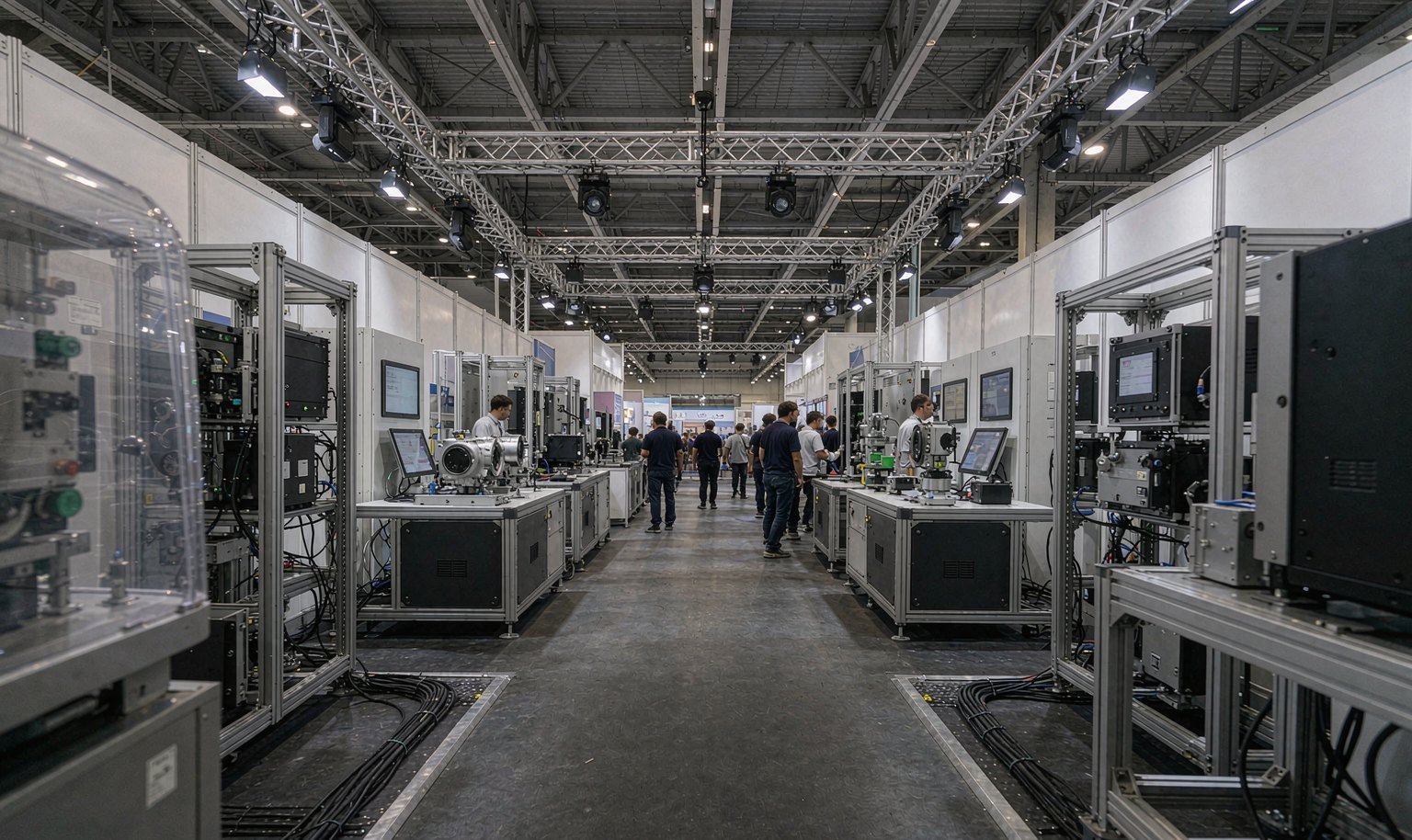
Provide clear comparison points and define whether products are open to inspection, handed out by staff or kept display-only.
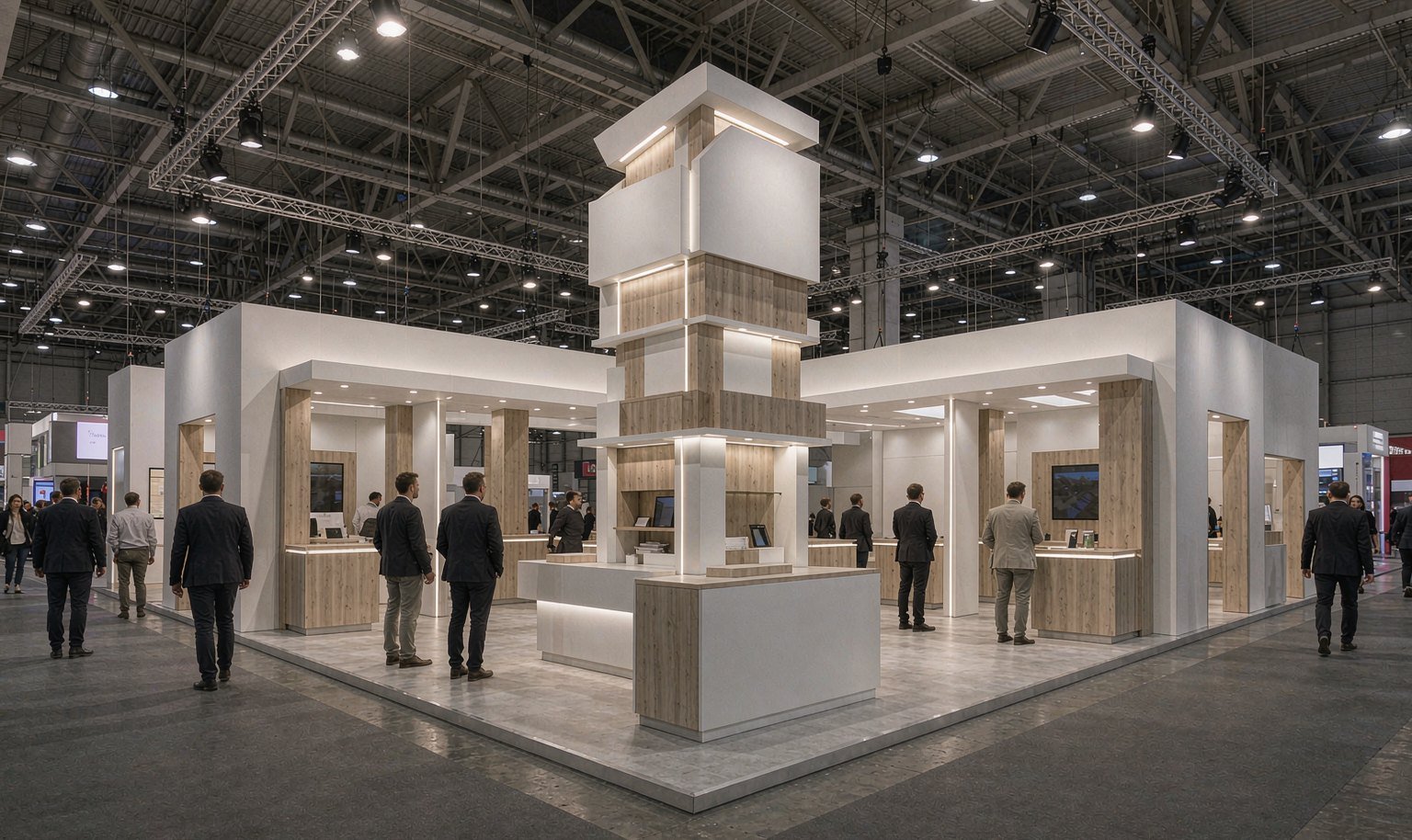
Turn hardware and software into a short operational workflow with controlled screens, connected devices and the right technical specialist.

Use an application map, device display or scenario-led presentation to connect the system to municipal, campus, transit or corporate-security needs.
Build a Demo Register Before You Build the Counter
List the device, screen, operator, visitor action, power, internet, cable route, reset point and fallback for every technology demonstration. A digital-evidence platform may need a repeatable file path; a communications product may need paired hardware; a video system needs a known viewing position. This register lets the floor plan reserve the correct working space and helps your team identify official service orders before a beautiful counter hides an unresolved connection.


Decide Product Access Before Selecting Display Hardware
Mark each item as open inspection, staff-assisted access or display-only, then record who controls it during show hours and where it returns. That decision shapes case doors, tether points, counter depth, staff position and secure storage. King Exhibits can plan the quoted physical display around the approved method, but the exhibitor remains responsible for product legality, trained supervision and compliance with the current Police Security Expo forms and security requirements.
Treat Vehicles and Large Equipment as Their Own Workstream
Start with overall dimensions, weight, operating state, access points, delivery contact and the sides buyers must inspect. Add mounted equipment, open doors, deployed components and the surrounding explanation space to the same record. The active PSE instructions determine move-in, handling, approvals and service responsibilities. Planning the vehicle first prevents walls, counters or meeting furniture from blocking the product that drew fleet and command visitors to the booth.

One Product Register Connects the 3D Plan and Quote

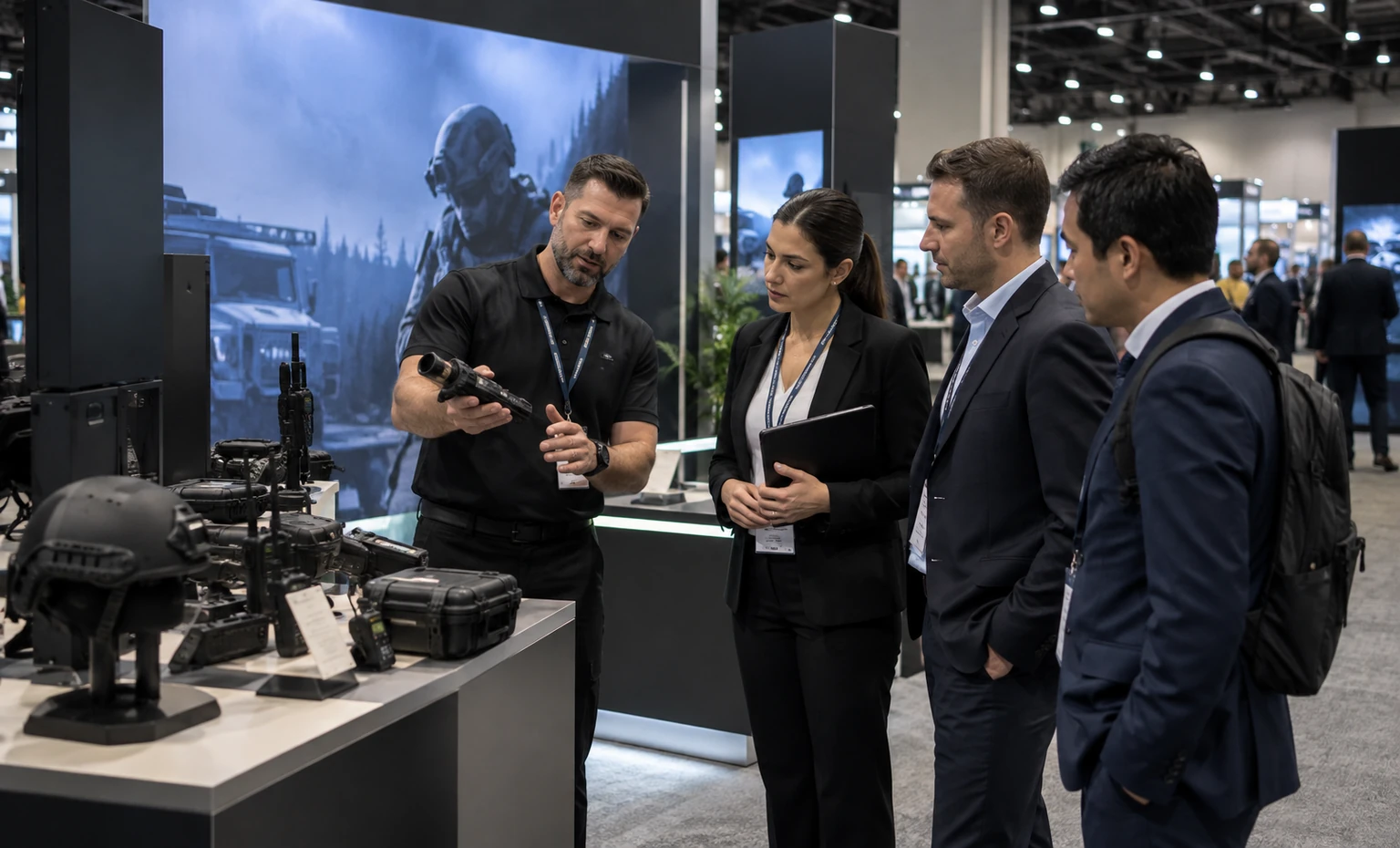
King Exhibits uses the confirmed product list as a working reference for the booth. Each display is tied to its dimensions, visitor action, access method, graphic message, staff position, storage, power or data point and packing identity. The 3D review can then show the actual equipment and operating clearances instead of generic furniture.
The quotation identifies the rental structure, graphics, product supports, storage, packing, freight coordination and contracted field work included in the project. Organizer space, approvals and official services are recorded separately, giving marketing, operations and procurement a clearer responsibility plan before production begins.
Clear the Current PSE Conditions Before Design Release
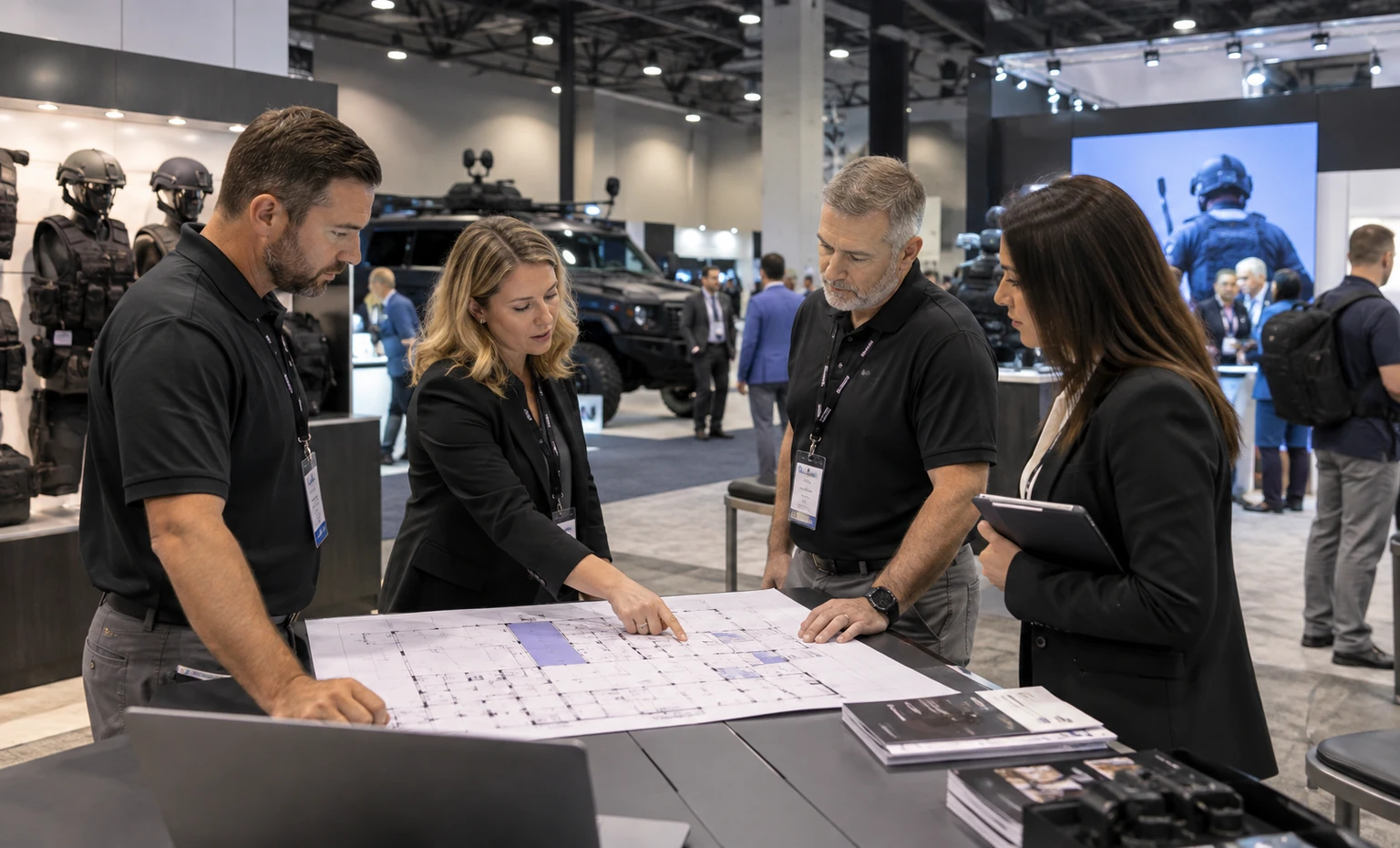
Confirm the assigned footprint, open sides, neighboring spaces and current rules for companies or clients represented within the booth.

Use the active PSE forms and exhibitor instructions to define registration, permitted display condition, supervision, storage and after-hours responsibility.
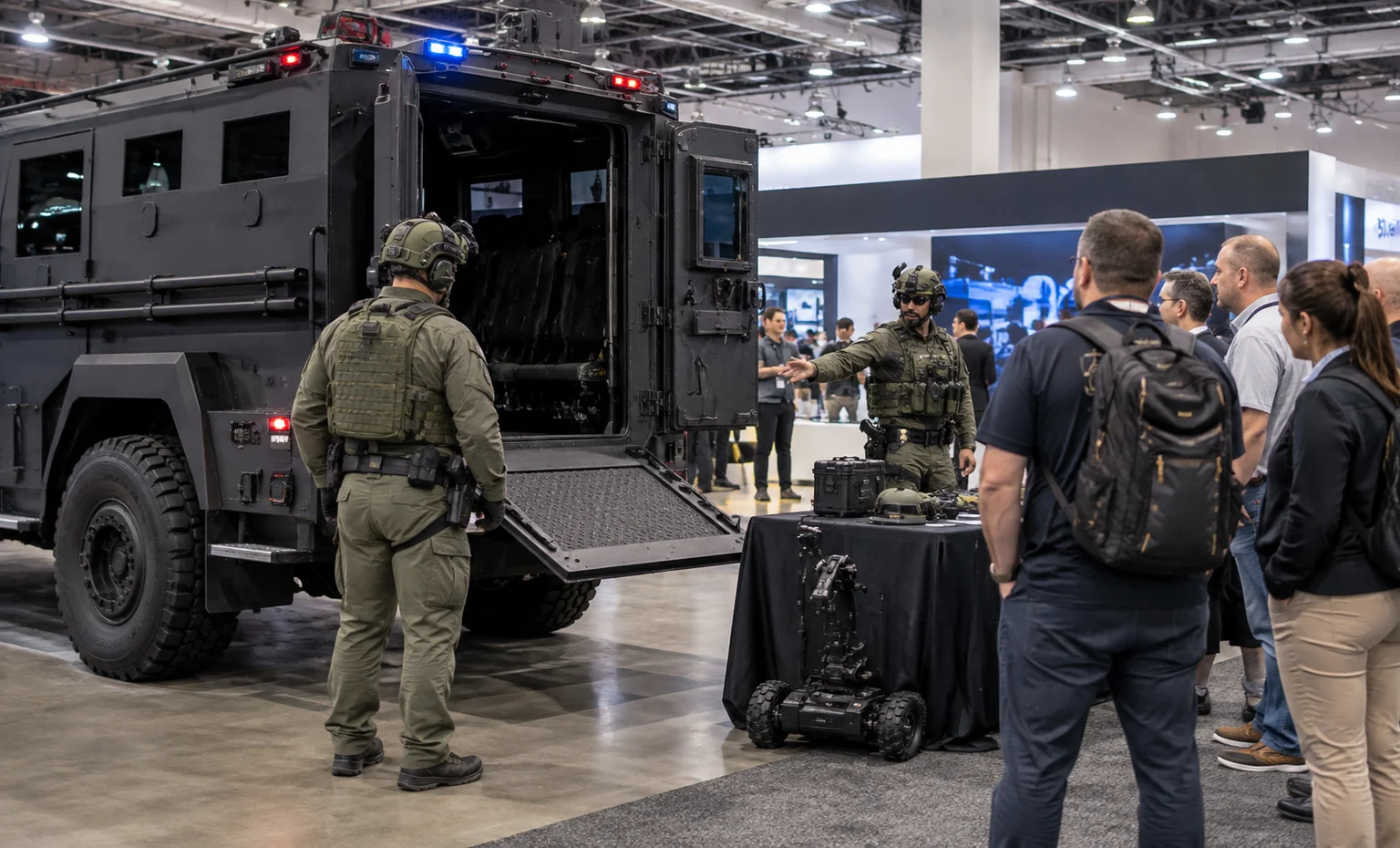
Submit the exact vehicle, equipment state and visitor activity for current approval, then design the route and clearance around the accepted method.

Separate the physical rental exhibit from services ordered through the organizer, venue or appointed providers, and place each service point on the approved plan.

Move from the PSE Assignment to a Working Exhibit
Provide the show edition, booth number, floor plan, footprint, open sides, audience priorities, budget range and approval target. The output is a scoped PSE exhibit brief.
List products, dimensions, weights, display conditions, visitor actions, vehicles, demonstrations, screens, utilities, storage and meetings. The output is a complete planning record.
We place inspection, workflow demos, staff-assisted access, technical follow-up and procurement conversations where they can operate without blocking each other. The output is a functional layout.
Review the structure, graphics, product supports, services and each party’s role. The output is one accepted design direction and itemized commercial scope.
The responsible parties use the active PSE manual and forms while quoted exhibit elements are prepared, checked and packed against the approved record.
King completes its accepted field work. Your trained team controls products, demonstrations, security and buyer follow-up under the current show requirements.
Send the PSE edition, booth number, floor plan, footprint and open sides. Add your product list, dimensions and weights, vehicle or demonstration details, display/access method, power and internet needs, graphics, storage, meetings, freight plan, budget range and requested onsite services. These inputs allow the first booth direction and quotation to reflect the actual project.
Yes, when the assigned space and current PSE requirements support the exhibit. Provide overall dimensions, weight, operating state, delivery contact, access points, mounted equipment and the sides visitors must inspect. The active show instructions determine placement, move-in, handling, approvals and any official services.
Only if the current Police Security Expo requirements permit the proposed display and the exhibitor completes the required steps. The exhibitor must confirm product condition, registration, supervision, access, storage and security through the active forms and instructions. King Exhibits can plan the quoted physical display around the approved method; it does not replace the exhibitor’s legal or security responsibilities.
Yes. Send the visitor workflow, devices, screens, network, power, audio, operator position, cable route, reset method and fallback. We can design the physical station around those confirmed inputs. Internet, electrical and other official services are included only when the accepted quotation states that responsibility.
Only when the accepted quotation lists the specific item or service. The show-space package and services controlled by PSE, the Atlantic City Convention Center or appointed providers are separate from the physical booth rental unless expressly included. The proposal and responsibility plan should identify both the requirement and the party responsible for ordering it.
Define the short inspection action first: where the visitor stands, what they touch or view, who assists and where the product returns. Place technical or procurement follow-up beyond that active edge, with a clear handoff from the product specialist. The floor plan can then protect both quick comparison and longer conversations during busy periods.
Compare Booth Sizes for Equipment, Demos and Agency Meetings
-
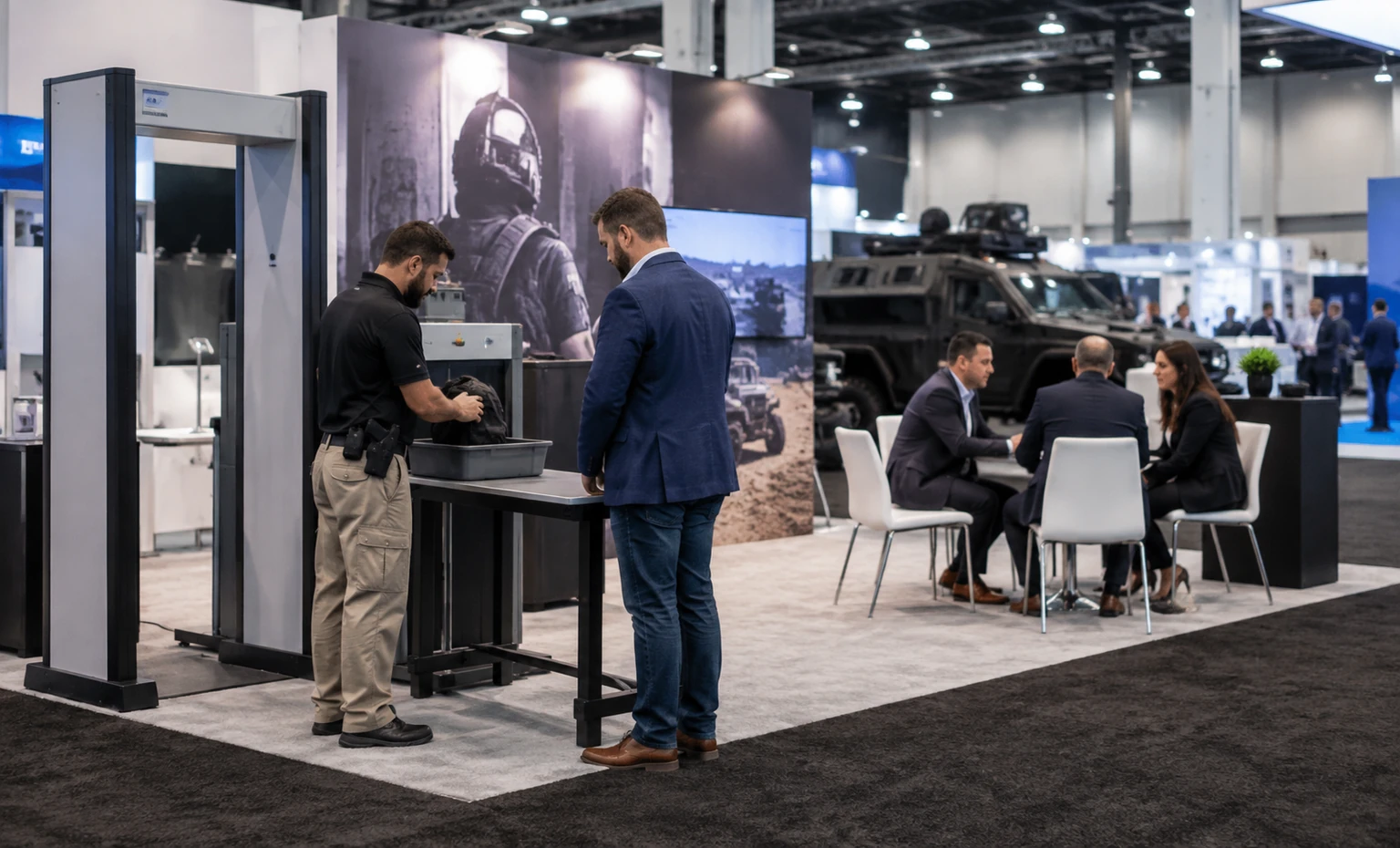
A focused inline footprint for one product family, a controlled inspection point and a compact follow-up conversation.
-

Open access for several equipment or technology stations, with room to separate quick demos from agency meetings.
-
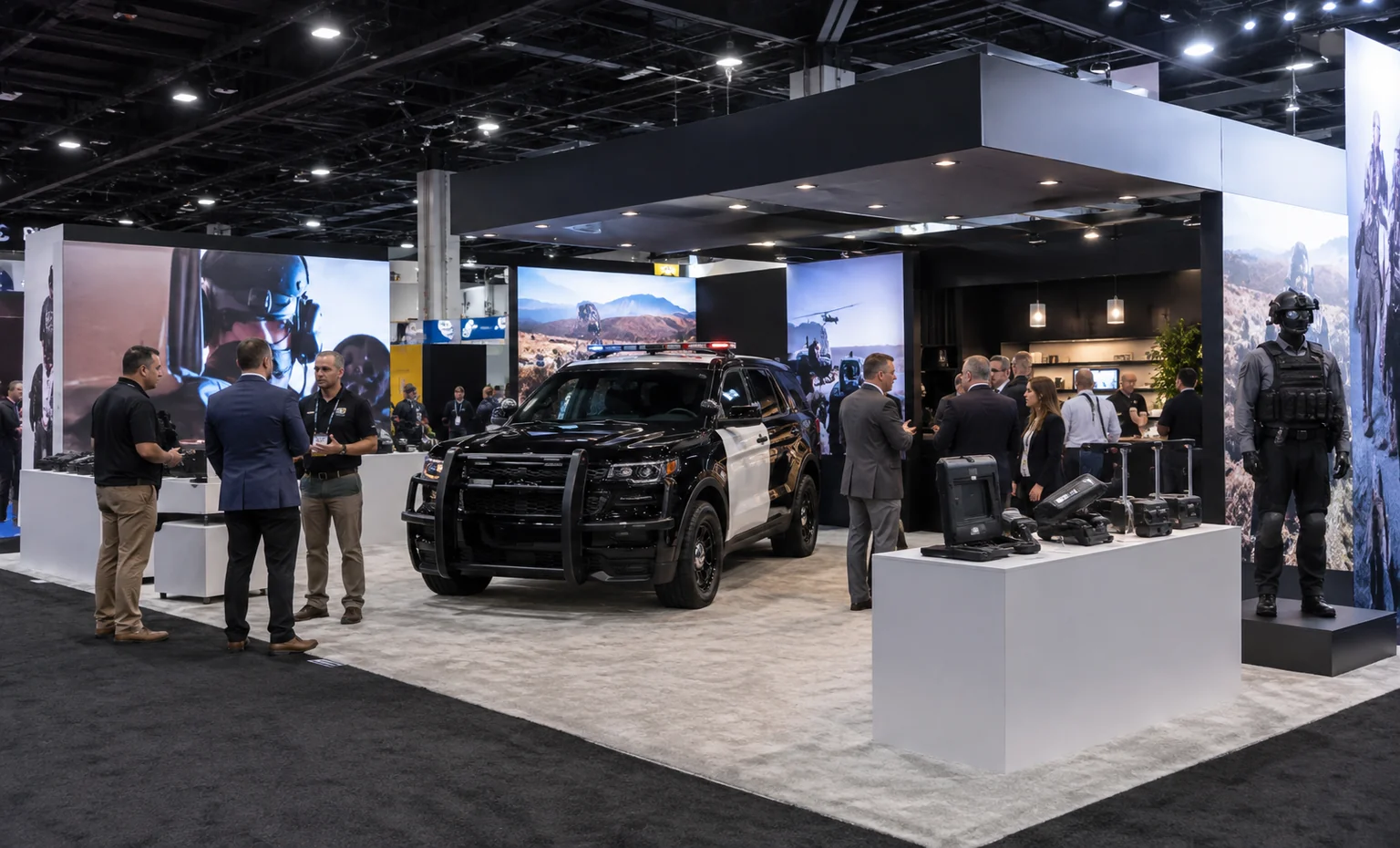
More room for a vehicle, multiple product groups, staff-side storage and distinct technical or procurement discussions.
Start Your Police Security Expo Booth Project
Include your name, work email, company, PSE edition, booth number, footprint, budget range and target audience. Attach the floor plan, current exhibitor documents, product information, vehicle or demo details and available brand files. King Exhibits will use those inputs to prepare a relevant booth direction and quotation.