


Choose the NRF Exhibit Format from the Conversation You Need
Focused Demo Bar
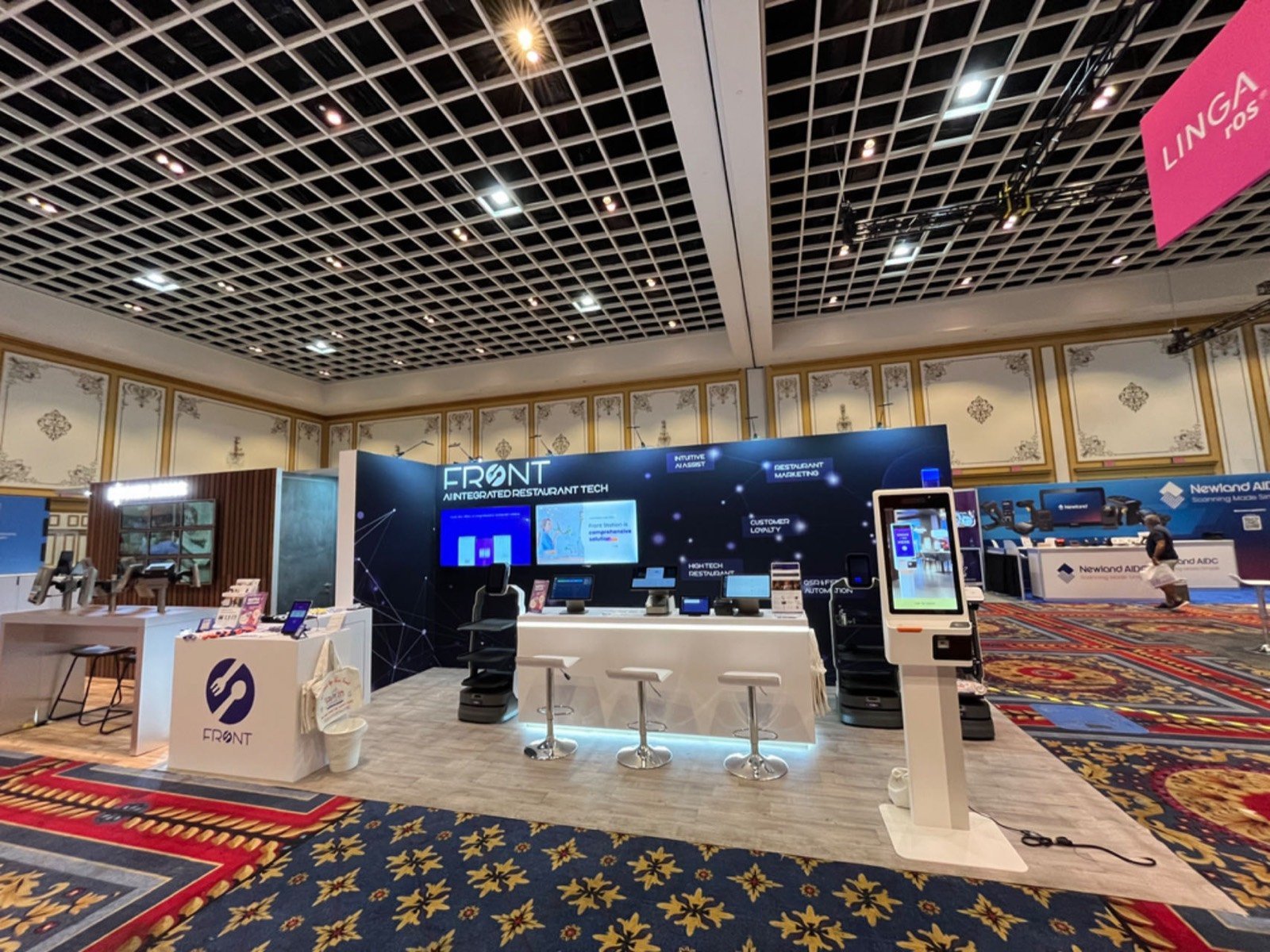
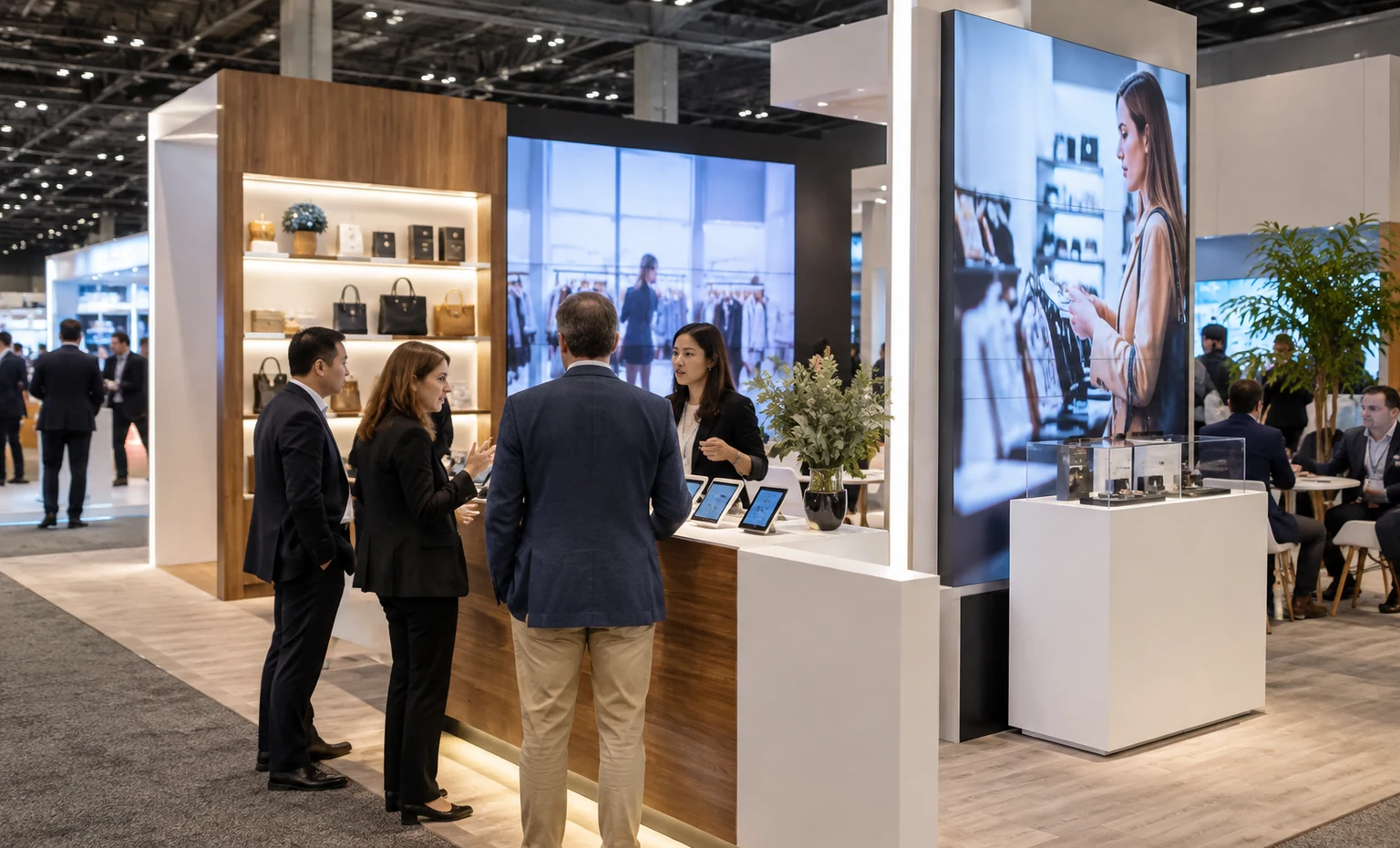
Use one clear retail task, one host position and one customer position when the product can be understood in a short guided interaction. The design records screen size, device placement, cable access, power, network and concealed backup equipment before the counter is detailed. A nearby standing point lets sales qualify the visitor without turning the demonstration into a long presentation.
Role-Based Workflow Gallery
Give different retail roles or use cases their own stations when the solution serves several parts of the business. Graphics identify the user and outcome; screens or devices carry the working sequence. Shared storage and a controlled service side help staff reset each station. The plan must still show one priority route rather than presenting every feature with equal weight.
Demo and Technical Meeting Exhibit
Combine a visible public interaction with a quieter table or room for architecture, integration, data, security, rollout and procurement discussions. This format suits exhibitors whose value cannot be assessed from one screen. The floor plan protects the open demonstration while giving solutions engineers and commercial teams a prepared place to continue with qualified accounts.
An NRF Trade Show Booth Rental Built Around a Retail Workflow
Retail technology is easier to understand when the visitor can connect a role, a task and an outcome. A payment platform may begin at checkout and continue into reconciliation. An analytics product may start with an alert and end with an operating decision. An e-commerce or fulfillment solution may need to show what changes for the shopper, store team and network. The booth should make that sequence visible before asking a buyer to absorb the complete product architecture.King Exhibits starts with the approved demonstration. We place the host, visitor, screen, device, product touchpoint and next conversation in the 3D floor plan. Confirmed equipment details can guide quoted mounts, counter openings, cable routes, ventilation and service access. Rental walls, towers, lightboxes, counters, flooring and furniture create the main environment, while selected custom interfaces are added when the project requires them.The layout also accounts for operation between visitors. Storage holds replacement devices, chargers, printed material and personal items. A service side gives product specialists access to connections without opening the customer-facing surface. Scheduled meetings receive enough separation from the public demo to discuss integration, deployment and commercial requirements without blocking new traffic.The accepted proposal identifies the exhibit assets and King services included for the project. Internet, electrical, material handling, rigging, cleaning and other official services are not assumed to be included unless written into the scope. The client remains responsible for approved product claims, software access, customer data, demonstration content and official event decisions assigned to the exhibitor.
Match the Booth to the Retail System You Are Selling

Begin with the decision the retailer needs to make. Use a role-based dashboard, alert, recommendation or campaign step, then move interested visitors into data sources, governance, integration and deployment. Keep claims about accuracy, privacy, security and performance within the evidence approved by your company.

Show the shopper and associate sides of the transaction at usable heights. Record terminals, peripherals, mounts, power, network, cables, receipts and reset access. A specialist table can handle certification, processor, estate-management and rollout questions after the public interaction.

Select a shopper or staff workflow such as discovery, ordering, fulfillment, returns or service. Screens and physical touchpoints should show the handoff between channels without requiring a complete platform tour. Use the meeting area for architecture, implementation and account requirements.
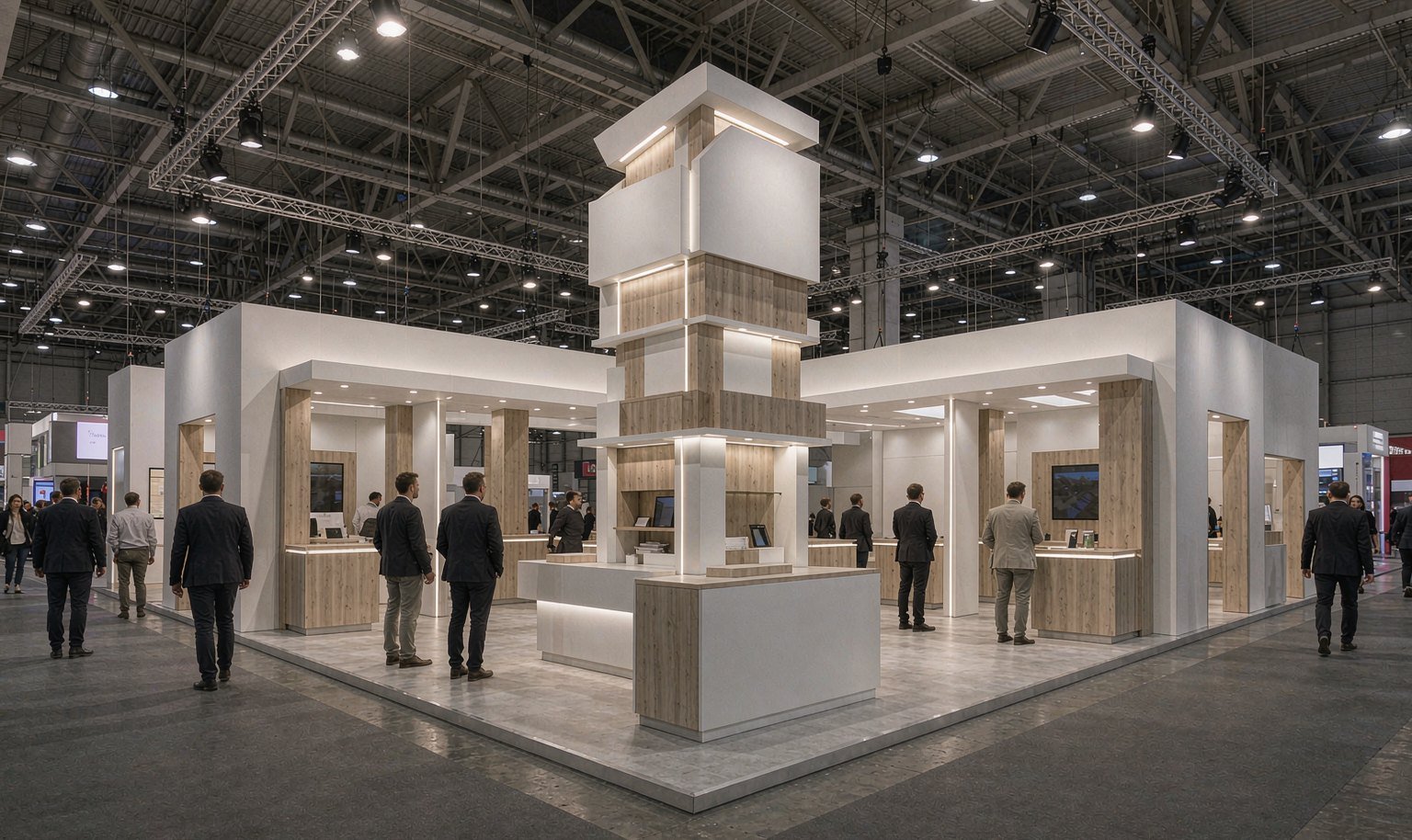
Make the operating event visible through a device, item, process map or concise system sequence. Explain who acts, what changes and where the result appears. Provide enough room for hardware, samples or workflow props without turning the booth into storage.
Let the Aisle Read the Retail Task in Seconds
Lead each public station with the retail role, the task and the outcome a visitor can examine. Keep the product name visible, but do not make it the only clue. A short message beside the relevant screen or device helps a store, commerce, marketing or operations buyer decide where to stop. The host can then begin with that business task instead of spending the opening minute explaining what category the platform belongs to.
Give Every Live Demo a Technical Schedule and Reset Plan
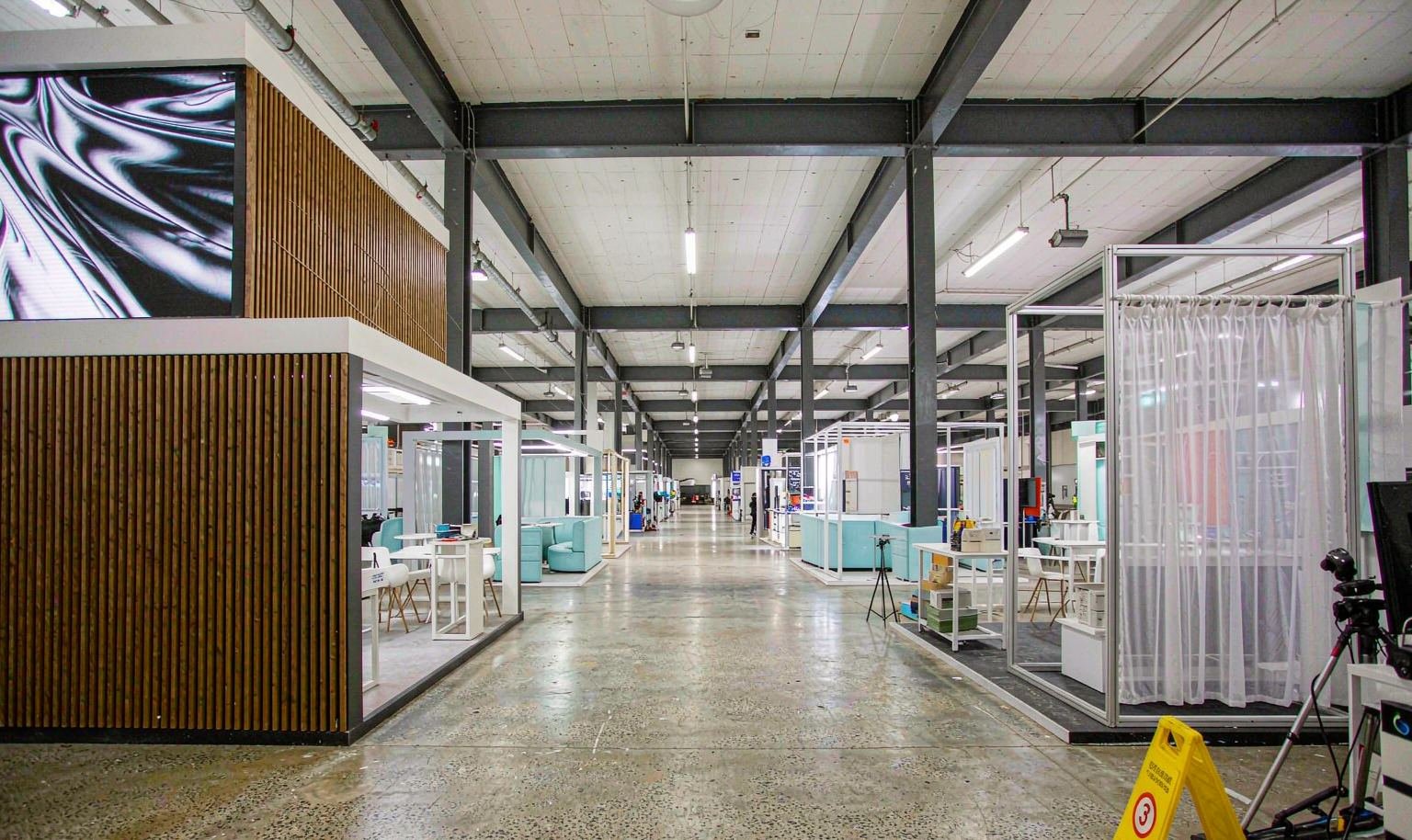
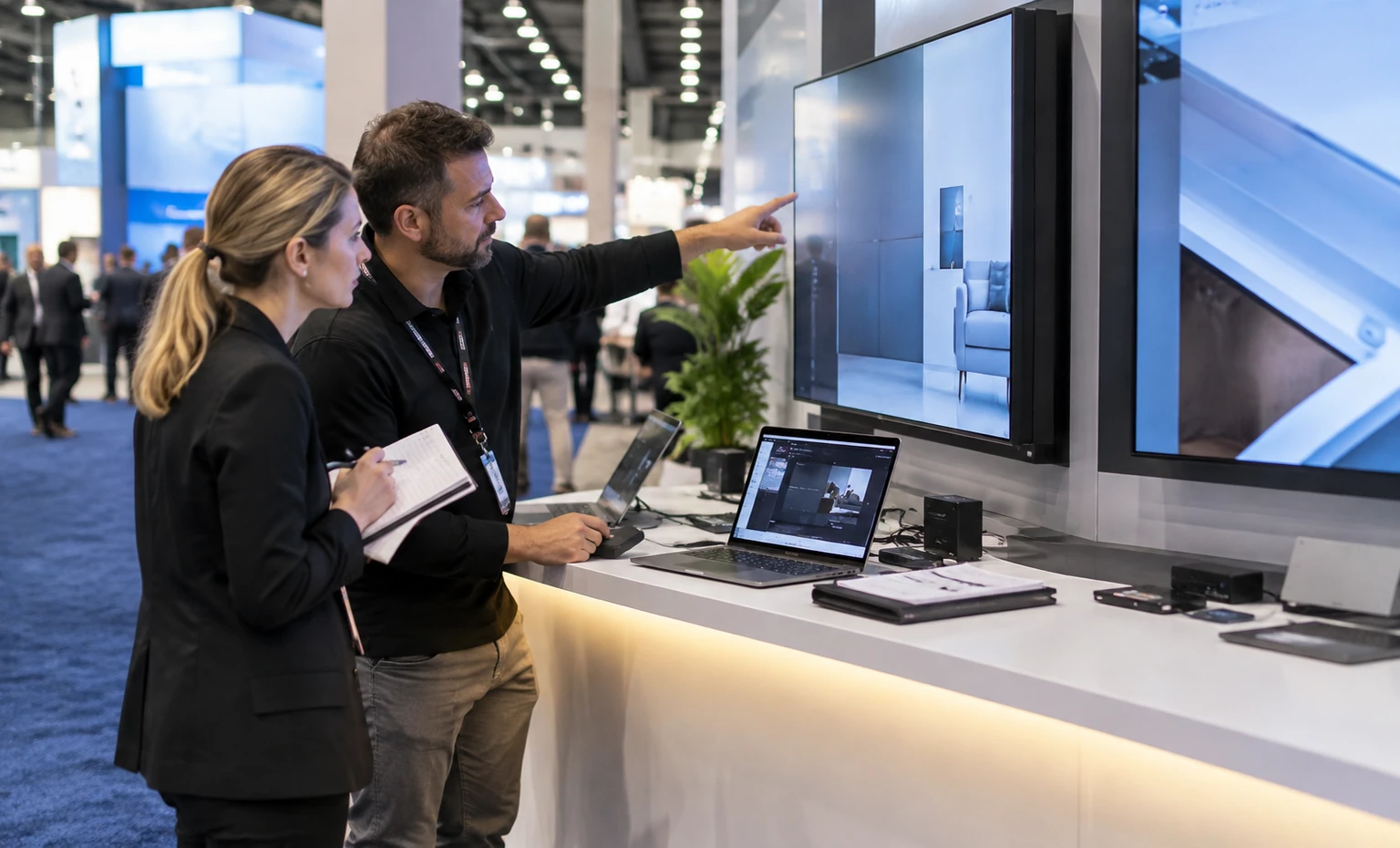
List the device, screen, login, content source, power, network, cable path, heat load and startup order for every demonstration. Add the person responsible for opening, resetting and troubleshooting it, plus an offline or recorded fallback approved by your product team. King Exhibits uses that schedule to place quoted mounts, counter openings, ventilation, storage and service access. Your specialists keep ownership of the software, credentials, data and product performance.
Keep the Public Demo Open While Qualified Buyers Go Deeper
Decide which questions belong at the station and which require a solutions engineer, partner manager or commercial lead. Place the deeper conversation nearby without allowing it to occupy the device or screen used for new visitors. The handoff may lead to an open table, a semi-private area or a scheduled room, depending on footprint and privacy. Staff can continue demonstrating while qualified accounts discuss integration, rollout, support and purchasing requirements.
Review the Retail Demo and the Exhibit as One 3D Plan
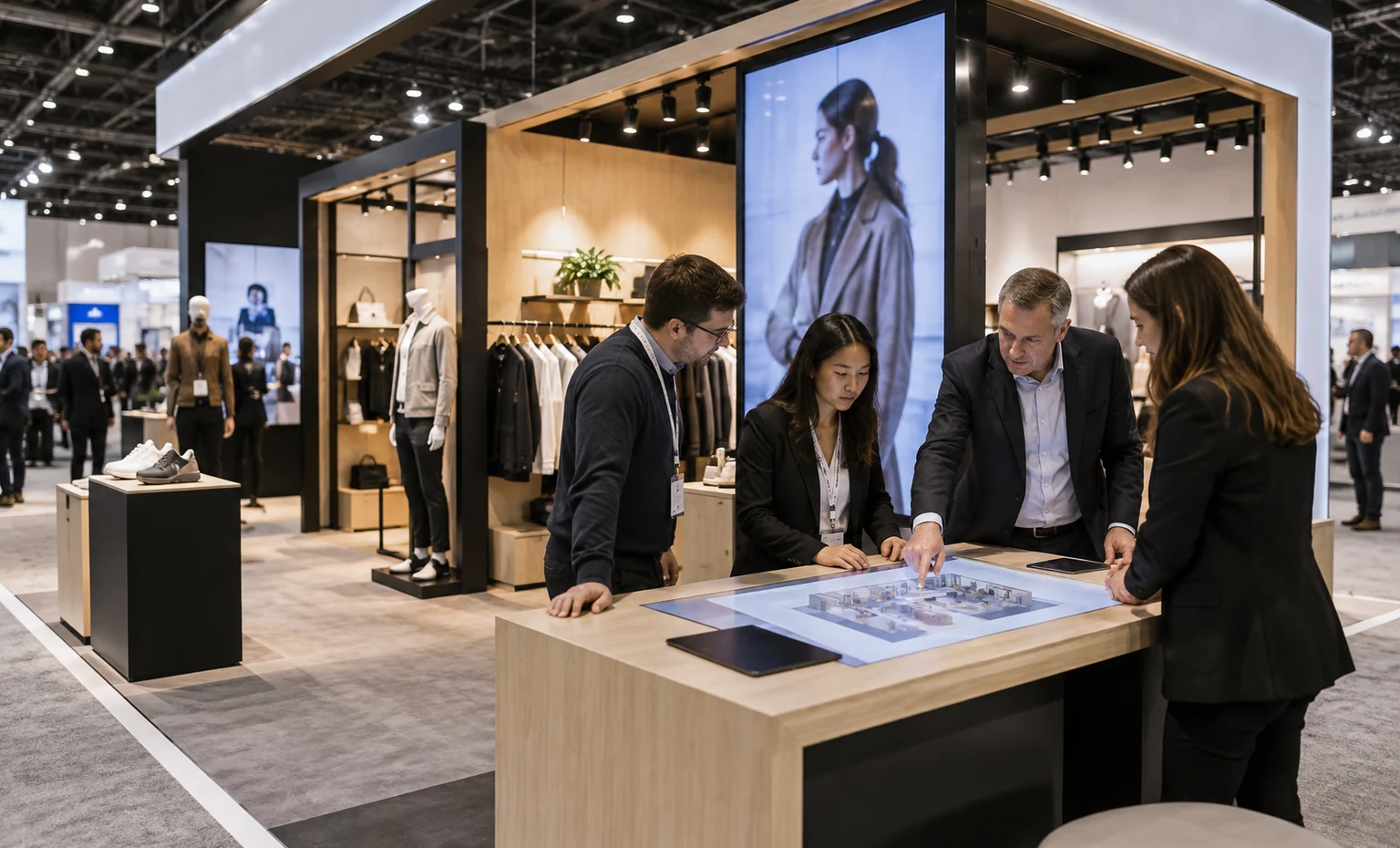
King Exhibits is the new brand of APLUS EXHIBITS, a Las Vegas-based exhibit company operating since 2008. The project team brings the approved retail workflow, brand graphics, screens, devices, storage and meeting requirements into one 3D direction. Marketing can review the aisle message while product and technical staff check whether the interaction can run, reset and recover inside the proposed space.Rental structures provide a reusable base. Quoted fabrication can create fitted counters, device supports, screen positions, cable access and service openings around confirmed equipment. Graphic production connects each retail role and use case to the correct demonstration instead of covering the booth with an undifferentiated feature list.The NRF exhibit rental proposal identifies King’s components and the requested packing, transport coordination, installation/dismantling, LED/AV or storage support. Availability and responsibility depend on the accepted project scope, schedule, booth assignment and current event requirements. Official orders remain with the exhibitor or assigned provider unless the proposal says otherwise.
Check the Current NRF and Javits Requirements Before Production
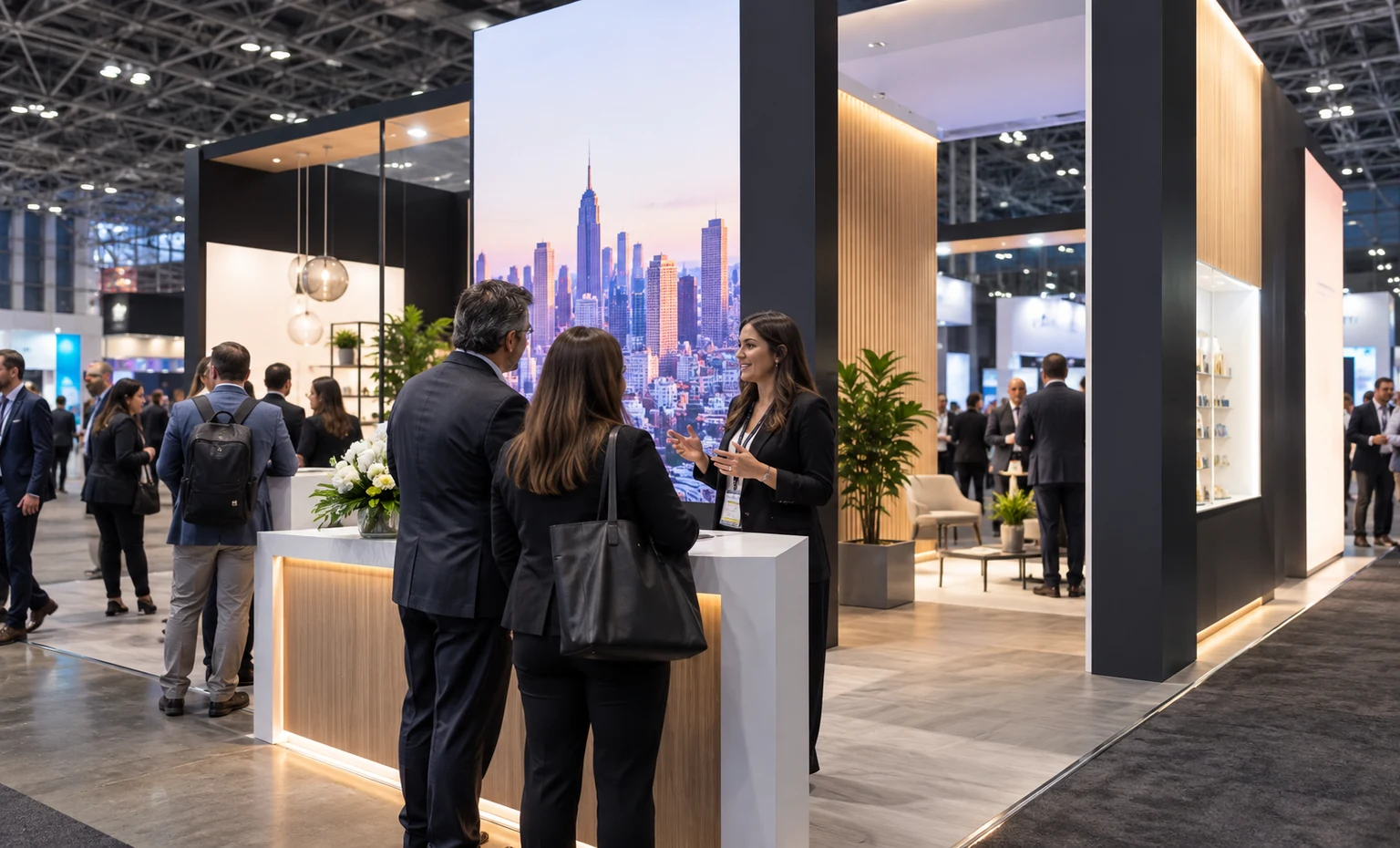
NRF currently lists NRF 2027: Retail’s Big Show for January 10–12, 2027 at the Jacob K. Javits Convention Center in New York City. Confirm the edition, dates, venue and booth assignment again before this page or a project is released.
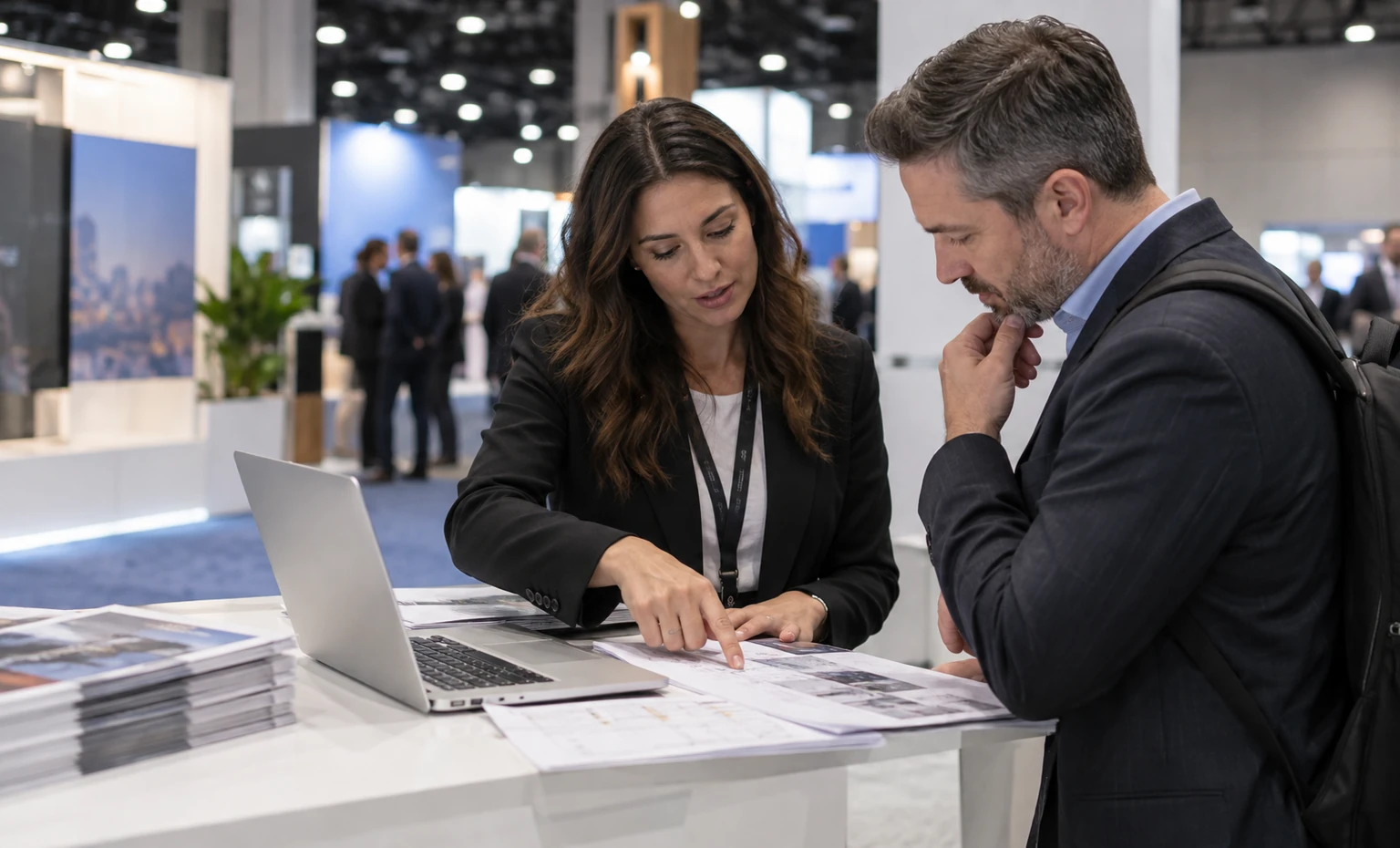
Provide the current NRF contract, Exhibitor Resource Center records, floor plan and show manual. These sources control the event-specific booth, schedule, provider and submission requirements; a prior edition or another NRF program is not a substitute.
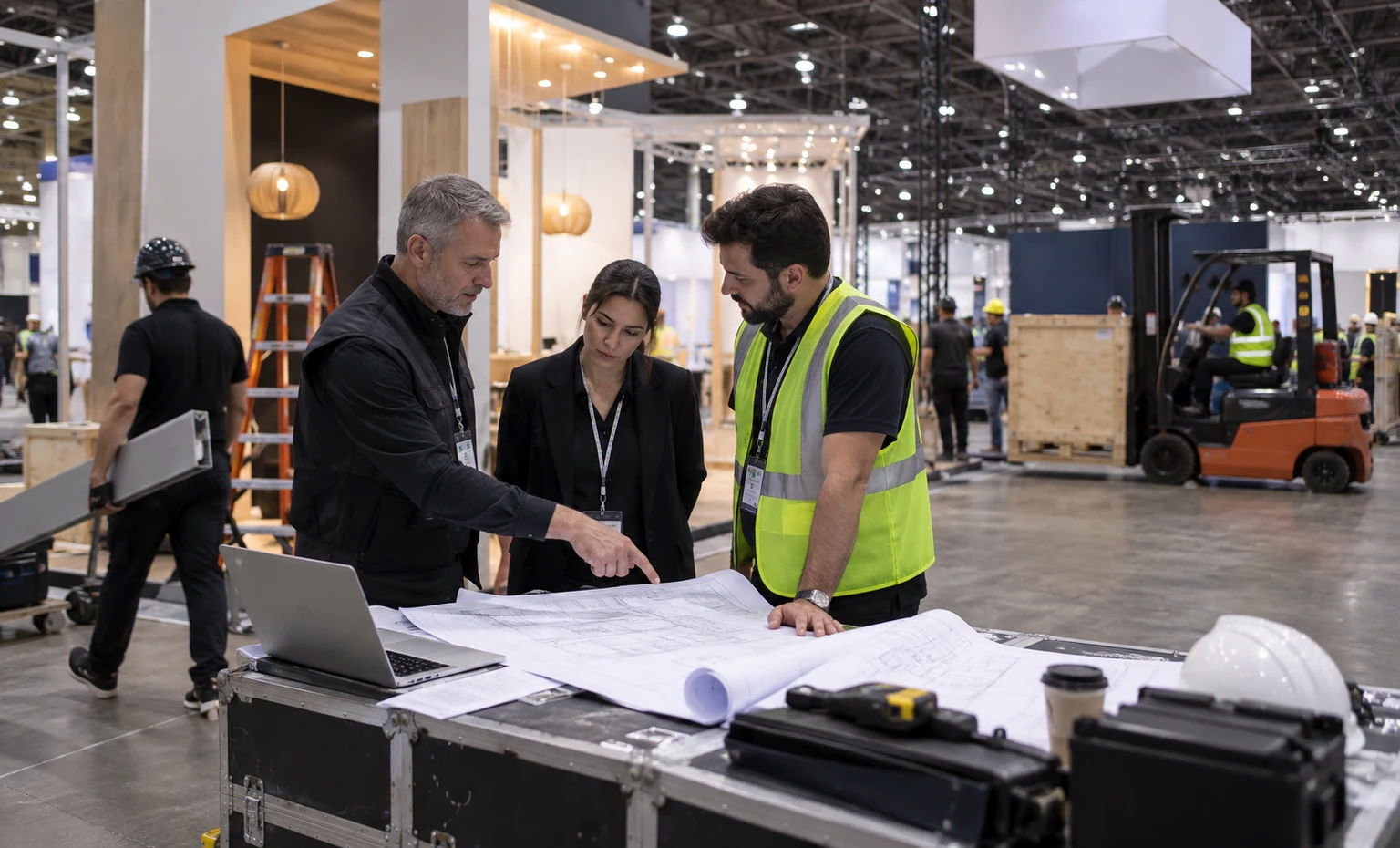
Javits Center publishes venue policies and exhibitor-service ordering resources, while NRF and its assigned providers control show-specific implementation. Reconcile internet, electrical, material handling, rigging, cleaning, labor, EAC/COI and move schedules before approving production or service orders.
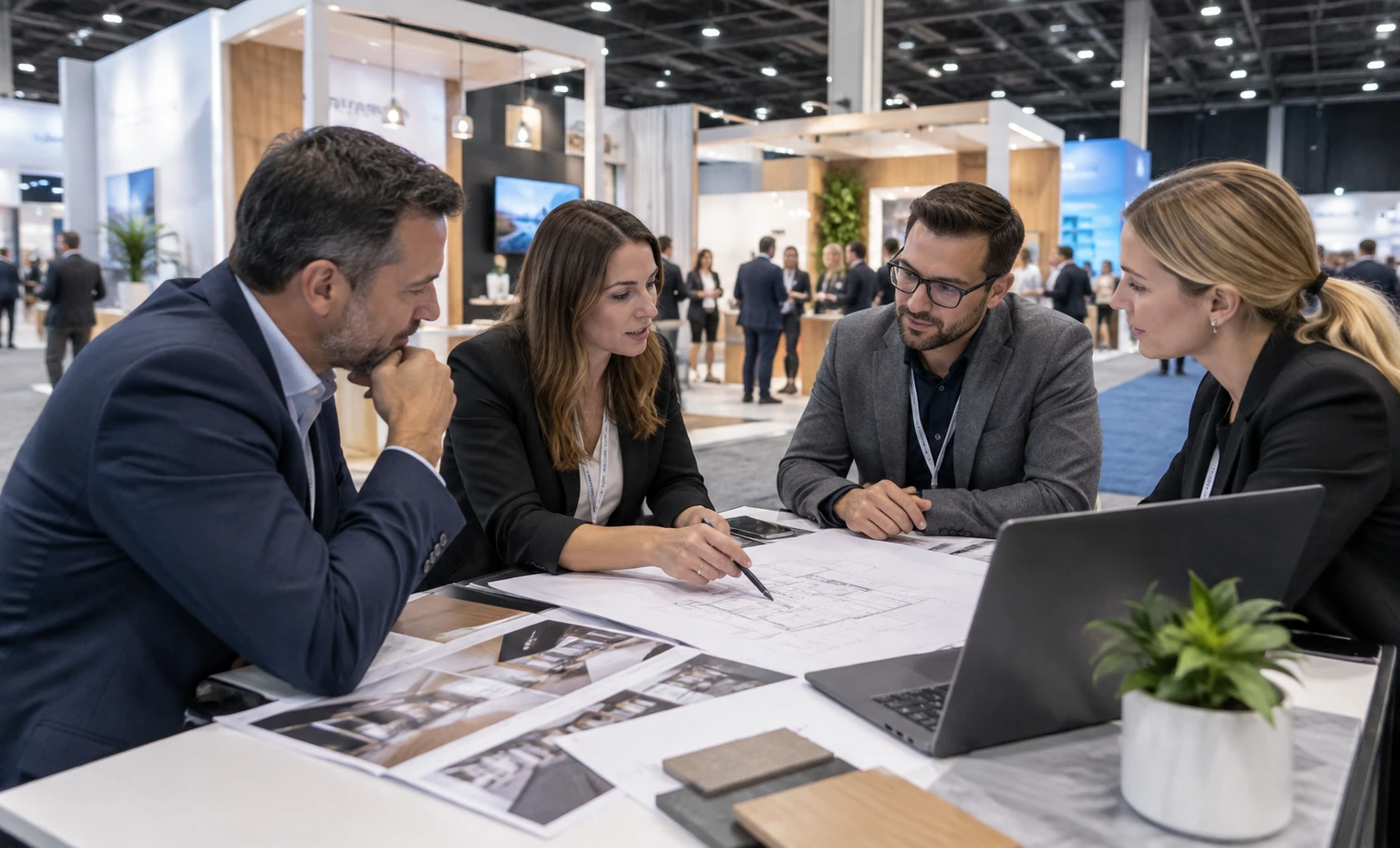
Build the NRF Booth from the Demonstration Backward
What You Provide: Target companies and roles, retail task, approved product claims, priority use case and desired next action.What We Do:
What You Provide: Screen and device list, dimensions, mounts, power/data, cable, heat, logins, content, reset sequence, staffing and fallback.What We Do:
What You Provide: Booth assignment, open sides, meetings, privacy, brand files, furniture, storage, budget, schedule, shipping and requested onsite support.What We Do:
What You Provide: Final content and artwork, accepted proposal, equipment details, current NRF/Javits decisions, official orders, carrier details and onsite contacts.What We Do:
Yes, when the required equipment, access and current event conditions are confirmed. Send the screens, devices, mounts, power, network, cable routes, heat, logins, content, staffing, reset sequence and fallback. King can design and quote the exhibit-side interfaces; your team remains responsible for the software, credentials, customer data and approved product performance.
Not automatically. Internet, electrical and other official services may need separate orders through NRF, Javits Center or assigned providers. The King proposal will state what we supply or coordinate. Provide the active service kit and a device schedule so connection locations and responsibilities can be reconciled before production.
Yes, subject to footprint, open sides, accessibility, privacy level and current show rules. Share the number of scheduled meetings, group sizes, duration, technology and discussion type. We will test open tables, semi-private areas or enclosed rooms without sacrificing the public demonstration and visitor route.
Cost depends on the footprint, structure, graphics, lighting, screens, fitted device interfaces, furniture, storage, meeting rooms, packing, transport and installation/dismantling scope. Internet, electrical, material handling, rigging, cleaning, labor and other official services may be separate. An itemized brief allows the proposal to be compared by responsibility, not by an undefined package label.
Often. Rental walls, towers, lightboxes, counters and screen supports can be reconfigured, while event-specific graphics and fitted interfaces may change. The next footprint, devices, demonstrations, visitor roles and official rules still need a new review before reuse is confirmed.
Start after the booth assignment and core demonstration are known, then work backward from the current artwork, service-order, freight and installation dates. There is no universal lead time for every scope. A larger custom interface, hardware shipment or private meeting build requires more coordination than a compact rental layout.
Send the event edition, booth number and dimensions, open sides, target retailers and roles, use cases, demo sequence, screens and devices, power/data, meetings, graphics, storage, budget, timeline, shipping plan and the services you want King Exhibits to price.
Compare Booth Sizes for Retail Technology Demos
-
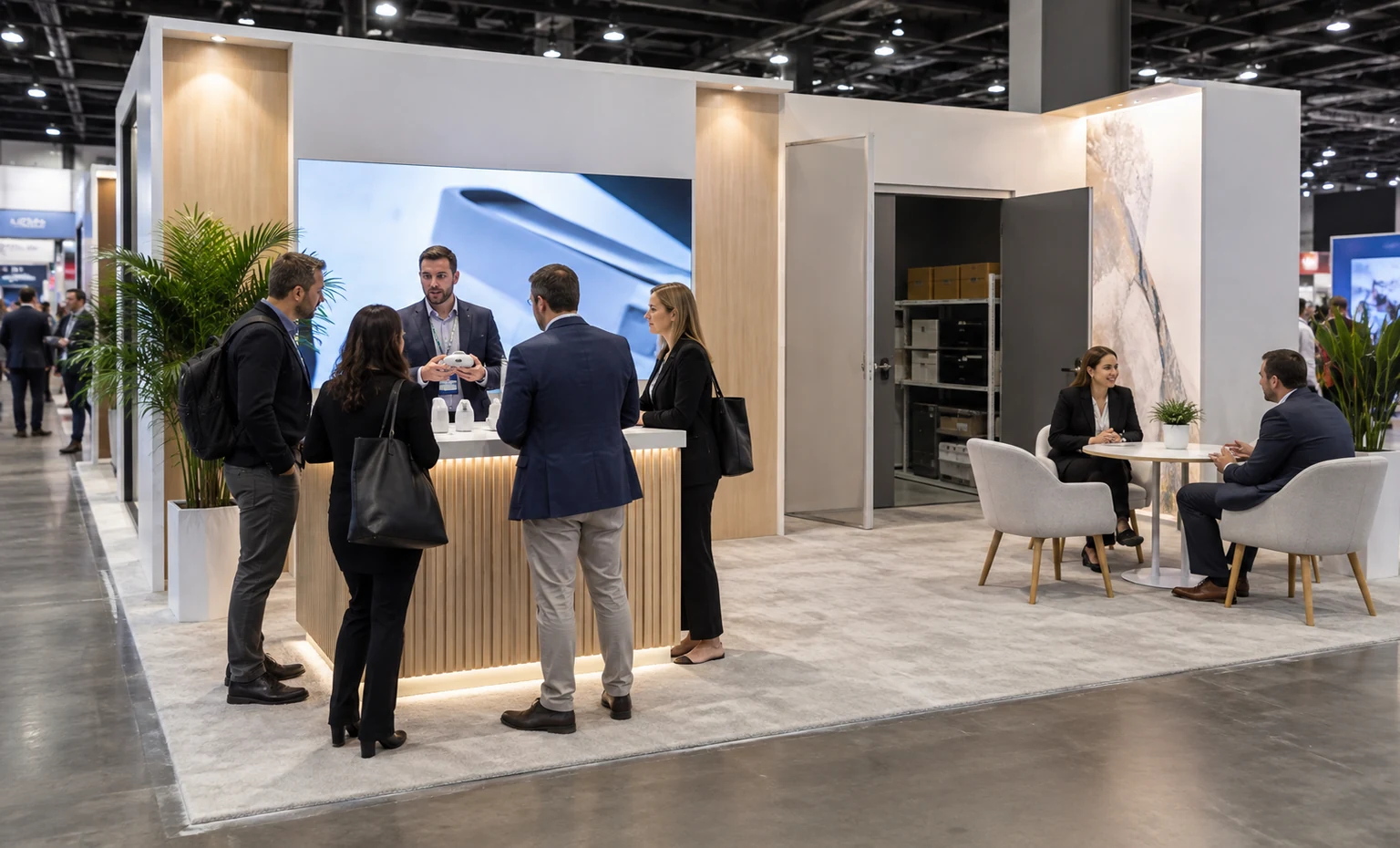
Plan one focused demonstration, concise brand message, support storage and a compact follow-up conversation.
-
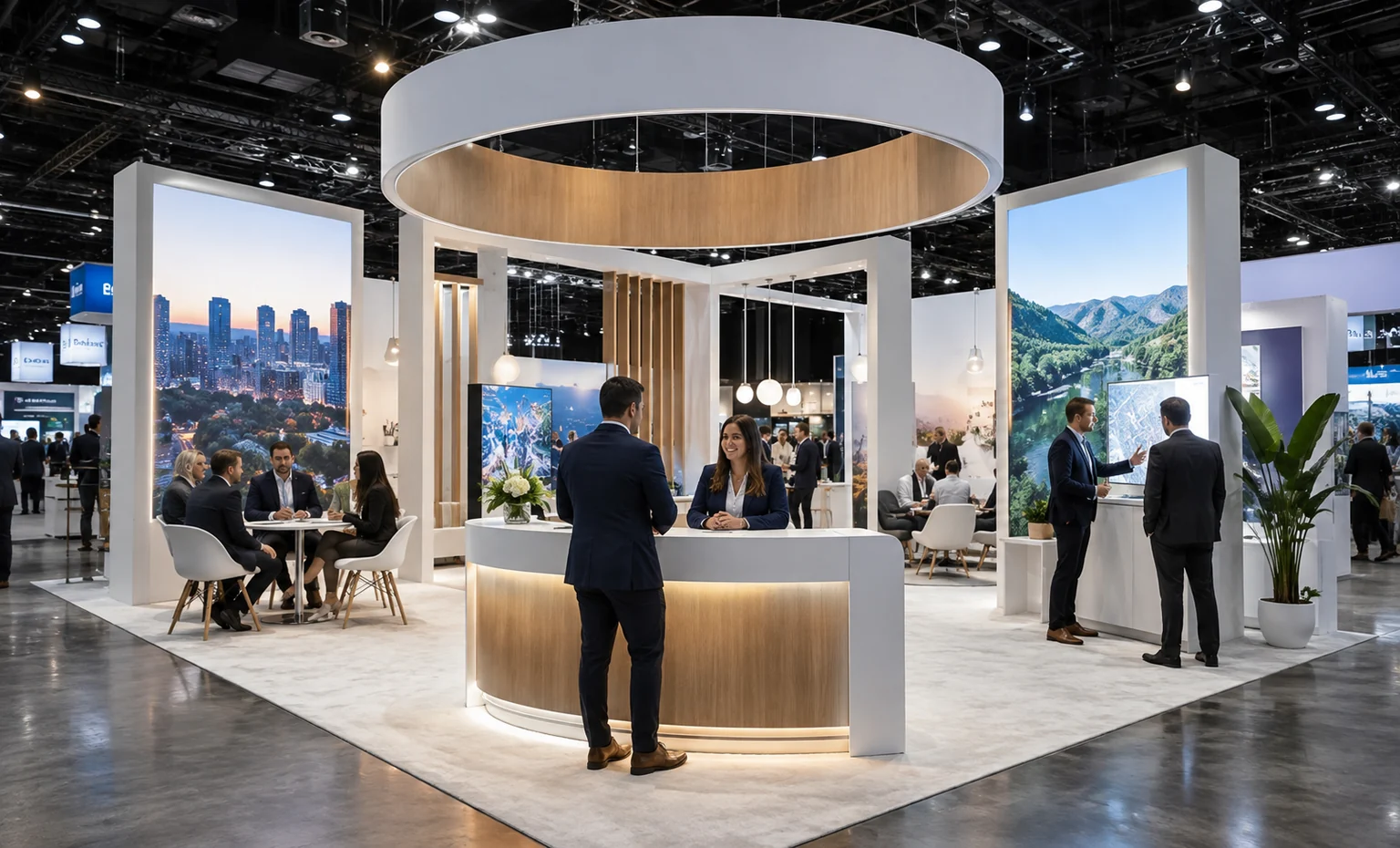
Separate several role-based interactions from a central reception, technical review or scheduled buyer meeting.
-
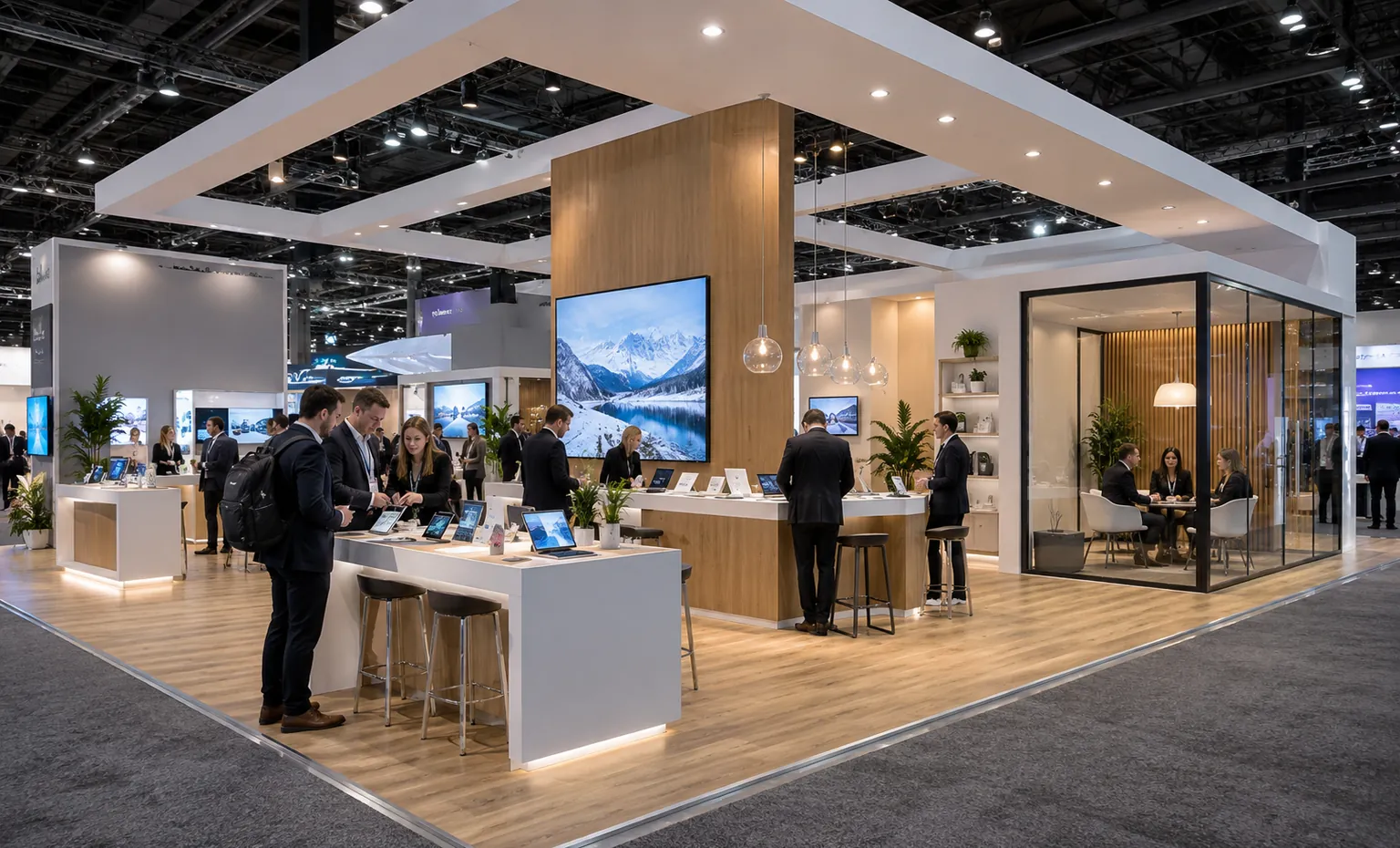
Add room for multiple product stations, a stronger presentation surface, private meetings and the equipment support they require.