
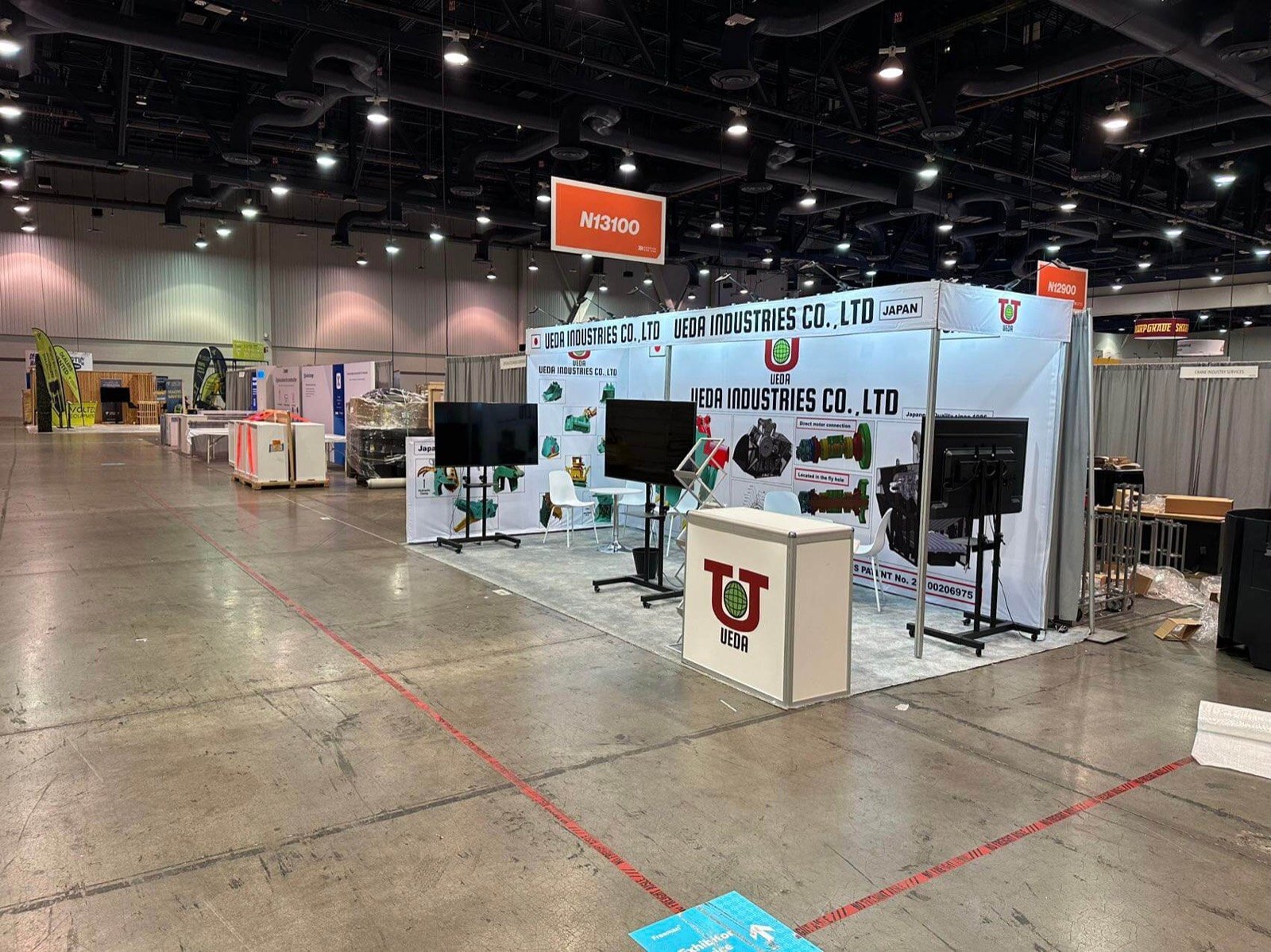

Identify whether the product places, forms, reinforces, finishes, repairs, demolishes, moves, measures or manages concrete or masonry work.

Let buyers inspect the tool, machine, material system or software step that changes how the crew performs the task.

Use a slab, block, surface, joint, cutaway or approved performance record to make the finished work easier to judge.

Reserve a nearby place to discuss crew size, site conditions, productivity, compatibility, service and the next demonstration or quotation.
Build the Exhibit Around the Work Contractors Actually Perform
World of Concrete buyers compare products under real project pressure. They want to know whether equipment fits the crew and site, whether a material system produces the required finish, whether a tool saves a difficult step, and whether the supplier can support the next job. Large branding creates visibility, but the product earns the conversation by showing where it belongs in the work.
Start with the contractor’s task. Equipment exhibitors should show the working and service sides, attachments, controls and the result produced. Material, reinforcement, repair and surface brands should use full-size samples or assemblies that reveal application and finish. Construction-technology companies need a recognizable field workflow, not a row of screens with no connection to a superintendent or crew.
King Exhibits develops the World of Concrete exhibit rental around that sales logic. The accepted proposal can include 3D design, rental walls or towers, graphics, product or sample supports, screens, counters, storage and meeting areas. Selected custom features, packing, freight coordination and installation or dismantling are included only where the quote identifies them.
The current event plan separates indoor halls, targeted product areas and outdoor lots. Equipment entry, live demonstrations, vehicles, handling, rigging, utilities, labor, EACs and permits follow the assigned area and official provider program. King places the booth-side interfaces in the drawing while the exhibitor, organizer, venue and authorized contractors retain their own technical and onsite responsibilities.
Use the Right Proof for the Product You Sell

Protect the operating or inspection zone, keep controls and attachments visible, and place the finished result close enough for comparison. The buyer should understand the crew task before entering a technical discussion.

Show full-size slabs, walls, joints, coatings, repairs or masonry assemblies under useful lighting. Labels should identify substrate, preparation, application and finish without turning the sample into a specification sheet.
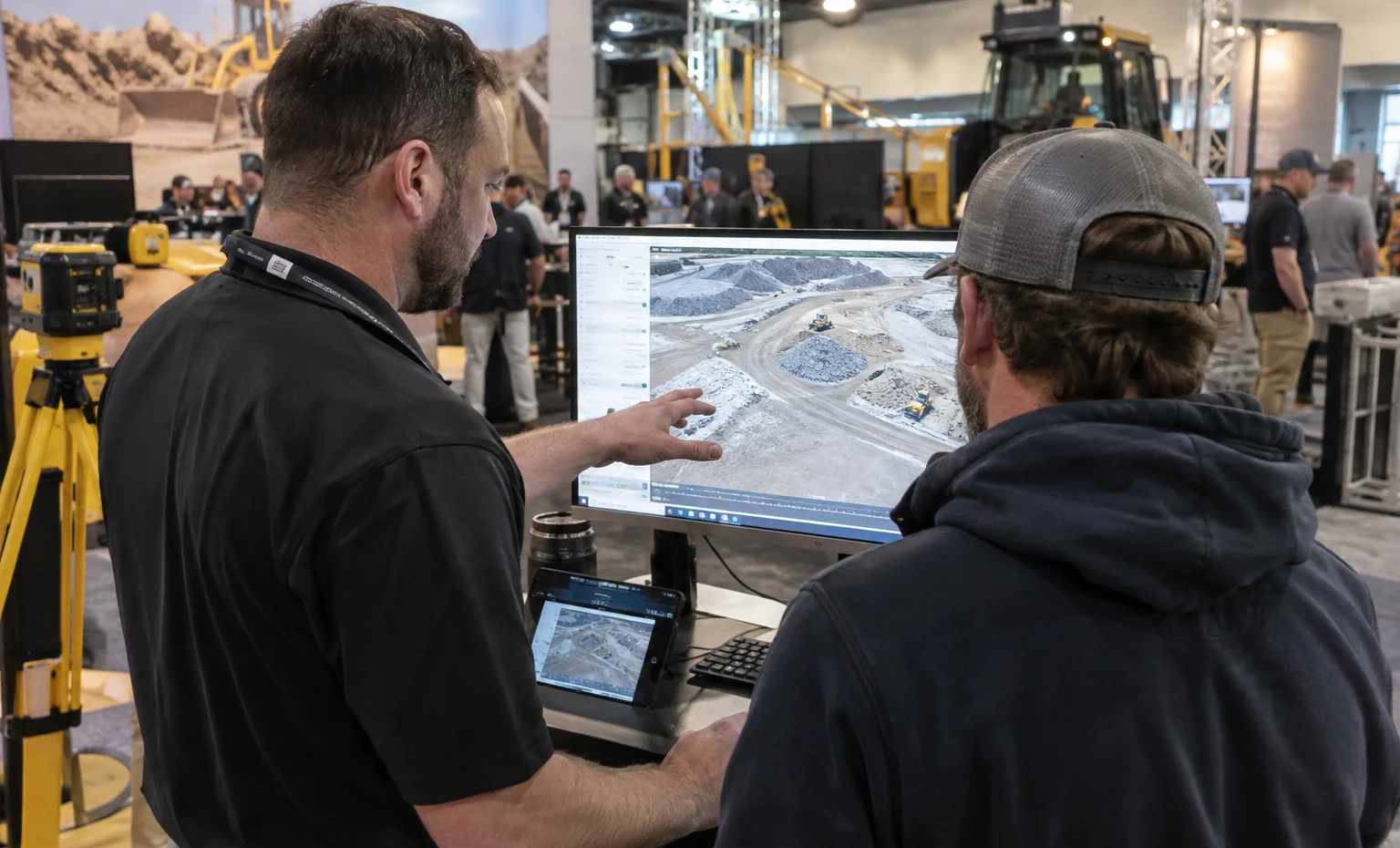
Begin with a field problem such as layout, estimating, documentation, fleet, safety or production control. Let the software or connected device show one clear action, then discuss how it fits the buyer’s existing operation.
Make the Indoor Booth Earn the Outdoor Demonstration
Use the indoor exhibit to qualify the contractor, explain the jobsite problem and schedule or direct the next product experience. The outdoor area should prove the equipment or method under its approved program, then return serious buyers to the correct sales contact. Record the locations, operating times, staff owners and follow-up method together. A shared message keeps the booth and live demonstration from behaving like two unrelated investments.


Show Enough of the Assembly to Make the Result Credible
A small chip may show color, but it rarely explains preparation, depth, reinforcement, joint, edge or installed finish. Choose the sample scale around the buyer’s question and show the relevant layers where possible. King Exhibits can quote stable supports and graphics after dimensions, weights and access are confirmed. The exhibitor supplies accurate application and performance information and approves any cutaway or mockup used to represent the construction system.
Reserve Equipment Access Before Adding Hospitality
Mark attachments, controls, doors, steps, moving areas, operator position, service panels, lift points and the sides contractors need to inspect. Confirm the handling and approved demonstration method before walls, counters or lounge seating claim the remaining space. King Exhibits fits the quoted structure and sales areas around that equipment zone. The manufacturer and current show-service teams remain responsible for accurate weight, placement, operation, utilities and authorized handling.

Carry the Jobsite Story into the Drawing, Graphics and Pack List

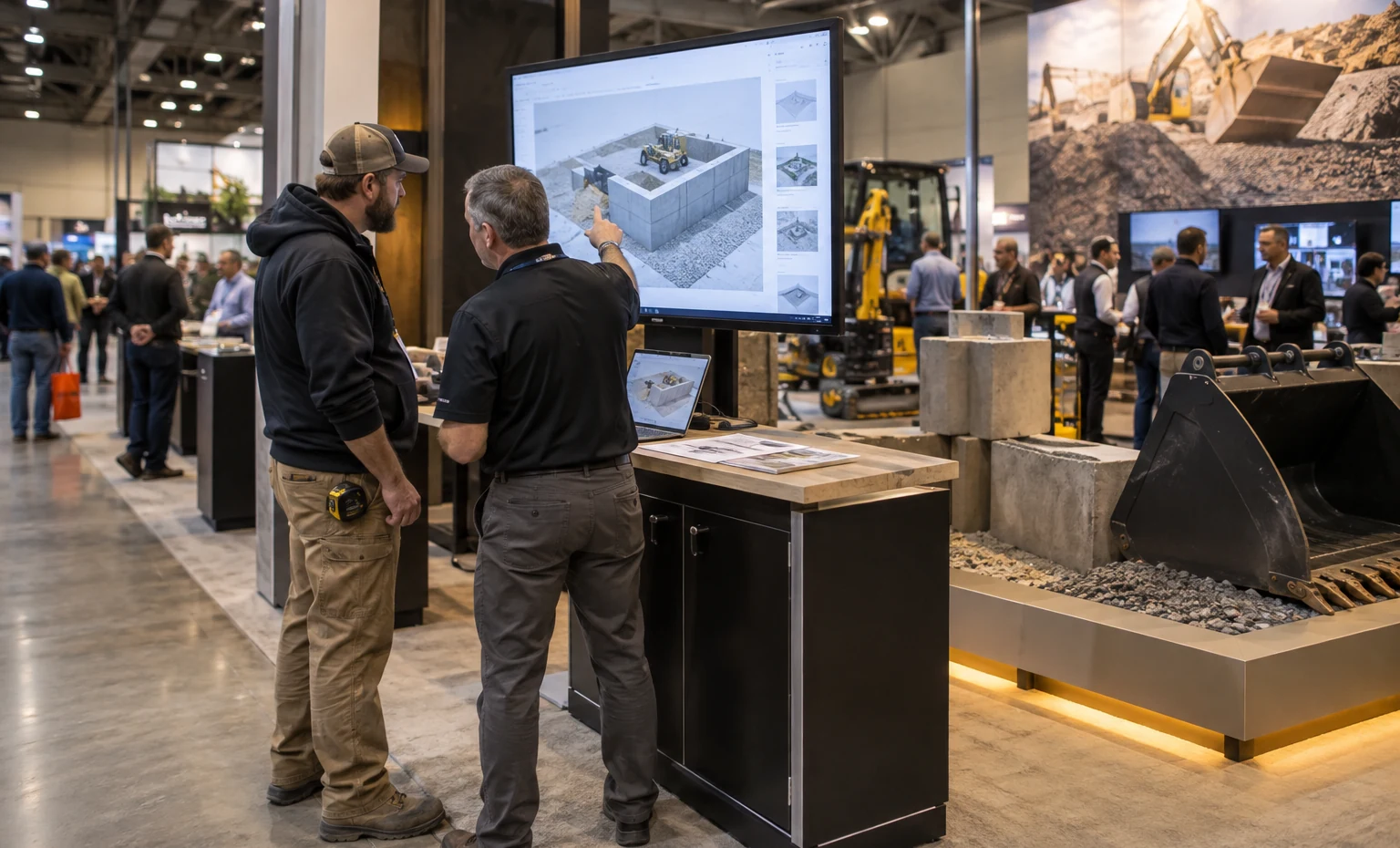
The approved plan can show the equipment or sample, required access, buyer viewpoint, graphics, screens, counters, storage and conversation areas together. A change to an attachment, slab size or demonstration method can then be checked against the booth structure and visitor route before production begins.
The accepted quotation identifies the rental, printed and selected custom exhibit pieces King will prepare. Those assets can follow the same position and piece references through production and packing. Equipment shipment, official handling, rigging, utilities, permits and outdoor-program tasks remain assigned separately, giving procurement a clear purchase and the onsite lead a usable responsibility map.
Move from the Jobsite Problem to a Buildable WOC Exhibit
What You Provide: Jobsite task, target contractor or producer, product, approved claims, finished result and desired next action.
What We Do: We turn the sales objective into equipment, sample, demonstration and conversation requirements.
What You Provide: Equipment and sample dimensions, weights, access, movement, operation, utilities, screens, storage and meeting needs.
What We Do: We establish the proof zone and shape the rental exhibit and visitor route around it.
What You Provide: Assigned area, current exhibitor information, handling, rigging, utilities, EAC, vehicle or demonstration requirements and shipment plan.
What We Do: We mark the booth-side interfaces, resolve conflicts and define the King scope before release.
What You Provide: Final layout, artwork, accepted quotation, equipment and sample plan, carrier details, show orders and onsite authority.
What We Do: We prepare and install the quoted exhibit assets, coordinate the agreed freight tasks and leave the approved product and demonstration areas ready for the exhibitor’s field team.
Yes, when the exhibitor has the appropriate outdoor assignment and current program approval. Treat the outdoor area as a separate operating plan, then connect it to the indoor booth through schedules, staff ownership and a clear buyer follow-up route.
Yes, subject to the assigned hall and current equipment, weight, access, handling and safety requirements. Provide installed dimensions, weight, attachments, operating status and required inspection sides before the booth plan is approved.
Use a scale that reveals the buyer’s decision: color and texture may need a panel, while reinforcement, joint, coating or repair systems may need a section or cutaway. Confirm weight, stability, access and approved technical claims.
These services follow the current WOC, venue and official-provider program. King can identify locations and coordinate agreed interfaces, but the quotation must state who orders, performs and pays for each official service.
Rental structures, graphics and sample supports may be adapted, but the booth assignment, hall or lot, venue rules, freight route, utilities and demonstration approvals must be rebuilt for the next event. Reuse should preserve the sales story without carrying outdated site assumptions.
Send the booth or lot assignment, target buyer, equipment/material/tool list, dimensions and weights, demonstration method, samples, utilities, graphics, screens, storage, meetings, freight origin and requested installation support.
Booth Sizes for World of Concrete Exhibitors
-
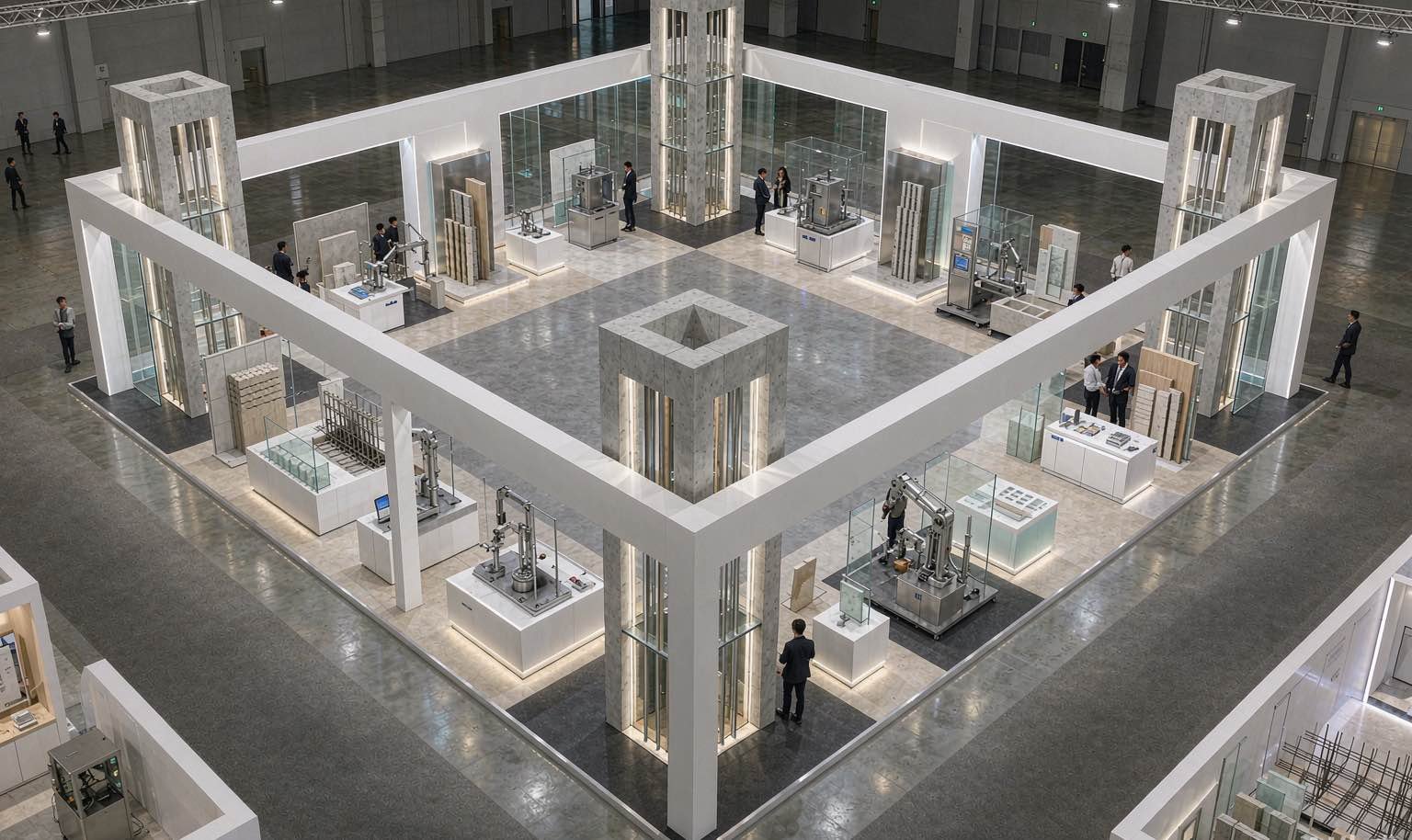
For a focused equipment, material or technology story with open contractor access.
-
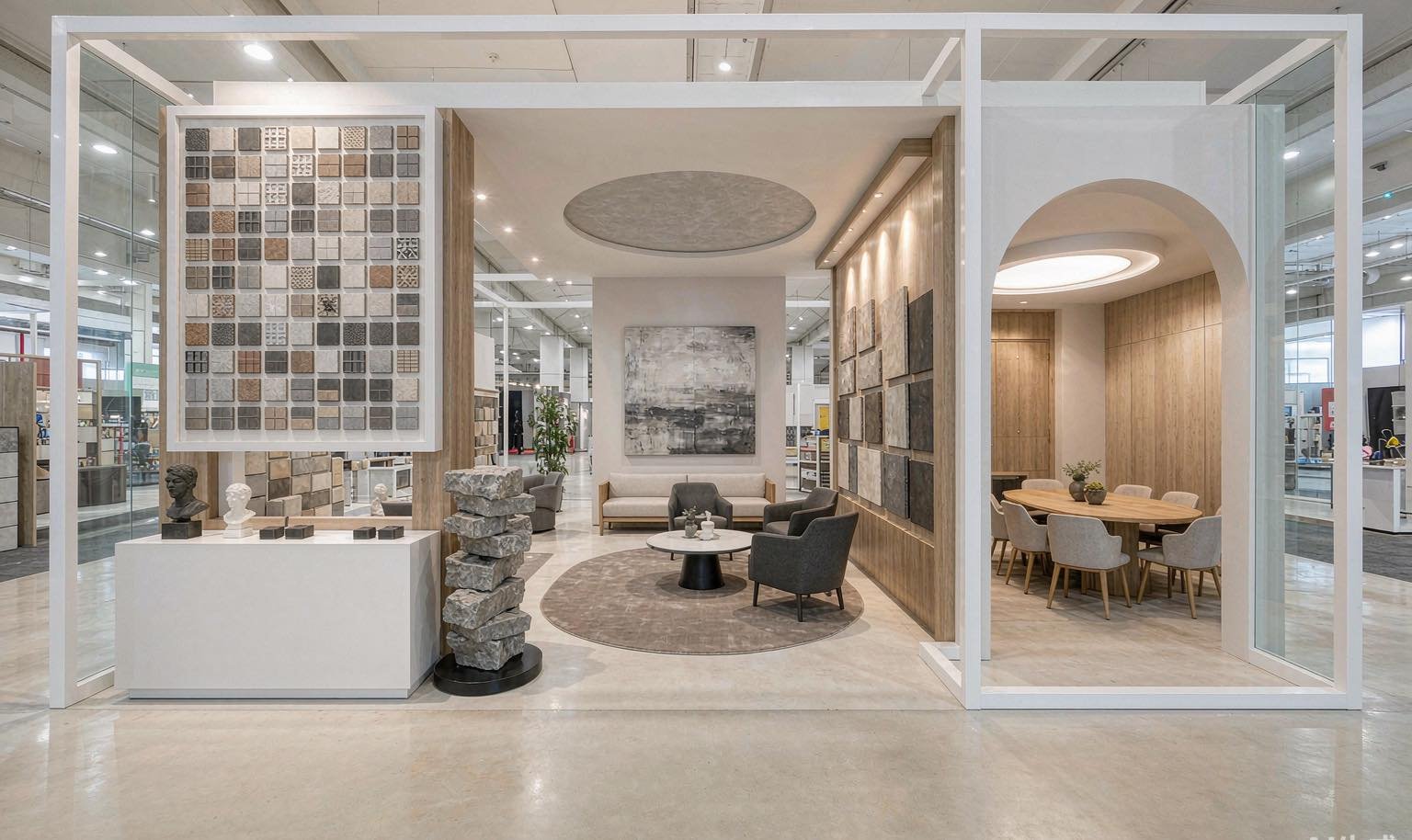
For larger equipment, full-size samples and separate demonstration and meeting areas.
-
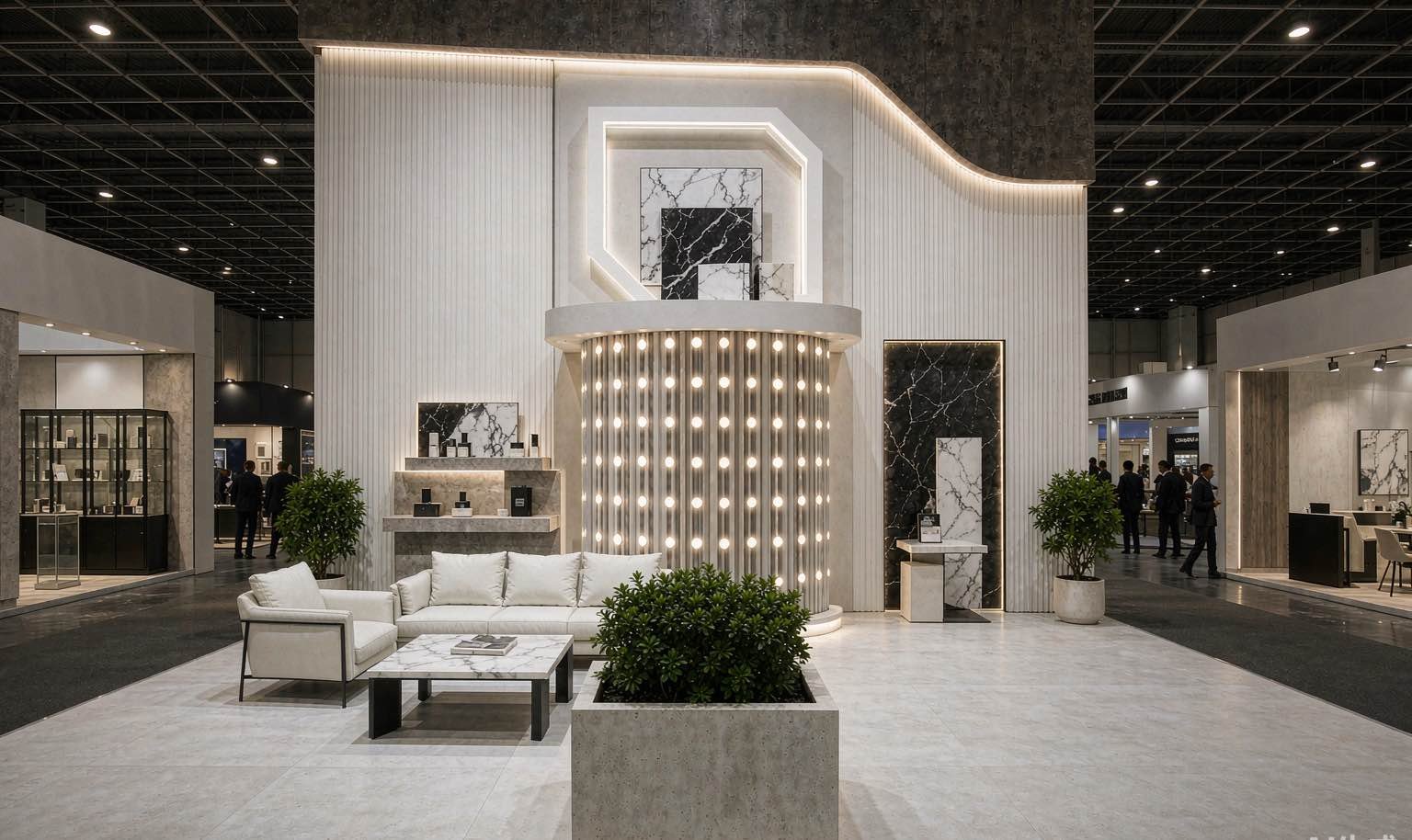
For multiple product systems, scheduled demos and dealer, contractor or producer meetings.