
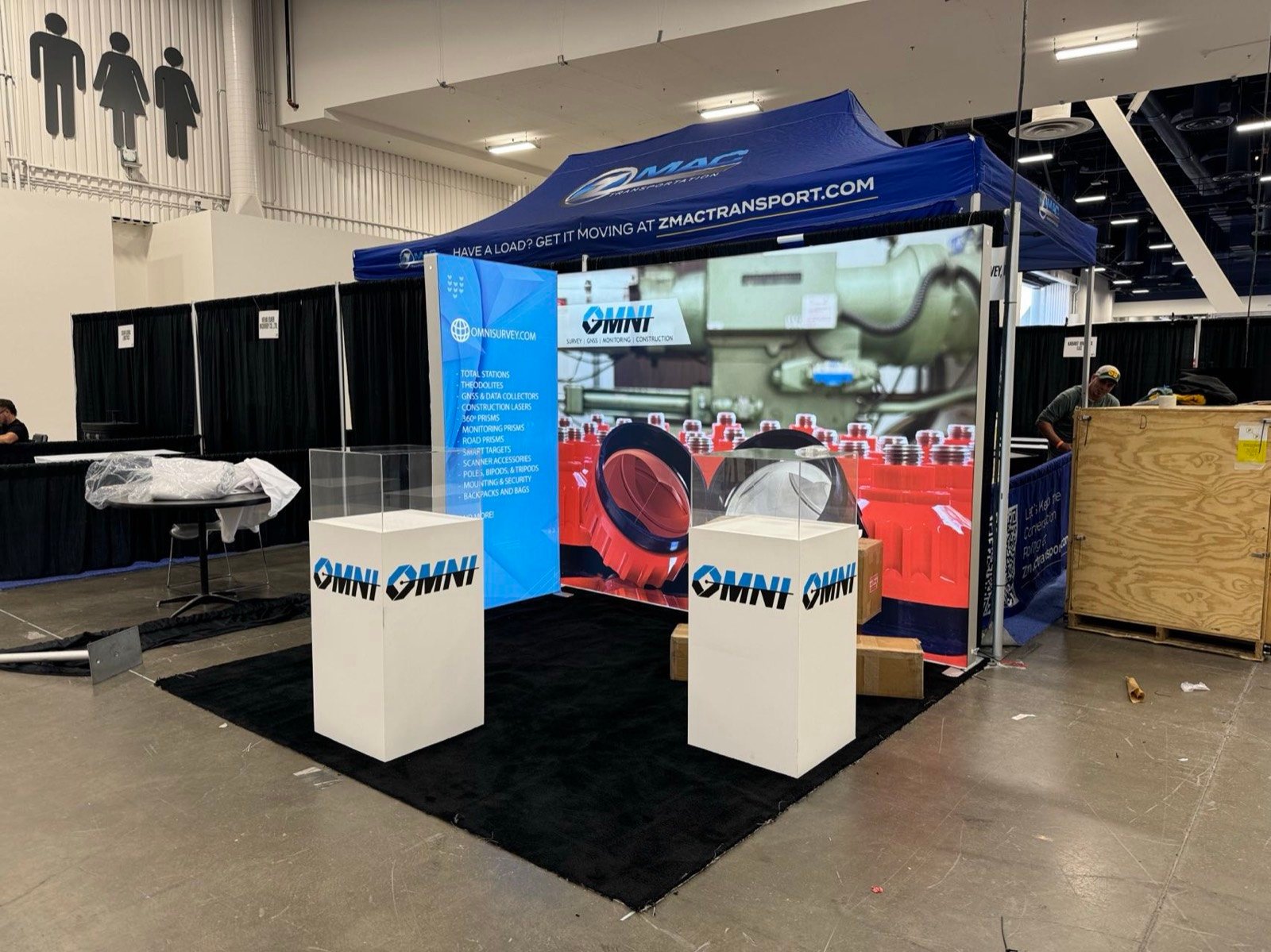
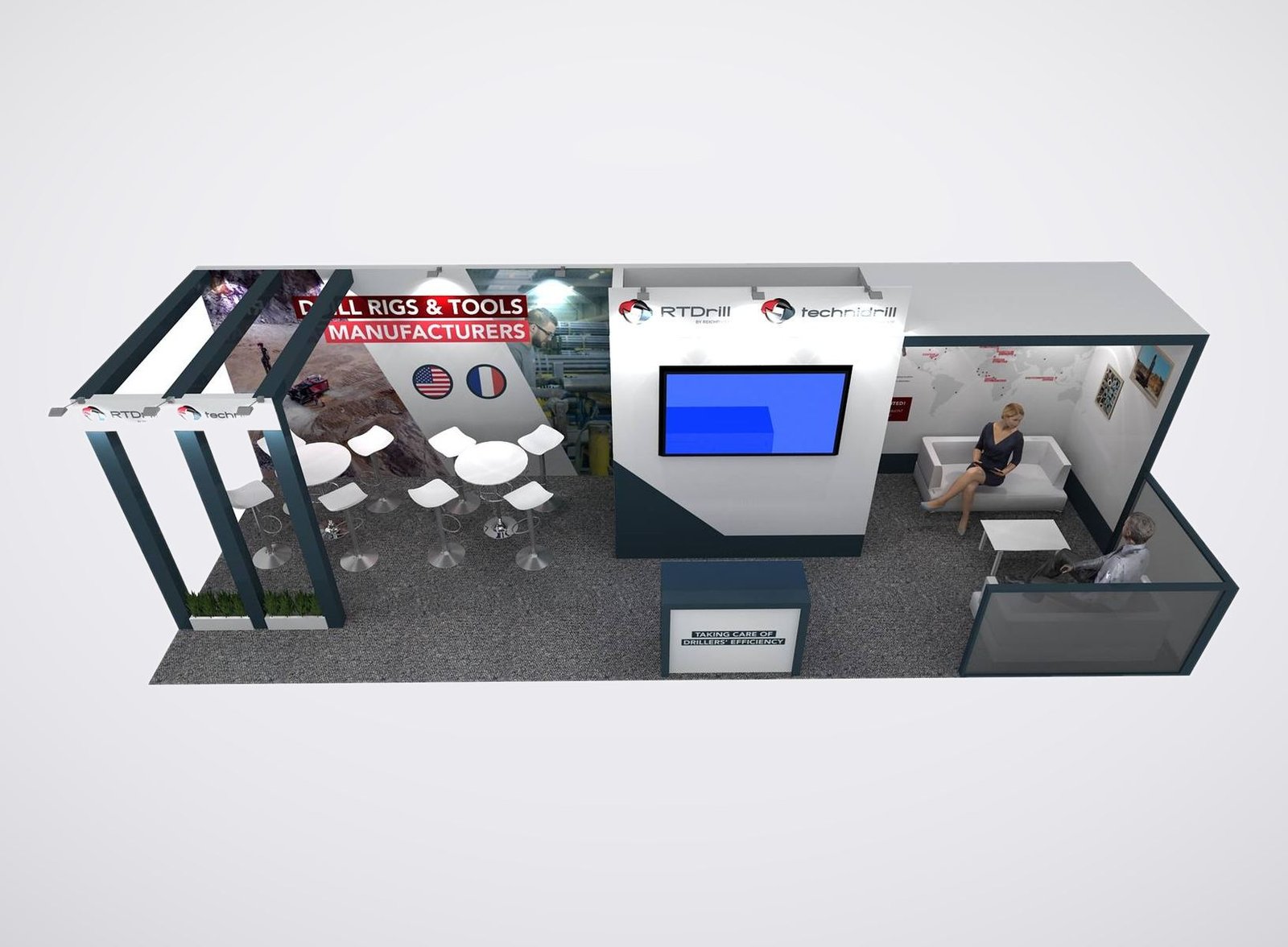
Start with What the Mining Buyer Can Examine
Full-Scale Equipment
Components and Application Proof
Technology and Service Command Point
Make the Booth Useful to Operators, Engineers and Dealers
MINExpo puts large machines, specialized components and technical services in front of buyers responsible for difficult operating conditions. The booth has to do more than make the brand visible across a crowded hall. It should help an operator recognize the mine stage or task, help an engineer inspect the relevant system, and give purchasing or a dealer enough context to continue a qualified conversation.For equipment, show the working and service sides instead of letting walls or hospitality close them off. For parts and consumables, explain the machine position, duty, material or maintenance event each item belongs to. For processing, power, automation and digital systems, build a short path from mine data or material input to the operating result. The sales team can then adjust the depth without restarting the story for every visitor.King Exhibits develops the MINExpo exhibit rental around those decisions. The accepted proposal can include 3D design, rental walls or towers, branded graphics, illuminated identification, screens, counters, product supports, storage and meeting areas. Selected custom features, packing, freight coordination and installation or dismantling are included only where the quote names them.Heavy equipment, vehicles, rigging, utilities, machinery handling, material handling, EAC requirements and other show services follow the current exhibitor program. We identify where those services touch the booth design and shipment, while the exhibitor, organizer, venue and authorized providers retain their own technical and onsite responsibilities.
Give Large Equipment Enough Room to Sell
Mark the equipment body, attachments, steps, doors, controls, service panels, moving areas and every side the buyer needs to inspect. Then protect a clean approach, a staff explanation point and a place to continue the discussion. King Exhibits fits the quoted rental structure, identification and support spaces around that approved equipment zone. The manufacturer and show-service teams remain responsible for accurate weights, placement, operating requirements and authorized machinery handling.
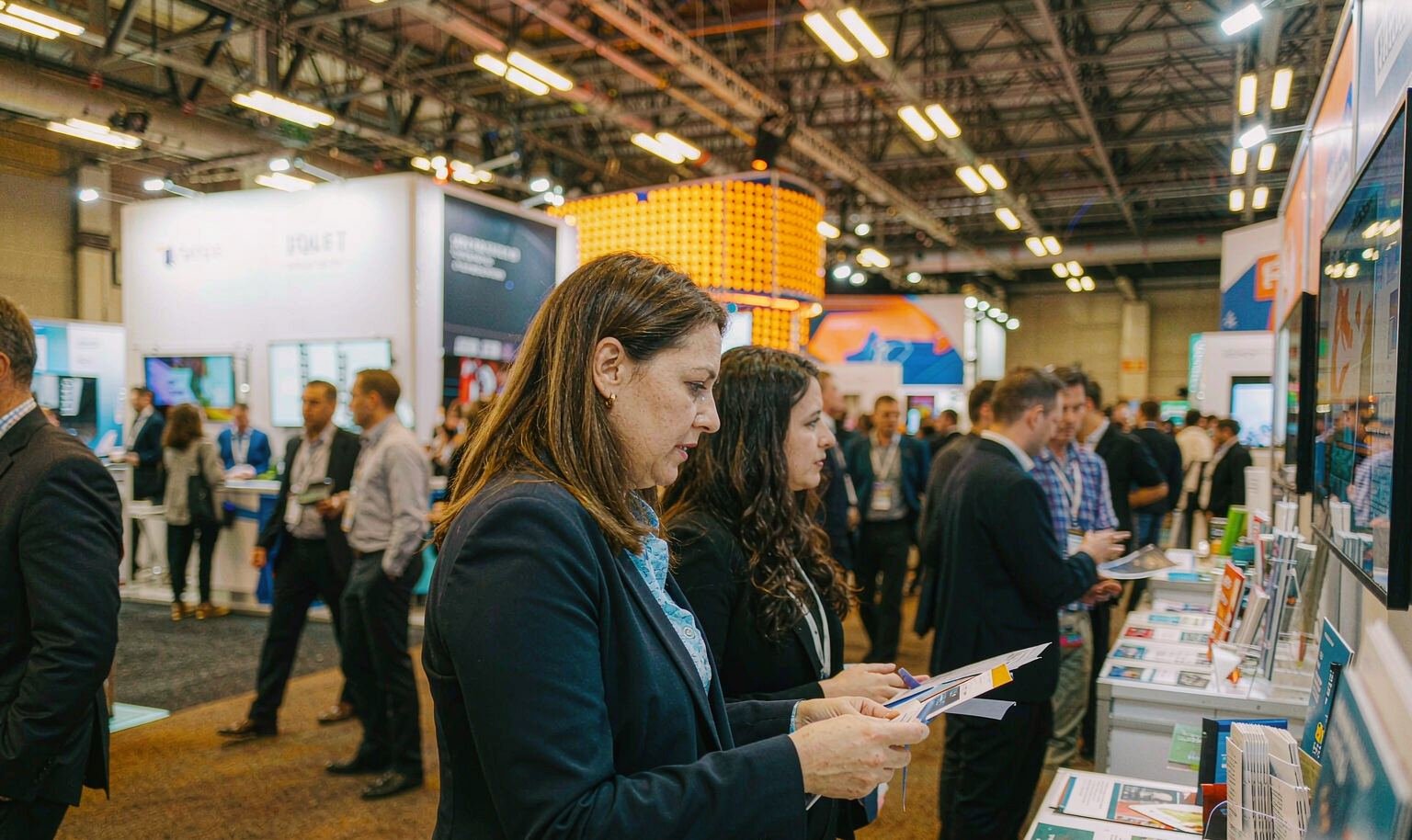
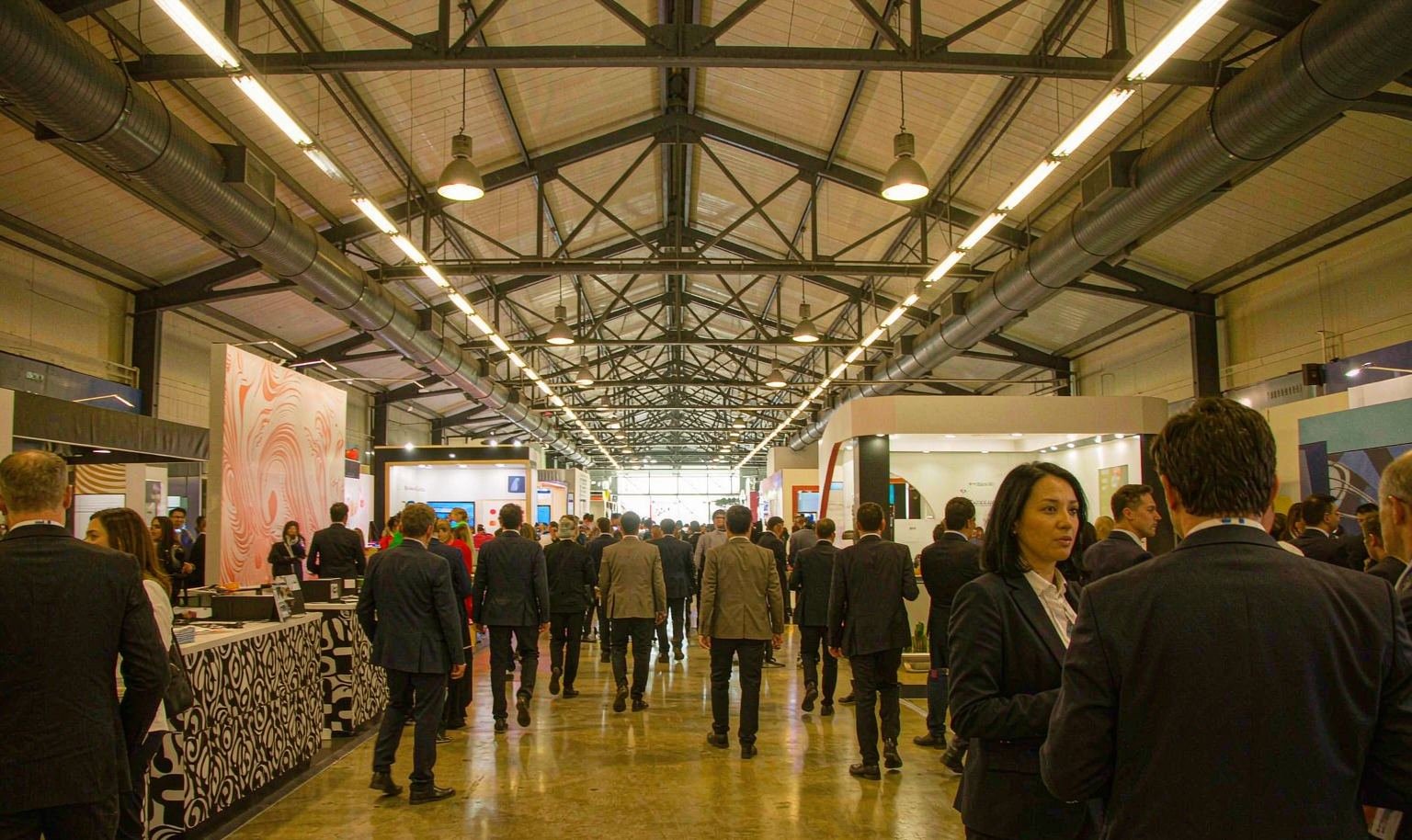
Sell the Mine Application When the Full Machine Stays Home
A cutaway, wear part, tool, sample or scale model becomes valuable when the visitor can place it inside a real mining task. Name the equipment, operating stage or maintenance problem first, then show where the product fits and what the technical team should discuss next. The booth can combine secure supports, concise graphics and a nearby screen without pretending the model is full scale. This approach keeps the sales message concrete when shipping the complete system is impractical.
Keep International Teams on the Same Project Record
MINExpo projects often combine equipment, samples and staff from more than one country or facility. Record each shipment owner, packed piece, delivery route, onsite contact and service dependency beside the approved booth plan. King’s packing list can cover the exhibit assets in our scope, while the equipment shipper supplies its own accurate weights and handling data. One reconciled record reduces last-minute disagreement between marketing, engineering, freight, the installer and the person authorizing changes onsite.
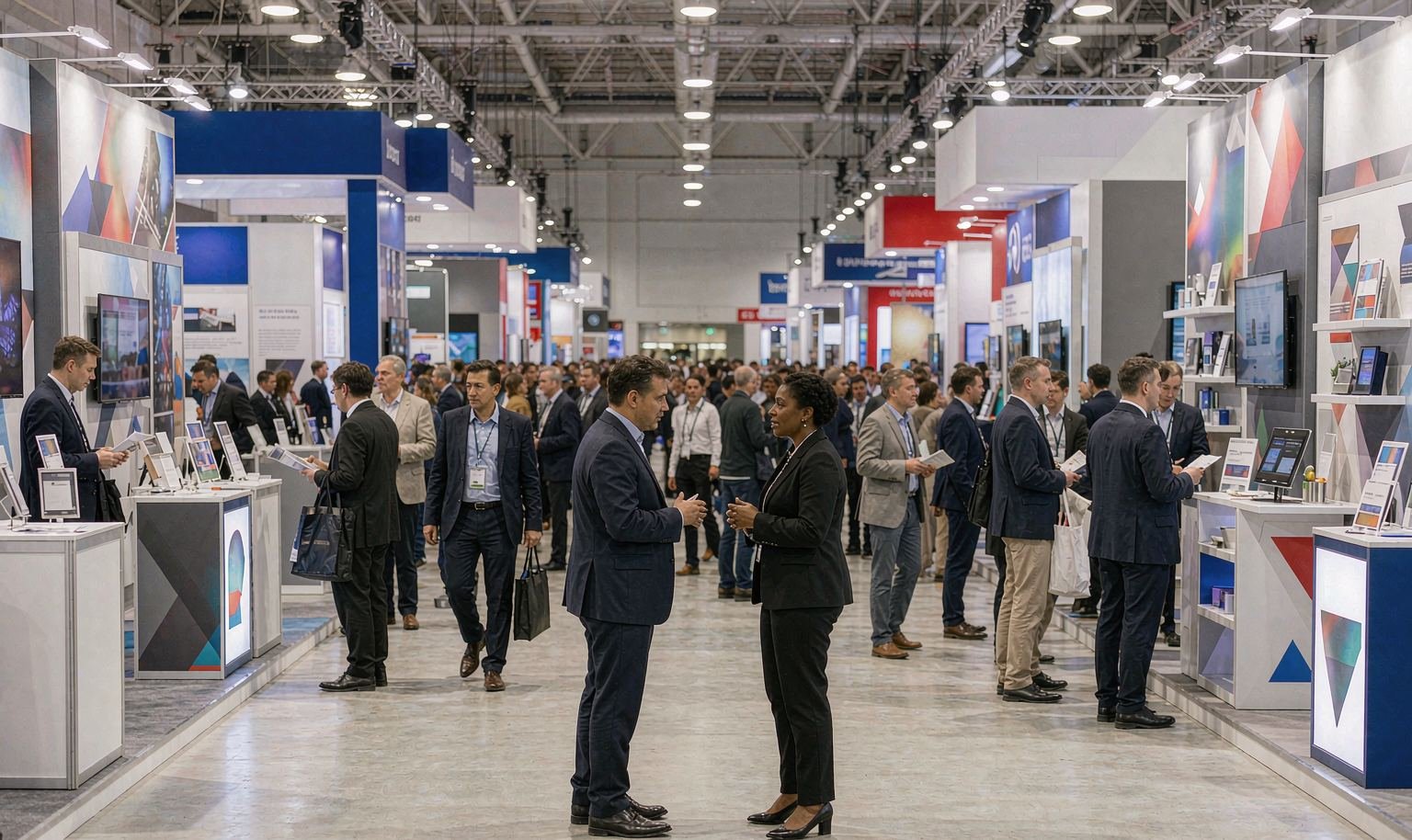
Connect the Mining Story to Every Exhibit Asset


The approved plan can show the equipment or product positions, open sides, buyer route, sample access, screens, graphics, counters, storage and meeting areas together. This makes a technical change visible before it reaches fabrication: a larger component affects its support, a new service door affects the wall, and a changed machine position affects viewing and graphics.King Exhibits prepares the rental, printed and selected custom assets named in the quote and links them to the production and packing record. Procurement can compare the proposal with the actual booth deliverables. The event and engineering teams can keep machinery, official handling, rigging, utilities, carrier work and show approvals in a separate responsibility list without losing their connection to the exhibit plan.
Match the Booth Deliverables to the Mining Offer

Prioritize installed scale, product access, visibility from the aisle, operator or presenter position and serious meetings. Rental architecture should frame the machine and hold graphics, storage and hospitality outside its working or inspection space.

Use accessible or secured physical parts, application labels, machine-location diagrams and comparison surfaces. Give maintenance and reliability buyers a place to discuss duty, replacement cycle, compatibility and support.
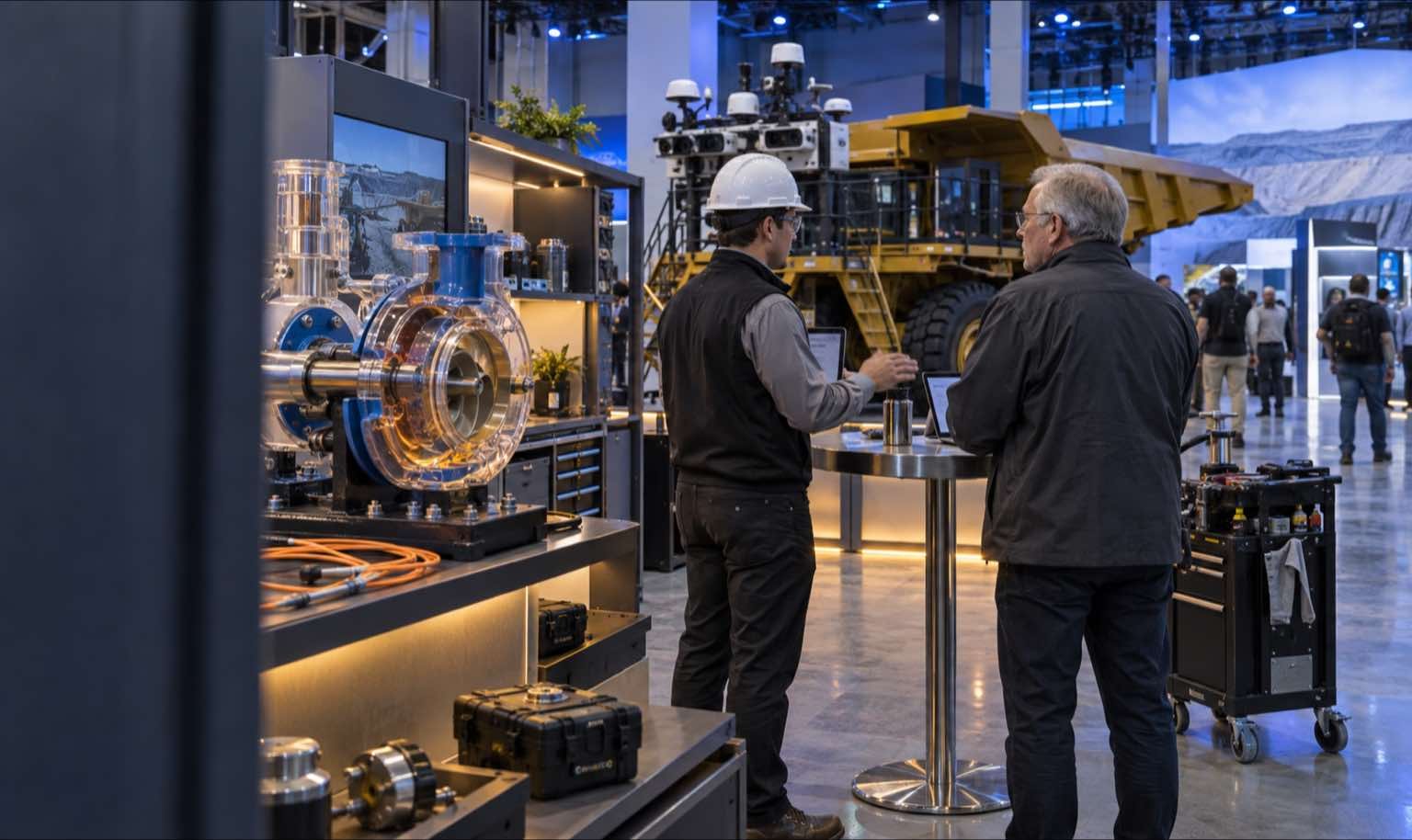
Build screens and graphics around one recognizable site workflow. Pair the explanation with a comfortable project conversation where operations, technical and commercial teams can discuss the next review.

Move from Mine Application to an Approved Exhibit
What You Provide: Mine stage, application, target role, product or service, approved claims and the next technical or commercial action.What We Do: We identify the physical proof, explanation and conversation the booth must support.
What You Provide: Equipment, components, models, samples, weights, installed dimensions, access requirements, screens, graphics and meeting needs.What We Do: We place each object and design the rental booth around the required scale and visitor route.
What You Provide: Current exhibitor information, carriers, origins, handling, rigging, utilities, labor, EAC and onsite contacts.What We Do: We align the quoted exhibit assets with the confirmed delivery and service interfaces before production release.
What You Provide: Approved 3D design, final artwork, accepted quotation, final equipment data, show orders and change authority.What We Do: We prepare the King assets in scope, coordinate accepted freight and I&D tasks, and hand over the completed exhibit area for equipment, samples and sales content.
Yes. Supply the installed footprint, weight, attachments, access sides, steps, controls, movement, utilities, handling method and the views buyers need. The rental structure and sales areas can then be planned outside the confirmed equipment zone and current show requirements.
Use real components, wear parts, cutaways, samples, scale models, video or a digital workflow that connects clearly to the mine application. The strongest substitute lets a buyer inspect something physical and understand what the full system would change at the site.
Those services follow the current MINExpo, venue and official-provider program. King can identify booth interfaces and coordinate agreed tasks, but the proposal must state who orders, performs and pays for machinery handling, rigging, utilities and other official services.
Provide dimensions, weight, center of gravity, access, handling and security requirements. The booth can use a suitable quoted support or supervised display method, while the product owner confirms that the part and mounting method are safe for public exhibit use.
The quote can include agreed design, exhibit assets, packing, freight coordination and I&D support. The exhibitor and freight partners remain responsible for customs, equipment documents, accurate weights, import status and carrier obligations. Assign one decision-maker who can approve changes during U.S. working hours.
Send the booth assignment, target buyer and mine application, equipment or product list, installed dimensions and weights, access requirements, samples, graphics, screens, meetings, storage, shipment origins, official services and requested onsite support.
Booth Sizes for MINExpo Exhibitors
-
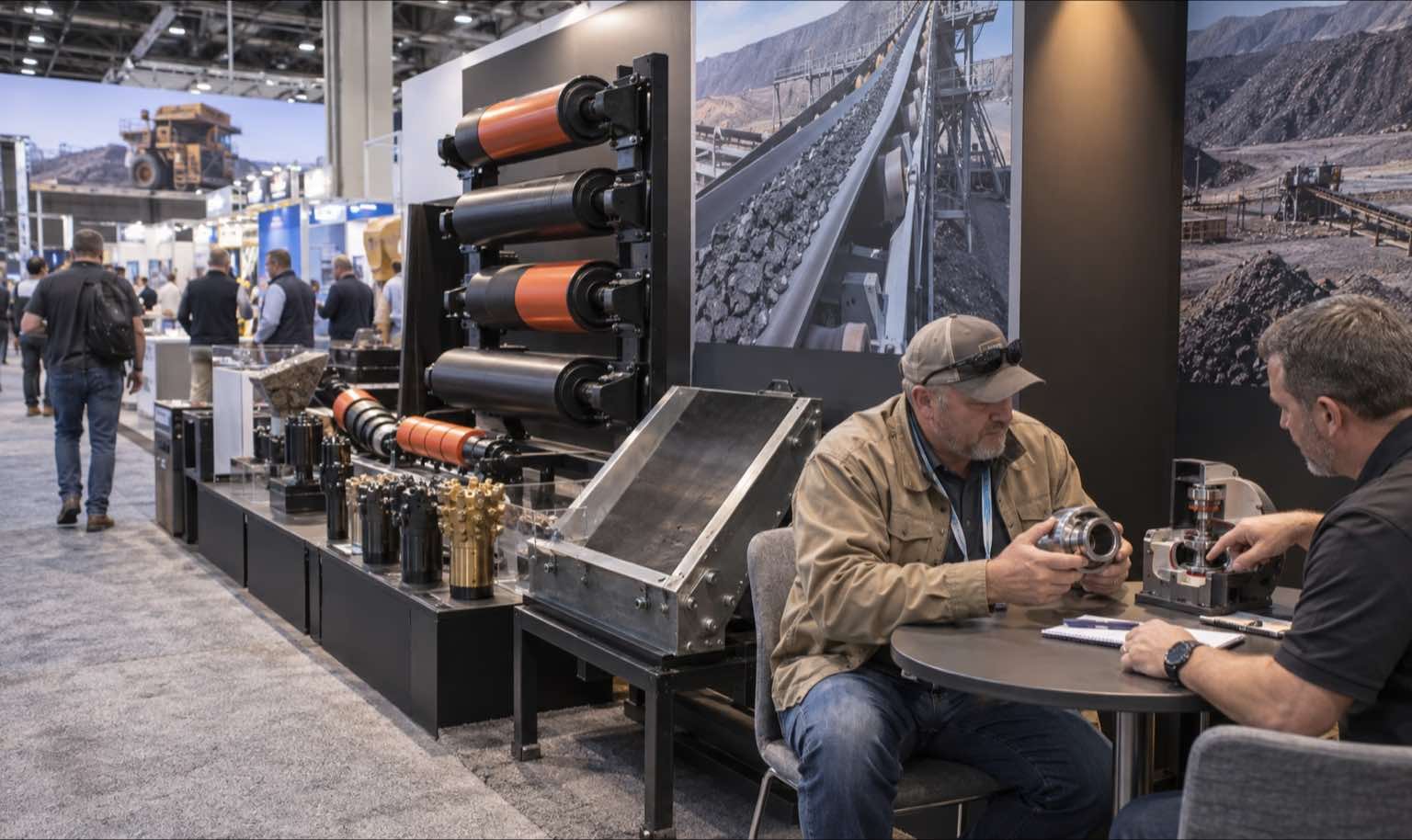
For components, tools or technical services that need a longer product and application sequence.
-

For equipment, several product groups and separate inspection and meeting areas.
-

For larger mining systems, multiple buyer routes and scheduled distributor, operator or engineering meetings.