


Give Us the Inputs That Control the Mitchell Booth
We review six items before the design and quotation move forward:
• Show, venue and assigned booth location
• Footprint, open sides and floor plan
• Products, demonstrations and visitor actions
• Brand files, graphics and screen conten
• Budget range and target approval date
• Freight, installation and dismantling scope
Give a Small Footprint One Clear Job
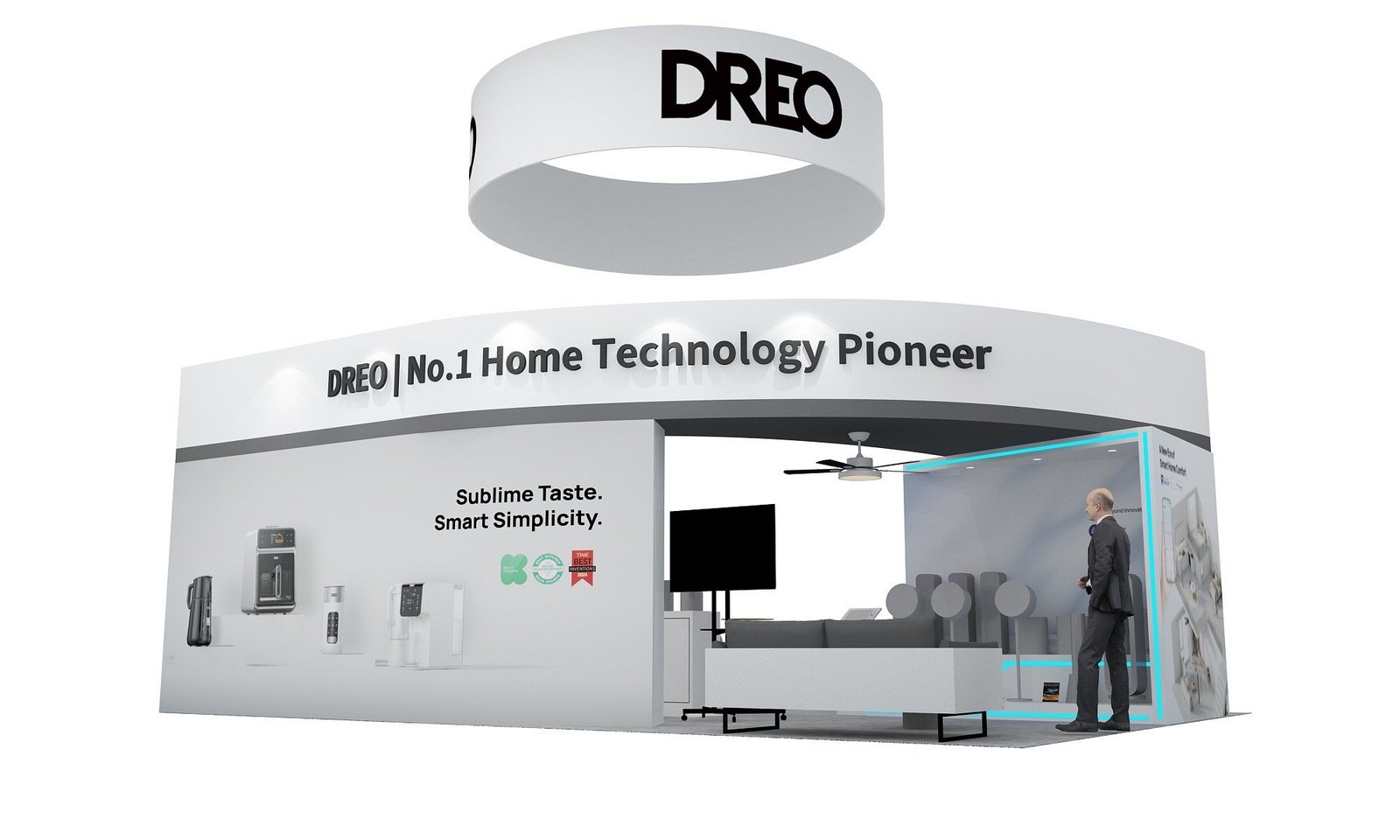
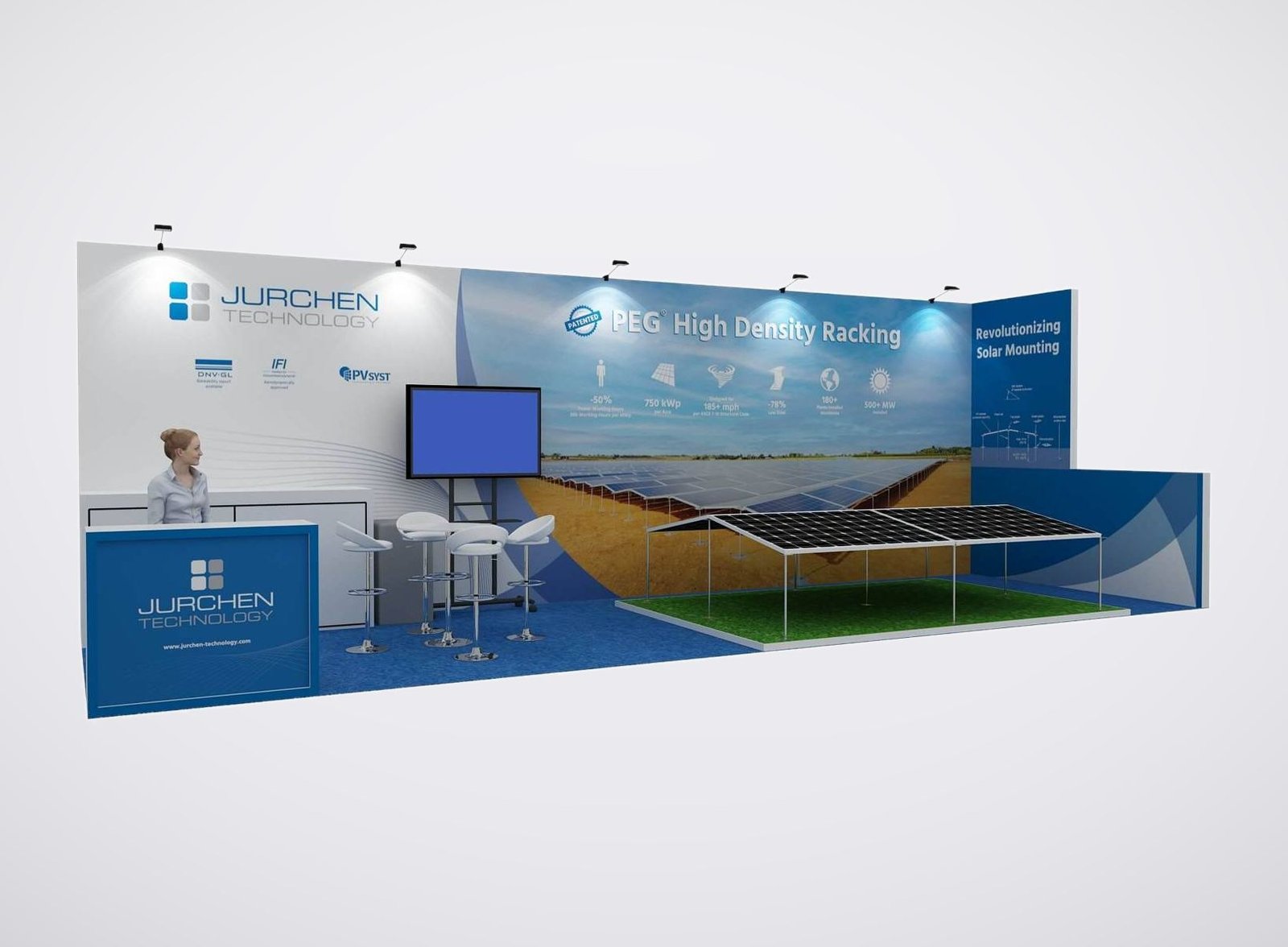
Mitchell events at the Corn Palace can combine vendors, entertainment and heavy public traffic. In that environment, a booth succeeds when visitors can identify the company, understand the offer and start a useful conversation within a few steps. Too many messages, samples and loose display pieces make the space harder to shop.The design begins with a single commercial objective. A product launch may need a demonstration counter and a strong feature comparison. A service company may need a simple problem-and-result story with space to qualify leads. A dealer or distributor may need accessible literature and a clear territory message. That objective determines whether the best solution is a compact rental wall, an illuminated graphic, a counter-led display or a small modular environment.
Design for Conversation Without Depending on Volume
The Corn Palace vendor rules restrict amplified sound unless written permission is obtained. Even when a different Mitchell event applies different rules, the lesson is useful: a booth should not require loud audio to work.Graphics need to carry the first explanation. A silent product loop can support the message if the screen, power and content are approved. Physical samples should sit at a height and distance that encourage inspection without spilling into the aisle. Storage belongs behind or inside the selling surface so cartons and personal items do not become part of the display.
Put the Budget into the Surfaces the Room Can Use
A Mitchell vendor space rarely benefits from oversized architecture. A fitted table presentation, portable backwall or compact 10×10 rental can create a complete brand environment when the main message, sample and conversation point are given deliberate positions. A screen or illuminated graphic belongs only when the program rules and available power allow it to improve the sales exchange.Cost is driven by the graphic area, counter or sampling fixture, media, shipping method and whether the team will set up a portable kit or use an agreed field service. King Exhibits checks the graphic fit, fixture interfaces and packing order before shipment. That operating proof matters more in a small booth than adding decorative parts that do not help a visitor understand the offer.
Keep Sampling and Utilities in the Design Brief
Food, beverage, plumbing or powered demonstrations create responsibilities that cannot be solved on move-in day. Current event rules, sanitation requirements, water disposal, insurance and service access need to be checked before the counter is released for production.This affects commercial choices. A wet demonstration can require a different counter, protective finish and service route. A simple packaged sample may need only organized storage and a controlled handoff point. The quote should reflect the approved operating method instead of including equipment that the event will not permit.
Build the Mitchell Brief
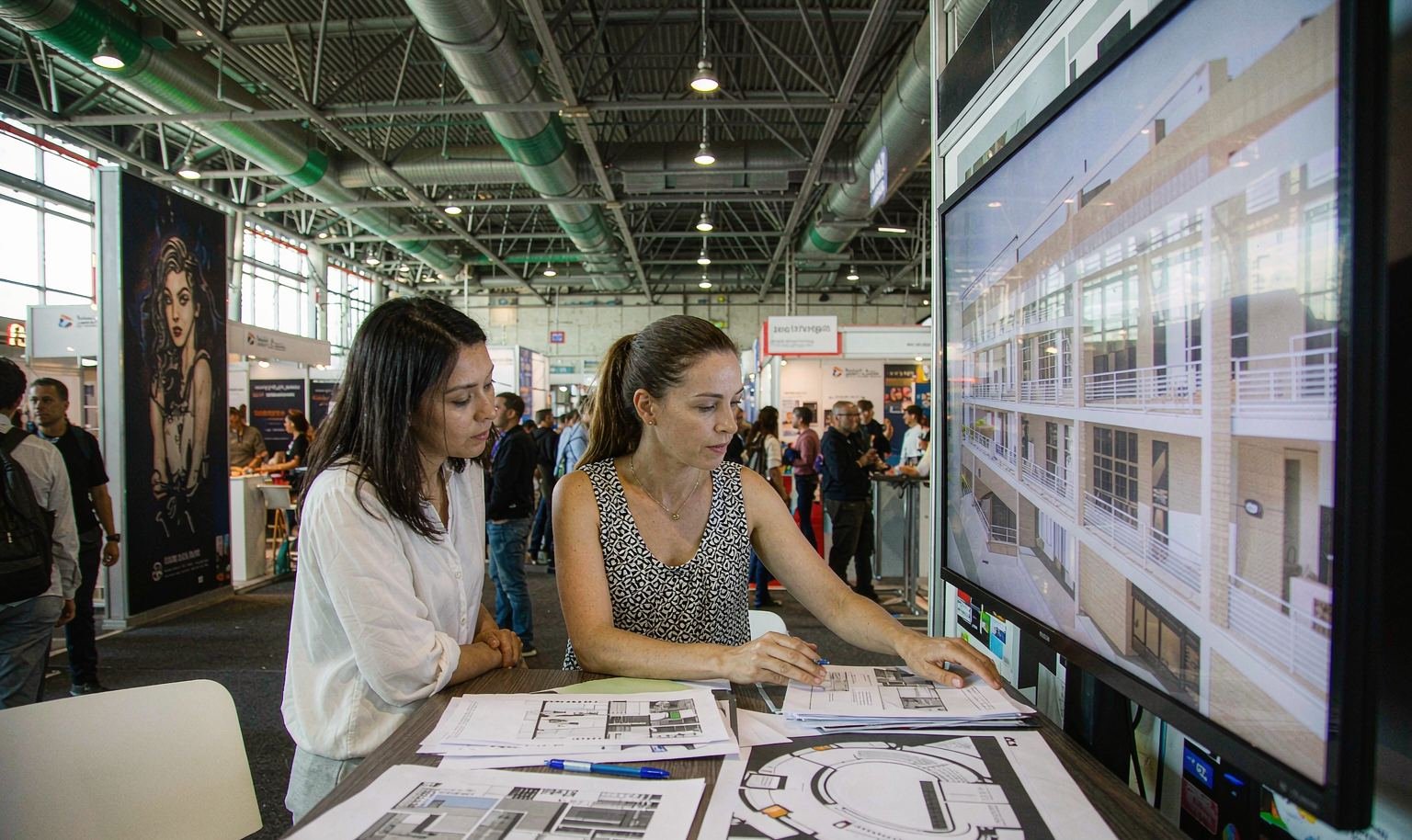
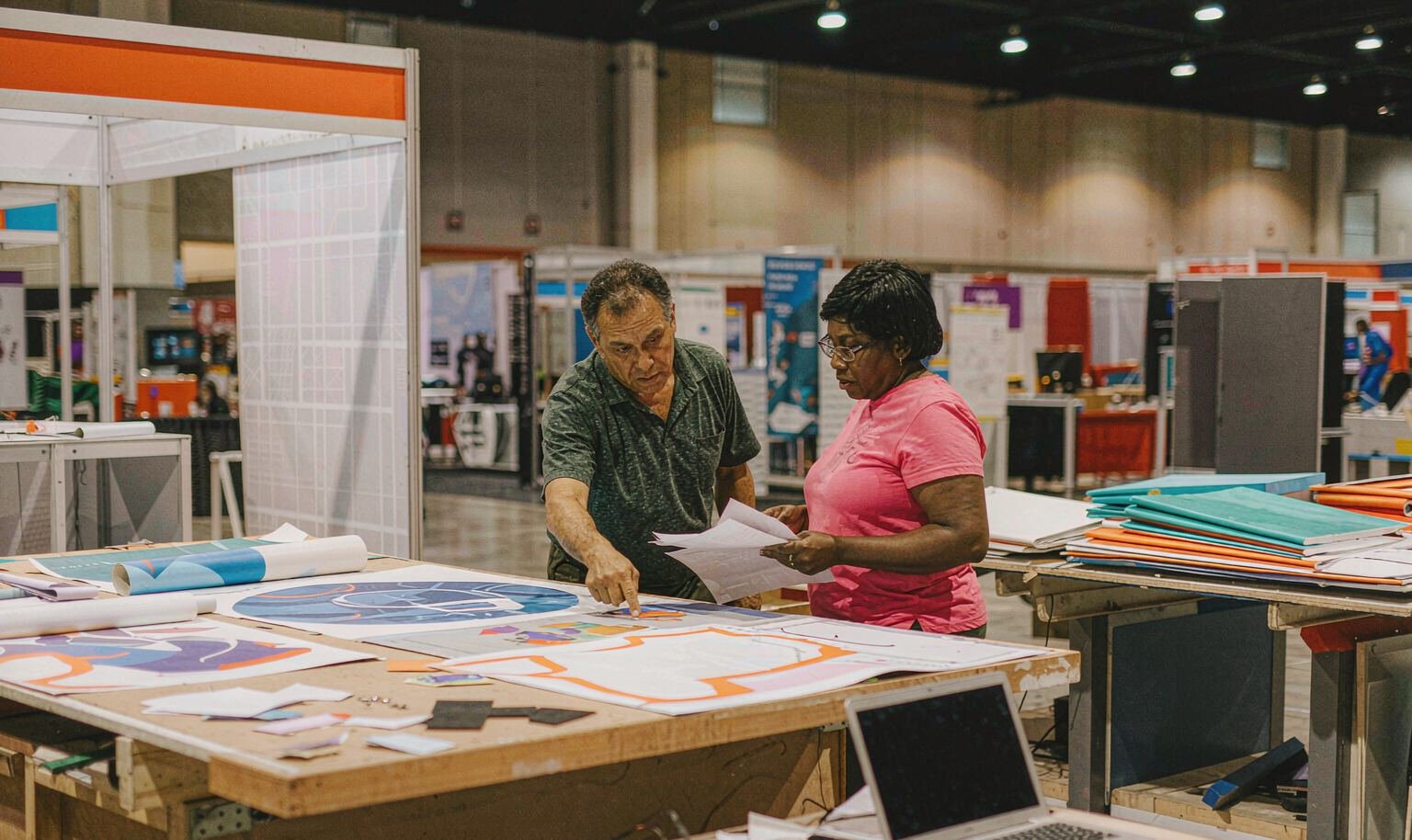
Provide the event, booth dimensions, assigned location, products, demonstration method, graphic files, electrical needs and setup schedule. The resulting quote can then separate the rental display, new branded production, customer-supplied items and any agreed field work.Before the team can build the mitchell brief, list each device, load, connection point, operator position and test owner in the city show brief. King Exhibits can use that schedule to coordinate mounts, openings, cable access and visitor clearance in the 3D and production drawings. The buyer can then review booth fabrication and official service orders against the same operating plan.
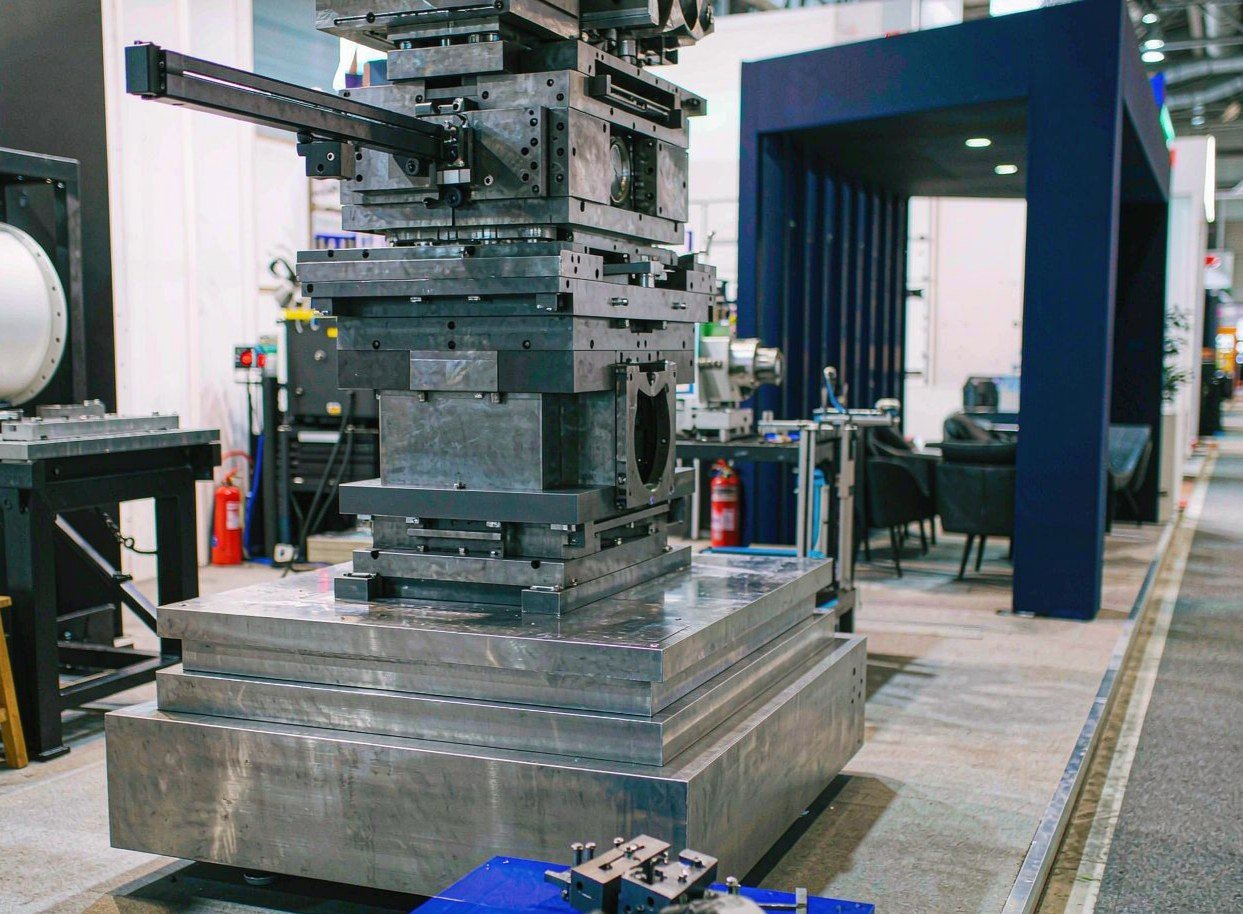
STEER — 30×30 Exhibit at NPE 2024, Orlando
This completed project gives teams planning Mitchell a verified reference for exhibit scale, product presentation and visitor access. The verified project record identifies STEER, a 30×30 footprint, NPE 2024 and Orlando. For the Mitchell brief, use the example to discuss the level of finish, product visibility and production scope needed for the new booth. The layout will still be rebuilt around the assigned space and its current operating requirements; the example demonstrates capability and is not presented as a local installation.
Keep Design, Production and Field Scope Connected
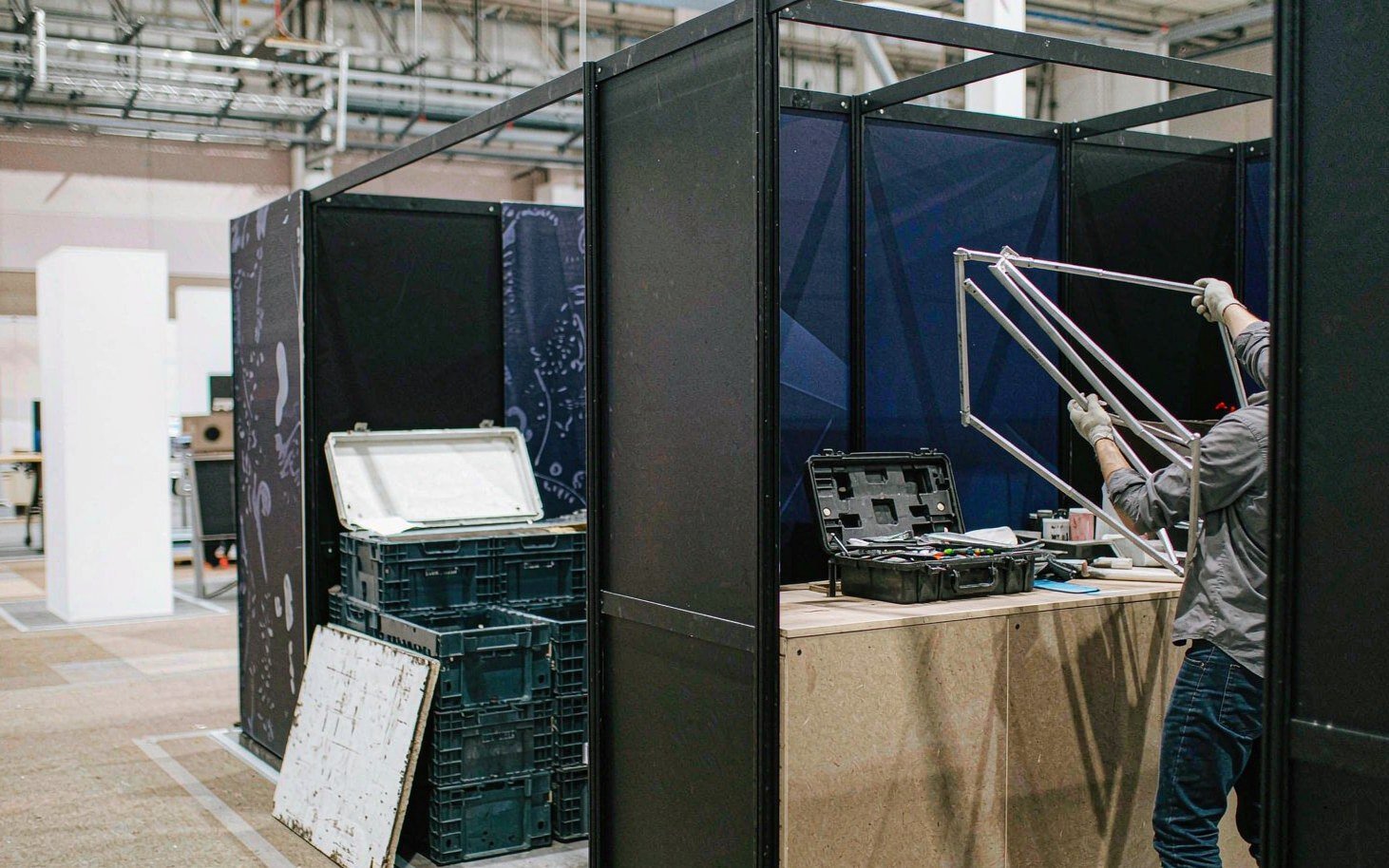
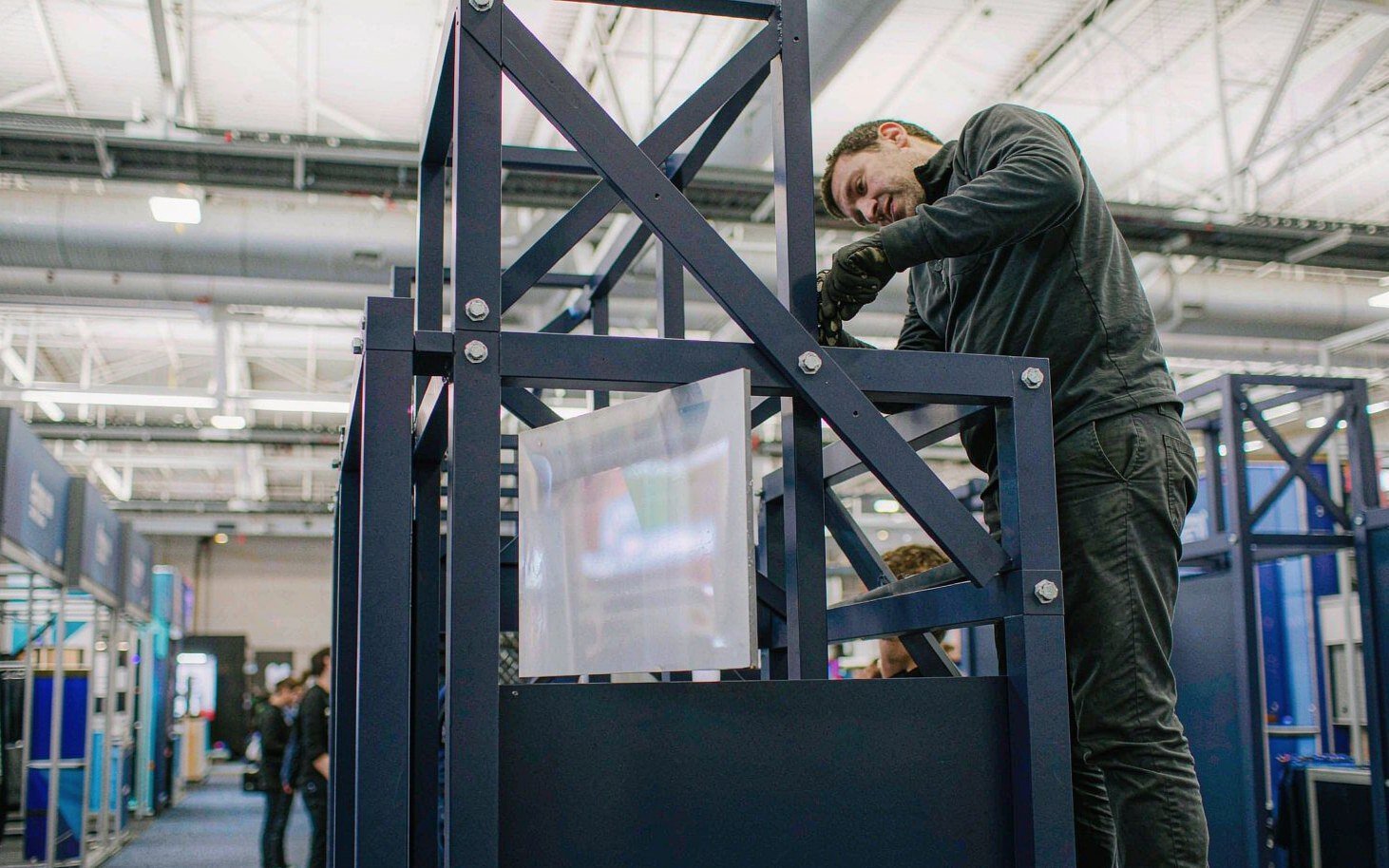
For Mitchell, the approved design should stay connected to the pieces that are produced, packed and installed. King Exhibits has supported U.S. exhibit projects since 2008. Our Las Vegas-based production support connects 3D visualization with rental preparation, custom graphics, CNC work and wood fabrication. When the project scope calls for it, key components can be assembled and checked before packing. The production record carries the approved local freight, service and reuse decisions into packing and field instructions. Freight and the floor work accepted in the quotation then follow that written scope.
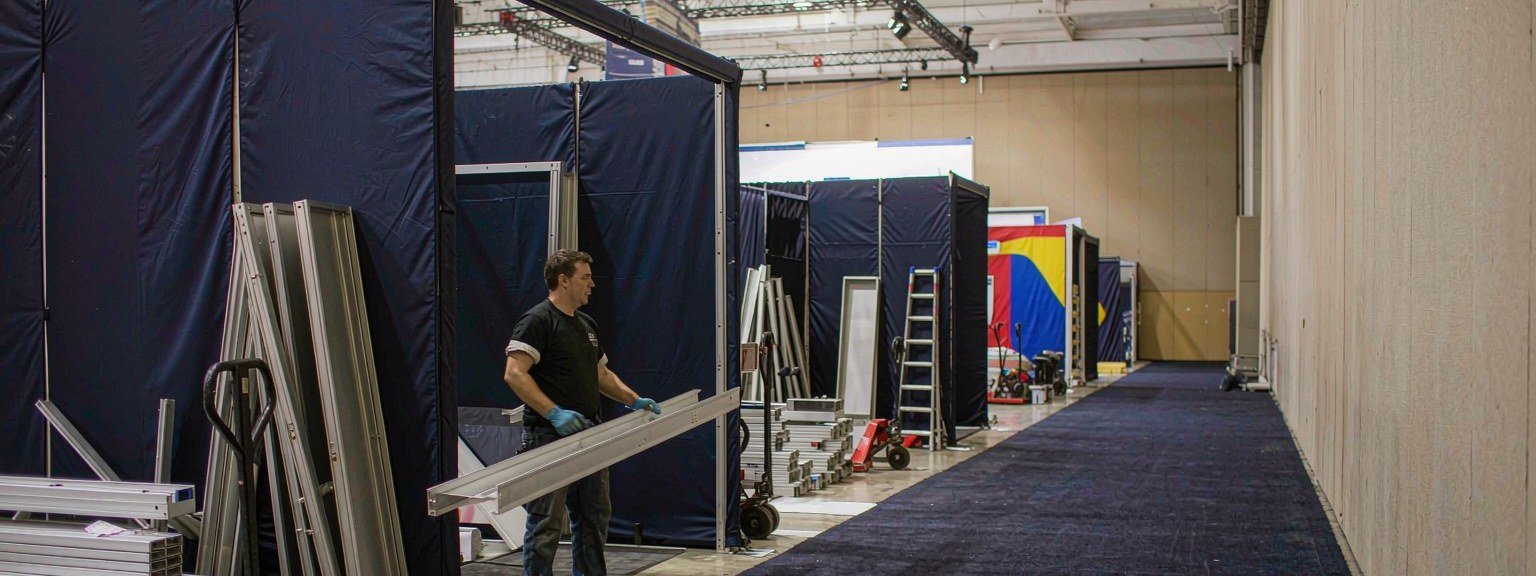
How the Mitchell Booth Moves from Brief to Show Floor
Each stage turns customer information into a defined project output.
You provide the event, assigned venue, booth location and floor plan, footprint, products, budget and deadline. We identify missing organizer and technical information. The output is one usable Mitchell project brief.
We use the confirmed Mitchell operating brief to shape visitor flow, product placement, services and structure. You review the 3D direction and functional fit. The output is an approved layout basis.
You approve dimensions, artwork and final product information. We carry the approved Mitchell freight and service assumptions into rental preparation, fabrication, graphics and packing. The output is a production record.
You confirm the current organizer instructions, carrier plan and authorized floor contacts. We coordinate the freight and field work accepted for Mitchell. The output assigns installation, dismantling and outbound responsibilities before dispatch.
Yes. Custom graphics, a shaped header, integrated shelving or a purpose-built counter can give a compact rental system a specific brand identity. The design should add only the elements that support recognition, product proof and conversation. King Exhibits uses the current Mitchell show, assigned space and visitor goal to turn that decision into a buildable exhibit plan.
Only after the current event and venue rules are confirmed. The Corn Palace festival packet, for example, controls amplified sound and includes requirements that affect sampling and utilities. Those live documents should be reviewed before equipment is specified. King Exhibits uses the current Mitchell show, assigned space and visitor goal to turn that decision into a buildable exhibit plan.
The main variables are the display format, graphic coverage, custom counter or product holder, power and media needs, shipping, and the chosen setup method. A complete quote separates those items from organizer charges. Review that scope beside the organizer, carrier and official-service charges so procurement can see the complete project budget before approval.
Yes. A reusable frame can carry event-specific graphic panels or fabric skins. The next footprint and attachment details still need to be checked before replacement graphics are produced. King Exhibits uses the current Mitchell show, assigned space and visitor goal to turn that decision into a buildable exhibit plan. This lets procurement compare the exhibit scope with official show charges before approval.