
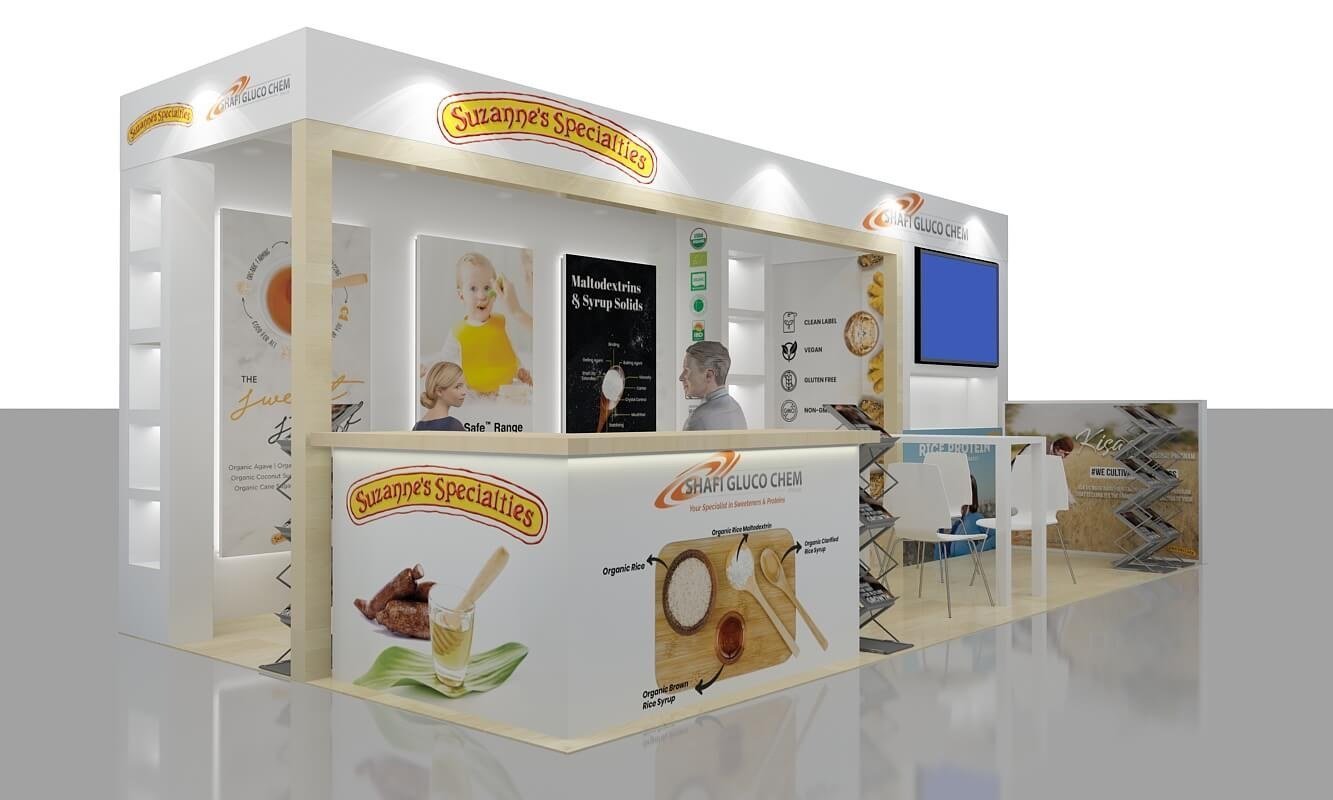


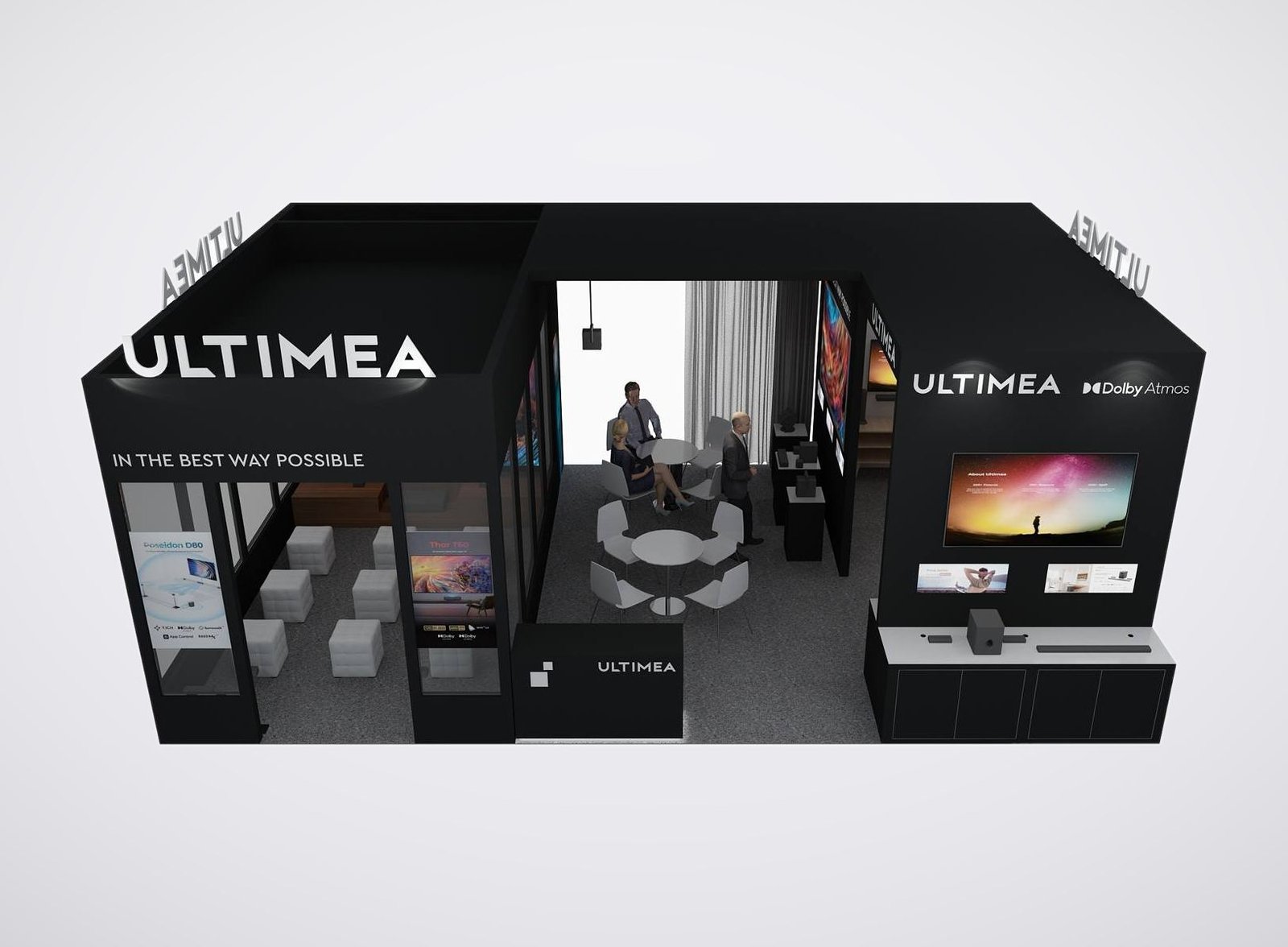
Give Us the Inputs That Control the Decatur Booth
We review six items before the design and quotation move forward:
• Show, venue and assigned booth location
• Footprint, open sides and floor plan
• Products, demonstrations and visitor actions
• Brand files, graphics and screen conten
• Budget range and target approval date
• Freight, installation and dismantling scope
Choose Arena, Upper Lobby or Outdoor Display Firs
Decatur Civic Center promotes trade show use of its Arena and Upper Lobby and has also described outdoor equipment-show options. These settings support different visitor interactions. An arena footprint can hold a fuller product presentation. A lobby favors an open, compact conversation. An outdoor area places durability, equipment access and weather above decorative finish.The project record identifies the exact location, floor, dimensions, open sides and access point. Only then should the rental system and graphic materials be selected. This branch keeps the design responsive to each site instead of forcing one template into three environments.Large equipment, working units and technical samples need a deliberate inspection route. Transport position, operating dimensions, weight and service connections belong on the layout. The visitor boundary should protect moving or sensitive parts while keeping important features visible.
Let the Product Define the Visitor Boundary
Large equipment, working units and technical samples need a deliberate inspection route. Transport position, operating dimensions, weight and service connections belong on the layout. The visitor boundary should protect moving or sensitive parts while keeping important features visible.Brand structure can frame the product and create storage or a meeting edge. Graphics should explain the application, operating advantage and next step. King Exhibits connects those messages to the actual product view so the display gives sales staff useful evidence during the conversation.


Build Three Setting Packages from One Core System
The Arena can support an equipment-led modular exhibit with controlled visitor clearance. The Upper Lobby may call for a lower, finished display that protects circulation, while an outdoor assignment needs a separate weather and anchoring specification. One brand system can serve all three only when the setting-specific parts are deliberately identified.The reusable core may include counters, selected walls, product supports and brand files. Floor treatment, exposed graphics, power distribution, freight, handling and field work are priced for the actual location. King Exhibits maintains the component record and prepares a different packing branch for Arena, lobby or outdoor use. This approach protects reuse without pretending an interior rental is automatically suitable outside.
Adjust Materials for Outdoor Exposure
An outdoor display may face sun, wind, moisture, dust and uneven ground. Graphic fastening, electrical protection, stability and cleaning requirements must be reviewed with the current organizer. Furniture and loose literature also need a practical operating plan.Indoor and outdoor versions can still share reusable assets. Structural frames, counters and product fixtures may carry across when approved, while weather-sensitive graphics and finishes change. Our component record identifies what belongs to the common kit and what is specific to the Decatur setting.

Put Access and Services into the Quote
The quote should reflect how products and cases reach the assigned space, where utilities connect and who performs installation. A large display can look affordable until handling equipment, service orders or weather protection is added late. These are project decisions, not incidental charges.During staging, we check graphic fit, fixture interfaces and packing labels against the approved layout. That operational record helps the crew place the product before walls restrict access and shows that the priced scope can be installed as shown.
Plan the Decatur Exhibi
The Decatur quote uses the setting, footprint, equipment dimensions and weight, inspection needs, services, brand assets, access route and setup instructions. These inputs produce a rental exhibit direction for the real event environment.Before the team can plan the decatur exhibit, confirm the receiving method, largest packed piece, carrier window, site contact and outbound plan in the city show brief. King Exhibits carries those decisions into case labels and the installation sequence accepted in the quotation. This exposes the handoffs that affect timing and cost before the shipment leaves production.
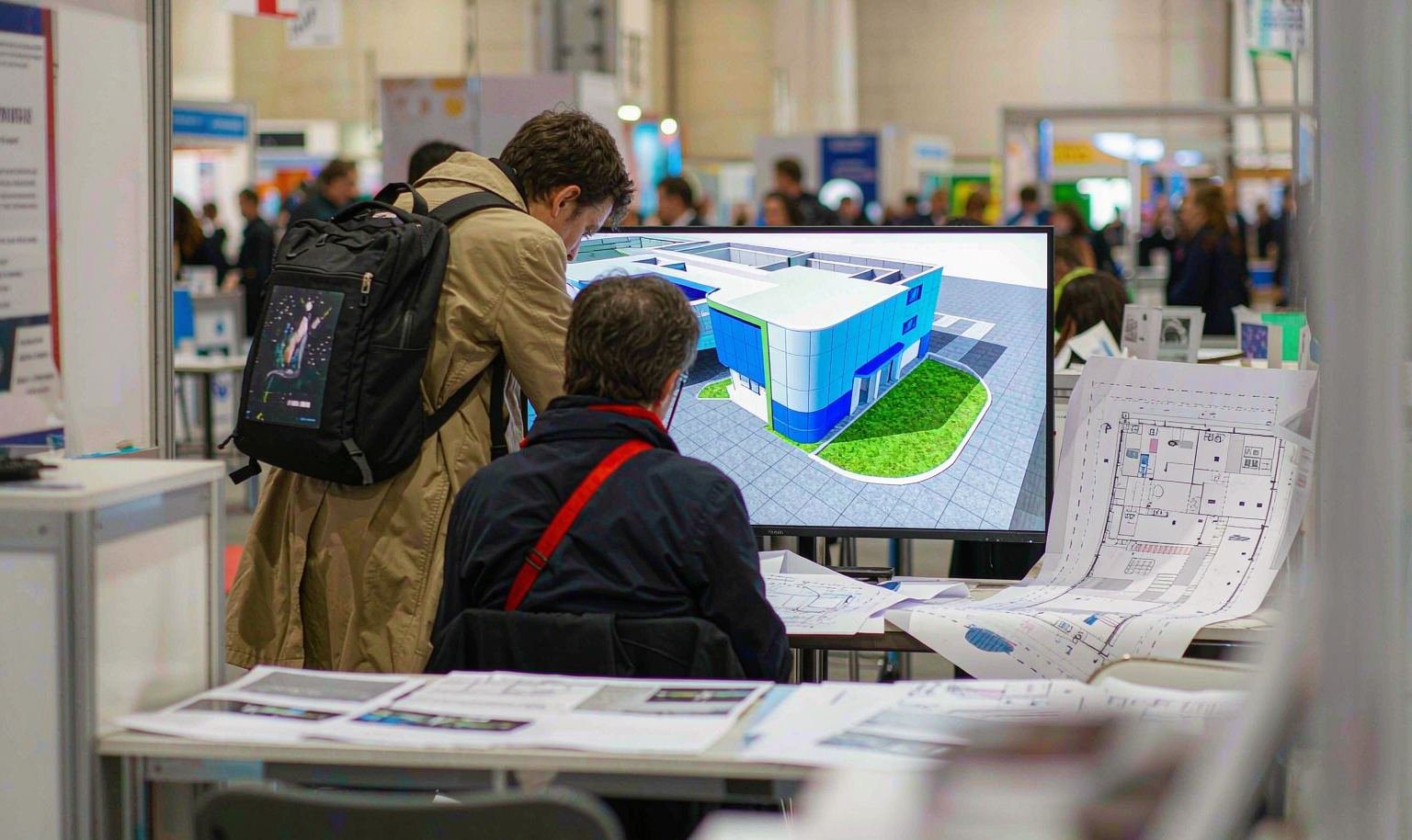
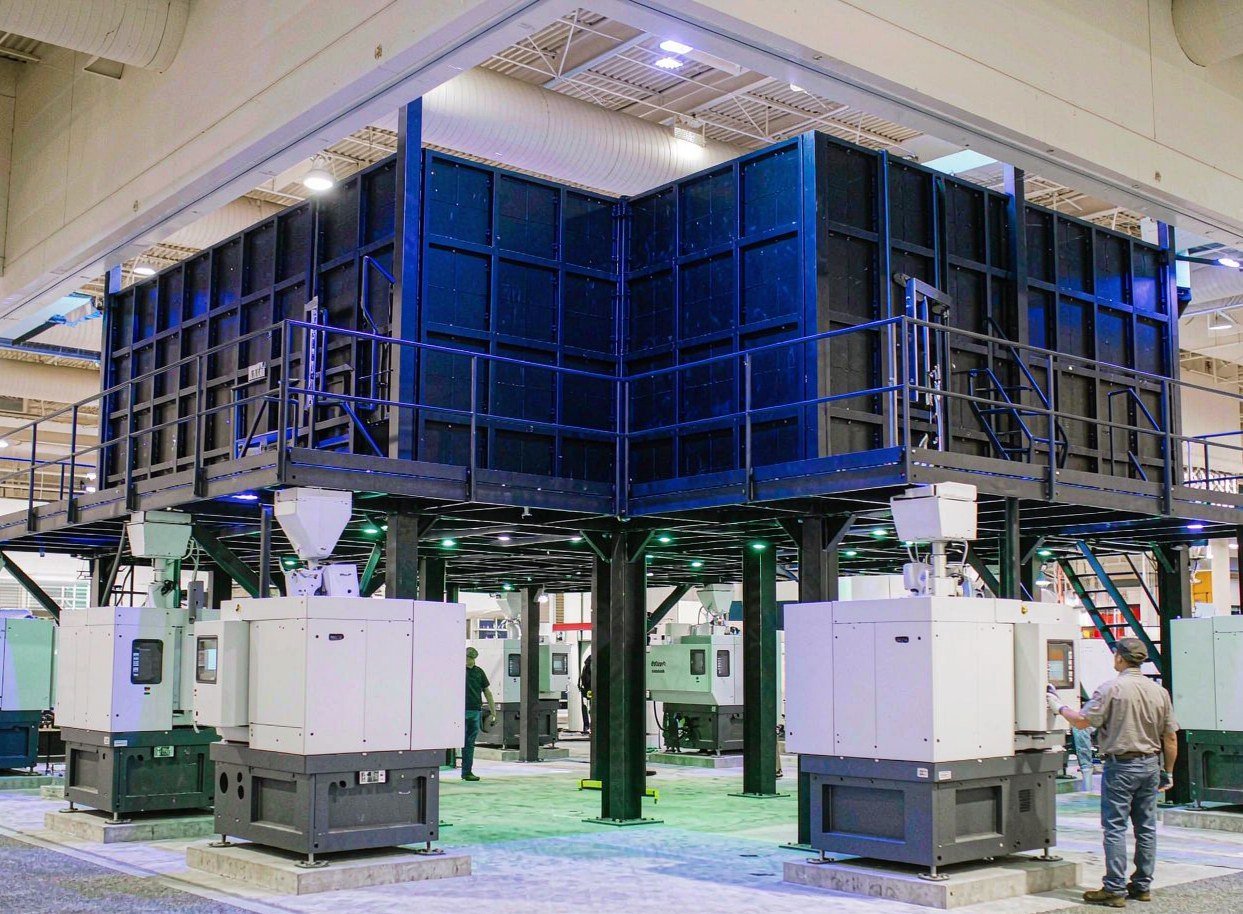
STEER — 30×30 Exhibit at NPE 2024, Orlando
This completed project gives teams planning Decatur a verified reference for exhibit scale, product presentation and visitor access. The verified project record identifies STEER, a 30×30 footprint, NPE 2024 and Orlando. For the Decatur brief, use the example to discuss the level of finish, product visibility and production scope needed for the new booth. The layout will still be rebuilt around the assigned space and its current operating requirements; the example demonstrates capability and is not presented as a local installation.
Keep Design, Production and Field Scope Connected
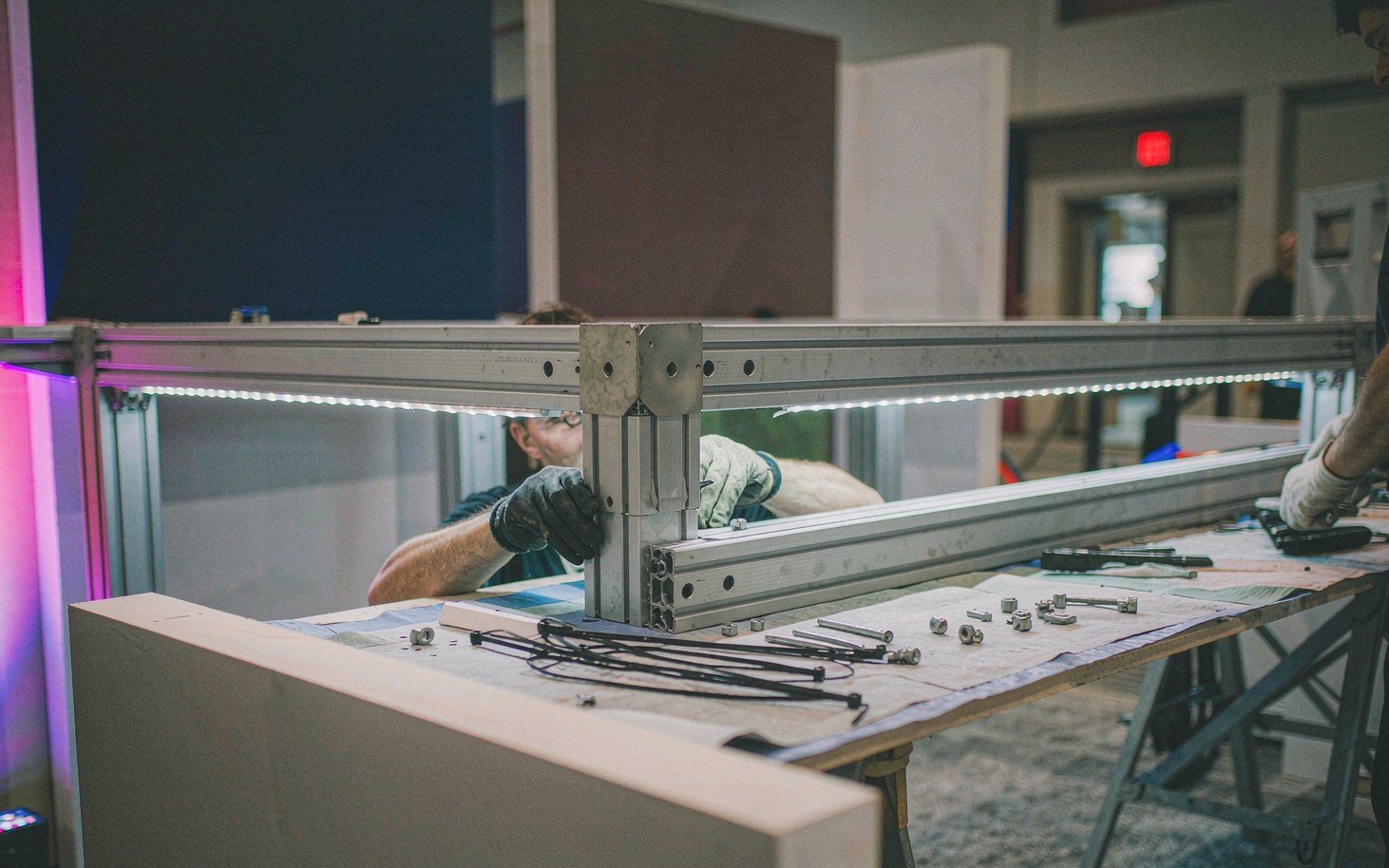
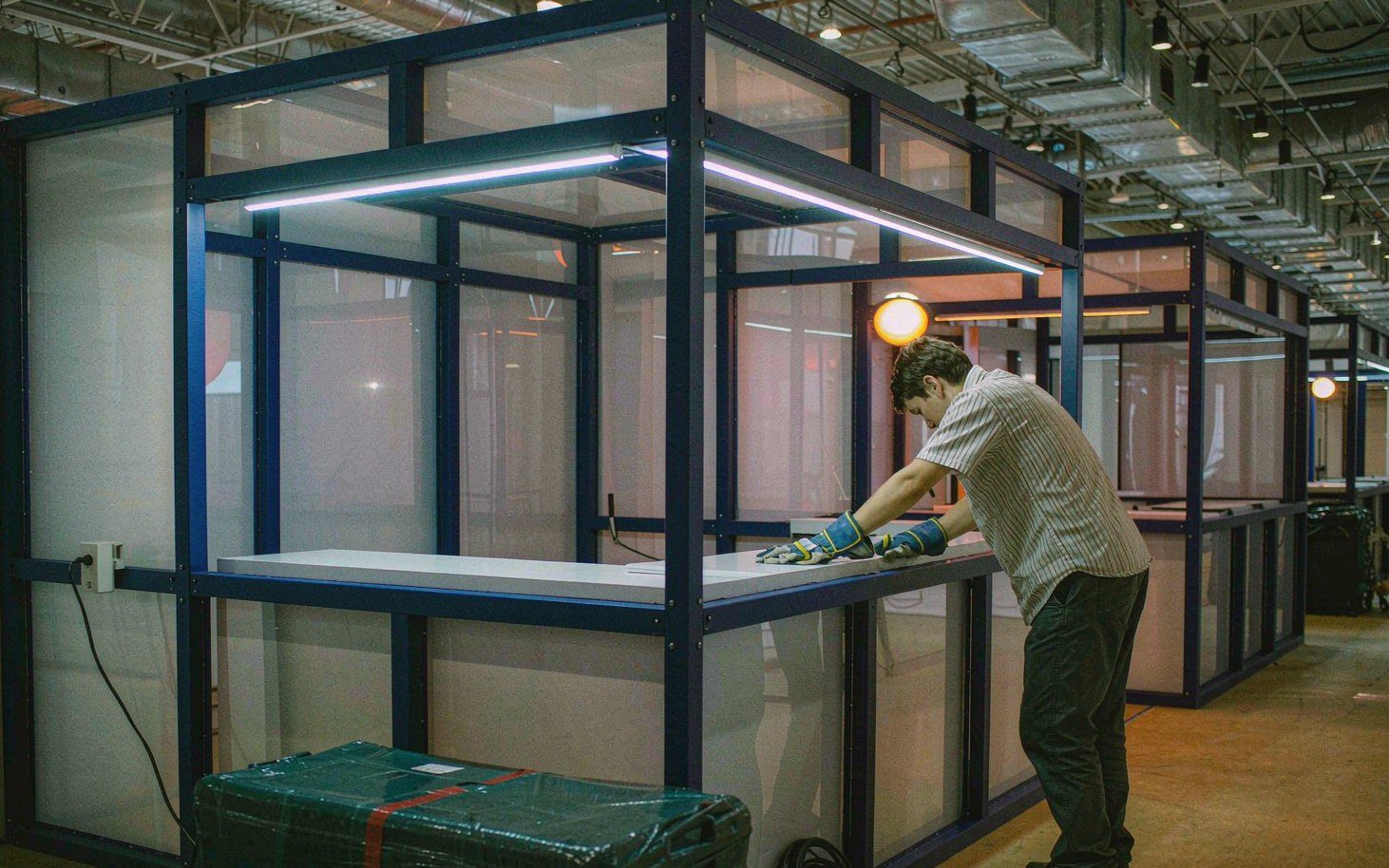
For Decatur, the approved design should stay connected to the pieces that are produced, packed and installed. King Exhibits has supported U.S. exhibit projects since 2008. Our Las Vegas-based production support connects 3D visualization with rental preparation, custom graphics, CNC work and wood fabrication. When the project scope calls for it, key components can be assembled and checked before packing. The production record carries the approved local freight, service and reuse decisions into packing and field instructions. Freight and the floor work accepted in the quotation then follow that written scope.
How the Decatur Booth Moves from Brief to Show Floor
Each stage turns customer information into a defined project output.
You provide the event, assigned venue, booth location and floor plan, footprint, products, budget and deadline. We identify missing organizer and technical information. The output is one usable Decatur project brief.
We use the confirmed Decatur operating brief to shape visitor flow, product placement, services and structure. You review the 3D direction and functional fit. The output is an approved layout basis.
You approve dimensions, artwork and final product information. We carry the approved Decatur freight and service assumptions into rental preparation, fabrication, graphics and packing. The output is a production record.
You confirm the current organizer instructions, carrier plan and authorized floor contacts. We coordinate the freight and field work accepted for Decatur. The output assigns installation, dismantling and outbound responsibilities before dispatch.
Some components may transfer, but the outdoor version needs a separate check for stability, weather, power protection, graphics and access. King Exhibits uses the current Decatur show, assigned space and visitor goal to turn that decision into a buildable exhibit plan. This lets procurement compare the exhibit scope with official show charges before approval.
Before the booth perimeter closes. The approved installation sequence should preserve the equipment route and complete services around its final position. King Exhibits uses the current Decatur show, assigned space and visitor goal to turn that decision into a buildable exhibit plan. This lets procurement compare the exhibit scope with official show charges before approval.
It should identify the setting, structure, graphics, product fixtures, utilities, freight, material handling and installation responsibilities, plus every organizer or venue service outside the exhibit scope. King Exhibits uses the current Decatur show, assigned space and visitor goal to turn that decision into a buildable exhibit plan. This lets procurement compare the exhibit scope with official show charges before approval.
Outdoor-rated surfaces, anchoring, weather protection, product protection, access and a different setup method may be required. Those changes must be evaluated from the current event rules. Review that scope beside the organizer, carrier and official-service charges so procurement can see the complete project budget before approval. This lets procurement compare the exhibit scope with official show charges before approval.