


Give Us the Inputs That Control the Minneapolis Booth
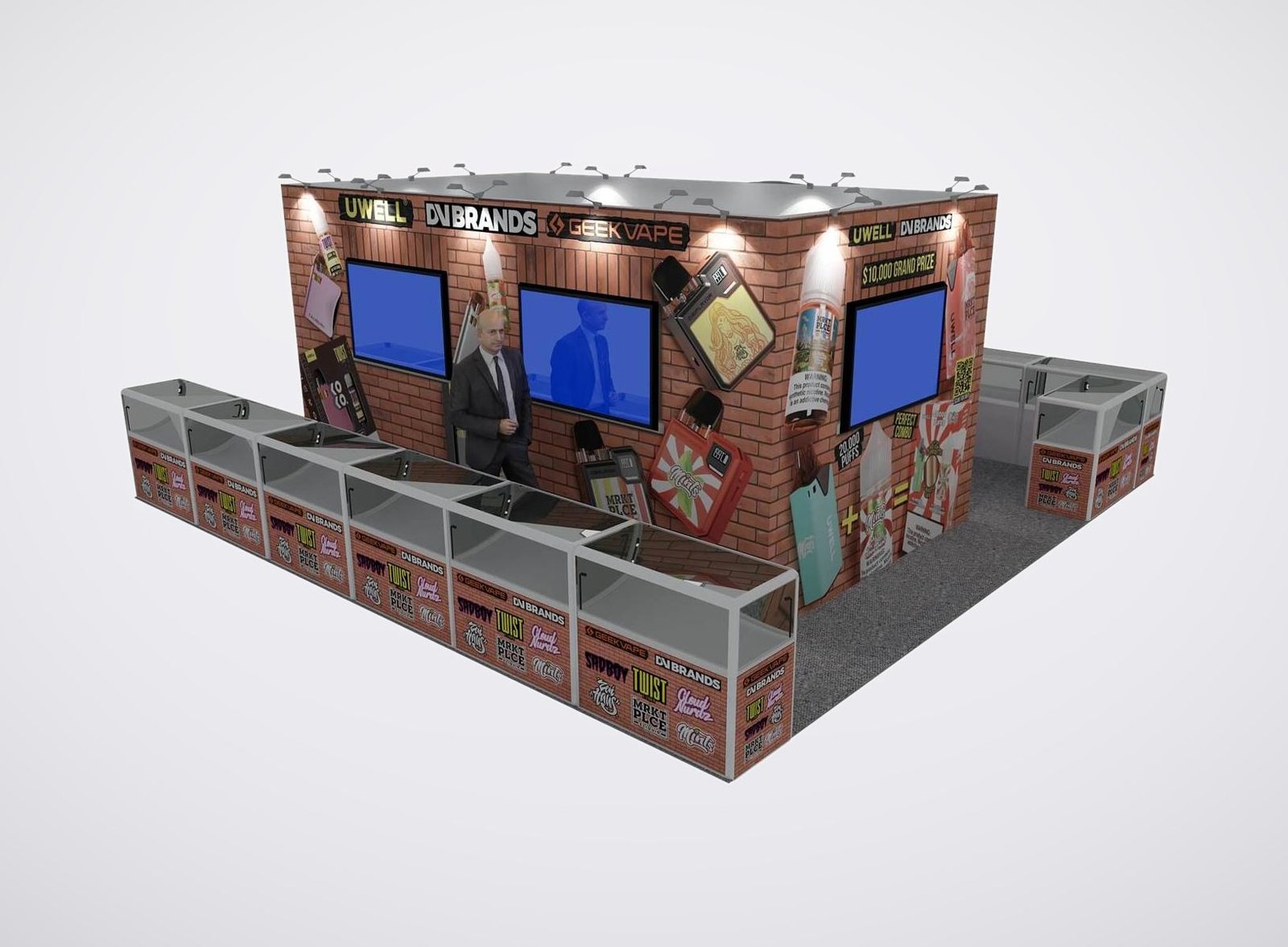
We review six items before the design and quotation move forward:
- Show, venue and assigned booth location
- Footprint, open sides and floor plan
- Products, demonstrations and visitor actions
- Brand files, graphics and screen conten
- Budget range and target approval date
- Freight, installation and dismantling scope
Pack for the Next Installation
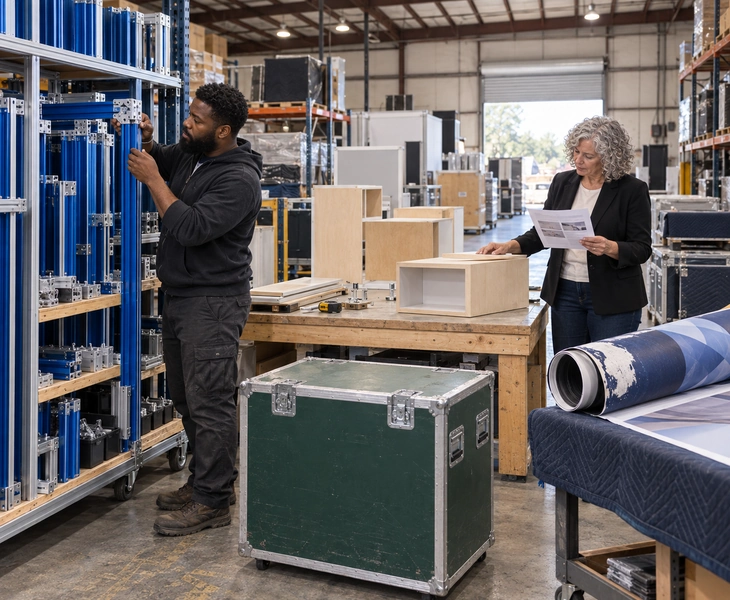
Reusable parts need labels, protection and an inventory check before outbound freight closes. Graphics that will change should be separated from hardware that remains. Missing or damaged items can then be identified while the current project record is still available.
Our storage and post-show asset records identify reusable frames, protected hardware and replaceable graphics before the next installation is planned. At move-out, the packing record separates return-to-storage assets, replacement graphics and materials assigned to the venue’s current recovery streams.
Planning a second use does not mean every component should travel again. The buyer needs to know which structural assets are rented for one event, which owned items return to storage and which graphics or product fixtures are worth refreshing. Freight, storage, repair and replacement can make two visually similar options commercially different.
Is Reuse Still the Better Delivered Option?
Planning a second use does not mean every component should travel again. The buyer needs to know which structural assets are rented for one event, which owned items return to storage and which graphics or product fixtures are worth refreshing. Freight, storage, repair and replacement can make two visually similar options commercially different.
An asset schedule sits beside the quotation. It identifies rental frames, customer-owned inventory, new graphics, custom fixtures, packing and agreed floor labor. Each reusable item has a next destination and protection requirement; each one-event item has an approved return or disposal path. Choose the system from the event calendar and the full delivered cost of its next confirmed use.
Close the Show with an Inventory Decision
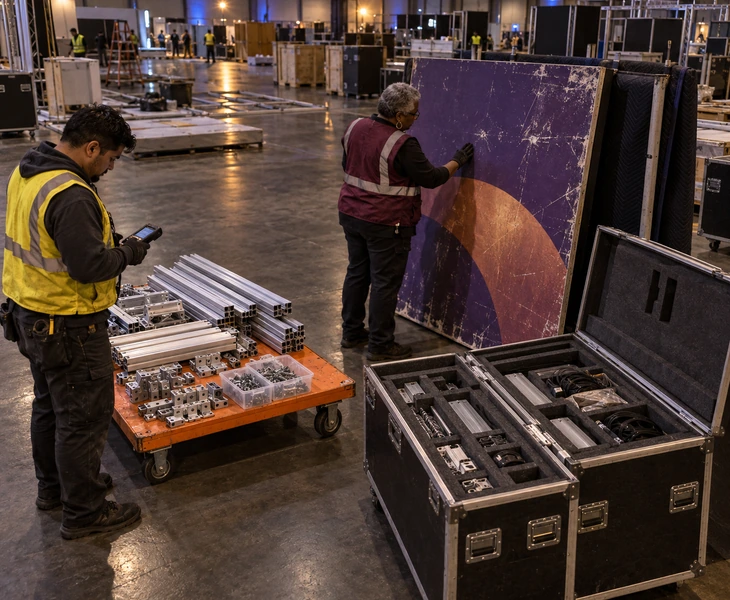
Packing and post-show records use the component IDs created during staging. At dismantling, the crew notes missing hardware, graphic damage and pieces that require refurbishment before they leave the floor. Return-to-storage cases remain separate from materials directed to the venue’s current recovery streams.
Provide the Minneapolis floor plan, current exhibitor guide, this event’s visitor goal, the likely next footprint, storage destination and ownership of existing assets. The outbound record becomes the next project’s starting inventory. That turns sustainability from a marketing claim into a verified decision about what will be used again and what work it will require.
Decide the Minneapolis Booth's Second Use
Send the current show kit, booth footprint, campaign assets and next-show possibilities. King Exhibits will build a display plan that includes what happens after move-out.
For this Minneapolis decision, provide the component inventory, dimensions, condition, graphics and prior packing record in the city show brief. King Exhibits can compare those assets with the current footprint and selling plan, then price reuse, modification and replacement as separate decisions. That makes the saving visible without forcing outdated parts into the new booth.
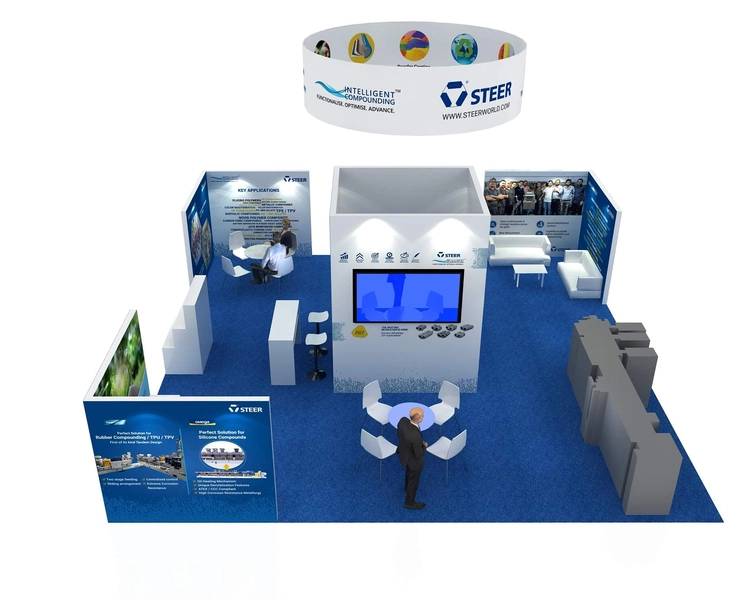
STEER — 30×30 Exhibit at NPE 2024, Orlando
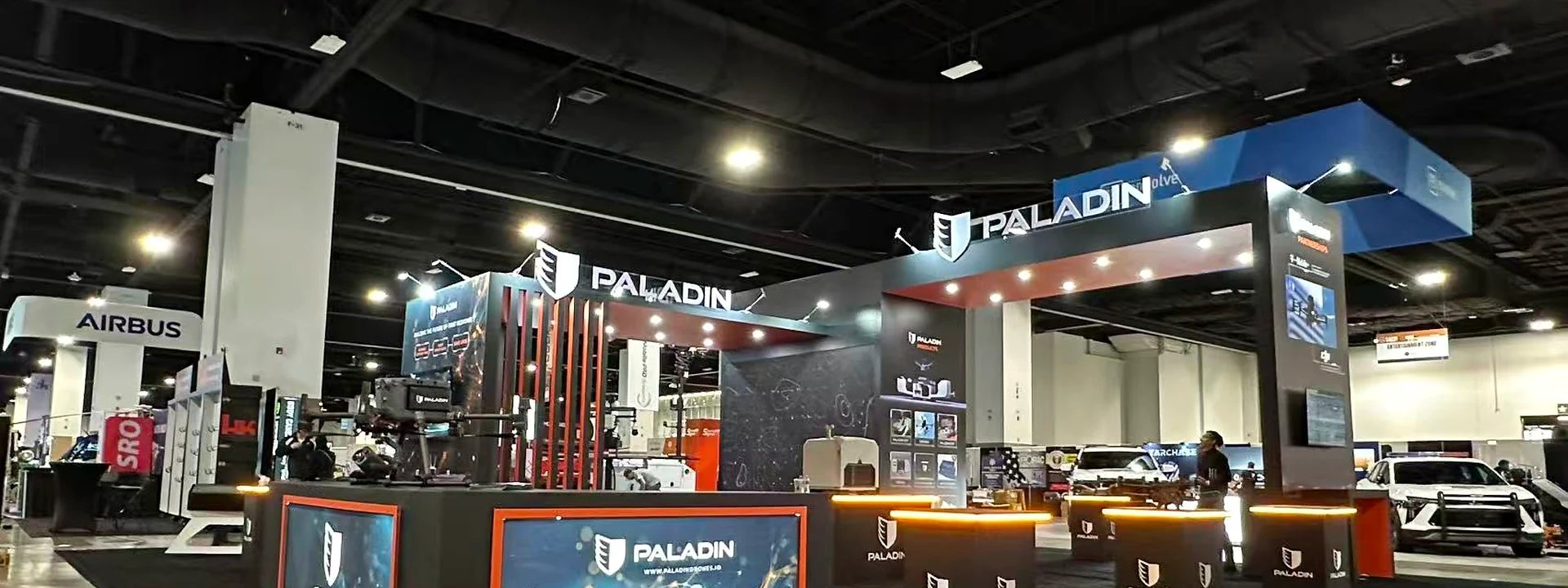
This completed project gives teams planning Minneapolis a concrete reference for scale, product presentation and visitor access. The verified project record identifies STEER, a 30×30 footprint, NPE 2024 and Orlando. A new booth for Minneapolis would still be developed around the assigned space, products and event requirements. Use the example to discuss the design direction rather than as a local-project claim.
Keep Design, Production and Field Scope Connected
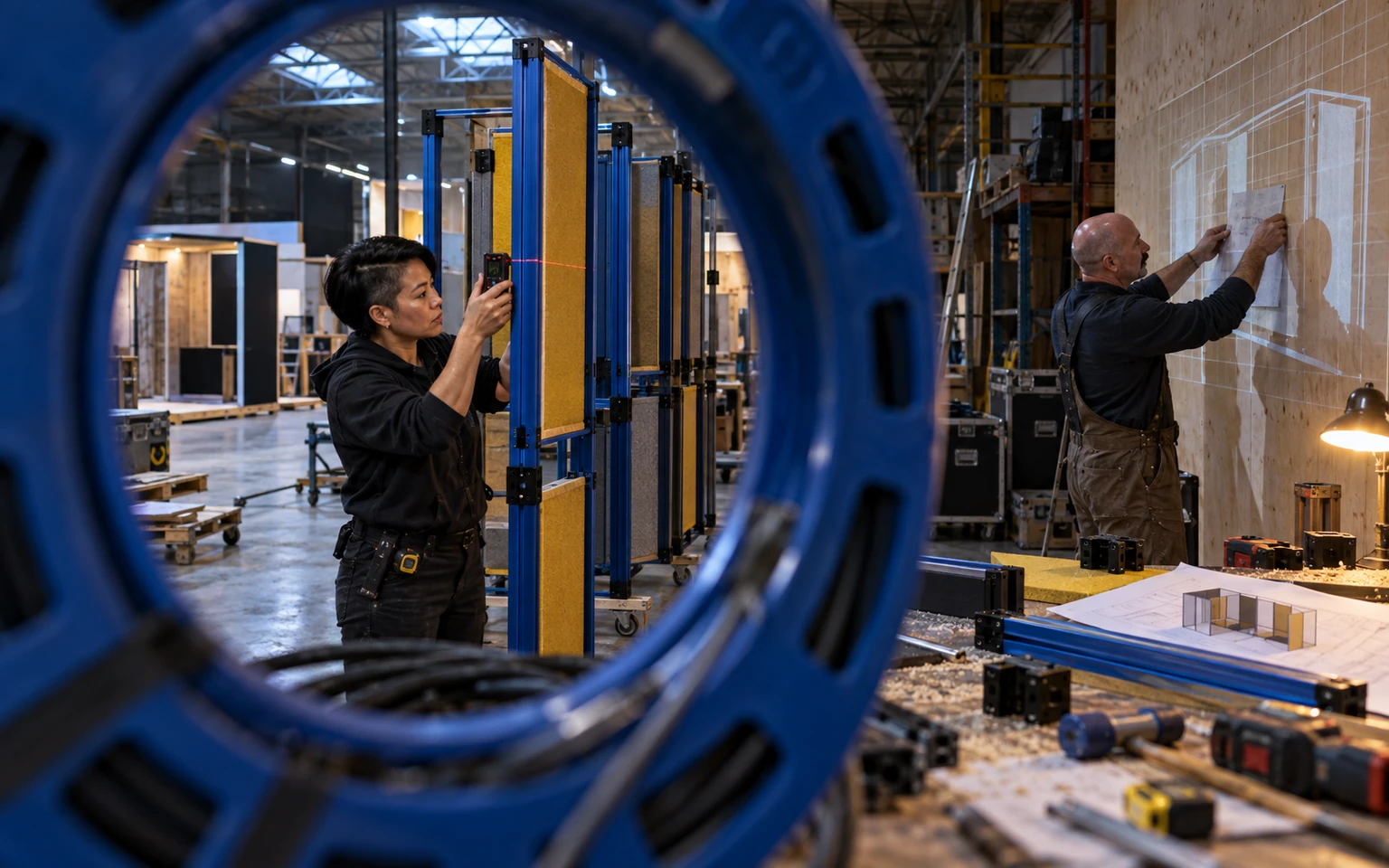
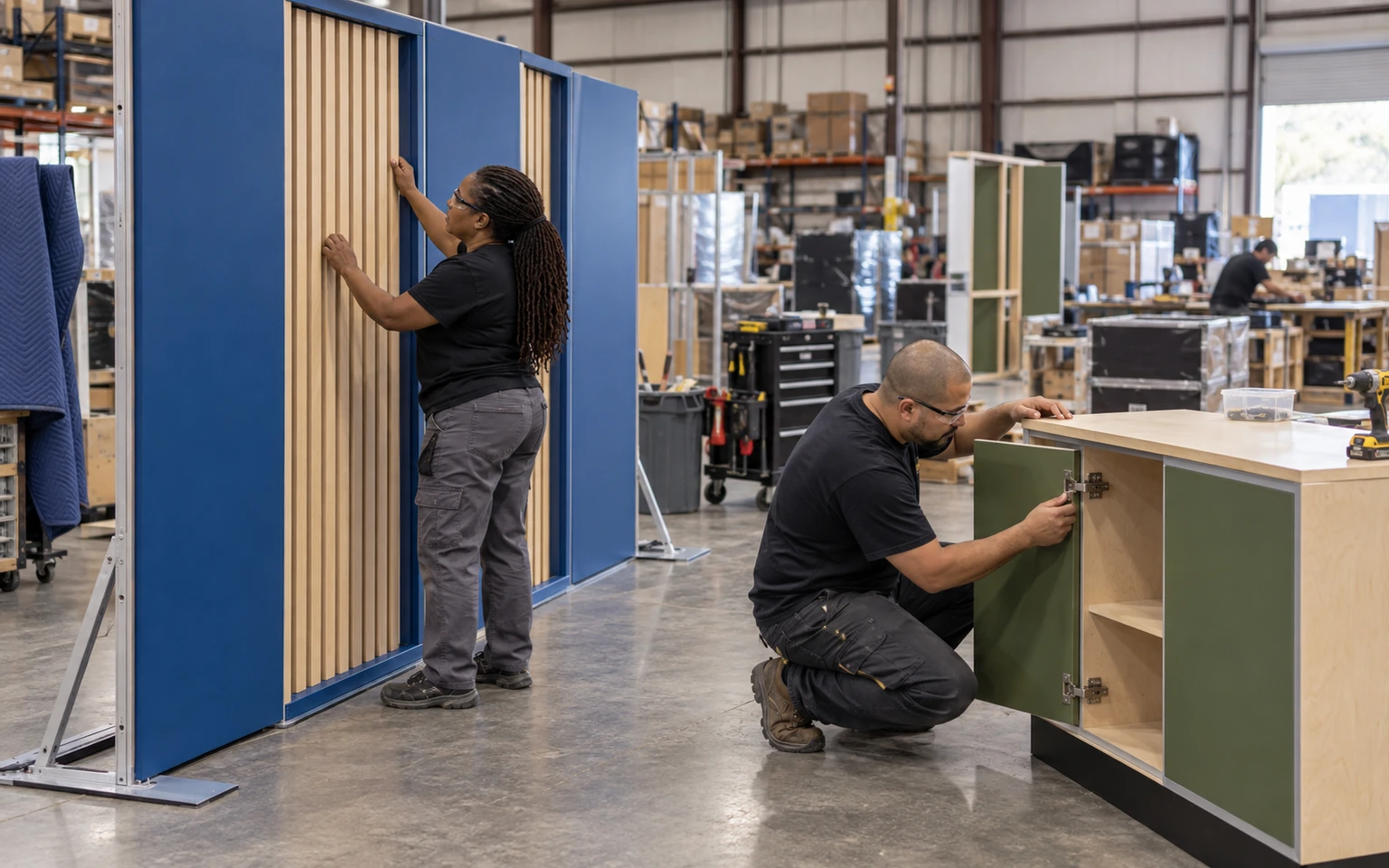
For Minneapolis, the approved design should stay connected to the pieces that are produced, packed and installed. King Exhibits has supported U.S. exhibit projects since 2008. Our Las Vegas-based production support connects 3D visualization with rental preparation, custom graphics, CNC work and wood fabrication. When the project scope calls for it, key components can be assembled and checked before packing. The production record carries the approved local freight, service and reuse decisions into packing and field instructions. Freight and the floor work accepted in the quotation then follow that written scope.

How the Minneapolis Booth Moves from Brief to Show Floor
Each stage turns customer information into a defined project output.
You provide the event, assigned venue, booth location and floor plan, footprint, products, budget and deadline. We identify missing organizer and technical information. The output is one usable Minneapolis project brief.
We use the confirmed Minneapolis operating brief to shape visitor flow, product placement, services and structure. You review the 3D direction and functional fit. The output is an approved layout basis.
You approve dimensions, artwork and final product information. We carry the approved Minneapolis freight and service assumptions into rental preparation, fabrication, graphics and packing. The output is a production record.
You confirm the current organizer instructions, carrier plan and authorized floor contacts. We coordinate the freight and field work accepted for Minneapolis. The output assigns installation, dismantling and outbound responsibilities before dispatch.
Minneapolis Planning Questions
No. The structural system can remain while graphics, product zones and selected fixtures change for each campaign. King Exhibits uses the current Minneapolis show, assigned space and visitor goal to turn that decision into a buildable exhibit plan. This lets procurement compare the exhibit scope with official show charges before approval.
Before production and packing specifications are finalized. King Exhibits uses the current Minneapolis show, assigned space and visitor goal to turn that decision into a buildable exhibit plan. This lets procurement compare the exhibit scope with official show charges before approval. The final project record should identify who owns each remaining action and deadline.
Compare rental fees, new graphics, custom fixtures, freight, storage, repair and the next confirmed use. Reuse is valuable only when the retained assets fit the future program. King Exhibits uses the current Minneapolis show, assigned space and visitor goal to turn that decision into a buildable exhibit plan. This lets procurement compare the exhibit scope with official show charges before approval.