
Trade Show Booth Rental Process
A booth rental is still a project with approvals, production information, venue deadlines and on-site dependencies. This eight-stage workflow keeps those decisions connected from the first brief through post-show closeout.
See what must be decided before the next stage starts.
The exact schedule varies, but the decision sequence remains useful from small inline booths to large island exhibits. For answers on scope, venue services, freight and installation responsibilities, read the trade show booth rental FAQ. For a booked 50 × 50 footprint, use the 50×50 trade show booth rental page to frame how presentation zones, approvals and delivery work fit into the rental process.
Discovery
Confirm show, space, audience, products and commercial objective.
Scope and budget
Define included components, services, assumptions and target range.
Design
Develop layout, visual direction, graphics, storage, AV and visitor flow. Use trade show booth design to map the visitor route, storage and media locations before the rental scope is fixed.
Technical review
Resolve dimensions, utilities, venue rules, access and interfaces.
Approval and production
Release current drawings, artwork, finishes and component references.
Pre-build and packing
Check key assemblies, document the result and prepare labeled components.
Freight and installation
Align delivery, material handling, labor, services and final booth checks.
Dismantling and reuse
Record packing, return, storage, disposal and next-show decisions. For King-supplied assets kept for later events, review trade show exhibit storage before the return plan is released.
Use real booth work to understand where approvals become physical.
Layout, graphics, technical interfaces and packing information must stay tied to the version that was actually released.
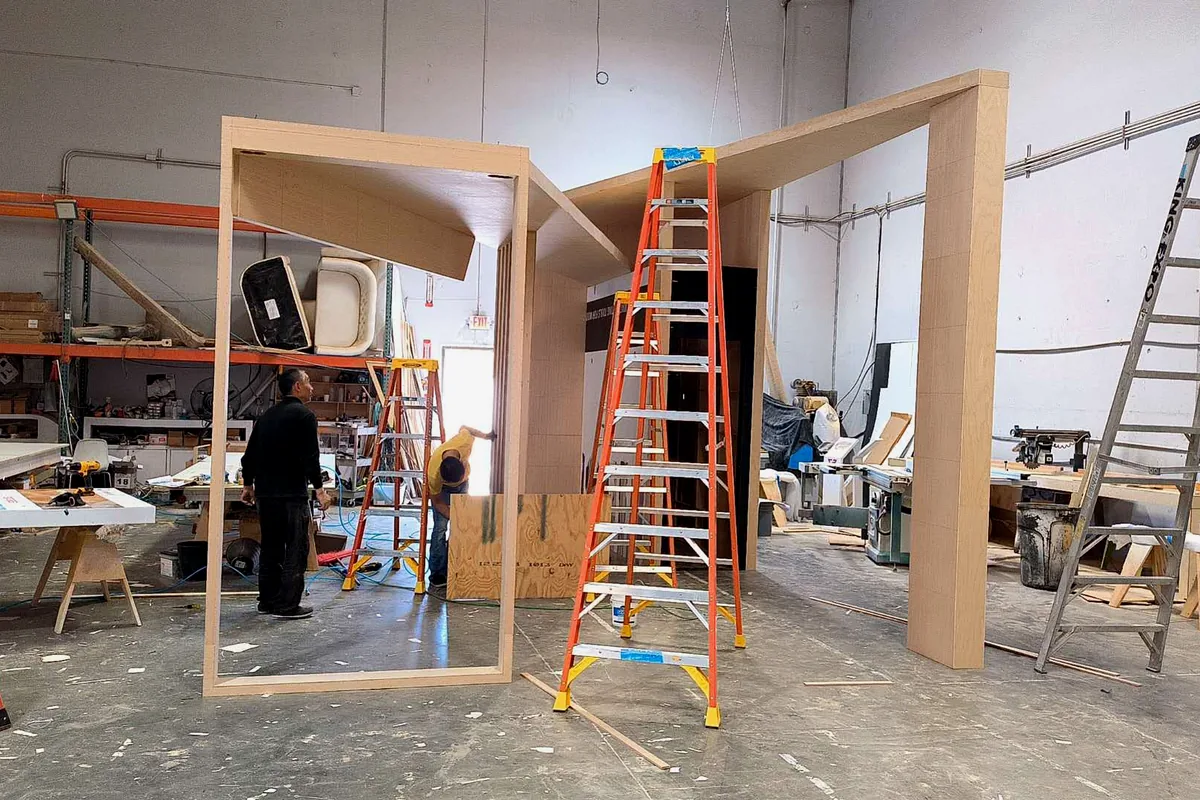
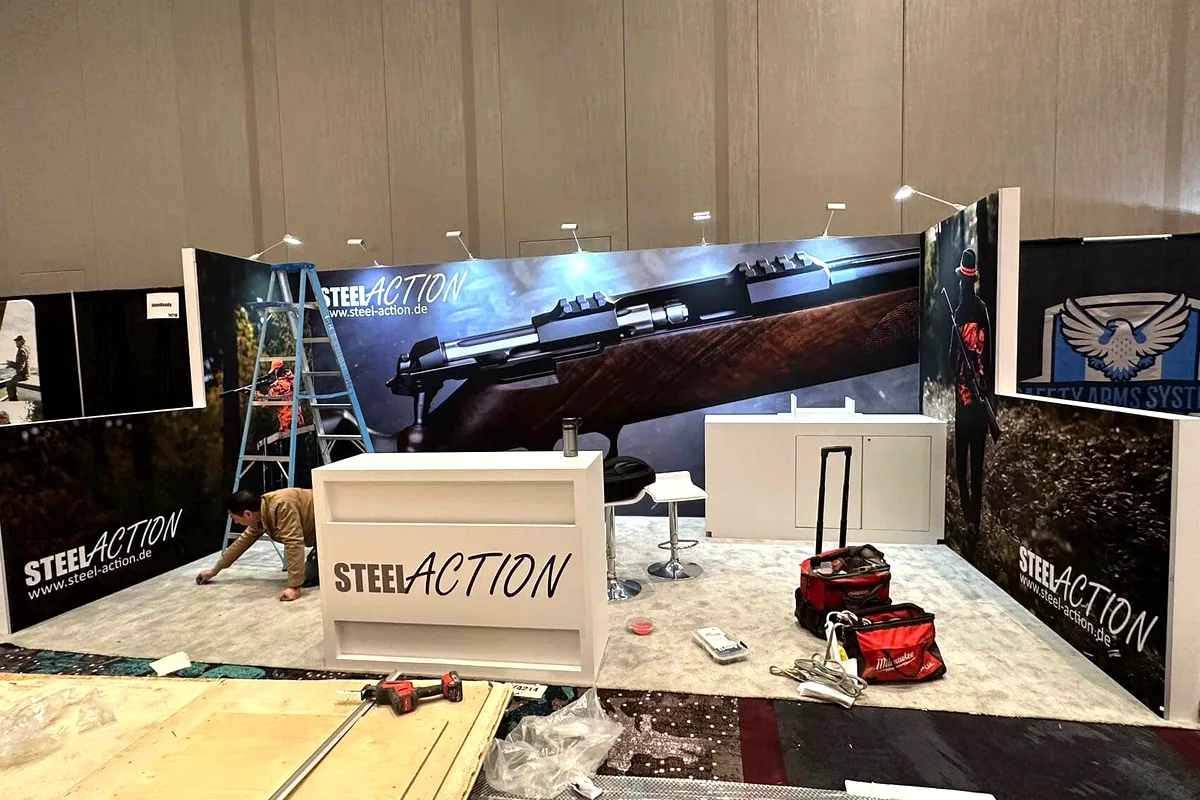
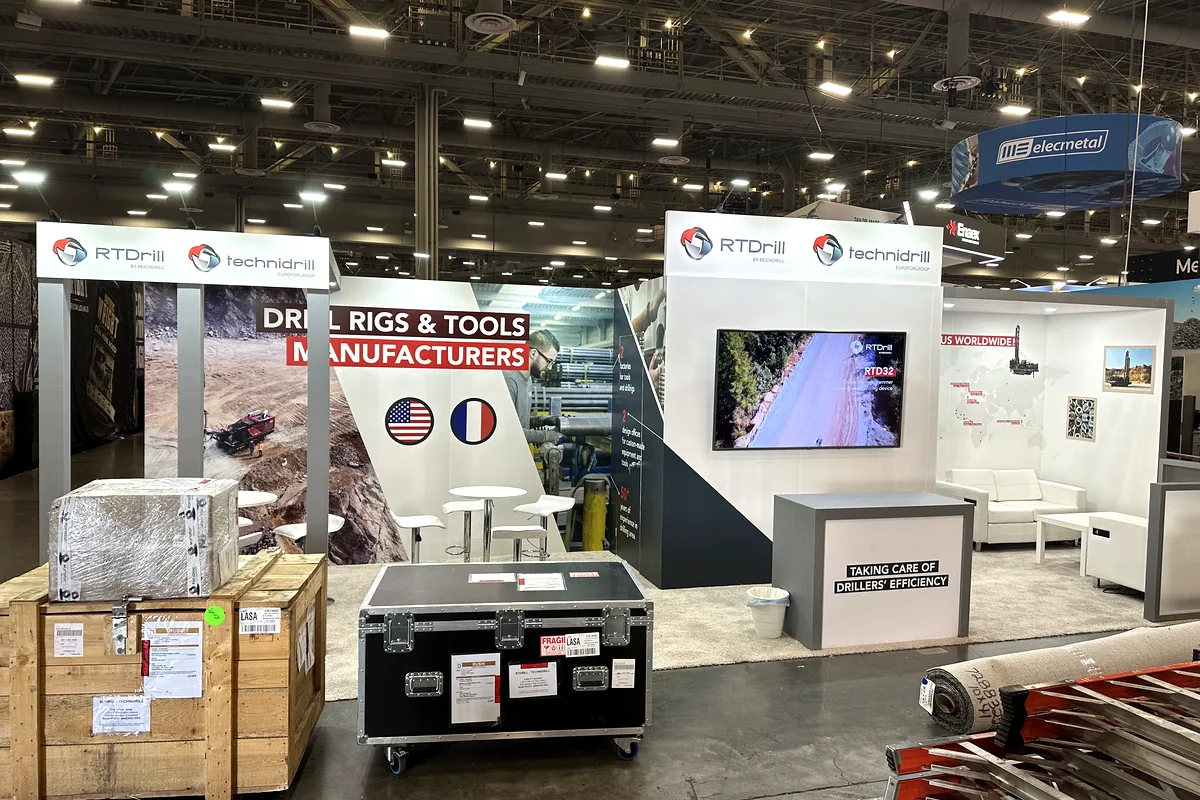
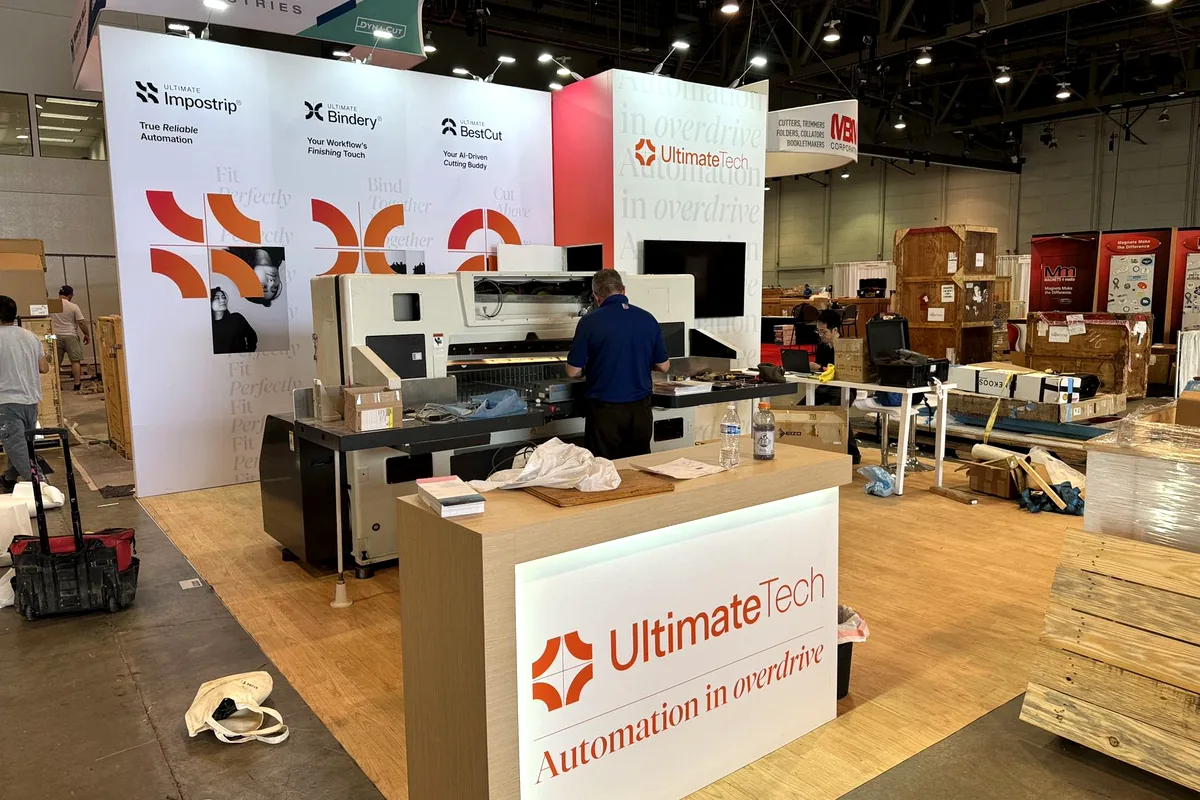
Resolve the inputs that most often delay rental projects.
A clear responsibility and approval trail protects the design schedule, production release and show-site handoff.
Before design approval
Confirm products, visitor journey, graphics ownership, utilities and realistic budget priorities.
Before production release
Resolve open dimensions, artwork, finish references, service orders and venue constraints.
Before shipment
Review pre-build records, packing references, freight documents and show receiving dates.
Before show opening
Check graphics, lighting, AV, product placement, access, storage and exhibitor handover. For installed fixtures in a complete booth, review trade show lighting rental before the final booth handover check.
Compare complete scopes, not just the visible booth.
How long does the rental process take?
The schedule depends on booth size, design complexity, approval speed, artwork readiness, production scope and official show deadlines. Start as soon as the space is confirmed.
What is normally included in a rental scope?
The proposal should identify the structure, graphics, flooring, lighting, furniture, AV, freight, labor and project services that are included or excluded.
What changes the budget most?
Booth size, custom fabrication, large graphics, AV, rigging, flooring, freight, material handling, labor conditions and late changes can materially affect cost.
Can a rental booth be reused?
Reusable components and graphics can be considered, but the next show footprint, condition, venue rules and transport plan need review.
Start the rental process with the current show facts.
Send the show, booth size, target budget range and the files you already have.